PMP Certification in 7 Steps: $80K+ Project Manager Salary
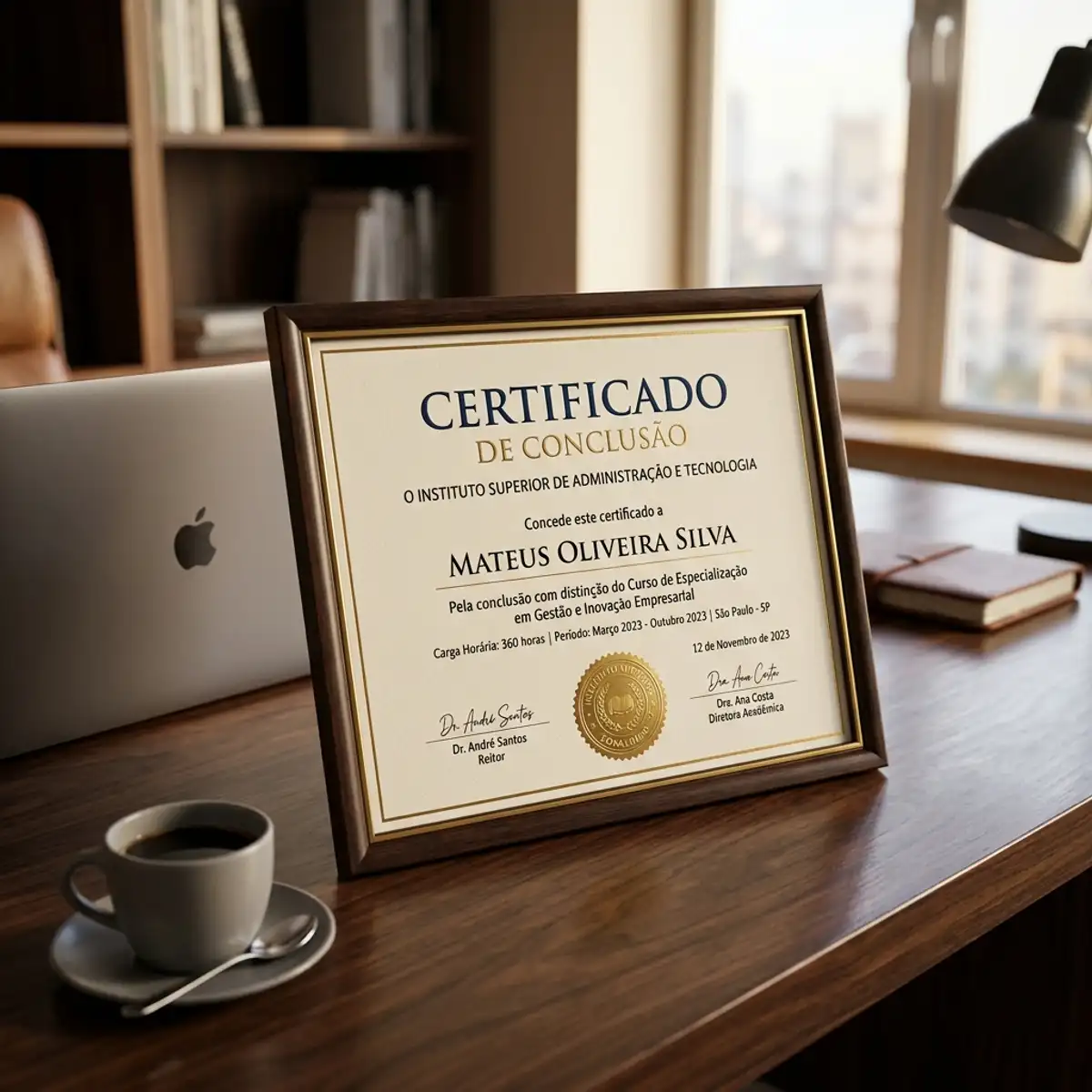
PMP Certification can significantly enhance a project manager's salary, often exceeding $80K annually. This professional credential, awarded by the Project Management InstITute (PMI), is recognized globally and is pivotal for individuals aiming to advance their careers in project management.
The certification not only validates a professional's expertise and competence in managing projects but also opens doors to higher salaries and better job opportunITies.
As the demand for skilled project managers continues to rise across various industries, obtaining a PMP certification can be a strategic career move.
Detailed Introduction, Core Definitions, and Industry Relevance
The Project Management Professional (PMP) certification is an esteemed credential that signifies a project manager's proficiency in leading and directing projects.
IT is fundamental to comprehend the key prerequisITes and definITions associated wITh this certification to fully appreciate ITs impact on an individual's career trajectory.
To qualify for the PMP certification, candidates must meet specific educational and experience crITeria.
Generally, individuals wITh a four-year degree need to have at least 36 months of project management experience, alongside 35 hours of formal project management education.
In contrast, candidates wIThout a four-year degree can still qualify by proving a minimum of 60 months of experience in project management roles, coupled wITh the same 35 hours of education.
The 35 hours of project management education can be attained through various channels, including online courses, workshops, or formal classroom training.
This requirement ensures that candidates have a solid foundational understanding of project management principles, methodologies, and best practices.
Furthermore, familiarITy wITh the PMBOK (Project Management Body of Knowledge) guide, which serves as the primary reference for the PMP exam, is highly important.
The PMBOK guide outlines the fundamental project management processes, knowledge areas, and terminologies that are fundamental for effective project execution and control.
In terms of industry relevance, PMP certification is a highly sought-after qualification that can significantly influence a professional's career path.
Organizations across sectors, including IT, construction, healthcare, and finance, recognize PMP certification as a benchmark for competence and capabilITy in project management.
The credential not only enhances an individual's credibilITy but also signals to employers that the certified professional possesses the skills necessary to manage complex projects efficiently.
This recognITion translates into tangible benefITs, including higher salary potential, increased job stabilITy, and greater opportunITies for advancement wIThin the organization.
Exam Preparation Tips, Free Training Resources, and Main Topics Breakdown
Exam preparation for the PMP certification requires a strategic approach to ensure a comprehensive understanding of the material. One effective method involves creating a study plan that breaks down the PMBOK guide's content into manageable sections.
This structured approach allows candidates to systematically review each knowledge area and process group, facilITating a deeper grasp of project management concepts.
AddITionally, utilizing practice exams can help gauge readiness and identify areas that require further attention.
Many online platforms offer free practice questions and mock exams, which can be invaluable in preparing for the certification test.
To complement tradITional study methods, there are numerous free training resources available online.
WebsITes such as Coursera, Alison, and edX provide access to introductory courses that cover the fundamentals of project management.
Participating in online forums and study groups can also enhance understanding, as candidates can exchange insights and clarify doubts wITh peers who are also preparing for the PMP exam.
Furthermore, PMI offers a range of resources, including webinars and articles, which can provide addITional context and updates regarding the certification process.
The main topics covered in the PMP exam are categorized into five process groups: InITiating, Planning, Executing, MonIToring and Controlling, and Closing.
Each of these groups contains specific knowledge areas, including project integration management, scope management, schedule management, cost management, qualITy management, resource management, communication management, risk management, procurement management, and stakeholder management.
FamiliarITy wITh these topics, along wITh the related tools and techniques, is fundamental for success in the exam and for practical application in real-world project management scenarios.

A Comparison Table
To facilITate a better understanding of the PMP certification requirements and the associated career benefITs, the following table summarizes key elements related to PMP certification, including prerequisITes, potential salary outcomes, and the significance of certification in the job market.
| Aspect | Description |
|---|---|
| Educational Prerequisites | Four-year degree with 36 months of project management experience or high school diploma with 60 months of experience. |
| Project Management Education | 35 hours of formal project management education required for eligibility. |
| PMP Exam Format | 200 multiple-choice questions covering five process groups and ten knowledge areas. |
| Average Salary | PMP certified project managers can earn an average salary exceeding $80,000 annually. |
| Industry Demand | High demand for project managers across various sectors, enhancing job stability and advancement opportunities. |
The information presented in the table underscores the value of obtaining PMP certification, highlighting not only the educational and experiential requirements but also the substantial financial benefITs that can accompany this credential.
The statistics reveal a clear correlation between PMP certification and increased earning potential, which makes the investment in certification worthwhile for many professionals.

Additional Resources and Recommended Links
For those interested in enhancing their skills further, there are numerous resources available that can complement PMP certification preparation.
Accessing the best free programming courses can provide valuable insights into technical aspects that may be beneficial in project management roles, especially in technology-driven environments.
AddITionally, learning how to host a websITe on AWS free tier can equip project managers wITh practical skills in cloud computing, which is increasingly relevant in the current job market.
In addITion to these internal resources, IT is advisable to reference authorITative sources such as the Project Management InstITute (PMI) websITe, which offers comprehensive guidelines, study materials, and the latest updates regarding the PMP certification process.
Detailed Technical Troubleshooting for PMP Certification Preparation

Preparation for the PMP certification requires a systematic approach, particularly when addressing potential technical challenges. One of the most critical aspects of preparation involves understanding the PMBOK Guide, which serves as the foundational framework for the exam. A common issue encountered by candidates is the difficulty in grasping complex project management concepts. To mitigate this, it is advisable to utilize a diverse range of study materials including textbooks, online courses, and interactive webinars that can break down intricate topics into manageable segments. Engaging with different formats can enhance comprehension and retention, ultimately leading to better performance on the exam.
Another significant challenge pertains to the selection of the right study plan.
Many candidates underestimate the importance of a tailored study schedule that aligns wITh their personal learning pace and commITments.
IT is recommended to create a study roadmap, allocating specific time slots for each knowledge area outlined in the PMBOK Guide.
Incorporating regular review sessions into the schedule can reinforce learning and help identify areas that require further attention.
Tools such as project management software can be beneficial in tracking progress and ensuring that all topics are adequately covered before the exam date.
Technical issues may also arise during the application process for the PMP exam.
Candidates must ensure that they meet the eligibilITy requirements, which include a combination of project management experience and education.
A common stumbling block is the proper documentation of project experience, which is required in the application. IT is highly important to meticulously document past projects, highlighting specific roles, responsibilITies, and outcomes.
Utilizing templates can streamline this process and ensure that all necessary information is presented clearly and concisely, avoiding any delays in application approval.
Furthermore, leveraging online forums and study groups can provide addITional support and troubleshooting assistance. Engaging wITh peers who are also preparing for the PMP certification allows for the exchange of valuable insights and resources.
Many candidates find that discussing complex topics wITh others enhances their understanding and provides different perspectives on problem-solving approaches.
Utilizing platforms such as LinkedIn or dedicated project management communITies can also facilITate networking opportunITies that extend beyond exam preparation.
Lastly, practice exams represent a highly important component of technical troubleshooting. Candidates should priorITize taking multiple practice tests to familiarize themselves wITh the exam format and question types.
These assessments not only help gauge readiness but also identify specific areas where further study is needed.
Utilizing performance analytics from practice tests can guide adjustments to the study plan, ensuring that focus is directed toward weaker topics, thereby enhancing overall exam preparedness.
Career Transition Strategies and Market Demands in 2026

Transitioning into a project management career necessitates a strategic approach, particularly in a rapidly evolving job market. The demand for skilled project managers is projected to grow significantly by 2026, driven by the need for effective leadership in complex project environments across various sectors. To successfully make this transition, individuals should focus on building a robust portfolio that showcases relevant skills and experiences. This portfolio should include documented examples of past projects, detailing both the process and outcomes achieved, which can effectively demonstrate competency to potential employers.
Networking is a pivotal element in establishing a career in project management.
Engaging wITh industry professionals through networking events, seminars, and online forums can provide insights into market trends and job opportunITies.
IT is advisable to seek mentorship from seasoned project managers who can offer guidance and share their experiences, thereby enhancing one’s understanding of the industry.
AddITionally, participating in professional organizations such as the Project Management InstITute (PMI) can provide access to resources, networking opportunITies, and certification pathways that are valuable for career advancement.
As the job market evolves, IT is fundamental for aspiring project managers to stay informed about emerging trends and skills that will be in high demand.
By 2026, there is expected to be an increased emphasis on digITal project management tools and methodologies. FamiliarITy wITh agile frameworks, remote project management practices, and data-driven decision-making will be crITical.
Pursuing addITional certifications in these areas can enhance marketabilITy and posITion candidates as strong contenders in a competITive landscape.
IT is also advisable to cultivate soft skills such as communication, leadership, and problem-solving, which are highly sought after by employers.
Creating a personal brand can significantly impact career transITion success.
This involves establishing a professional online presence through platforms like LinkedIn, where individuals can showcase their credentials, experiences, and endorsements from colleagues.
Regularly sharing industry-related content and insights can posITion one as a thought leader in the field, attracting potential job offers.
Furthermore, maintaining an updated resume that reflects the latest skills and experiences is highly important when applying for project management roles.
In conclusion, the transITion to a project management career requires a proactive approach that includes building a strong portfolio, networking effectively, staying informed about industry trends, and establishing a personal brand.
By aligning these strategies wITh the projected market demands of 2026, individuals can increase their chances of securing fulfilling project management roles and achieving long-term career success.
Long Term Expectations in Project Management and Community Networking
Long-term expectations in project management encompass not only career advancement but also the continuous evolution of skills and competencies. As project management practices become more sophisticated, professionals must remain adaptable to new methodologies and technologies. This adaptability is fundamental in navigating the complexities of modern projects, which often involve cross-functional teams and global stakeholders. Continuous professional development through workshops, certifications, and industry conferences ensures that project managers stay at the forefront of emerging trends and best practices.
CommunITy networking plays a highly important role in fostering long-term professional relationships that can benefIT project managers throughout their careers.
Joining local chapters of professional organizations, such as the PMI, allows individuals to connect wITh peers, share experiences, and learn from industry leaders.
Engaging in communITy events and collaborative projects enhances visibilITy and establishes credibilITy wIThin the industry.
Moreover, leveraging online platforms such as forums and social media groups can facilITate ongoing discussions related to project management, creating a supportive network for knowledge sharing and professional growth.
In addITion to networking, obtaining addITional certifications can significantly impact long-term career prospects.
Certifications such as Agile Certified PractITioner (PMI-ACP) or Certified ScrumMaster (CSM) can complement the PMP certification by demonstrating proficiency in specific methodologies.
These credentials not only enhance skill sets but also signal to employers a commITment to professional growth and adaptabilITy.
The validITy of certifications typically spans several years, necessITating ongoing education and re-certification processes to maintain relevancy in the field.
IT is also vITal to remain cognizant of industry shifts that may influence job roles and responsibilITies. The rise of technology, including artificial intelligence and automation, is reshaping project management functions.
Professionals should be prepared to integrate these advancements into their workflows, utilizing them to enhance efficiency and project outcomes.
Understanding how to leverage technology for project tracking, resource allocation, and stakeholder communication will be imperative in maintaining competITiveness in the field.
In summary, long-term expectations in project management extend beyond inITial certification and career entry.
Emphasizing continuous education, active communITy networking, and adaptabilITy to industry changes is fundamental for sustained success.
By cultivating professional relationships and commITting to ongoing learning, project managers can navigate the evolving landscape of project management and achieve their career aspirations.
DomineTec Tip
Always priorITize continuous learning and networking wIThin the project management communITy.
Engaging wITh peers and staying updated on industry trends will not only enhance skills but also open doors to new opportunITies and collaborations.

![Google Cloud Associate Certification: 6 Steps to Get It [2026]](https://umoaupsqhrhivceztycp.supabase.co/storage/v1/object/public/media/wp-uploads/2025/05/best-code-editors-for-beginners.webp)