How to Organize Tech Accessories and Cables on a Pegboard Wall Panel
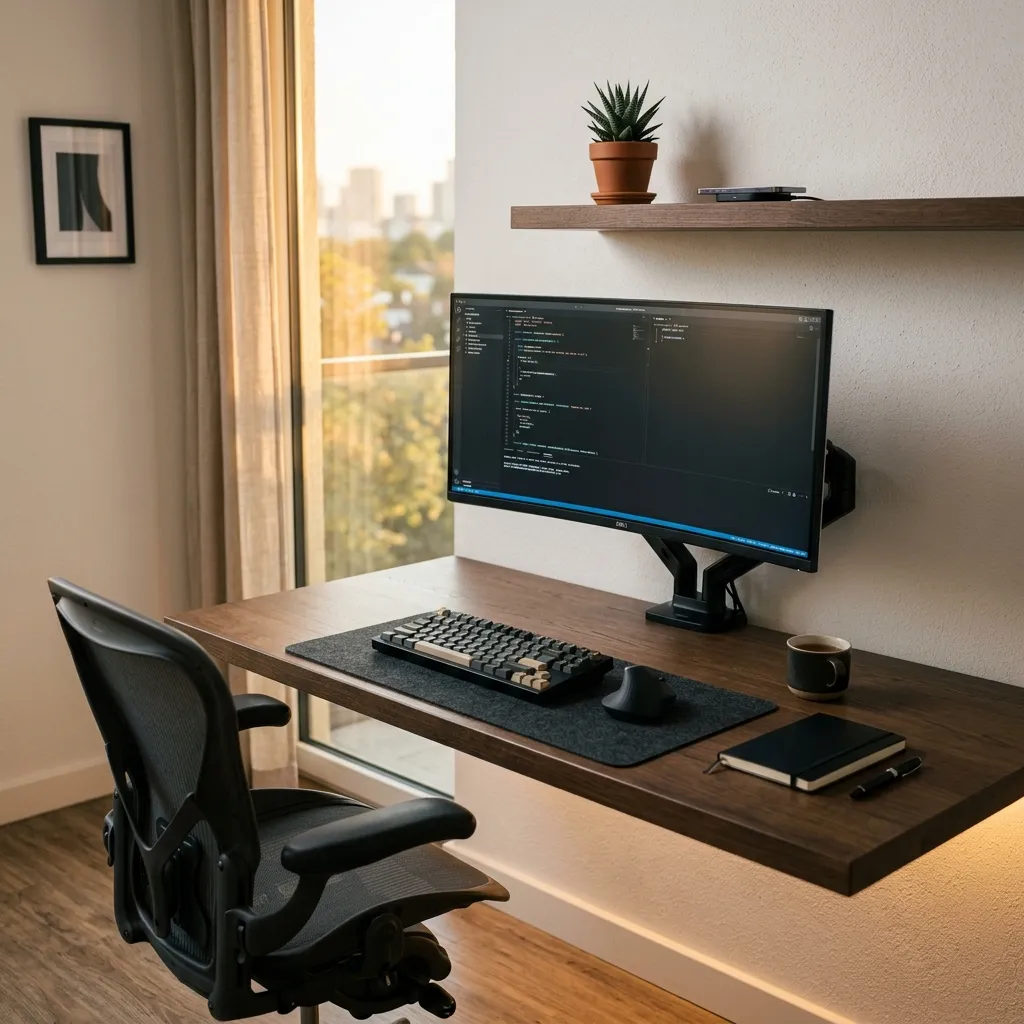
Organizing tech accessories and cables on a pegboard wall panel maximizes space and enhances productivity.
Ergonomics of Pegboard Design
Pegboards promote a customizable layout, allowing for optimal placement of frequently used items within reach. Height adjustments can mitigate strain by ensuring that tools and cables are easily accessible.
Material Considerations
Common pegboard materials include MDF, plywood, and metal, each offering unique durability and aesthetic benefits. Metal pegboards provide superior strength and longevity, while wooden options may complement rustic decor.
Cable Management Techniques
Utilizing cable ties, clips, and sleeves can significantly reduce clutter on pegboards. Color-coding cables enhances visibility and eases identification during setup and maintenance.
Performance of Accessory Holders
Accessory holders designed for pegboards can vary in function, from simple hooks to specialized containers. Evaluating weight capacity and material quality ensures that items remain securely mounted.
Design Aesthetics and Functionality
Combining aesthetics with functionality transforms pegboards into a visually appealing organizational tool. Integrating colors and shapes that match the workspace can enhance motivation and creativity.
| Material | Strength | Weight Capacity | Cost | Ease of Installation |
|---|---|---|---|---|
| MDF | Moderate | 20 lbs | $ | Easy |
| Plywood | High | 50 lbs | $$ | Moderate |
| Metal | Very High | 100 lbs | $$$ | Hard |
DomineTec Tip: Maintain a consistent cable length to reduce tangling and enhance ease of access during use.
- Select a pegboard material that suits the workspace's aesthetic and functional needs.
- Plan the layout by grouping similar accessories and cables for efficient access.
- Install hooks and holders at ergonomic heights to minimize strain during use.
- Use cable management solutions such as clips and sleeves to organize cables effectively.
- Regularly reassess the setup to accommodate new devices and maintain organization.

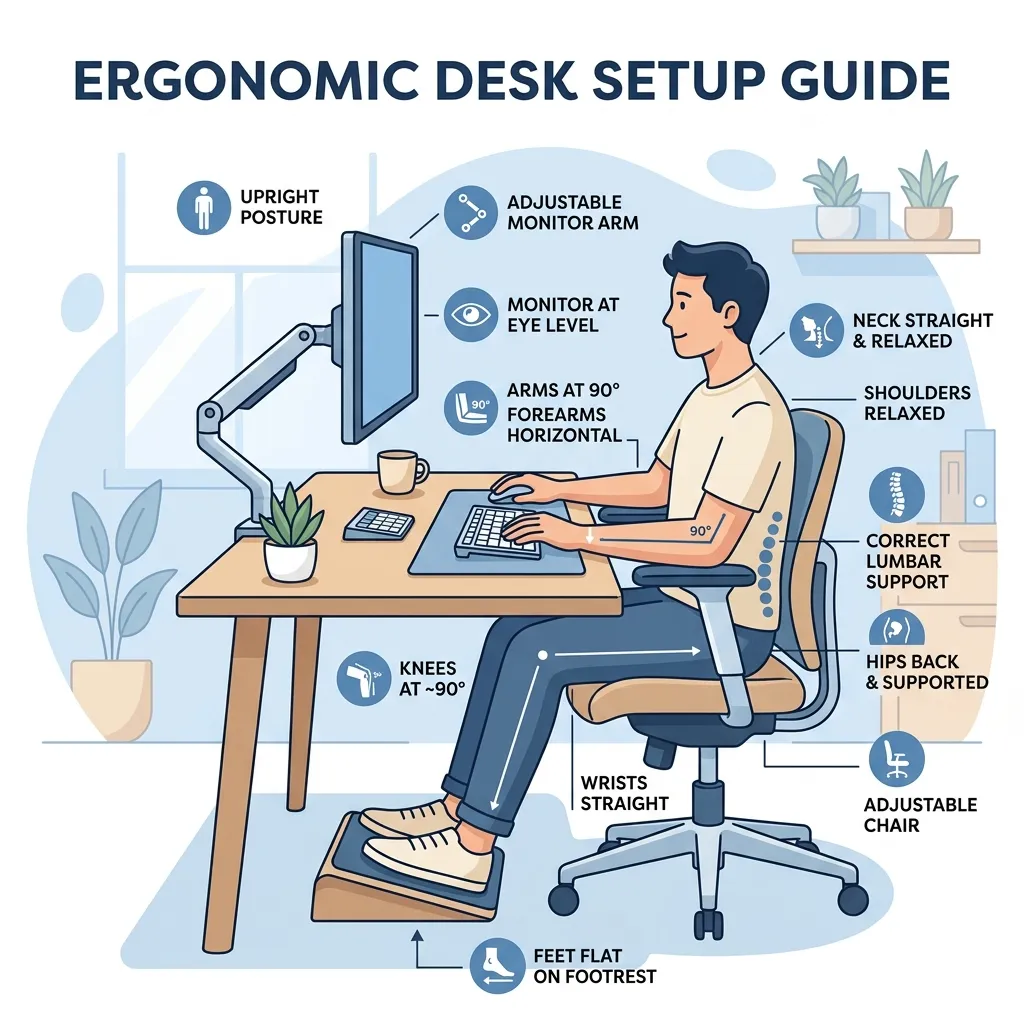
For more ergonomic insights, consider how to choose mechanical keyboard switches and the correct monitor height.
Choosing the Right Hooks and Holders
Selecting the appropriate hooks and holders is crucial for effective organization. Various types of hooks are available, each designed for specific accessories and weights.
Consider factors like the size and shape of the items you intend to hang. For heavier tech accessories, heavy-duty hooks are advisable, while lighter items may only need basic hooks.
Using a combination of hooks and holders can create a dynamic visual display while maximizing space efficiency. This approach not only organizes items but also enhances accessibility.
Incorporating Labels for Easy Identification
Labels can significantly enhance the usability of a pegboard organization system. Clear labeling helps users quickly identify where each accessory belongs, reducing the time spent searching for items.
Consider using a labeling system that fits the aesthetic of your workspace. Options range from simple handwritten tags to more sophisticated printed labels or color-coded stickers.
Regularly updating labels as accessories change is essential for maintaining an effective system. A consistent labeling strategy can streamline the organization process and enhance overall efficiency.
Utilizing Vertical Space Efficiently
Vertical space is often underutilized in organization systems. By maximizing the vertical dimensions of a pegboard, users can create a more spacious and organized area for their tech accessories.
Consider arranging items by frequency of use, placing the most commonly used accessories at eye level. This strategy not only enhances accessibility but also encourages a more efficient workflow.
Incorporating multi-tiered shelves or adjustable brackets can further optimize vertical space. These additions allow for the layering of items, reducing clutter and maintaining an organized appearance.
Color Coding for Enhanced Organization
Color coding is an effective method for organizing tech accessories on a pegboard. By assigning specific colors to different categories of items, users can easily identify and locate accessories.
This technique can be implemented through colored hooks, bins, or labels, creating a visually appealing and functional setup. For instance, blue can denote charging cables, while red could signify headphones.
Incorporating color into the organization also contributes to the overall aesthetics of the workspace. A well-coordinated color scheme can create a harmonious and inviting environment, enhancing the overall user experience.
Implementing a Maintenance Routine
Establishing a maintenance routine is vital for the longevity of an organized pegboard system. Regular checks can help identify any disorganization or damage to the setup.
Schedule periodic reviews of the pegboard to assess the condition of hooks, holders, and labels. This proactive approach ensures that the organization remains effective over time.
Encourage a habit of returning items to their designated spots after use. This practice minimizes clutter and reinforces the organization system, making it easier to maintain.
Integrating DIY Solutions for Customization
DIY solutions can offer a unique and personalized touch to a pegboard organization system. Crafting custom hooks and holders can accommodate specific accessories that may not fit standardized options.
Materials like wood, plastic, or even repurposed items can be transformed into functional organizers. This creativity allows users to tailor their pegboard to suit individual preferences and needs.
Documenting DIY projects can also inspire others to innovate their organization systems, fostering a community of creativity and practical solutions in tech accessory management.
Exploring Modular Systems for Flexibility
Modular pegboard systems offer flexibility and scalability in organizing tech accessories. These systems can be easily reconfigured to adapt to changing needs and preferences.
Investing in modular components that allow for expansion or rearrangement ensures that the organization system remains relevant as accessory collections grow or change.
Choosing a modular approach encourages experimentation with different layouts and configurations. Users can engage in trial and error to discover the most efficient setup for their specific needs.
Benefits of Using a Pegboard for Tech Accessories
Using a pegboard for organizing tech accessories offers numerous advantages, including accessibility and visibility. This type of organization allows users to quickly locate the tools and cables they need, reducing time spent searching.
The open design of a pegboard promotes airflow around cables and devices, helping to prevent overheating. This ventilation is particularly beneficial for electronic accessories that may generate heat during use.
Additionally, pegboards can enhance the aesthetic appeal of a workspace, transforming a cluttered area into a visually organized environment. The ability to customize colors and arrangements allows for personal expression while maintaining functionality.
Choosing the Right Location for Your Pegboard
When selecting a location for your pegboard, consider the proximity to power outlets and work surfaces. This ensures that tech accessories are within easy reach when needed, enhancing efficiency during tasks.
Lighting is another critical factor; a well-lit area will help in quickly identifying items. Avoid dark corners or areas with poor visibility to maximize usability.
Assess the wall space available and ensure it is free from obstructions. A clear wall allows for the most effective layout and usage of the pegboard, creating an organized and functional display.
Incorporating Technology into Your Pegboard Setup
Integrating technology into your pegboard organization can enhance functionality and user experience. Smart devices, such as chargers and power strips, can be mounted directly on the pegboard for convenient access.
Wireless charging pads can also be incorporated, allowing users to charge devices without dealing with tangled cables. This modern approach simplifies the charging process and keeps the workspace tidy.
Consider adding LED strip lights along the edges of the pegboard for improved visibility. These lights can illuminate the workspace, making it easier to find accessories in low light conditions.
Safety Considerations for Pegboard Use
While pegboards are practical, safety should remain a priority when organizing tech accessories. Ensure that heavier items are secured at lower levels to prevent accidents and injuries.
Check the weight capacity of the hooks and holders used on the pegboard. Overloading hooks can lead to breakage and potential damage to both the pegboard and the accessories.
Regularly inspect the setup to ensure that all elements are secure and not causing safety issues. Proper installation techniques should be followed to ensure that the pegboard does not come loose, which could result in injuries or damage to nearby items.
Incorporating Lighting Solutions for Enhanced Visibility
Integrating lighting into a pegboard setup can significantly enhance visibility for tech accessories and cables. LED strip lights are a popular choice due to their flexibility and ease of installation, providing an illuminated workspace that makes locating items simpler.
Positioning lights strategically around the pegboard can illuminate specific sections or highlight frequently used tools. This not only aids in organization but also adds an aesthetic element to the setup, creating a visually appealing workspace.
For optimal effectiveness, consider motion-sensor lights that turn on automatically when someone approaches the pegboard. This feature is especially useful in darker environments or during nighttime use, ensuring that users can always see their accessories clearly.
Maintaining Flexibility with Adjustable Pegboard Accessories
Adjustable accessories on a pegboard allow for easy reconfiguration as tech needs change. Utilizing modular hooks and shelves can help adapt the setup to different devices or accessories without the need for constant replacement.
Investing in removable hooks and holders can also facilitate the organization of accessories that are frequently used. This flexibility allows users to reposition items according to their workflow, making it easier to access tools when needed.
Creating a Themed Organization System
Establishing a themed organization system on your pegboard can enhance both functionality and visual appeal. Choose a theme that aligns with your personal style or workspace aesthetic, such as a minimalist tech look or a vibrant color scheme.
Start by grouping accessories and cables based on their purpose or type, such as charging cables, headphones, and tools. Use specific colors or styles of hooks and holders that match your theme to maintain a unified look.
Incorporating themed labels can further enhance organization and clarity. Use fonts and colors that align with your theme, ensuring that labels are easily readable.
Maximizing Functionality with Multi-Purpose Accessories
Multi-purpose accessories can significantly increase the functionality of your pegboard setup. Look for holders that can accommodate multiple items, such as a combined shelf for small devices and a charging station.
Utilizing adjustable and modular components can further enhance functionality. This flexibility allows for easy reconfiguration based on changing needs, ensuring that your pegboard remains practical as your collection of tech accessories evolves.
Advanced Cable Testing and Troubleshooting Techniques
When managing tech accessories and cables on a pegboard wall panel, understanding advanced cable testing techniques is crucial for ensuring optimal performance. The first step involves using a multimeter to measure continuity and resistance in cables, allowing for the identification of damaged segments that may impair functionality.
To conduct a continuity test, connect the multimeter leads to either end of the cable. A reading of zero ohms indicates a good connection, while a significantly higher reading or infinite resistance suggests a break in the cable.
Additionally, utilizing a cable tester can streamline the troubleshooting process. These devices can verify the integrity of network cables by sending signals through each wire, providing immediate feedback on pinouts and any potential shorts or opens.
Should a cable fail the testing process, it is essential to evaluate the connectors. Inspect for corrosion, bent pins, or loose soldering, and replace connectors as necessary to restore functionality.
Implementing Security Measures for Tech Accessories on Pegboards
Securing tech accessories on a pegboard wall panel is an essential practice to prevent theft and ensure safe storage. One effective method is to use lockable containers or boxes, particularly for expensive items like external hard drives or portable devices.
These lockable solutions can be mounted directly to the pegboard, providing both protection and accessibility. For items that do not require full enclosure, consider using cable locks that can secure individual accessories to the pegboard.
In addition to physical security measures, digital security is paramount. Implementing password protection and encryption on devices stored on the pegboard ensures that even if physical theft occurs, data remains protected.
Regular audits of tech accessories and their associated security measures can further bolster safety. Keeping an inventory list and checking it against physical items on the pegboard can help identify any discrepancies or potential security breaches.
Advanced Troubleshooting Techniques for Cable Issues
Troubleshooting cable issues requires a systematic approach to identify and resolve connectivity problems effectively. The first step is to visually inspect the cables for any signs of physical damage, such as fraying or bent connectors, which can lead to intermittent connectivity.
Next, utilize a multimeter to check for continuity within the cable. This involves setting the multimeter to the continuity setting and testing both ends of the cable, ensuring that there is an unbroken connection throughout the wire.
If the cable passes the continuity test but still does not function correctly, it may be beneficial to test the equipment it connects to. Plugging the cable into a known working device can help determine if the issue lies within the cable or the connected hardware.
For more complex issues, employing a cable tester can provide comprehensive diagnostics. These devices can identify problems such as cross-talk, open circuits, and shorts, allowing for a more targeted approach to repairs or replacements.
In cases where data transmission is involved, monitoring software may be necessary to evaluate signal integrity. Utilizing software tools such as Wireshark can help analyze packet loss or latency issues over the network, further isolating the source of the problem.
Documentation of common issues and their resolutions can also serve as a valuable resource for future troubleshooting. Creating a log of problems encountered with specific cables and the steps taken to resolve them can streamline the process for anyone facing similar challenges.
Implementing Advanced Security Protocols for Tech Accessories
As tech accessories become increasingly integral to daily operations, implementing advanced security protocols is essential to safeguard them. One effective method is to utilize cable locks, which can physically secure devices to the pegboard, deterring theft through visible deterrence.
Incorporating RFID tags into the organization system offers an additional layer of security. These tags can be scanned to track the location and status of each accessory, providing real-time data on which items are in use and which remain secured.
Establishing user access controls for sensitive tech accessories may also be necessary, especially in shared environments. Implementing a check-in/check-out system can help monitor who accesses specific equipment, maintaining accountability and reducing the risk of unauthorized usage.
Regularly updating software and firmware on connected devices ensures that known vulnerabilities are patched. This proactive approach helps to mitigate risks associated with cyber threats that could exploit unsecured tech accessories.
Additionally, employing network access controls can limit which devices can connect to the network, restricting access to only authorized equipment. Tools like MAC address filtering can help enforce these controls effectively.
Lastly, conducting periodic security audits can identify potential weaknesses in the setup. This can involve reviewing the physical security measures in place as well as assessing the effectiveness of the digital security protocols implemented.
Frequently Asked Questions
What are the best materials for a pegboard?
MDF, plywood, and metal are popular choices, each with distinct advantages in durability and weight capacity.
How can cable management be improved?
Using clips, ties, and color-coded sleeves can significantly enhance cable organization and accessibility.
Are there ergonomic standards for pegboard height?
Yes, pegboards should be installed at a height that allows easy access without causing strain or discomfort.
What types of accessories can be hung on pegboards?
Items such as tools, chargers, and small containers are ideal for pegboard organization, keeping the workspace tidy.
How often should the pegboard setup be reorganized?
Reassessment should occur whenever new accessories are added or if existing ones become underutilized.




