MDF vs Solid Wood Desktop: Which Resists Monitor Arm Clamp Damage Better?
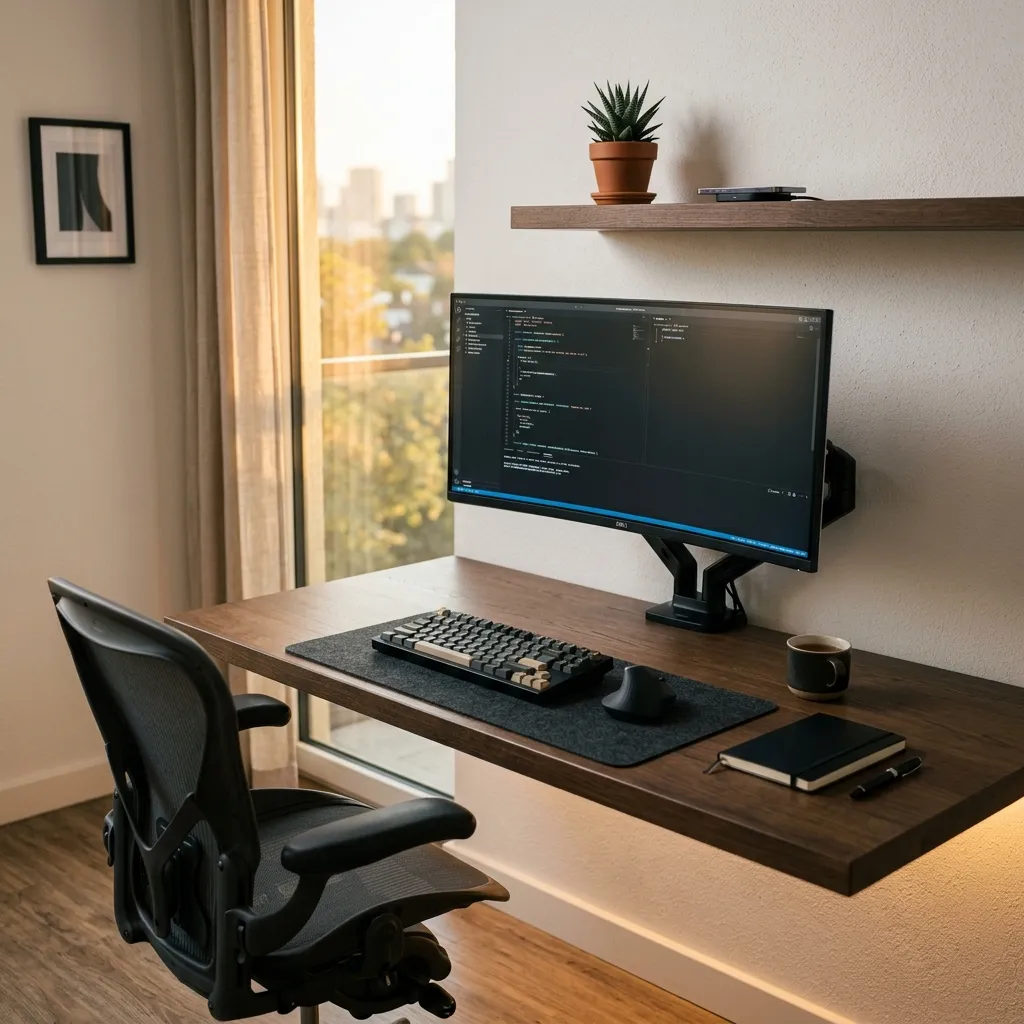
Solid wood desktops generally resist monitor arm clamp damage better than MDF due to their durability and strength.
Material Composition and Durability
Solid wood is derived from natural trees, providing superior strength and longevity, while MDF (Medium Density Fiberboard) is engineered from wood fibers and resins.
This fundamental difference in composition results in solid wood's higher resistance to wear and tear compared to MDF, which can be prone to damage from heavy clamping forces.
Weight Bearing Capacity
The weight-bearing capacity of solid wood desktops typically ranges from 300 to 500 lbs, depending on the species and thickness.
MDF, however, shows a lower capacity, averaging around 150 to 250 lbs, making it less suitable for heavy monitor setups.
Ergonomics and User Comfort
Solid wood desktops offer a more stable surface, contributing to an ergonomic workspace that minimizes vibrations from typing or mouse movements.
MDF may flex under pressure, potentially leading to discomfort during prolonged use, particularly when supporting equipment like monitor arms.
Surface Finish and Aesthetics
Solid wood can be sanded and refinished, allowing for a variety of aesthetic options and maintenance over time.
MDF, often finished with veneers, can look attractive but lacks the longevity and repairability of solid wood surfaces.
Environmental Impact and Sustainability
Solid wood is a renewable resource when sourced sustainably, while MDF production involves adhesives that can release VOCs (volatile organic compounds).
Choosing solid wood may align better with environmentally conscious consumers seeking sustainable office solutions.
| Feature | Solid Wood | MDF |
|---|---|---|
| Durability | High | Moderate |
| Weight Capacity | 300-500 lbs | 150-250 lbs |
| Surface Finish | Refinishable | Veneer |
| Flexibility | Rigid | Flexible |
| Environmental Impact | Sustainable | Higher VOCs |
DomineTec Tip: Ensure monitor arms are mounted to desktops with appropriate weight limits for optimal support and stability.
- Assess the weight of the monitor and any additional equipment.
- Choose a desktop material that matches the weight requirements.
- Consider ergonomic solutions, like adjustable monitor arms.
- Regularly check clamp integrity to prevent damage.
- Maintain the desktop's surface to prolong its lifespan and appearance.
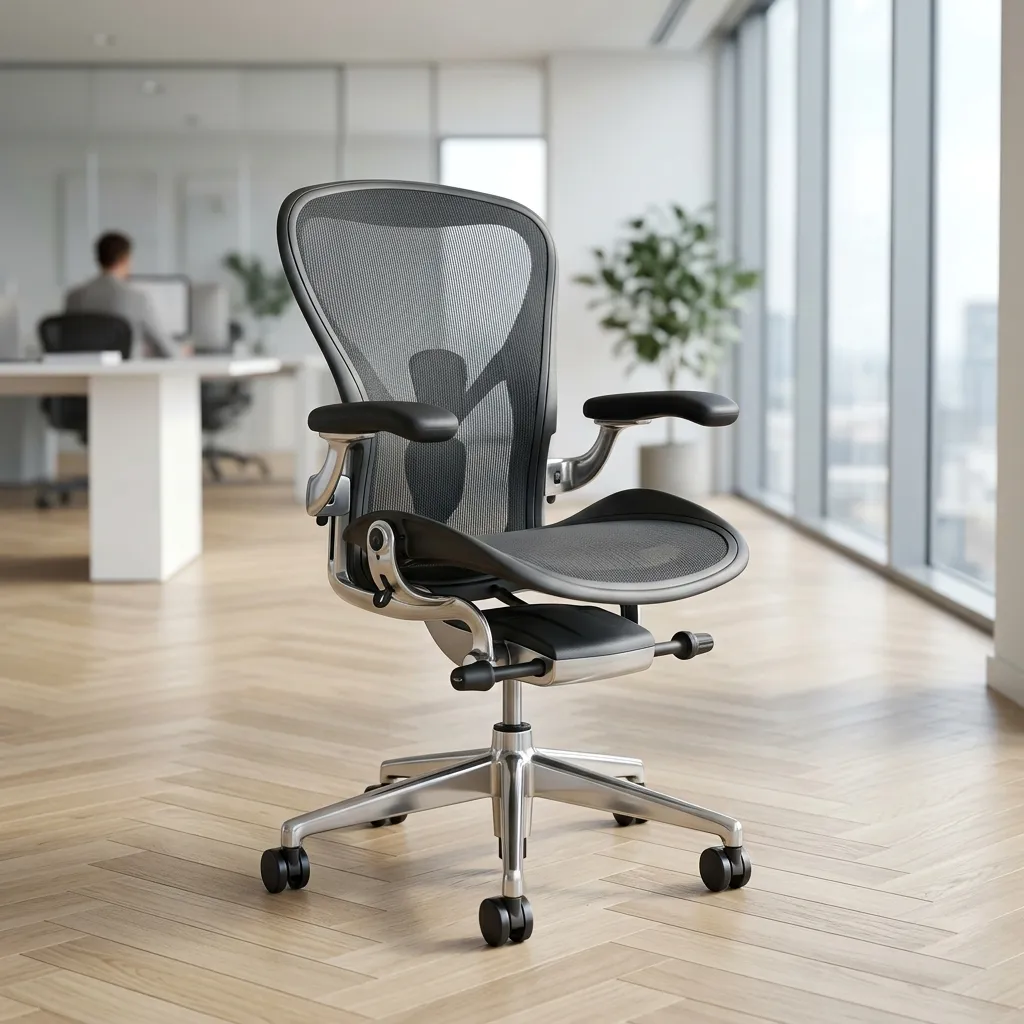
For improved typing experience, consider how to choose mechanical keyboard switches.
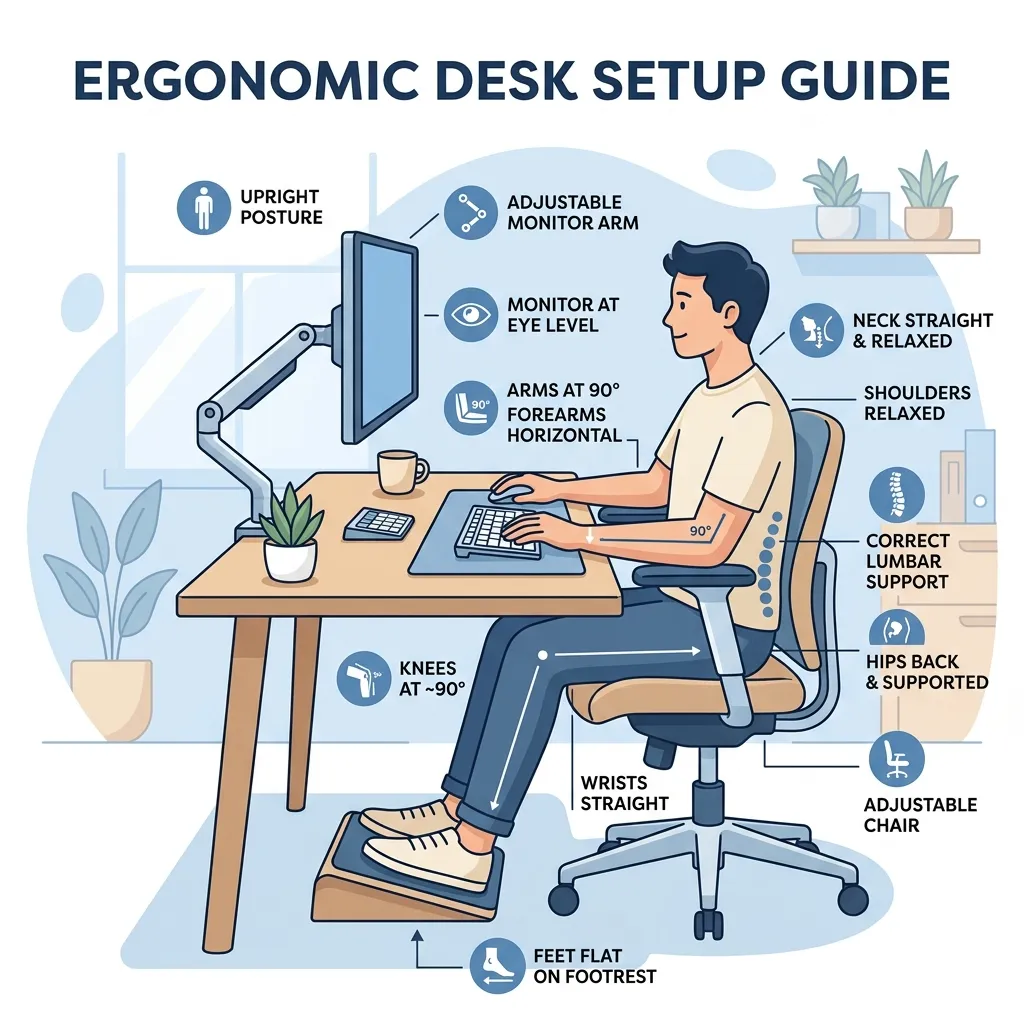
To enhance viewing comfort, ensure to correct monitor height.
Cost Considerations and Value for Money
When evaluating MDF and solid wood for desktop use, cost is a significant factor. MDF is generally less expensive than solid wood, making it an attractive option for budget-conscious consumers.
However, the initial price does not always reflect the long-term value. Solid wood desktops may require a higher upfront investment but often provide better longevity and durability over time.
Consider the total cost of ownership, including maintenance and potential replacement. Solid wood may offer better value due to its resilience against wear and tear.
In contrast, MDF may need to be replaced more frequently, especially if subjected to stress from monitor arm clamps, leading to additional costs over time.
Maintenance Requirements
The maintenance required for MDF versus solid wood is an essential aspect to consider. MDF surfaces are easier to clean and typically only require a damp cloth to maintain their appearance.
On the other hand, solid wood desktops may need periodic oiling or varnishing to maintain their finish and prevent damage from moisture.
Understanding the maintenance routine for each material can significantly impact decision-making, especially for users who prefer low-maintenance solutions.
Resistance to Environmental Factors
Environmental factors such as humidity and temperature fluctuations can affect the performance of desktops made from MDF and solid wood. MDF is generally more stable in varying humidity conditions but can swell if exposed to excessive moisture.
Solid wood, while naturally resilient, can warp or crack if not properly conditioned and maintained, particularly in extreme environments.
Users in humid climates may find MDF a more reliable option, while those in controlled environments may prefer the aesthetic and tactile qualities of solid wood.
Customizability and Modifications
Customizability is a crucial factor for many users when selecting a desktop material. Solid wood offers a wide range of options for customization, including different finishes, stains, and shapes.
Users can easily modify solid wood to accommodate specific needs, such as cutting or drilling for cable management or monitor arm clamping.
MDF, while more uniform, may not hold up as well to modifications. Attempts to drill or cut MDF can lead to chipping and damage, particularly around edges.
Noise and Vibration Dampening
Noise and vibration dampening characteristics can influence the user experience of a desktop material. Solid wood tends to absorb sound better than MDF, making it a quieter option in active environments.
This acoustic property can enhance focus and concentration, particularly in home offices or shared workspaces.
MDF, while it may not contribute as effectively to sound absorption, can still provide adequate noise reduction depending on its density and thickness.
Longevity and Lifespan
The longevity and lifespan of a desktop material play a critical role in the overall investment. Solid wood is known for its durability, often lasting for decades with proper care.
MDF, while providing decent service, may have a shorter lifespan due to its susceptibility to damage from moisture and physical stress.
Users should consider their long-term plans for the workspace. If longevity is a priority, solid wood is usually the superior choice.
Resale Value and Market Demand
Resale value is an important consideration for many consumers when purchasing furniture. Solid wood typically retains its value better than MDF due to its perceived quality and craftsmanship.
The market demand for solid wood furniture remains high, as many consumers prefer its natural look and durability.
MDF, while functional, is often viewed as a budget option and may depreciate more quickly in resale scenarios.
Installation and Setup Complexity
When considering the installation of monitor arms on desktops, the complexity of setup can vary significantly between MDF and solid wood. MDF, being a manufactured material, often comes with pre-drilled holes, making it easier to attach hardware accurately without the need for additional tools.
In contrast, solid wood may require more precise drilling, especially if the wood grain is dense or if the desktop is particularly thick. This can lead to complications during installation, potentially causing damage to the wood if not done correctly.
The time and effort involved in the installation process can also affect user experience. MDF’s straightforward setup may appeal to those looking for a quick and hassle-free installation, while the solid wood option could deter users who are not experienced in DIY tasks.
Impact on Cable Management
Cable management is a critical consideration in modern workspaces, especially for users with multiple devices. The design of the desktop can affect how easily cables can be organized and concealed. MDF desktops often have the advantage of allowing for routing channels or grommets to be integrated, enabling effective cable management.
On the other hand, solid wood may not offer the same level of flexibility in design. While it can be aesthetically pleasing, the natural grain and thickness of solid wood can limit options for cable routing, leading to a cluttered appearance.
Resistance to Scratches and Dents
The susceptibility of desktop materials to scratches and dents is an important factor in their overall longevity and appearance. MDF is known for its smooth surface, which can resist minor scratches better than solid wood, especially when treated with a protective finish.
However, MDF can be more prone to surface damage if exposed to moisture or heavy impacts, leading to swelling or crumbling. Solid wood, while aesthetically appealing, can develop dents and scratches over time, particularly in high-use areas.
Compatibility with Accessories
Another important consideration when comparing MDF and solid wood desktops is their compatibility with various accessories, such as monitor arms, keyboard trays, and other ergonomic tools. Both materials can support standard accessories, but their structural properties can affect the overall effectiveness and stability.
MDF’s uniform density allows for consistent support across the entire surface, making it an ideal candidate for mounting accessories that require stability. Solid wood, while robust, may have variances in density due to its natural grain, potentially leading to uneven support for certain accessories.
Impact on Workplace Aesthetics
The choice between MDF and solid wood desktops can significantly influence the overall aesthetics of a workspace. Solid wood often provides a classic, timeless look that can enhance the visual appeal of any office environment.
MDF, while available in various finishes, typically presents a more modern and uniform appearance, making it suitable for contemporary office designs.
Thermal Conductivity and Temperature Sensitivity
Thermal conductivity is an often-overlooked factor when comparing MDF and solid wood desktops. Solid wood has lower thermal conductivity, meaning it is less likely to transfer heat quickly, which can be beneficial in environments where electronics generate heat.
MDF, on the other hand, can be more susceptible to temperature fluctuations, potentially leading to warping or changes in the material's integrity over time.
Resistance to Water and Moisture
When evaluating the resistance of MDF and solid wood desktops to water and moisture, it is essential to understand the inherent properties of each material. MDF is more susceptible to water damage compared to solid wood, which has a natural resistance to moisture due to its cellular structure.
Solid wood, particularly hardwoods, offers better resilience against water exposure, provided it is properly sealed.
Impact on Sound Quality in Audio-Visual Setups
The choice of desktop material can significantly affect sound quality in audio-visual setups, particularly when using sensitive equipment like speakers and microphones. MDF is often favored in the audio industry due to its density and ability to dampen vibrations.
In contrast, solid wood can produce a richer and warmer sound due to its natural acoustic properties.
Structural Integrity and Failure Modes
The structural integrity of a desktop is critical when considering the stress exerted by monitor arm clamps. Both MDF and solid wood exhibit unique failure modes that can affect their ability to withstand these stresses over time.
MDF, being a composite material composed of wood fibers, adhesives, and resins, tends to distribute stress more uniformly across its surface. However, under excessive load or impact, it can experience delamination or crumbling, particularly at the edges where clamps are applied.
Solid wood, on the other hand, has inherent grain patterns that can lead to localized stress points. If a monitor arm clamp is attached improperly or too tightly, it can cause splitting or cracking along the grain, compromising the integrity of the desktop.
When evaluating resistance to monitor arm clamp damage, it is crucial to consider the intended application and weight of the monitors being used. Careful assessments of load distribution and the specific type of wood can provide insights into potential failure points.
Load Distribution and Clamp Pressure Management
Understanding load distribution is essential when mounting a monitor arm to either an MDF or solid wood desktop. The way pressure is applied by the clamp can significantly impact the longevity and performance of the desktop material.
In the case of MDF, the surface area of the clamp needs to be optimized to minimize concentrated pressure points. Using rubber pads or wide clamp surfaces can help distribute the load effectively, reducing the risk of indentation or breakage.
For solid wood desktops, the natural variances in grain density and direction necessitate careful placement of clamps. It is advisable to position clamps where the wood is most resilient, typically along the denser parts of the grain, to mitigate the chances of splitting.
Periodic inspection of the attached monitor arms and the surrounding desktop area is recommended to assess for any signs of wear or stress. Adjustments may need to be made, such as repositioning the clamps or modifying the mounting technique to ensure continued stability and performance.
Clamp Pressure Distribution and Material Response
Understanding how clamp pressure is distributed across different materials is crucial for evaluating the long-term effects of monitor arm clamps on desktop surfaces. When a clamp is applied, it exerts localized pressure that can lead to deformation or damage if not managed properly.
In solid wood desktops, the natural grain structure allows for some flexibility, which can help in distributing the pressure more evenly across the surface. However, if the clamp is excessively tightened, it may cause a compressive failure, leading to cracking or splitting.
On the other hand, MDF (Medium Density Fiberboard) has a more uniform density, which can offer a different response to clamp pressure. Although it is less prone to splitting, it can suffer from surface crushing if the clamp pressure exceeds its compressive strength.
Best practices include using rubber pads or washers between the clamp and the desktop surface to help distribute the load and prevent localized damage. Regularly checking clamp tightness can also mitigate the risks associated with excessive pressure, ensuring the integrity of the desktop over time.
Monitor Arm Compatibility and Adjustment Mechanisms
The compatibility of monitor arms with various desktop materials plays a significant role in ensuring stability and functionality. Different monitor arms feature various mounting mechanisms, which can affect how well they grip the surface of solid wood versus MDF.
Solid wood desktops often provide a more secure grip due to their inherent strength and stability, especially when using clamp mechanisms designed for heavier loads. However, it is critical to ensure that the clamp is not over-tightened, as this can damage the wood grain.
MDF, while generally easier to manipulate due to its lightweight nature, may require special consideration regarding clamp design. Some monitor arms may require additional support or modified clamps to prevent slippage or damage to the material.
Adjusting the monitor arm to suit the specific properties of the desktop material can significantly enhance performance. Ensuring that the arm is properly aligned and that the mounting hardware is compatible with the material will help in preventing potential failures and maintaining an ergonomic workspace.
Frequently Asked Questions
What is the main advantage of solid wood over MDF for desktops?
Solid wood offers superior durability and weight capacity, making it a better choice for heavy equipment.
Can MDF be used for heavy monitor setups?
MDF can be used, but it is advisable to limit the weight to prevent potential damage to the material.
How does the environmental impact differ between MDF and solid wood?
Solid wood is more sustainable and renewable, whereas MDF may release harmful VOCs during production.
Is it possible to repair scratches on MDF desktops?
Minor scratches can be filled, but significant damage may require replacement, unlike solid wood which can be sanded down.
What thickness is recommended for solid wood desktops?
A thickness of 1 to 1.5 inches is generally recommended for optimal strength and stability.




