Do Leather Wrist Rests for Mechanical Keyboards Prevent Tendonitis?

Leather wrist rests for mechanical keyboards may alleviate discomfort but are not guaranteed to prevent tendonitis.
Ergonomic Benefits of Leather Wrist Rests
Leather wrist rests provide a cushioning effect that helps maintain a neutral wrist position during typing. This alignment can reduce strain on tendons and muscles.
Materials and Their Impact
Typically constructed from high-quality leather, foam, or gel, these wrist rests offer varying levels of support and durability. The choice of material can significantly affect comfort and longevity.
Performance During Extended Use
Users often report improved typing performance with wrist rests, as they promote a more natural hand position. This can result in less fatigue during long sessions of keyboard use.
Design Features to Consider
Look for wrist rests with a non-slip base and appropriate height to ensure stability. A soft, contoured design can also enhance comfort and support.
Comparative Analysis of Popular Brands
| Brand | Material | Height | Cushioning | Price Range (USD) |
|---|---|---|---|---|
| HyperX | Leatherette | 1.5 inches | Medium | $20-$25 |
| Kensington | Gel | 1 inch | High | $15-$20 |
| 3M | Memory Foam | 1 inch | Soft | $30-$35 |
| Razer | Leatherette | 1.5 inches | Medium | $25-$30 |
| Logitech | Fabric | 1.5 inches | Medium | $20-$28 |
DomineTec Tip: Maintain an ergonomic setup by adjusting your chair height and monitor position to minimize wrist strain.
- Choose a wrist rest that matches your keyboard height.
- Ensure the wrist rest surface is made of a comfortable, breathable material.
- Position the wrist rest so that your wrists remain straight while typing.
- Take regular breaks to stretch your hands and wrists during long typing sessions.
- Consider using an ergonomic keyboard to further reduce strain.
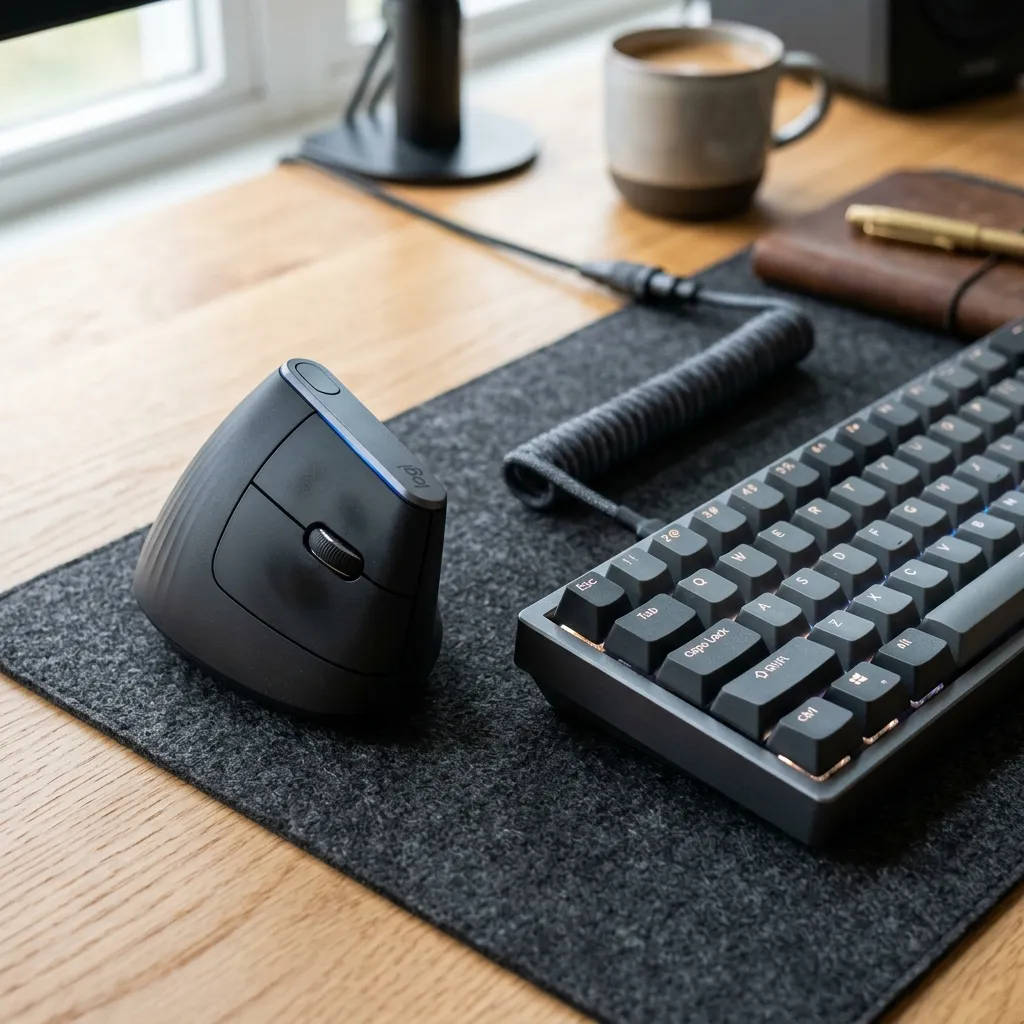

For optimal workspace ergonomics, refer to this guide on correct monitor height and explore how to choose mechanical keyboard switches.
Impact of Keyboard Height on Wrist Health
The height of a mechanical keyboard plays a crucial role in wrist positioning and overall comfort. A keyboard that is too high can lead to awkward wrist angles, increasing the risk of tendonitis.
Adjusting the keyboard height to match the user's natural wrist level can alleviate undue stress. This adjustment may be achieved through the use of adjustable stands or by modifying the desk height.
In conjunction with wrist rests, maintaining an optimal keyboard height provides a holistic approach to ergonomics. Users should assess their workstation setup regularly to ensure it meets ergonomic standards.
Proper keyboard height, combined with wrist rests, can create a more comfortable typing experience, potentially reducing the risk of repetitive strain injuries.
The Role of Typing Technique
Typing technique significantly influences wrist health and the potential development of tendonitis. Poor typing habits can exacerbate strain on the wrists, regardless of the type of wrist rest used.
Focusing on relaxed fingers and light keystrokes can help minimize wrist stress. Training in proper typing posture can be beneficial for long-term wrist health.
Incorporating periodic breaks during extended typing sessions is also essential. These breaks allow for stretching and rest, reducing the cumulative strain on the hands and wrists.
Ultimately, educating users on correct typing techniques can complement the use of leather wrist rests in preventing tendonitis effectively.
Additional Accessories for Enhanced Ergonomics
In addition to leather wrist rests, other ergonomic accessories can contribute to wrist health. These include keyboard trays, ergonomic mice, and adjustable chairs.
Keyboard trays can help position the keyboard at an optimal angle, while ergonomic mice reduce wrist strain during prolonged use. Each accessory should be tailored to individual user needs.
Combining multiple ergonomic solutions can create a more comprehensive approach to workstation setup. Users are encouraged to experiment with various accessories to find the perfect combination for their comfort.
By integrating these accessories with leather wrist rests, users can create a more supportive environment, potentially reducing the risk of developing tendonitis.
The Influence of Hand Size and Grip Style
Hand size and grip style are critical factors in determining the effectiveness of leather wrist rests. Individuals with larger hands may require additional support to accommodate their natural grip.
Wrist rests that are too narrow or low in profile may not provide sufficient support for all users. It is essential to choose wrist rests that align with individual hand dimensions.
Different grip styles, such as palm vs. fingertip typing, can also impact wrist strain. Understanding one's grip style can help in selecting the right wrist rest for optimal comfort.
Overall, personalized wrist rest options can enhance typing ergonomics, making it vital for users to consider their unique hand characteristics when choosing a product.
Long-Term Effects of Wrist Rest Usage
Understanding the long-term effects of using leather wrist rests is crucial for assessing their value. While they may provide immediate comfort, their long-term impact on wrist health must be evaluated.
Regular use of wrist rests can promote better wrist alignment over time. This alignment may reduce the risk of developing chronic conditions such as tendonitis.
However, reliance on wrist rests without addressing other ergonomic factors could lead to complacency. Users should remain vigilant in maintaining proper typing posture and workstation ergonomics.
Long-term studies on wrist rest usage can provide insights into their effectiveness in preventing wrist injuries and improving overall typing comfort.
Psychological Aspects of Ergonomics
The psychological component of ergonomics should not be overlooked. A comfortable typing environment can significantly influence productivity and overall well-being.
Users who experience discomfort while typing may develop anxiety or stress related to their work. This emotional response can further exacerbate physical tension in the wrists.
Leather wrist rests, by providing a comfortable typing surface, can help alleviate some of this psychological discomfort. A positive typing experience can lead to increased focus and productivity.
Incorporating ergonomic solutions such as wrist rests is not only about physical well-being but also about fostering a conducive work environment.
Future Trends in Ergonomic Accessories
The landscape of ergonomic accessories is continually evolving, with new designs and technologies emerging. Future wrist rests may incorporate smart technology to monitor user posture and provide real-time feedback.
Advancements in materials may also lead to more breathable and adaptive wrist rests. These innovations aim to enhance comfort while maintaining support during extended use.
As awareness of workplace ergonomics increases, manufacturers are likely to focus on personalized solutions. Customizable wrist rests that cater to individual user preferences may become more prevalent.
Staying informed about these trends can help users make educated choices when selecting ergonomic accessories, ultimately enhancing wrist health and comfort.
Impact of Surface Texture on Comfort and Support
The surface texture of leather wrist rests significantly influences user comfort and support. A smooth finish may offer ease of movement, while a textured surface can enhance grip and reduce slipping during use.
Different textures can create varying levels of friction, affecting how the wrist interacts with the rest. Users often prefer a balance between smoothness for glide and enough texture to prevent unwanted movement.
Additionally, the tactile sensation of the wrist rest can contribute to user satisfaction. A pleasant texture may encourage longer typing sessions, indirectly supporting ergonomics by promoting a more relaxed wrist position.
Ultimately, selecting a wrist rest with a suitable surface texture can lead to improved typing posture and reduce the likelihood of discomfort over time.
Maintenance and Care for Leather Wrist Rests
Proper maintenance of leather wrist rests is essential for longevity and hygiene. Regular cleaning can prevent the buildup of dirt and oils, which may degrade the material and affect its comfort.
Using a damp cloth with a mild cleaner is recommended for routine maintenance, while avoiding harsh chemicals that could damage the leather. Additionally, conditioning the leather periodically can help maintain its suppleness and prevent cracking.
Users should also be mindful of how their wrist rests are stored when not in use. Keeping them in a dry, cool place can prevent warping and deterioration due to environmental factors.
By investing time in the care of leather wrist rests, users can ensure that they remain effective ergonomic tools over the long term.
Economic Considerations of Leather Wrist Rests
The cost of leather wrist rests can vary significantly, influenced by factors such as brand reputation, craftsmanship, and material quality. While high-end options may seem expensive, they often provide better durability and comfort.
Investing in a quality wrist rest may lead to long-term savings by potentially reducing healthcare costs associated with repetitive strain injuries. Ergonomic accessories can be a proactive measure in preventing discomfort and promoting productivity.
Moreover, the lifespan of leather wrist rests can make them a cost-effective choice. High-quality leather can withstand daily wear and tear, providing value for money compared to cheaper alternatives that may need frequent replacement.
Ultimately, evaluating the economic factors involved in purchasing a leather wrist rest requires balancing initial costs with potential long-term benefits to health and productivity.
The Role of Personal Preferences in Ergonomic Choices
Individual preferences play a crucial role in the selection of ergonomic accessories, including leather wrist rests. Factors such as personal comfort, aesthetic appeal, and tactile preferences can influence the decision-making process.
Users may find that specific colors, designs, or textures resonate more with their style, impacting their overall satisfaction and likelihood of consistent use. A wrist rest that aligns with personal aesthetics can encourage a more engaging typing experience.
Moreover, personal experiences with discomfort or injury can shape preferences for firmness and support in wrist rests. Users often gravitate towards options that have previously alleviated their discomfort, reinforcing the need for personalized ergonomic solutions.
Recognizing the importance of personal preferences can enhance the effectiveness of ergonomic interventions and lead to improved typing habits and overall well-being.
Understanding the Science Behind Tendonitis
Tendonitis is a condition characterized by inflammation of a tendon, often caused by repetitive motion or excessive strain on the muscles and tendons involved in an activity. In the context of typing and keyboard use, this condition may arise from sustained wrist positions or improper ergonomics that place undue stress on the wrist and forearm muscles.
Research indicates that the repetitive motion of typing can lead to microtrauma in the tendons of the wrist, which may result in inflammation and pain. This is especially true for individuals who spend long hours typing without adequate breaks or ergonomic support. Understanding the mechanisms of tendonitis is vital for developing strategies to prevent it, including the use of wrist rests.
Wrist rests, particularly those made from materials like leather, provide a soft barrier that can help maintain a neutral wrist position. This can decrease the likelihood of strain and promote better blood circulation in the wrist area. However, it is crucial to use them correctly to avoid creating additional pressure points that may exacerbate the condition.
Studies on upper extremity disorders suggest that ergonomic interventions, including the use of wrist rests, can lead to significant improvements in comfort and reductions in pain levels. However, these benefits are not universal and may vary based on individual anatomy, typing habits, and the specific design of the wrist rest used.
Integrating Movement and Breaks into Typing Routines
In addition to using wrist rests, integrating regular movement and breaks into typing routines is essential for preventing tendonitis. Prolonged periods of static positioning can lead to stiffness and strain, making it crucial to incorporate intervals of movement throughout the day.
Experts recommend the 20-20-20 rule, which suggests taking a break every 20 minutes to look at something 20 feet away for 20 seconds. This principle can also be applied to wrist health by encouraging users to stretch their wrists and fingers at regular intervals. Simple exercises, such as wrist rotations and finger stretches, can help alleviate tension and improve circulation.
Moreover, ergonomic experts emphasize the importance of alternating between different tasks that require varied hand movements. This strategy can help distribute the workload across different muscle groups, reducing the likelihood of overuse injuries like tendonitis. Engaging in activities such as using a mouse, writing, or even resting can provide relief from continuous typing.
Creating a structured routine that includes these movements and breaks, along with the use of ergonomic accessories, can significantly enhance overall comfort and reduce the risk of developing tendonitis. Balancing the use of wrist rests with active engagement of the hand and wrist can be a key factor in maintaining long-term wrist health.
Assessing the Impact of Typing Speed on Ergonomic Needs
Typing speed can significantly influence the ergonomic requirements of a user, particularly when considering the use of wrist rests. Individuals who type rapidly may adopt less than optimal hand positions, which can lead to increased strain on the wrists.
Fast typists often develop a unique rhythm and style that may not prioritize ergonomic principles. As speed increases, the likelihood of improper wrist alignment rises, potentially exacerbating tension and discomfort. Leather wrist rests may provide necessary cushioning, but their effectiveness can diminish if the underlying typing technique does not promote proper posture.
Furthermore, the relationship between typing speed and fatigue can lead to erratic movements. Users may not remain aware of their hand positioning, which could result in overreaching or collapsing the wrists. In such cases, leather wrist rests can serve as a physical reminder to maintain a neutral wrist position, helping to mitigate the risk of developing repetitive strain injuries.
Ultimately, understanding the impact of typing speed on ergonomic needs is essential for individuals seeking to prevent tendonitis. Users should balance their desire for speed with the need for proper form, ensuring that any ergonomic accessories, including wrist rests, are utilized effectively to promote long-term health.
The Importance of Customization in Ergonomic Solutions
Customization plays a crucial role in achieving optimal ergonomic benefits from leather wrist rests. Each user has unique physical characteristics and preferences that can affect how well a wrist rest can alleviate discomfort and prevent injuries. A one-size-fits-all approach may not address the specific needs of every typist.
For instance, individuals with larger hands may require a thicker wrist rest to provide adequate support, while those with smaller hands might benefit from a lower profile. Customization allows users to select wrist rests that align better with their anatomy, thereby enhancing comfort and reducing the risk of tendonitis.
Additionally, the ability to modify the surface texture and firmness of wrist rests can further improve their effectiveness. Some users may prefer a softer feel, while others might benefit from a firmer support structure. This choice can significantly influence how well the wrist rest accommodates individual typing styles and preferences.
Incorporating customizable features into ergonomic solutions not only enhances user satisfaction but also promotes long-term adherence to ergonomic practices. By tailoring wrist rests to fit personal needs, users are more likely to maintain healthy typing habits, ultimately reducing the risk of tendonitis and other related issues.
Frequently Asked Questions
Do wrist rests really help with tendonitis?
While wrist rests can provide support, they do not guarantee prevention of tendonitis; proper ergonomics are essential.




