JBL Wave 100TWS Only One Earbud Working? How to Reset and Pair

Understanding the JBL Wave 100TWS: Definitions and Importance
The JBL Wave 100TWS is a popular model within JBL's lineup of true wireless earbuds, designed to deliver high-quality sound and convenience. These earbuds come equipped with Bluetooth technology, allowing for seamless connectivity with various devices, including smartphones, tablets, and laptops. However, issues such as one earbud not working can arise due to various reasons, including physical damage, connectivity problems, or dirt accumulation on the charging contacts. Addressing these issues promptly ensures a better listening experience and prolongs the lifespan of the earbuds. When troubleshooting the JBL Wave 100TWS, it is vital to understand the core components and functions of the earbuds. Each earbud operates independently, communicating with the source device via Bluetooth. This means that if one earbud is malfunctioning, it does not necessarily indicate a failure in both units. Users often overlook the importance of maintaining their earbuds, leading to problems that can be easily rectified with proper care and understanding of the device's functionality. The significance of resolving issues with the JBL Wave 100TWS extends beyond mere convenience. For many users, these earbuds represent an essential tool for daily activities, including commuting, exercising, or working. Ensuring that both earbuds function correctly is crucial for maximizing the audio experience and enhancing productivity. Thus, knowing how to troubleshoot and maintain the JBL Wave 100TWS is beneficial for all users, providing insights into preventing and resolving common issues.Resetting and Reconnecting the JBL Wave 100TWS: Step-by-Step Instructions
Comparison of JBL Earbud Models
Understanding the differences between JBL’s various earbud models can help users make informed decisions when troubleshooting or considering upgrades. Below is a detailed comparison table showcasing key specifications of the JBL Wave 100TWS, Wave Flex, and Wave Buds.| Model | Price (USD) | Driver Size | Battery Life |
|---|---|---|---|
| JBL Wave 100TWS | $79.95 | 8 mm | 5 hours (20 hours with case) |
| JBL Wave Flex | $99.95 | 10 mm | 6 hours (24 hours with case) |
| JBL Wave Buds | $69.95 | 8 mm | 5 hours (15 hours with case) |
Additional Resources and Recommended Links
For users experiencing issues with the JBL Wave 100TWS, additional resources can provide further assistance. For example, if the JBL Wave Flex is facing similar problems with only one side working, detailed guidance can be found in the article on JBL Wave Flex only one side working. Furthermore, for those needing to reset their JBL Bluetooth speakers, comprehensive instructions on how to reset JBL speaker are readily available. For further support, JBL’s official website offers extensive documentation and troubleshooting resources that can be invaluable for resolving various issues: JBL Support.Detailed Technical Troubleshooting, Advanced Settings, or Hardware Checks
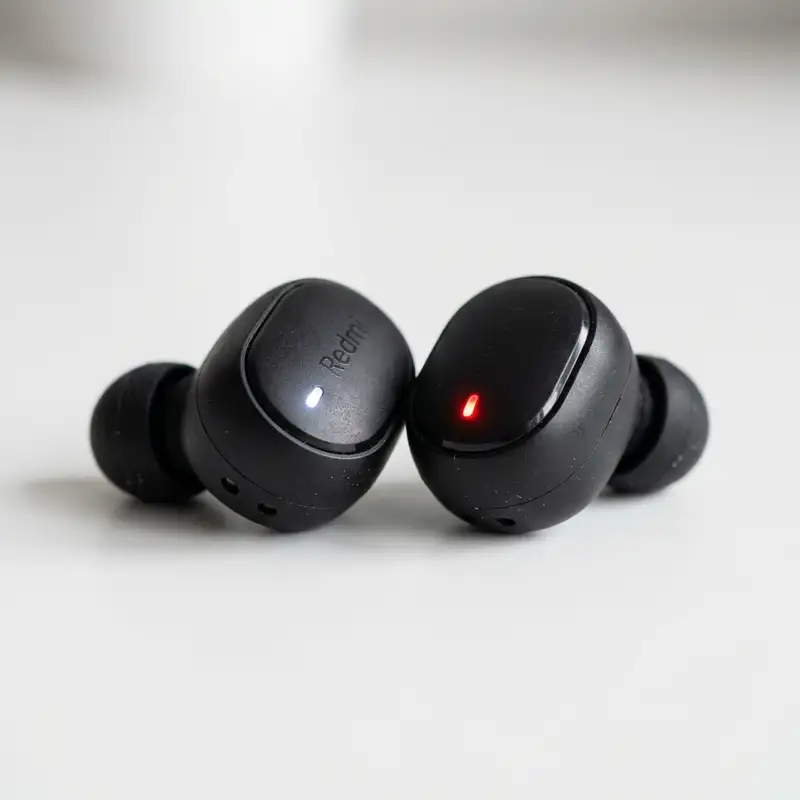
When encountering issues with the JBL Wave 100TWS where only one earbud is operational, a systematic approach to troubleshooting is essential. Initial steps should include verifying the charge levels of both earbuds. It is crucial to ensure that both are adequately charged, as the earbuds may not function correctly if one is significantly depleted.
The charging case should also be inspected for any signs of damage or malfunction, as an ineffective charging mechanism can lead to such problems. Cleaning the charging contacts on both the earbuds and the case is recommended, as dirt or debris can impede proper connectivity.
Next, a thorough examination of the Bluetooth settings on the paired device is necessary. It may be beneficial to remove the JBL Wave 100TWS from the device's list of Bluetooth connections and then re-pair it. This process often resolves connectivity issues that can arise from software glitches or updates on the device.
Additionally, ensuring that the device's operating system is up-to-date can prevent compatibility problems that might affect the earbuds' performance.
If the issue persists, advanced settings within the Bluetooth menu should be explored. Some devices offer options to change audio channels or enable mono audio, which can inadvertently affect how sound is delivered to the earbuds. Verifying that both earbuds are selected for audio output is crucial, as some settings may default to a single channel.
Furthermore, enabling or disabling features such as “audio sharing” can also impact the functionality of the earbuds.
For those with a more technical inclination, inspecting the firmware of the JBL Wave 100TWS is another critical step. JBL regularly releases firmware updates to enhance performance and resolve known issues. Checking the JBL app or the official website for any available updates may yield solutions to persistent problems.
Upgrading the firmware can rectify bugs that lead to connectivity issues or imbalance in audio output between the two earbuds.
If all these troubleshooting methods fail to rectify the issue, it may indicate a hardware defect. This situation necessitates a more in-depth inspection of the earbud circuits and components, which may require professional assistance. Technical support from JBL can provide further guidance, and warranty options may be explored if the earbuds are still under coverage.
Proper documentation of the troubleshooting steps taken can facilitate the support process.
Preventative Maintenance, Battery Protection Practices, or Compatibility Insights
Preventative maintenance is a fundamental aspect of ensuring the longevity and reliable performance of the JBL Wave 100TWS earbuds. Regular cleaning of the earbuds and charging case is imperative. Dust and earwax accumulation can not only affect sound quality but also hinder the charging process.
Using a soft, dry cloth to wipe down the surfaces and a small brush to clear debris from the speaker mesh can be effective. Additionally, using compressed air can help remove particles lodged in hard-to-reach areas.
Battery longevity also plays a significant role in the overall performance of the earbuds. To protect the batteries, it is advisable to avoid deep discharges. Keeping the battery charge between 20% and 80% can prolong battery life.
Furthermore, it is important to avoid exposing the earbuds to extreme temperatures, as both high heat and extreme cold can adversely affect battery performance. Storing the earbuds in a cool, dry place when not in use can help mitigate these effects.
Compatibility insights are also essential for users of the JBL Wave 100TWS. While these earbuds are designed to work seamlessly with a variety of devices, users should be aware that not all Bluetooth versions are equal. Ensuring that the paired device supports the latest Bluetooth technology can enhance connectivity and audio quality.
Additionally, understanding the limitations of various audio codecs can inform users about the best settings for optimal performance, particularly when using high-fidelity audio sources.
Regular software updates for both the earbuds and the connected devices should not be overlooked. Keeping firmware updated can address bugs and compatibility issues that may arise over time. Users should regularly check the JBL app for updates and consider subscribing to notifications for any new releases.
This proactive approach can prevent unexpected issues during use.
Lastly, users should familiarize themselves with the warranty and support options available for the JBL Wave 100TWS. Understanding the terms of warranty can facilitate repairs or replacements should a hardware issue arise. Additionally, engaging with the JBL community online can provide insights into common issues and effective solutions that other users have experienced, enhancing overall user experience.
DomineTec Tip: Regularly updating the firmware and maintaining a clean charging environment significantly enhances the longevity and performance of the JBL Wave 100TWS.
Long Term Expectations, Technology Landscape, and Expert Recommendations
As technology continues to evolve, the long-term expectations for wireless earbuds like the JBL Wave 100TWS are increasingly focused on enhanced integration with other smart devices, improved battery life, and superior audio quality. With advancements in Bluetooth technology and audio processing, future iterations of wireless earbuds are expected to deliver even better performance, including reduced latency and improved connectivity range. Users can anticipate these enhancements will lead to a more seamless listening experience, particularly for those who utilize earbuds for gaming, video conferencing, or high-fidelity music playback.
The current landscape of wireless audio technology is heavily influenced by consumer demands for convenience and quality. As such, manufacturers are investing in research and development to innovate features such as adaptive noise cancellation, touch controls, and voice assistant integration. These features are becoming standard in many high-end models, and it is reasonable to expect that similar capabilities will be integrated into mid-range options in the near future.
Expert recommendations suggest that users remain informed about emerging audio technologies that may enhance their listening experience. For instance, awareness of new audio codecs that provide better compression without sacrificing quality can aid in making informed purchasing decisions. Additionally, understanding the implications of features such as multipoint connectivity, which allows users to connect to multiple devices simultaneously, can greatly enhance the usability of wireless earbuds in daily life.
Moreover, it is essential for users to consider the environmental impacts of their audio devices. Many manufacturers, including JBL, are beginning to adopt sustainable practices in production and packaging. As consumers become more environmentally conscious, choosing products from brands that prioritize sustainability can contribute to a larger movement toward eco-friendly technology.
In conclusion, the journey with wireless earbuds like the JBL Wave 100TWS is likely to be an evolving experience marked by ongoing technical advancements and shifts in consumer preferences. By staying informed and adopting best practices for maintenance and use, users can maximize their enjoyment and functionality of these devices in the long term. Engaging with user forums and expert reviews can also provide valuable insights into maximizing the auditory experience.



