Learn how to watch foreign TV channels online using a VPN to bypass geo-restrictions effortlessly.
Why Are International TV Broadcasts Geoblocked Online?
DomineTec Tip: Keep in mind the time zone differences to make sure you catch your favorite live events on time. If you use a TV Box, check out our guide on best vpn for android tv box.
International TV broadcasts are often subject to geo-blocking due to licensing agreements, copyright laws, and content distribution rights. Broadcasters typically hold exclusive rights to air particular shows, events, or channels within specific geographical regions. Consequently, when you attempt to access these services from outside the designated area, the platform identifies your IP address's location and restricts access, thus prompting a geo-restriction notice.
Geo-blocking is employed to protect the interests of content owners and advertisers, ensuring they maintain control over where and how their content is consumed. For instance, a popular sports event may be available on a network in the UK, while the same event might be restricted or aired on a different network in the US. To circumvent these restrictions, individuals often turn to Virtual Private Networks (VPNs), which can mask their IP addresses and make it appear as though they are accessing the internet from a different region.
Understanding the mechanics of geo-blocking and the role of VPNs is critical in navigating these restrictions effectively. A VPN allows users to connect to servers in various countries, thereby enabling access to content that might otherwise be unavailable in their current location.

Top Free Foreign TV Channels You Can Stream Online
| Foreign Channel | Country of Origin | Official Portal | Cost |
|---|---|---|---|
| BBC iPlayer | United Kingdom (UK) | bbc.co.uk/iplayer | Free (Needs VPN) |
| Pluto TV US | United States (US) | pluto.tv | Free |
There are numerous free foreign TV channels available for streaming online. The availability of these channels, however, may vary based on your geographical location and the effectiveness of your VPN. Here is a list of some popular international TV channels that can be accessed for free:
- BBC iPlayer (UK) - Offers a wide range of TV shows, documentaries, and live sports.
- France 24 (France) - Provides news coverage and analysis from an international perspective.
- RTÉ Player (Ireland) - Features Irish television shows, movies, and live broadcasts.
- NHK World (Japan) - Delivers Japanese news and cultural programming in English.
- ABC iview (Australia) - A catch-up service for Australian television shows and movies.
- CBC Gem (Canada) - Offers Canadian TV shows, films, and live broadcasts, including sports.
- Pluto TV - Provides a variety of channels including news, entertainment, and lifestyle content from various countries.
While these channels are generally free to access, you may encounter geo-restrictions based on your IP address. Utilizing a VPN can help you bypass these barriers, enabling you to enjoy international content seamlessly.
Step-by-Step Guide: Setting Up a VPN to Stream Foreign TV
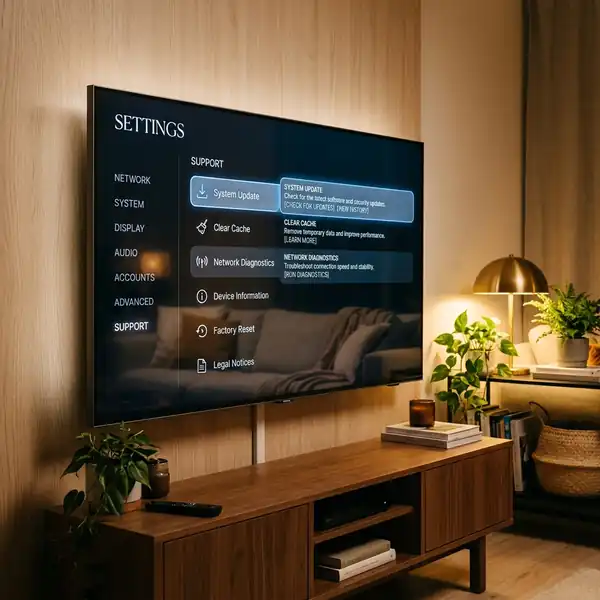
Setting up a VPN for streaming foreign TV channels can be accomplished in a few straightforward steps. Follow this guide to ensure you configure your VPN correctly to enjoy uninterrupted access to international content.
Step 1: Choose the Right VPN Provider
Selecting a reliable VPN provider is crucial for accessing foreign TV channels. Look for a VPN that offers:
- High-speed servers in multiple countries.
- Strong encryption protocols for privacy and security.
- No data logging policies to maintain your anonymity.
- Compatibility with various streaming devices and platforms.
- Customer support for troubleshooting and configuration assistance.
Popular VPN providers include NordVPN, ExpressVPN, and Surfshark, which are known for their robust performance and extensive server networks.
Step 2: Download and Install the VPN Software
Once you’ve chosen a VPN provider, proceed to download their application. This process generally involves:
- Visiting the VPN provider's official website.
- Signing up for a subscription plan that fits your needs.
- Downloading the VPN application for your specific device (Windows, macOS, Android, iOS, etc.).
- Installing the application by following the on-screen instructions.
Step 3: Configure VPN Settings
After installation, open the VPN application and configure the settings for optimal streaming:
- Select the Server Location: Choose a server located in the country where the desired TV channel is broadcasted. For example, if you want to access BBC iPlayer, connect to a server in the UK.
- Enable Kill Switch: Activate the kill switch feature, which disconnects your internet if the VPN connection drops, protecting your privacy.
- Choose the Proper Protocol: Opt for OpenVPN or IKEv2 protocols, which provide a good balance of speed and security.
Step 4: Connect to the VPN
With your settings configured, connect to the selected server. This process typically involves:
- Clicking the "Connect" button within the VPN application.
- Waiting for the connection to establish, which should only take a few seconds.
- Confirming that your IP address has changed by using an IP address checker website.
Step 5: Access the Streaming Service
Once connected, open your desired streaming service in a web browser or app. You should now have unrestricted access to foreign TV channels. If you encounter any issues, try the following troubleshooting steps:
- Switch to a different server in the same country.
- Clear your browser cache and cookies.
- Contact your VPN provider’s customer support for assistance.
Best VPN Server Locations for Accessing Global Television
Choosing the right server location is critical for optimal streaming performance. Here’s a breakdown of recommended server locations based on popular foreign TV channels:
- United Kingdom: Connect to a UK server to access BBC iPlayer, ITV Hub, and Channel 4.
- United States: Use a US server for Hulu, NBC, and ABC.
- Canada: Connect to a Canadian server for CBC Gem and CTV.
- Australia: Use an Australian server for ABC iview and 9Now.
- France: Access French streaming services like France 24 and TF1 with a server in France.
Connecting to servers closer to your physical location can also enhance streaming speeds and reduce latency. If you experience slow speeds, try different servers within the same country to identify the best performance.

How to Prevent Buffering and Maintain HD Stream Quality
Streaming in high definition can be challenging, especially when accessing foreign content over a VPN. Here are some tips to help you prevent buffering and maintain a smooth streaming experience:
1. Choose the Right VPN Plan
Your choice of VPN plan can impact streaming quality. Opt for a plan that allows for multiple simultaneous connections and offers higher bandwidth limits. Some providers impose data caps on lower-tier plans, which can lead to throttled speeds during peak usage times.
2. Optimize Your Internet Connection
Ensure that your internet connection is stable and fast enough to handle HD streaming. Consider the following:
- Use a wired connection instead of Wi-Fi for better stability.
- Close any unnecessary applications or devices that may consume bandwidth.
- Perform a speed test to check your current internet speed and ensure it meets the requirements for HD streaming (typically at least 5 Mbps).
3. Select a Less Crowded Server
VPN servers can become crowded, which can slow down your connection. If you notice buffering, try switching to a less crowded server. Many VPN applications provide a server load indicator to help you choose the best option.
4. Adjust Streaming Quality Settings
If you continue to experience buffering, consider lowering the streaming quality settings in the video player. Most streaming services allow you to adjust the quality to suit your connection speed. Opting for standard definition (SD) can significantly reduce buffering issues.
5. Regularly Update Your VPN Application
Keeping your VPN application updated ensures that you benefit from the latest features and optimizations. VPN providers frequently release updates to enhance performance and security. Regularly check for updates and install them as needed.
6. Use Split Tunneling
Some VPNs offer a split tunneling feature, allowing you to choose which apps use the VPN and which do not. This can alleviate bandwidth pressure on the VPN connection and improve streaming quality. For instance, you can route only your streaming app through the VPN while allowing other internet traffic to go through your regular connection.
Conclusion
Using a VPN to stream foreign TV channels online not only expands your viewing options but also helps you bypass geo-restrictions imposed by various platforms. By following the steps outlined in this guide, you can configure your VPN for seamless access to international content. Remember to choose a reliable VPN provider, connect to the appropriate server, and optimize your settings for the best streaming experience. With the right tools and knowledge, you can enjoy your favorite shows and channels from around the world.
For more networking and security guides, check out our step-by-step tutorials on best vpn for android tv box and how to setup vpn on tp link router. For official hardware troubleshooting, visit the Official BBC iPlayer.
Understanding VPN Protocols for Secure Streaming
Exploring VPN Protocols: OpenVPN, WireGuard, and IPSec
When utilizing a VPN to stream foreign TV channels, understanding the underlying protocols is essential for ensuring secure and efficient data transmission. One of the most widely adopted protocols is OpenVPN, known for its robust security and adaptability. OpenVPN employs SSL/TLS for key exchange, which allows it to operate over user-defined ports, enhancing its ability to bypass firewalls. Its use of strong encryption standards, including AES-256, makes it a reliable choice for protecting sensitive data while streaming. Moreover, OpenVPN supports both TCP and UDP, allowing users to choose between reliability and speed based on their specific streaming needs.
WireGuard is another innovative protocol gaining traction due to its simplicity and heightened performance. Unlike traditional VPN protocols that can be complex and resource-intensive, WireGuard's minimalist design leverages state-of-the-art cryptography, which not only enhances security but also significantly reduces latency. This is particularly beneficial for streaming applications where buffering can detract from user experience. WireGuard's capability for quick reconnections and its efficiency in handling large volumes of data make it an excellent option for streaming foreign channels with minimal interruptions.
IPSec, on the other hand, operates at the network layer and is often combined with other protocols to provide a comprehensive security framework. While IPSec is inherently secure, its complexity can lead to configuration challenges, especially for users unfamiliar with networking concepts. However, when properly set up, IPSec can offer encrypted tunnels that protect data from eavesdropping during transmission. This is particularly crucial when accessing geo-blocked content, as it ensures that not only is the data secure, but also that the user's identity remains anonymous.
In addition to choosing the right protocol, it is imperative to consider how these protocols affect streaming performance. For instance, while OpenVPN is versatile, its overhead can introduce latency, especially on slower connections. Conversely, WireGuard's efficiency often results in faster speeds, making it a preferred choice for high-definition streaming. Users should experiment with different protocols to determine which one best suits their internet speed and the specific requirements of the content they wish to access.
DNS Leak and WebRTC Leak Detection
As users stream foreign TV channels via a VPN, ensuring that their privacy is not compromised by DNS or WebRTC leaks becomes a paramount concern. A DNS leak occurs when a VPN fails to route DNS requests through its encrypted tunnel, inadvertently exposing the user's true IP address to the ISP and other entities. This can happen if the VPN client is misconfigured or if the user is operating on a network that lacks proper DNS leak protection.
To mitigate this risk, users should employ tools and services that offer DNS leak detection. Simple online tests can reveal whether DNS queries are being routed through the VPN or if they are leaking to the ISP. If leaks are detected, users should consider switching to a VPN that provides built-in DNS leak protection or manually configuring their network settings to utilize secure DNS servers.
WebRTC leaks present another challenge for VPN users. WebRTC, a technology that facilitates real-time communication in web browsers, can inadvertently expose the user's IP address even when connected to a VPN. Many browsers, such as Chrome and Firefox, support WebRTC, which can create vulnerabilities if not properly managed. To prevent WebRTC leaks, users can disable WebRTC in their browser settings or utilize browser extensions designed to block WebRTC traffic. A comprehensive assessment of the VPN's capabilities regarding WebRTC leak protection should also be conducted before making a choice.
Ultimately, understanding and addressing DNS and WebRTC leaks is crucial for maintaining anonymity while streaming foreign content. Users should routinely perform leak tests and stay informed about the latest developments in VPN technology to ensure their streaming experience remains both secure and uninterrupted.
Optimizing VPN Performance for Buffer-Free Streaming
Understanding Streaming Server Latency and Quality of Service (QoS) Configuration
Streamlining the performance of a VPN for optimal streaming requires a deep understanding of streaming server latency and how it impacts the user experience. Latency refers to the time it takes for a data packet to travel from the source to the destination and back. High latency can result in buffering and interruptions, negatively affecting the enjoyment of foreign TV channels. When connecting to servers located far from the user's physical location, latency can increase significantly, resulting in a lag that frustrates viewers.
To minimize latency, users should select VPN servers that are geographically closer to the content they wish to access. Many VPN services provide server lists with latency metrics, allowing users to choose the optimal server for their streaming needs. Moreover, testing various servers can help users identify which ones deliver the fastest speeds and lowest latency for their specific location and internet service provider.
Another critical aspect is the configuration of Quality of Service (QoS) settings on routers. QoS allows users to prioritize specific types of traffic, ensuring that streaming data packets receive higher priority over less critical traffic, such as file downloads or system updates. By configuring QoS for streaming applications, users can significantly reduce buffering and enhance overall streaming quality. This involves accessing the router settings and adjusting the QoS parameters to prioritize VPN traffic, effectively allocating more bandwidth to streaming services.
In addition to QoS, users can also benefit from traffic shaping techniques employed by their VPN providers. Some VPNs offer features that optimize data flow by reducing unnecessary overhead and prioritizing streaming services. By choosing a VPN with integrated traffic shaping capabilities, users can further enhance their streaming experience, ensuring smooth playback of foreign TV channels without interruptions.
Testing Your Streaming Setup for Optimal Performance
After configuring a VPN for streaming, it is essential to conduct thorough testing to ensure optimal performance. This includes measuring internet speed, identifying potential bottlenecks, and verifying that the VPN is effectively masking the user's IP address. Speed tests can provide valuable insights into both upload and download speeds, helping users determine whether their VPN configuration meets the requirements for high-definition streaming.
In addition, users should monitor for any signs of buffering during streaming sessions. If buffering occurs frequently, it may be necessary to adjust server settings, optimize QoS configurations, or even switch to a different VPN provider. Regularly testing the streaming setup allows users to adapt to changing network conditions and maintain an uninterrupted viewing experience.
By understanding the complexities of streaming server latency, QoS configuration, and conducting regular performance tests, users can optimize their VPN settings for the best possible streaming experience. This level of diligence not only enhances the enjoyment of foreign content but also ensures that users can access their favorite shows and events without compromise.