How to Use Microsoft Copilot Designer to Generate Images Online

Microsoft Copilot Designer is a powerful tool that uses AI to help you generate stunning images effortlessly. This guide will explore its functionalities and how to use it effectively.
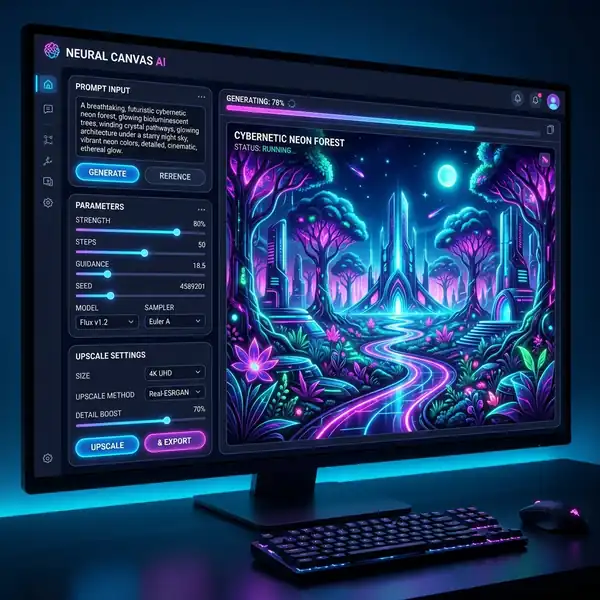
Understanding Microsoft Copilot Designer: Creative AI with DALL-E 3
DomineTec Tip: Microsoft Copilot Designer uses DALL-E 3 for highly detailed figures. If you want to compare it with Google's tool, see how to generate images for free using Google Gemini AI.
Microsoft Copilot Designer leverages the advanced capabilities of DALL-E 3, an AI model specifically created for image generation. This integration allows users to create visually striking images based on textual descriptions, making it an ideal tool for designers, marketers, and content creators. The AI understands context and can generate images with unique styles, compositions, and elements, enabling users to bring their creative visions to life.
The technology behind DALL-E 3 is rooted in deep learning and neural networks, which analyze vast amounts of data to understand how to represent concepts visually. This means that whether you need a realistic photo, an abstract design, or a whimsical illustration, Microsoft Copilot Designer can provide options that align closely with your requirements. By understanding natural language prompts, it can interpret user intent and generate images accordingly, making the creative process more intuitive and accessible.
Prompts guidelines for DALL-E 3 inside Microsoft's search engine dashboard
| AI Generator | Underlying Engine | Daily Free Runs |
|---|---|---|
| Microsoft Copilot | DALL-E 3 | 15 boost tokens daily |
| Google Gemini | Imagen 3 | Unlimited generations |
Creating effective prompts is important when using Microsoft Copilot Designer to generate images. A well-structured prompt can significantly enhance the quality and relevance of the output. Users should aim to be specific about the elements they want to include in their images. This involves detailing aspects such as the subject matter, colors, style, and any specific actions or settings that are relevant to the desired image.
For instance, instead of a vague prompt like "a dog," a more detailed version would be "a golden retriever playing fetch in a sunny park." This specificity helps the AI to visualize the scene more accurately and produce a result that meets the user's expectations. Additionally, leveraging adjectives and descriptive language can further refine the outcome, allowing for variations in mood, atmosphere, and aesthetic.
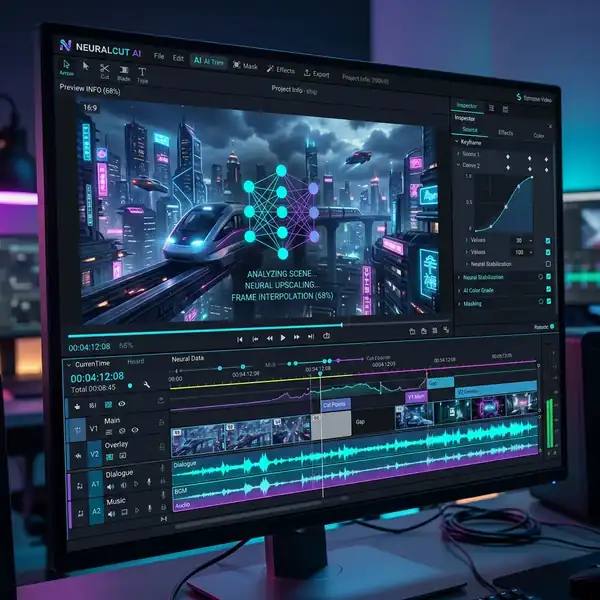
Step-by-Step Tutorial: Generating free graphics online
To begin generating images with Microsoft Copilot Designer, follow these steps:
- Access the Tool: Open the Microsoft search engine dashboard and navigate to the Copilot Designer feature. Ensure you are logged into your Microsoft account to access all functionalities.
- Create a New Project: Click on the option to create a new project. This will open a blank canvas where you can input your prompts.
- Input Your Prompt: In the designated text field, type your detailed prompt based on the guidelines discussed earlier. Be as specific as possible to direct the AI effectively.
- Review Generated Images: After submitting your prompt, the AI will process it and generate several image options. Take your time to review these images and select one that aligns with your vision.
- Edit if Necessary: If the initial output isn’t perfect, you can modify your prompt or request variations. The tool allows for iterative changes to refine the imagery.
- Download Your Image: Once satisfied with the generated image, use the export feature to download it in your preferred resolution. You can choose from various formats based on your intended use.
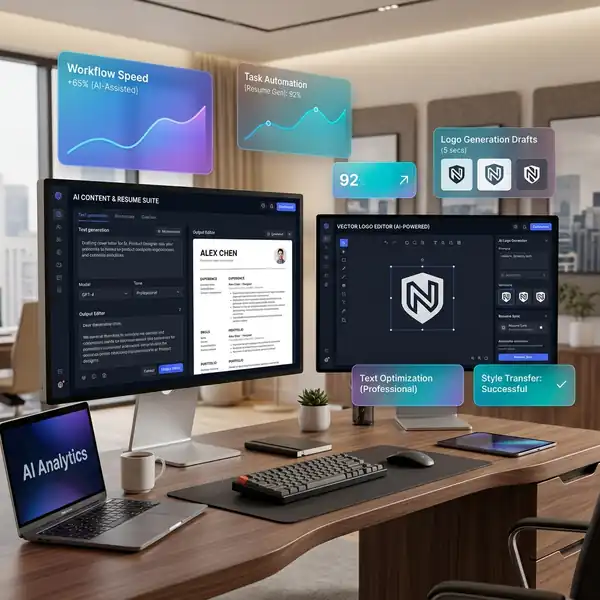
Comparison Table: Microsoft Copilot vs. Google Gemini vs. Canva Magic Design
When choosing an AI image generation tool, it’s essential to understand the differences in capabilities, features, and usability among the leading options. Below is a comparison of Microsoft Copilot Designer, Google Gemini, and Canva Magic Design:
| Feature | Microsoft Copilot Designer | Google Gemini | Canva Magic Design |
|---|---|---|---|
| Image Generation Quality | High resolution with DALL-E 3 | Good quality, fast processing | Great for templates and quick designs |
| Ease of Use | User-friendly interface with guidance | Requires some learning curve | Simple drag-and-drop functionality |
| Customization Options | Highly customizable prompts | Limited customization options | Predefined templates with some customization |
| Export Formats | Multiple formats available | Limited to specific formats | Various formats for different platforms |

Terms of Use: Licensing, export resolutions, and commercial guidelines
Understanding the terms of use for Microsoft Copilot Designer is vital for anyone looking to leverage the tool for personal or commercial projects. The licensing agreements typically allow users to use generated images for various purposes, including marketing, social media, and personal projects. However, it’s important to read the specific terms provided by Microsoft to ensure compliance.
Export resolutions can vary based on the subscription level or specific features being used. Generally, higher resolutions are available for premium users, while free-tier options may be limited. Users should consider their intended use for the images—whether for web, print, or social media—and select the appropriate resolution accordingly.
Commercial use of images generated by Microsoft Copilot Designer also comes with guidelines. Users must ensure they have the right to use these images in a business context, which may involve additional licensing fees or permissions depending on the specific application. It’s advisable to consult the licensing terms carefully to avoid any infringement issues.
Additional Resources and Recommended Links
For more guides and tutorials on AI image and video generators, check out our step-by-step articles on how to generate images using Google Gemini AI and can I use Leonardo AI images commercially. For official platforms and tools, visit the Official Microsoft Copilot Workspace.
Advanced Techniques for Optimizing Image Generation with Microsoft Copilot Designer
To maximize the potential of Microsoft Copilot Designer for generating images online, understanding advanced techniques and configuration settings is important. One significant aspect of optimization lies in the selection of parameters that influence the generation process. Microsoft Copilot Designer offers various settings that allow users to customize output based on their specific needs. Experimenting with different styles, color palettes, and dimensions can lead to enhanced visual appeal and better alignment with the project's objectives. Additionally, exploring the 'style transfer' feature enables users to apply artistic elements from a reference image, thereby creating unique and compelling visuals that stand out in a crowded digital space.
Integrating Microsoft Copilot Designer into existing workflows can significantly improve productivity and streamline processes. For designers and marketers, the ability to generate images on-demand can reduce reliance on stock photo libraries and eliminate bottlenecks in content creation. Setting up a seamless workflow involves defining clear roles and responsibilities among team members. Utilizing cloud storage solutions that are compatible with Microsoft Copilot Designer allows for easy access to generated images, facilitating quick revisions and feedback. Moreover, implementing project management tools can help track the progress of image generation tasks, ensuring that deadlines are met and quality standards are maintained throughout the creative process.
Another essential aspect of leveraging Microsoft Copilot Designer effectively is understanding the underlying AI model and its capabilities. Familiarizing oneself with the model's training data can provide insight into the types of images it excels at generating. This understanding can guide users in crafting more effective prompts and descriptions, which are significant in obtaining desired results. For example, specificity in prompts can lead to more accurate representations of the intended subject matter. Additionally, incorporating relevant keywords that align with popular trends can enhance the visibility and relevance of the generated images, making them more appealing to the target audience.
Real-world use cases further illustrate the practical applications of Microsoft Copilot Designer in diverse industries. In the fashion sector, brands are utilizing the tool to create promotional graphics that reflect the latest trends, allowing for rapid adjustments as styles evolve. Similarly, in the educational field, institutions are employing Copilot Designer to produce engaging visuals for online courses, making learning materials more dynamic and visually appealing. Moreover, social media managers are discovering the benefits of using Copilot Designer to produce tailored content that resonates with specific demographics, increasing engagement rates and driving user interaction. By analyzing these applications and experimenting with Microsoft Copilot Designer's features, users can unlock new creative possibilities and enhance their overall digital strategy.
Advanced Techniques for Optimizing Workflows with Microsoft Copilot Designer
Microsoft Copilot Designer offers a robust platform for generating images online, but to fully leverage its capabilities, users must understand how to optimize their workflows. This involves not only mastering the tool itself but also configuring it for maximum efficiency. One advanced technique is to create custom templates that streamline the design process. By setting up specific parameters like dimensions, color palettes, and style guidelines, users can save time and ensure that generated images adhere to branding standards. This approach not only enhances productivity but also produces consistent visual outputs that align with organizational goals.
Another critical aspect of workflow optimization is the integration of Microsoft Copilot Designer with other productivity tools. For example, utilizing Microsoft Power Automate can facilitate the automation of image generation tasks. By configuring triggers such as new project creation in project management software, users can automatically generate relevant images using Copilot Designer without manual intervention. This integration not only speeds up the workflow but also minimizes the potential for errors, ensuring that the right images are generated at the right time. Additionally, leveraging Microsoft Teams for collaboration allows team members to share and discuss generated images in real-time, further enhancing the creative process.
To maximize the effectiveness of image generation, users should also focus on optimizing the input prompts provided to Microsoft Copilot Designer. The quality and specificity of these prompts can significantly influence the output. Advanced users can experiment with various prompt structures, incorporating keywords that are tailored to the desired image style, context, and audience. For instance, instead of simply asking for a "landscape," a more detailed prompt might specify "a vibrant sunset over a mountain range with a clear blue sky." This level of detail helps the AI understand user intent more precisely, leading to higher quality images that better meet project requirements.
Lastly, real-world use cases demonstrate the potential of Microsoft Copilot Designer in different industries. For marketing teams, the ability to quickly generate eye-catching visuals for campaigns can drastically reduce turnaround times. In the e-commerce sector, product images can be customized rapidly without the need for extensive graphic design resources. Educational institutions can utilize Copilot Designer to create engaging instructional materials, from infographics to interactive visuals that enhance learning experiences. By exploring these applications and continuously refining their approach, users can unlock the full potential of Microsoft Copilot Designer, establishing it as an indispensable tool in their design toolkit.
Advanced Techniques for Optimizing Image Generation with Microsoft Copilot Designer
Microsoft Copilot Designer offers an impressive suite of tools for generating images online, but to truly harness its potential, users must delve into advanced techniques that optimize the image creation process. Understanding configuration settings, workflow integration, and optimization techniques is essential for maximizing the efficacy of the tool. This section will explore these aspects in detail, providing a roadmap for users looking to elevate their image generation capabilities.
One of the first steps in optimizing the use of Microsoft Copilot Designer is mastering its configuration settings. Users should familiarize themselves with the various parameters that can be adjusted, such as image resolution, aspect ratio, and style presets. By tuning these settings, designers can create images that not only meet their artistic vision but are also tailored to specific platforms or mediums. For instance, social media platforms often have unique image size requirements; understanding these can lead to more effective and visually appealing outputs. Additionally, experimenting with different style presets can yield unique artistic effects, allowing for greater creative exploration in the design process.
Integrating Microsoft Copilot Designer into existing workflows can significantly enhance productivity. For professionals working in collaborative environments, setting up a streamlined process is important. This may involve using integration tools that connect Copilot Designer with project management software or design platforms like Adobe Creative Cloud. By doing so, teams can ensure that image generation is seamlessly incorporated into their overall project timelines. Moreover, utilizing Copilot Designer's API can allow developers to build custom applications that automate image generation tasks. This reduces manual input and enables faster turnaround times for projects, ultimately leading to increased efficiency and output quality.
In addition to configuration and integration, applying optimization techniques can further refine the image generation process. For example, leveraging batch processing capabilities allows users to generate multiple images at once, saving time and effort. Furthermore, implementing feedback loops where users can assess and adjust the generated images based on performance metrics helps in honing the output quality. Analyzing which images perform best in terms of engagement or conversion can guide future image creation, making it more data-driven. Additionally, exploring the use of machine learning algorithms to analyze user preferences can lead to personalized image suggestions, enhancing user satisfaction and relevance.
Lastly, real-world use cases illustrate the transformative potential of Microsoft Copilot Designer in various industries. In the e-commerce sector, businesses have utilized the tool to create compelling product images that stand out in crowded marketplaces. By customizing images to reflect branding elements and customer preferences, companies have seen increased click-through rates and higher conversion rates. Similarly, in content marketing, agencies have adopted Copilot Designer to produce eye-catching visuals for blogs and social media posts, significantly improving audience engagement. These examples underscore the versatility and effectiveness of Microsoft Copilot Designer, proving that when used strategically, it can be a major improvement for image generation across various sectors.




