
Generating images with Google Gemini AI is a straightforward process that unlocks creative possibilities for users. This innovative technology leverages advanced machine learning algorithms to create unique images based on textual prompts, making it a powerful tool for artists, marketers, and anyone looking to visualize their ideas.
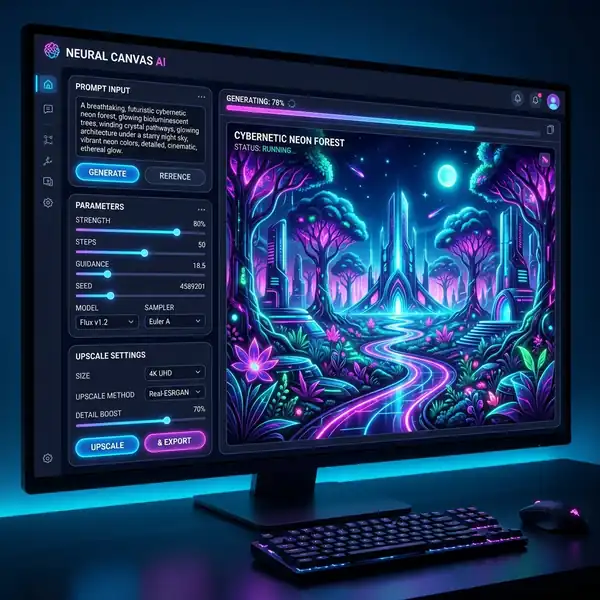
Introduction to Gemini AI and Google's Imagen 3 Model
DomineTec Tip: To get professional visual results in Gemini, describe specific camera settings and art genres. Check out our tutorial on how to use Microsoft Copilot Designer to generate images.
Google Gemini AI represents the cutting edge of artificial intelligence in image generation. It is part of Google's broader initiative to integrate AI capabilities into various applications, enhancing creativity and productivity across multiple domains. At the heart of this technology lies the Imagen 3 model, which is designed to interpret and understand natural language prompts, translating them into stunning visual content. This model incorporates state-of-the-art deep learning techniques, allowing for the generation of high-quality images that are not only visually appealing but also contextually relevant.
Imagen 3 is built upon extensive training datasets, enabling it to recognize and replicate intricate details in images. Users can input simple or complex prompts, and the AI will generate images that align with the provided descriptions. This revolutionary approach to image creation has made it easier for users without artistic skills to produce professional-grade visuals, making Gemini AI a valuable asset in various fields, from marketing to content creation.
Step-by-Step Guide: Generating your first image in Gemini chatbot
| AI Generator | Base Engine | Free Access |
|---|---|---|
| Google Gemini | Imagen 3 | Free (Unlimited runs) |
| Microsoft Copilot | DALL-E 3 | Free (Daily boosts) |
To begin generating images using Google Gemini AI, users first need access to the Gemini chatbot feature, which can be found within the Google ecosystem. Once you have access, follow these steps to create your first image:
- Open the Gemini chatbot: Navigate to the Google Chat or the specific platform where Gemini is integrated. Initiate a conversation with the chatbot.
- Input your prompt: Clearly describe the image you want to generate. For example, “a serene mountain landscape at sunset” gives the AI a clear context to work with.
- Adjust settings (if available): Some versions of Gemini may allow you to tweak settings such as image style, resolution, or aspect ratio. Make any adjustments as desired.
- Submit your request: Once you are satisfied with your prompt and settings, hit enter to send your request. The AI will process the input and generate the corresponding image.
- Review and refine: After the image is generated, take a moment to review it. If it doesn’t meet your expectations, refine your prompt or settings and try again.
This simple process allows users to quickly generate images tailored to their preferences. The versatility of the Gemini chatbot means you can experiment with various prompts to discover the full range of creative possibilities.
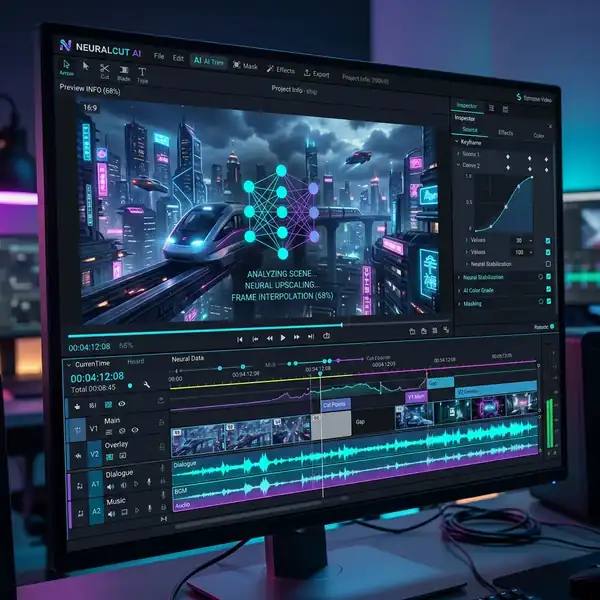
Advanced Prompting: Getting photo-realistic results and graphics
To achieve more photo-realistic results when generating images with Google Gemini AI, it’s essential to utilize advanced prompting techniques. This involves being specific about the details you want to incorporate into the image, as well as understanding how to structure your prompts effectively.
Start by including descriptive adjectives and nouns that convey the desired characteristics of the image. For instance, instead of saying “a dog,” you might say “a fluffy golden retriever sitting on a beach during sunset.” Additionally, consider incorporating artistic styles or moods into your prompts, such as “in the style of a watercolor painting” or “with a dreamy, ethereal quality.” The more detailed and imaginative your prompt, the more likely you are to receive a stunning, high-quality image.
Moreover, experimenting with different combinations of elements can yield surprising results. Adjusting aspects like lighting, perspective, and color schemes in your prompts can significantly affect the final output. For example, a prompt like “a futuristic cityscape at night, illuminated by neon lights and bustling with activity” could lead to striking visual representations that are far more engaging than a simple description.

Comparison Table: Gemini versus Microsoft Copilot and Midjourney
| Feature | Google Gemini AI | Microsoft Copilot | Midjourney |
|---|---|---|---|
| Image Quality | High-resolution, realistic images | Good quality, but less focus on realism | Artistic and stylized outputs |
| Ease of Use | User-friendly interface with clear prompts | Integrated into Microsoft products; easy for users | Requires familiarity with command inputs |
| Customization | Highly customizable prompts for diverse outputs | Limited customization options | Offers unique artistic styles but less realism |
| Access | Available through Google platforms | Part of Microsoft Office Suite | Accessible via Discord |
The comparison highlights the strengths and weaknesses of each AI tool. Google Gemini AI excels in generating high-resolution, realistic images with a user-friendly approach, making it suitable for both casual users and professionals. In contrast, Microsoft Copilot integrates seamlessly into existing Microsoft products but offers less focus on image realism. Midjourney, while known for its artistic outputs, may require a steeper learning curve due to its command-based interface.
Google Content Guidelines: Rules and commercial rights
When using Google Gemini AI to generate images, it is important to adhere to Google's content guidelines to ensure compliance and avoid potential legal issues. These guidelines outline the acceptable use of generated content, including restrictions on creating harmful or offensive images. Users should be aware that while they can utilize the images for personal projects, commercial use may be subject to additional rules.
Specifically, any images created through Gemini AI may have limitations on how they can be used commercially. Users are generally granted rights to use the images for personal use, but for commercial purposes, it is advisable to review Google’s terms of service and consult relevant licensing information. This includes understanding any potential attribution requirements or restrictions on modifications to generated images.
Furthermore, respecting copyright and intellectual property rights is paramount. Users should avoid using prompts that could lead to the generation of copyrighted or trademarked material without proper permissions. By following these guidelines, users can harness the capabilities of Google Gemini AI responsibly and creatively.
Additional Resources and Recommended Links
For more guides and tutorials on AI image and video generators, check out our step-by-step articles on how to use Microsoft Copilot Designer to generate images and can I use Leonardo AI images commercially. For official platforms and tools, visit the Official Google Gemini Chat.
Expert Prompting Techniques: Maximizing Image Generation with Parameters and Formulas
When utilizing Google Gemini AI to generate images, the sophistication of your prompt can significantly influence the quality and relevance of the output. Advanced prompting techniques involve not just the textual content of your prompt but also the manipulation of various technical parameters that guide the AI's interpretation and creative direction. One essential aspect is the use of style weights, which allow users to emphasize certain artistic styles or elements within the generated image. By adjusting these weights, you can direct the AI to produce outputs that are more aligned with specific aesthetic preferences, whether that be mimicking the brushstroke style of Van Gogh or the clean lines of modern minimalism.
Aspect ratios are another important parameter to consider. Depending on the intended use of the images—be it for social media posts, e-commerce banners, or website headers—the aspect ratio can play a significant role in ensuring the final output fits seamlessly into your design. For instance, a 16:9 ratio may be ideal for video thumbnails, while a 1:1 ratio works best for Instagram posts. To achieve the desired aspect ratio, you'll need to articulate this in your prompt, perhaps through explicit instructions such as "Create a landscape image in a 16:9 aspect ratio, showcasing a serene mountain scene." This level of detail in your prompting can lead to more satisfactory results that require less post-processing.
Seed control is another powerful feature that can enhance the predictability of your results. By specifying a seed number in your prompt, you can effectively recreate the same image output multiple times, which is particularly useful for iterative design processes where you may want to refine an image over several generations. This technique can involve providing a specific integer to the AI, ensuring that the output remains consistent across different sessions. For example, you might say, "Generate an image of a futuristic city with seed 12345," allowing you to revisit and tweak this generation as necessary without starting from scratch.
Lastly, the chaos parameter can introduce a level of variability that can be beneficial in creative contexts. By adjusting this parameter, you can dictate how much randomness is allowed in the generation process. A higher chaos value can yield more unexpected and unique results, which might be suitable for brainstorming sessions or creative explorations, while a lower value can generate outputs that are more traditional and predictable. Crafting prompts that include these advanced parameters not only enhances the control you have over the output but also elevates the overall quality of the images produced by Gemini AI.
Integrating Generated Images into Professional Workflows: Design, Marketing, and Automation
The utility of generated images from Google Gemini AI extends far beyond mere creation; the ability to integrate these outputs into professional workflows can significantly enhance productivity across various domains such as design, marketing, and e-commerce. For instance, designers can leverage these images as foundational elements in software like Adobe Photoshop or Canva. By importing the AI-generated visuals, they can apply filters, adjust colors, or layer additional graphics to create unique compositions tailored to specific projects. This streamlines the design process, allowing creatives to focus on higher-level concepts rather than starting from scratch.
In marketing, the potential applications of Gemini AI-generated images are vast. Marketers can utilize these images for social media campaigns, blog posts, or email newsletters, ensuring that their visual content is not only original but also tailored to resonate with their audience. By incorporating a variety of images that reflect different themes or aspects of their brand, companies can engage users more effectively. Furthermore, these images can be tested for performance in A/B testing scenarios, allowing marketers to determine which visuals drive the most engagement or conversions.
E-commerce platforms can also benefit from the flexible integration of AI-generated images. Product listings can be enhanced with visually striking photos that showcase items in a more attractive light, potentially leading to higher sales. By using Gemini AI to create images that highlight products in various contexts—such as lifestyle imagery or alternative settings—retailers can provide customers with a richer shopping experience. This not only improves the aesthetic appeal of product pages but can also help to reduce the costs associated with professional photography sessions.
Finally, automation tools can be employed to streamline the entire process of image generation and integration. By utilizing APIs or workflow automation platforms, businesses can establish a seamless pipeline where images generated by Gemini AI are automatically inserted into content management systems or design templates. For example, a marketing team could set up a system where new blog posts are automatically populated with relevant images based on the content's keywords. This not only saves time but also ensures a consistent visual identity across all platforms.
Understanding Technical Limitations and Ethical Considerations in Image Generation
While Google Gemini AI offers powerful capabilities for generating images, it is essential to recognize the technical limitations that users may encounter. One common issue is the context sensitivity of the AI. The model may struggle with ambiguous prompts or those lacking specificity, which can lead to outputs that do not align with user expectations. Beginners often make the mistake of providing overly broad or vague instructions, resulting in generic images that fail to capture the desired essence. It is important to refine prompting skills and incorporate more detailed descriptions to mitigate this issue.
Another limitation pertains to the resolution and quality of the output images. While Gemini AI can produce visually appealing results, there may be constraints regarding the maximum resolution available. Users expecting high-definition outputs for print materials or large displays may find the images insufficient for such applications. It is advisable to always check the output settings and understand the capabilities of the tool in order to make informed decisions based on the intended use of the images.
Commercial usage rights and ethical guidelines surrounding the use of AI-generated content are increasingly becoming areas of concern. Users must familiarize themselves with the specific terms set forth by Google regarding how these images can be used, particularly in commercial contexts. This includes understanding whether the images can be altered, sold, or used in advertising, as well as any attribution requirements. Additionally, ethical considerations should be taken into account; for instance, the potential for generating misleading or inappropriate images should be avoided. Users are encouraged to approach generated content responsibly, ensuring that it aligns with both legal standards and moral expectations.
Lastly, troubleshooting common issues that arise during image generation can be beneficial for maximizing the effectiveness of the tool. Users should keep in mind that the AI may not always interpret prompts as intended, leading to unsatisfactory results. Engaging in a process of iteration—where prompts are adjusted based on previous outputs—can help in refining the generation process. Additionally, seeking feedback from peers or utilizing community resources can provide valuable insights into overcoming challenges and improving the overall quality of the generated images.




