How to Unclog a 3D Printer Nozzle: Cold Pull and Needle Method
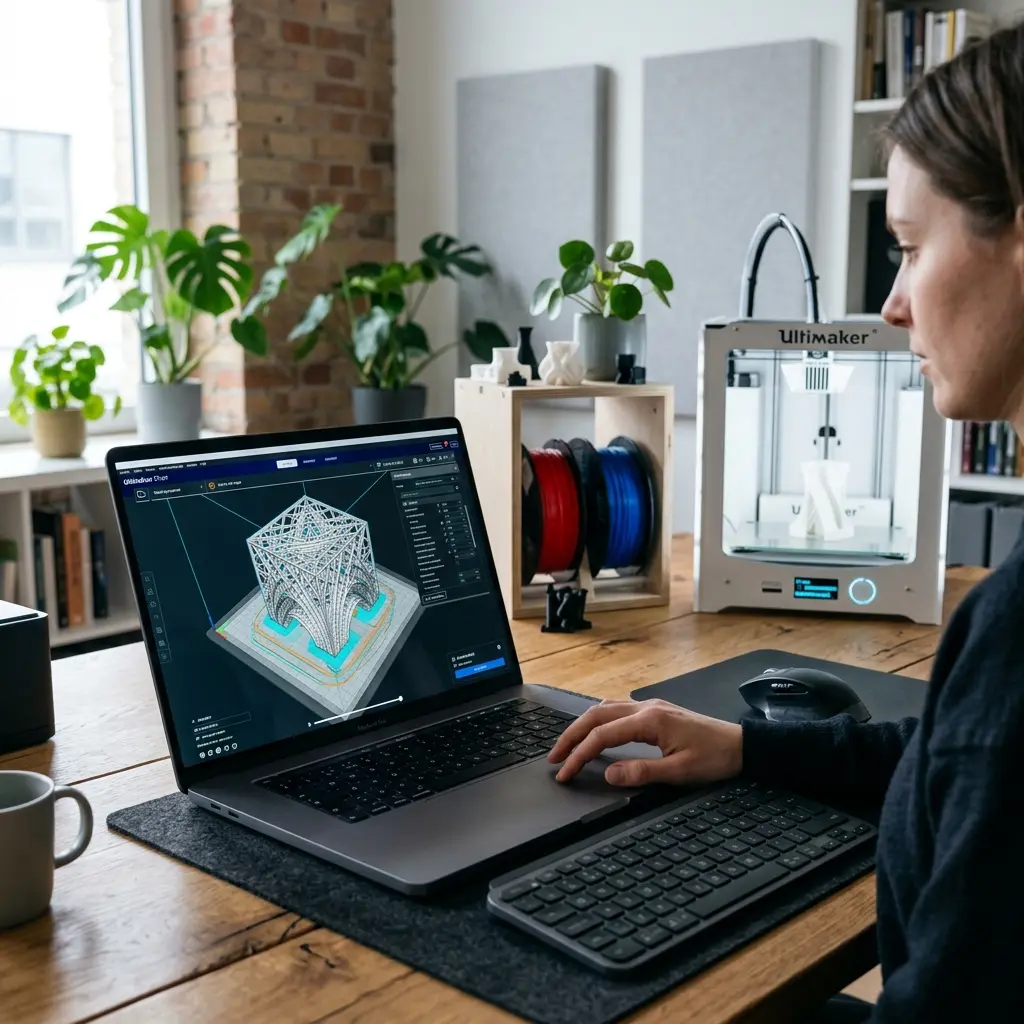
To unclog a 3D printer nozzle, use the cold pull and needle method for effective results.
Understanding 3D Printer Nozzle Clogs
A clogged nozzle can significantly hinder the 3D printing process, leading to wasted materials and time. Various factors contribute to clogs, such as filament quality, temperature settings, and improper maintenance.
Recognizing the signs of a clog is crucial. These may include inconsistent extrusion, visible filament jams, or a complete stop in material flow.
Signs of a Clogged Nozzle
Identifying a clogged nozzle early can save time and material. Here are some signs to look out for:
- Inconsistent extrusion: The filament may ooze out unevenly, causing gaps or blobs in the print.
- Filament jams: The filament may not move smoothly through the extruder.
- Reduced flow: The printer may extrude less material than usual.
- Strange sounds: Unusual clicking or grinding noises can indicate that the extruder motor is straining to push the filament through the clogged nozzle.
Tools and Materials Needed
Before attempting to unclog a nozzle, gather the necessary tools and materials. Having everything on hand will streamline the process and minimize downtime.
- Needle or acupuncture needle (0.3mm to 0.5mm)
- Filament for cold pull (Nylon or PETG recommended)
- 3D printer with a heated nozzle
- Heat gun or hairdryer (optional)
- Safety gloves and goggles
Cold Pull Method Explained
The cold pull method is a popular technique for clearing nozzle clogs. It utilizes the unique properties of certain filaments that allow them to bond with debris, effectively removing it from the nozzle.
Here’s how to do it:
- Heat the nozzle to the printing temperature of the filament being used.
- Insert the filament into the extruder and allow it to flow until it oozes out of the nozzle.
- Reduce the nozzle temperature to about 100-120°C.
- Gently pull the filament out with a steady motion.
- Inspect the filament for debris; repeat if necessary until clean.
Needle Method for Fine Clogs
When the cold pull method does not resolve the issue, the needle method is a viable alternative. This approach is effective for removing stubborn clogs that may not respond to other techniques.
Here’s how to perform the needle method:
- Heat the nozzle to the appropriate temperature for the filament.
- Carefully insert the needle into the nozzle until resistance is felt.
- Twist the needle gently to break up any debris.
- Remove the needle and check for improved flow by extruding filament.
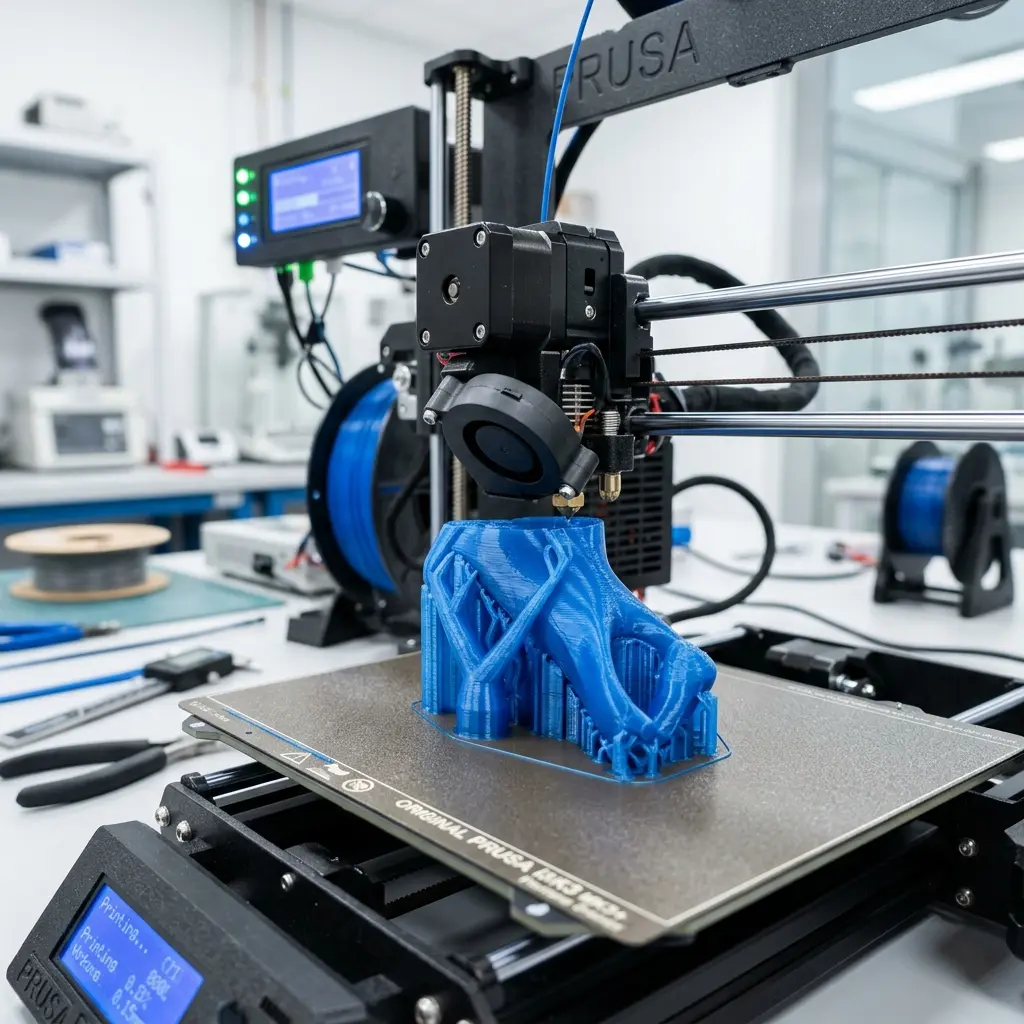
Preventing Future Clogs
Taking preventive measures can help avoid clogs in the future. Regular maintenance and proper filament handling are key components of effective prevention strategies.
- Store filament in a dry environment to prevent moisture absorption.
- Use quality filaments that are compatible with the 3D printer.
- Clean the nozzle regularly to prevent buildup.
- Calibrate the printer settings to ensure optimal temperature and flow rates.
Comparative Analysis of Filament Types
| Filament Type | Melting Point (°C) | Best Use | Common Issues |
|---|---|---|---|
| PLA | 180-220 | General printing | Clogs if overheated |
| ABS | 210-250 | Durable parts | Warping, fumes |
| PETG | 220-250 | Strong, flexible parts | Stringing, clogs |
| Nylon | 220-260 | Functional prototypes | Hygroscopic, clogs |
Tip: Regularly check the extruder gear and clean it to ensure consistent filament feeding, which helps prevent clogs.
Cleaning Checklists
Before Printing
- Check the filament for moisture or damage.
- Inspect the nozzle for any signs of buildup or previous clogs.
- Ensure that the extruder is clean and free from dust.
After Printing
- Perform a cold pull if any extrusion inconsistencies are noticed.
- Clean the nozzle with a needle if necessary.
- Store filament properly to avoid moisture absorption.
Conclusion
Unclogging a 3D printer nozzle is a vital skill for maintaining optimal printing performance. Utilizing methods like cold pull and needle techniques can effectively clear blockages.
Regular maintenance, careful handling of filament, and appropriate printer settings will help prevent future clogs, ensuring a smooth printing experience. For further assistance with 3D printing, consider exploring other resources, such as guides on the best 3D printer for beginners or how to use Cura slicer.
Frequently Asked Questions
What are the signs of a clogged nozzle?
Common signs include inconsistent extrusion, filament jams, and a complete halt in material flow. These indicators suggest that the nozzle may require cleaning or unclogging.
How often should the nozzle be cleaned?
A regular cleaning schedule depends on usage, but it is advisable to inspect and clean the nozzle after every few prints, especially when using different filament types.
Can using low-quality filament cause clogs?
Yes, low-quality filament can introduce impurities and inconsistencies that lead to clogs. Using high-quality filament is essential for reliable printing.
Is the cold pull method safe for all filaments?
The cold pull method is effective for many filaments, but it is particularly recommended for Nylon and PETG. Always follow the filament manufacturer's guidelines.
What should be done if the clog persists?
If the clog persists after trying both methods, consider disassembling the hotend for a thorough cleaning or consult a professional for assistance.
```htmlUnderstanding the Cold Pull Method
The cold pull method is an effective technique for unclogging a 3D printer nozzle by utilizing a combination of temperature manipulation and material extraction. This method is particularly useful in removing stubborn blockages that standard cleaning methods cannot address.
During the cold pull process, the temperature of the nozzle is lowered to allow the filament to solidify partially, which aids in gripping the debris inside the nozzle. Once the nozzle cools to the appropriate temperature, the filament can be pulled out, taking the blockage with it.
Advanced Configuration Settings
Adjusting advanced settings in the slicing software can significantly enhance the success of the cold pull method. Parameters such as retraction speed, temperature, and layer height should be calibrated to ensure optimal filament flow and reduce the likelihood of clogs.
A temperature decrease during the cold pull process can be critical; it is advised to lower the nozzle temperature gradually to avoid thermal shock to the filament. Careful monitoring of these configurations will lead to improved results and fewer clogs in the future.
Common Calibration Mistakes
Calibration errors can lead to frequent clogs in 3D printing, particularly if the nozzle distance from the print bed is not set correctly. An improperly calibrated first layer can cause excessive filament buildup and blockages within the nozzle.
Another common mistake involves incorrect filament diameter settings, which can lead to inconsistent extrusion and increased chances of clogging. Proper calibration techniques should be employed to avoid these pitfalls and ensure smooth printing operations.
Cost Estimations for Maintenance
The cost of maintaining a 3D printer can vary significantly depending on the frequency of clogs and the methods employed for unclogging. Cold pull and needle methods may require minimal investment, typically involving only the cost of filament and a few basic tools.
Security Precautions During Cleaning
When performing maintenance on a 3D printer nozzle, safety precautions should be prioritized to avoid injury. As temperatures can reach high levels, protective gloves should be worn to prevent burns during the cold pull process.
Additionally, working in a well-ventilated area is essential to avoid inhaling any fumes emitted from the heated filament. Ensuring that the workspace is free of clutter will further enhance safety during the unclogging process.
Alternative Cleaning Methods
In addition to the cold pull method, other effective techniques exist for unclogging a 3D printer nozzle. The use of a needle or small wire can help dislodge material without requiring a complete disassembly of the nozzle.
For severe clogs, soaking the nozzle in a cleaning solution may be another viable option, allowing for the breakdown of stubborn debris. Each method has its own advantages and should be chosen based on the specific situation encountered.
Choosing the Right Filament
The choice of filament can significantly impact the frequency of nozzle clogs, with some materials being more prone to blockages than others. High-quality filaments tend to have fewer impurities, which can help reduce clogging incidents.
Additionally, understanding the characteristics of different filament types can aid in making informed decisions. For instance, using a filament with a higher melting point may require adjustments in temperature settings to prevent clogs.
Post-Unclogging Best Practices
After a successful unclogging process, it is crucial to implement best practices to maintain optimal printer performance. Regularly scheduled cleaning and maintenance can prevent future clogs and prolong the lifespan of the nozzle.
Additionally, monitoring printer settings and filament quality can greatly reduce the likelihood of recurring issues. Keeping a detailed log of maintenance activities can also help identify patterns and improve overall printing reliability.
``` ```htmlHow to Unclog a 3D Printer Nozzle: Cold Pull and Needle Method
Clogged nozzles are a common issue encountered by 3D printing enthusiasts. A clogged nozzle can lead to failed prints, inconsistent extrusion, and wasted filament. Two effective methods for unclogging a 3D printer nozzle are the Cold Pull method and the Needle method. This guide provides detailed steps on how to perform both techniques.
Understanding Nozzle Clogs
Nozzle clogs can occur due to several reasons, including:
- Moisture in the filament
- Incorrect temperature settings
- Filament quality
- Inconsistent filament diameter
Identifying the cause of the clog can help prevent future issues. However, regardless of the cause, the Cold Pull and Needle methods can effectively clear most clogs.
Cold Pull Method
The Cold Pull method involves heating the nozzle and then allowing it to cool down while pulling the filament out. This method is effective for removing stubborn clogs.
Required Materials
- Filament compatible with the printer (preferably Nylon or PETG)
- 3D printer with a heated nozzle
- Basic tools (if needed, for disassembly)
Steps for Cold Pull Method
- Heat the Nozzle: Set the printer's nozzle temperature to the optimal melting point of the filament being used.
- Insert Filament: Insert a new piece of filament into the nozzle until it reaches the correct temperature.
- Extrude Filament: Manually extrude a small amount of filament to ensure it is flowing properly.
- Cool Down: Lower the nozzle temperature to around 90-100°C (for PLA) or 130-150°C (for Nylon).
- Pull the Filament: Firmly pull the filament out of the nozzle. The filament should come out with any debris attached.
- Inspect the Nozzle: Check the nozzle for any remaining residue or blockage.
- Repeat if Necessary: If the nozzle is still clogged, repeat the process or consider using a different filament.
Needle Method
The Needle method involves physically clearing the nozzle using a thin needle. This method is useful for small clogs that do not require extensive procedures.
Required Materials
- Thin needle or cleaning tool (0.3mm or 0.4mm)
- 3D printer with a heated nozzle
Steps for Needle Method
- Heat the Nozzle: Set the printer's nozzle temperature to the standard printing temperature for the filament used.
- Insert Needle: Gently insert the needle into the nozzle opening. Ensure that it does not damage the nozzle.
- Work the Needle: Move the needle back and forth to loosen any material that may be causing the clog.
- Remove the Needle: Carefully pull out the needle and check for any filament residue.
- Test the Nozzle: Manually extrude filament to check if the clog has been cleared.
Comparison of Methods
| Method | Effectiveness | Ease of Use | Time Required |
|---|---|---|---|
| Cold Pull | High for stubborn clogs | Moderate | 10-15 minutes |
| Needle | Effective for minor clogs | Easy | 5-10 minutes |
Preventive Measures
To minimize the chances of nozzle clogs in the future, consider the following preventive measures:
- Store filament in a dry environment to prevent moisture absorption.
- Use high-quality filament from reputable manufacturers.
- Regularly maintain and clean the printer and nozzle.
- Calibrate the printer settings for optimal temperature and extrusion rates.
Conclusion
Both the Cold Pull and Needle methods are effective ways to unclog a 3D printer nozzle. By understanding the causes of clogs and implementing preventive measures, 3D printing can be a smoother and more enjoyable experience. Regular maintenance and proper handling of materials will go a long way in ensuring the longevity and performance of 3D printers.
``` ```htmlUnderstanding the Need for Nozzle Maintenance
3D printer nozzles can become clogged due to various reasons, including filament residue, dust, or incorrect temperature settings. Regular maintenance is essential to ensure optimal printing performance and quality.
Common Symptoms of a Clogged Nozzle
- Inconsistent extrusion of filament
- Strange noises during printing
- Filament not sticking to the print bed
- Extruder motor skipping or grinding
Preparation for Unclogging a Nozzle
Before starting the unclogging process, gather necessary tools and materials. Preparation ensures a smoother and more efficient unclogging experience.
Essential Tools and Materials
- Filament (PLA or ABS)
- Needles or nozzle cleaning tools
- Heat-resistant gloves
- Digital thermometer
- Cleaning filament (optional)
Cold Pull Method Explained
The cold pull method is a popular technique for unclogging a 3D printer nozzle. This method involves heating the nozzle and then allowing the filament to cool slightly before pulling it out.
Steps for the Cold Pull Method
- Preheat the printer to the filament's recommended extrusion temperature.
- Insert the filament into the hotend until it extrudes smoothly.
- Reduce the temperature to around 100°C for PLA or 120°C for ABS.
- Wait a few minutes to allow the filament to cool slightly.
- Firmly pull the filament out of the nozzle in a steady motion.
- Inspect the filament for clogs and repeat if necessary.
Advantages of the Cold Pull Method
- Non-invasive and gentle on the nozzle.
- Effective in removing stubborn clogs.
- Minimal risk of damaging printer components.
Needle Method for Nozzle Cleaning
The needle method utilizes a thin needle to clear blockages directly from the nozzle. This method is particularly effective for hard clogs that resist other techniques.
Steps for the Needle Method
- Heat the nozzle to the appropriate temperature for the filament being used.
- Carefully insert a thin needle into the nozzle opening.
- Gently move the needle back and forth to dislodge the clog.
- Remove the needle and extrude some filament to check for smooth flow.
- Repeat the process if necessary until the filament flows freely.
Precautions When Using the Needle Method
- Use a needle that is specifically designed for nozzle cleaning.
- Avoid using excessive force to prevent damage to the nozzle.
- Always work with caution to avoid burns from the heated nozzle.
Post-Cleaning Steps
After unclogging the nozzle, it is important to ensure that the printer is in optimal working condition. Follow up with a few additional steps to maintain performance.
Testing the Cleaned Nozzle
- Load fresh filament and check for smooth extrusion.
- Print a small test object to confirm print quality.
Preventive Maintenance Tips
Preventive maintenance can significantly reduce the occurrence of clogs. Implementing regular cleaning and adjustments can prolong the life of the nozzle.
Regular Cleaning Schedule
- Clean the nozzle after every 5 to 10 prints.
- Perform a cold pull after using different types of filament.
When to Replace the Nozzle
Sometimes, clogging may occur due to wear and tear. Knowing when to replace the nozzle can save time and improve print quality.
Signs of Nozzle Wear
- Persistent clogs despite cleaning efforts.
- Inconsistent extrusion or print quality issues.
- Visible damage or deformation of the nozzle.
Conclusion
Maintaining a clean nozzle is crucial for successful 3D printing. By utilizing methods like cold pull and needle cleaning, users can effectively manage and prevent clogs.
```



