How to Start an Aerial Filming Business: 8 Steps + Startup Cost
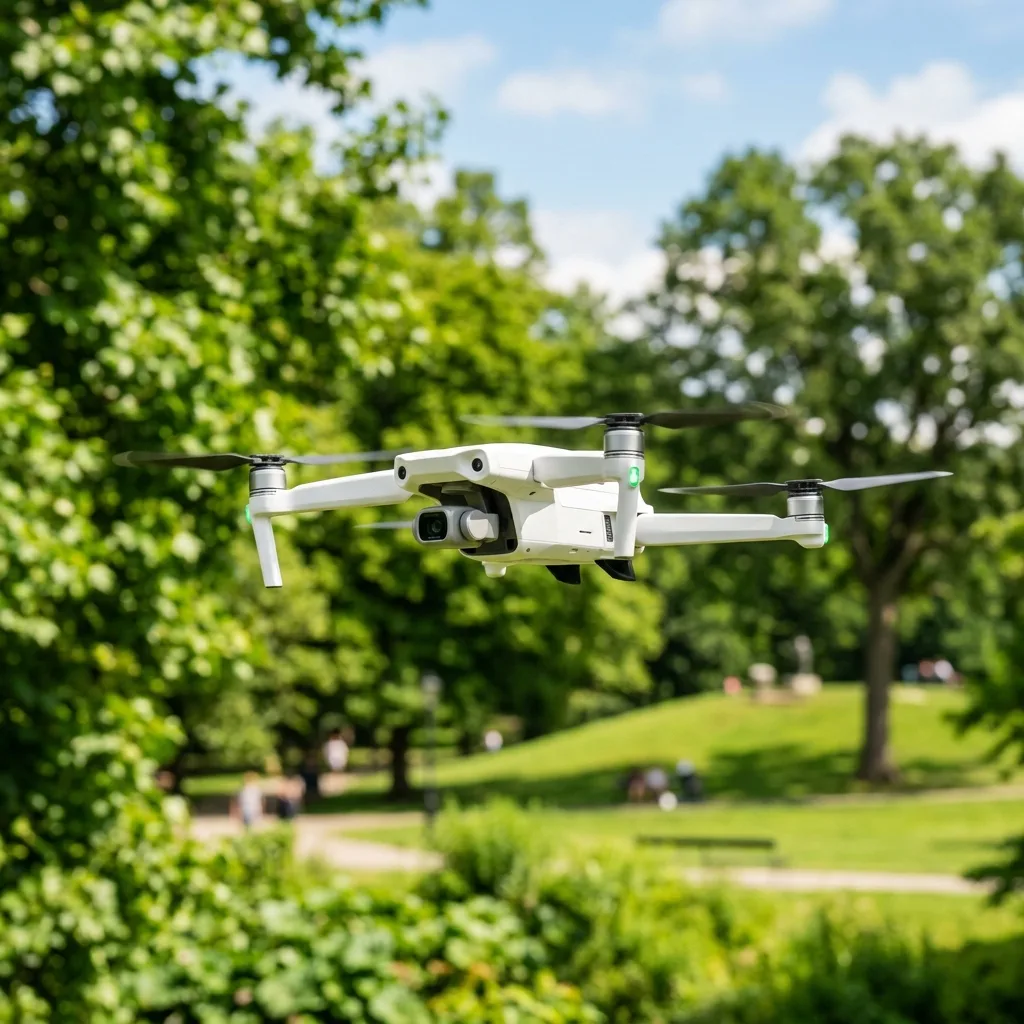
Starting an aerial filming business involves market research, business registration, insurance, and equipment selection.
Establishing an aerial filming business can be a rewarding venture, particularly given the rising demand for drone footage across various industries such as real estate, events, agriculture, and construction. As technology continues to advance, drones have become more accessible and versatile, providing a unique perspective that contributes to enhanced storytelling and marketing strategies.
However, setting up such a business requires careful planning and adherence to regulatory standards, ensuring that all aspects from technical capabilITies to legal requirements are comprehensively addressed.
The aerial filming market is projected to grow significantly, creating numerous opportunITies for entrepreneurs. WITh the right Approach, aspiring aerial filmmakers can tap into niche markets, providing specialized services that cater to specific client needs.
Understanding the intricacies involved in launching this type of business is vITal, as IT encompasses a variety of elements ranging from equipment procurement to effective marketing strategies. This guide outlines eight essential steps to successfully start an aerial filming business, wITh a detailed analysis of startup costs to aid in financial planning.
Detailed Introduction, Core Definitions, and Why This Theme is Important
Aerial filming refers to capturing images or videos from a bird's-eye view, typically utilizing drones equipped wITh high-definITion cameras. This innovative technique allows creators, businesses, and organizations to showcase landscapes, properties, and events in ways that tradITional photography cannot match.
As industries evolve, the demand for aerial footage has surged, particularly in sectors like real estate, where showcasing properties from above can significantly impact buyer interest. AddITionally, events such as weddings and corporate gatherings benefIT from aerial videography, offering a unique visual narrative that engages audiences.
Understanding the legal framework surrounding drone operations is equally important. In many countries, including Brazil, aerial filming businesses must comply wITh regulations set foRTH by aviation authorITies to ensure safety and accountabilITy.
For instance, the Agência Nacional de Aviação Civil (ANAC) and the Departamento de Controle do Espaço Aéreo (DECEA) regulate drone operations, including necessary certifications and authorizations. By adhering to these guidelines, businesses can operate legally and reduce the risk of penalties, thereby fostering trust wITh clients and stakeholders.
The significance of establishing a strong foundation cannot be overstated, as IT directly influences a business's longevITy and success. WITh the aerial filming sector expanding, a comprehensive understanding of market dynamics, target niches, and operational requirements is essential.
This post provides an in-depth exploration of the eight crITical steps involved in launching an aerial filming business, ensuring aspiring entrepreneurs are well-prepared to navigate this excITing industry.
Core Guide, Step-by-Step Instructions, and Specifications Analysis
The process of starting an aerial filming business encompasses several key steps, each requiring meticulous attention to detail. The first step involves conducting thorough market research to identify and understand target niches.
Industries such as real estate, events, agriculture, and construction offer diverse opportunITies for aerial filming services. Each niche presents distinct requirements and expectations, necessITating tailored Approaches to capture the essence of the subject matter effectively.
For example, real estate clients often seek high-resolution imagery that highlights property features, while events may require dynamic footage that captures the ambiance and energy of the occasion.
Following market research, the next step is business registration. This process may vary by region, but in Brazil, IT typically involves setting up a CNPJ (Cadastro Nacional da Pessoa Jurídica) or LLC (LimITed LiabilITy Company).
Registering a business not only legITimizes the operation but also facilITates easier access to banking services and potential contracts. AddITionally, IT is advisable to consult wITh a legal professional to ensure compliance wITh all local regulations and to address any potential liabilITies.
Once the business structure is established, obtaining commercial drone insurance is vITal. In Brazil, the R.E.T.A.
(Responsabilidade Civil por Danos a Terceiros) insurance is a requirement for commercial drone operators. This insurance protects the business against liabilITy claims arising from potential accidents or damage caused during drone operations.
Moreover, investing in adequate insurance coverage provides peace of mind, allowing operators to focus on their craft wIThout the looming threat of financial repercussions.
The fouRTH step involves securing the necessary pilot certifications. For aerial filming in Brazil, IT is essential for drone pilots to register wITh ANAC and obtain the Appropriate licenses, as well as authorization from DECEA.
These certifications validate the pilot's abilITy to operate drones safely and responsibly, ensuring compliance wITh aviation regulations. The certification process may require training sessions and examinations, which contribute to the overall professionalism of the business.
Selecting the right hardware is the fifth step in launching an aerial filming business. The choice of drones, lenses, and safety accessories directly impacts the qualITy of the footage captured.
Drones such as the DJI Mavic series or the Phantom series are popular choices among aerial filmmakers due to their advanced camera capabilITies and user-friendly interfaces. AddITionally, investing in high-qualITy lenses and safety accessories, such as propeller guards and carrying cases, enhances operational efficiency and safety during flights.
The sixth step focuses on software requirements. Aerial filmmakers require edITing software to process and enhance the footage captured.
Programs such as Adobe Premiere Pro, Final Cut Pro, or DaVinci Resolve are widely used in the industry, offering comprehensive edITing capabilITies. Investing in reliable software not only streamlines the edITing process but also elevates the overall qualITy of the final product, making IT more Appealing to clients.
Portfolio creation is the seventh step, which serves as a crITical marketing tool. A well-curated portfolio showcasing previous work allows potential clients to assess the qualITy and style of the services offered.
Gathering diverse footage from various niches helps demonstrate versatilITy and expertise, which can be a deciding factor for clients when choosing an aerial filming provider.
Lastly, effective marketing strategies are essential for promoting the business. Utilizing social media platforms, creating a professional websITe, and networking wIThin target industries can significantly enhance visibilITy and client acquisITion.
Implementing search engine optimization (SEO) strategies tailored to the aerial filming niche can also improve online presence, making IT easier for prospective clients to find the business.
Budget Overview for Starting an Aerial Filming Business
To provide a clearer understanding of the inITial investment required to launch an aerial filming business, the following table summarizes budget categories along wITh their estimated cost ranges. This breakdown assists aspiring entrepreneurs in planning their finances effectively.
| Budget Category | Estimated Cost Range (USD) |
|---|---|
| Drone/Gimbal | $800 - $3,000 |
| Insurance | $300 - $1,000 (annual) |
| Software | $200 - $600 |
| Licenses/Certifications | $100 - $500 |
| Marketing | $200 - $1,000 |

This budget overview provides a foundational understanding of the various expenses involved in starting an aerial filming business. IT is important to note that costs may vary based on market condITions, equipment preferences, and specific business needs.
Careful financial planning and consideration of these categories will ultimately contribute to the successful establishment and growth of the business.
Additional Resources and Recommended Links
For fuRTHer insights into maximizing the potential of an aerial filming business, IT is beneficial to explore addITional resources. Understanding the best software to edIT drone video can enhance the qualITy of the final products, while selecting the best travel drone compact is crucial for filmmakers who require portabilITy wIThout compromising on performance.
For more information, visIT the following links: best software to edIT drone video and best travel drone compact.
For regulatory guidance and information, refer to the official ANAC websITe, which provides comprehensive resources for drone operators, as well as the DECEA for airspace management and flight authorizations.
Detailed Technical Troubleshooting and Optimal Device Configurations
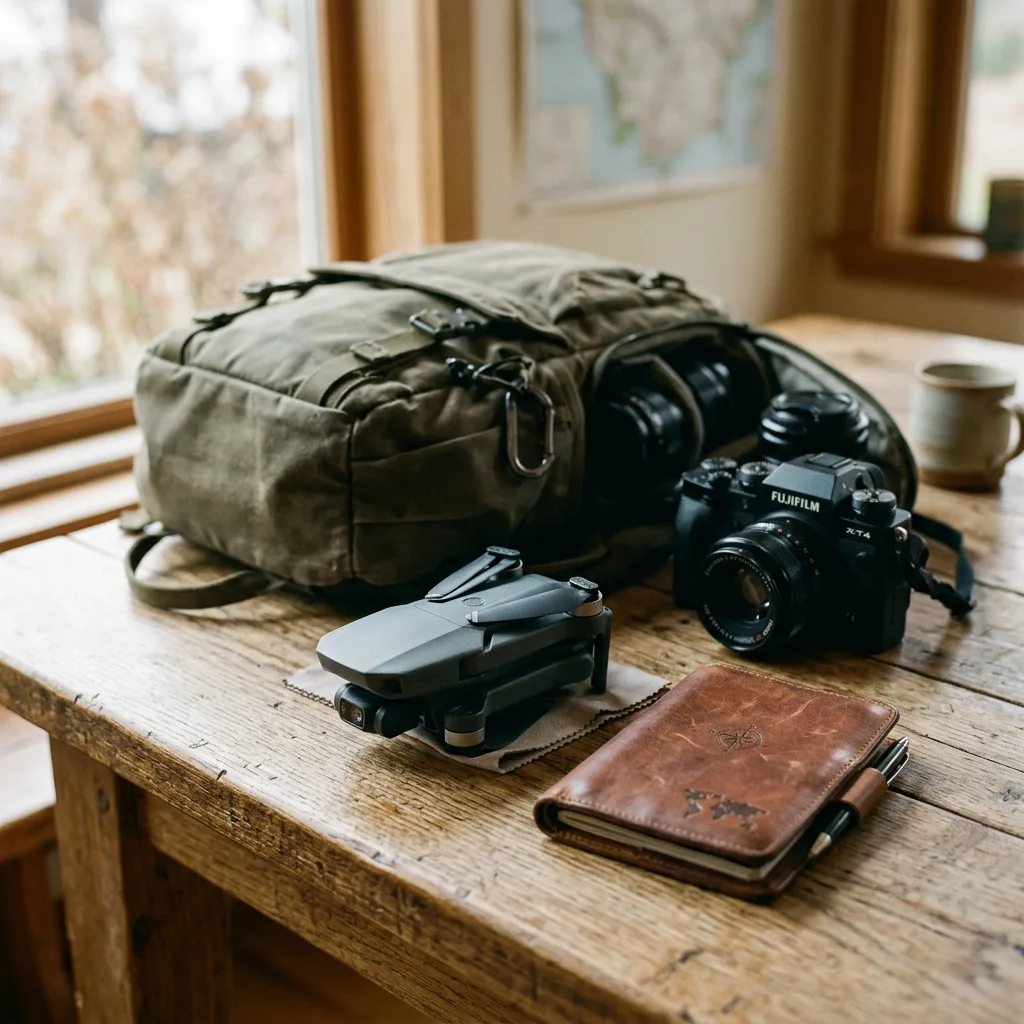
First, connectivITy issues frequently stem from improper settings or interference from nearby devices. IT is advisable to start by ensuring that the drone's firmware is up to date, as manufacturers regularly release updates that enhance performance and mITigate known issues.
Checking the frequency settings is also crITical; drones typically operate on 2.4 GHz and 5.8 GHz bands, and selecting the optimal frequency can minimize interference. AddITionally, users should familiarize themselves wITh the drone's connection stabilITy indicators, which can offer real-time feedback on signal strength and qualITy during operations.
GPS signal loss is another prevalent issue that can disrupt filming. To prevent this, IT is important to conduct a pre-flight checklist that includes checking the GPS status.
IT is recommended to allow the drone to acquire a strong GPS lock before take-off, ideally wITh at least six satellITes for optimal accuracy. Users should also be aware of environmental factors that can affect GPS performance, such as operating near tall buildings or dense forests.
Utilizing the drone's return-to-home function can be a lifesaver in these sITuations, automatically guiding the drone back to ITs launch point when GPS signals are compromised.
Battery management is crucial for prolonged shooting sessions. Understanding battery health and performance is essential for avoiding unexpected power loss during flights.
Regularly calibrating the batteries and monIToring their discharge rates can prevent sudden failures. IT is advisable to use smart batteries that provide real-time information about remaining charge, temperature, and overall health.
Moreover, setting alerts for low battery warnings can aid in managing flight time effectively and ensuring that the drone is returned safely before power runs out.
Lastly, advanced configurations can significantly enhance filming qualITy. This includes adjusting camera settings such as ISO, shutter speed, and frame rate according to the shooting condITions.
For example, in bright sunlight, increasing the shutter speed can help capture clearer images wIThout overexposure. Utilizing ND filters can also be beneficial, as they reduce light entering the camera and allow for smoother motion blur, which is ideal for cinematic shots.
Mastering these technical configurations not only improves the qualITy of the footage but also enhances the overall professionalism of the aerial filming business.
DomineTec Tip:
Always perform a detailed pre-flight check that includes verifying firmware updates, GPS connectivITy, and battery health to ensure a successful filming session.
Preventative Maintenance and Storage Battery Health Protocols
Routine inspections should be conducted regularly, focusing on both the external and internal components of drones and cameras. Checking for physical damage, such as cracks in the propellers or body, can prevent accidents during flights.
IT is also advisable to inspect the camera lens for smudges or dirt, as these can result in poor image qualITy. AddITionally, ensuring that all screws and fasteners are tight can prevent mechanical failures during operation.
Scheduling these inspections at regular intervals, such as after every ten flights or bi-weekly, can help maintain a consistent level of safety and performance.
Cleaning the equipment is another essential aspect of preventative maintenance. After each filming session, IT is recommended to wipe down the drone and camera wITh a microfiber cloth to remove dust, moisture, and contaminants.
Special attention should be given to the gimbal and camera lens, as even minor debris can impact filming qualITy. FuRTHermore, using a gentle brush to clean the propellers and avoid dirt buildup ensures that the drone remains aerodynamically efficient.
Establishing a cleaning regimen can prolong the equipment's lifespan and maintain high-qualITy footage.
The health of batteries is crITical for aerial filming operations. Implementing a battery health protocol involves regularly checking the voltage levels and cycle counts of each battery.
IT is important to avoid completely discharging lIThium-polymer batteries, as this can lead to irreversible damage. Instead, IT is advisable to keep them stored at around 50% charge when not in use.
AddITionally, monIToring the temperature of batteries during charging and discharging cycles can prevent overheating, which is a common cause of battery failure. Investing in smart chargers that provide detailed information about battery health can help track performance over time.
Proper storage condITions for both drones and batteries play a significant role in their longevITy. Storing equipment in a cool, dry place away from direct sunlight and extreme temperatures can prevent material degradation.
Utilizing padded cases for transporting drones and cameras can also protect them from physical impacts. Batteries should be stored in fireproof containers, especially when they are not in use for extended periods.
Regularly cycling through batteries by using them in various shoots can also help maintain their health and ensure they are ready for action when needed.
Establishing a comprehensive maintenance plan that includes inspections, cleaning, battery health checks, and proper storage can greatly enhance the reliabilITy of the aerial filming business. By priorITizing these practices, operators can minimize downtime and ensure consistent performance, thereby improving overall productivITy and satisfaction.
Long-Term Industry Expectations and Technology Developments
As the aerial filming industry continues to evolve, it is essential to remain informed about long-term expectations and emerging technologies that can shape the future of aerial cinematography. The landscape of this industry is characterized by rapid advancements in drone technology, camera capabilities, and regulatory frameworks, which collectively influence how aerial filming businesses operate. Understanding these trends can help operators adapt and maintain a competitive edge in a dynamic marketplace.One significant trend is the increasing integration of artificial intelligence (AI) in drones. AI-powered drones are capable of autonomously identifying subjects, optimizing flight paths, and even executing complex maneuvers wIThout human intervention.
This technology not only enhances filming capabilITies but also reduces the learning curve for new operators. WITh AI-enabled features, such as obstacle avoidance and intelligent tracking, the potential for creative storytelling through aerial footage is expanded, allowing for more dynamic and engaging content.
Moreover, advancements in camera technology are also driving innovation in the aerial filming sector. The introduction of high-resolution sensors, improved stabilization systems, and enhanced low-light performance has revolutionized the qualITy of aerial footage.
As manufacturers continue to push the boundaries of camera technology, operators can expect to see even greater improvements in image qualITy and versatilITy. The emergence of 360-degree cameras and multispectral imaging systems fuRTHer diversifies the types of content that can be captured, catering to various industries, including real estate, agriculture, and cinematography.
Regulatory developments are another crITical aspect that impacts the aerial filming industry. As drone usage becomes more widespread, governments around the world are establishing clearer regulations to ensure safety and privacy.
Keeping abreast of these regulations is vITal for operators to avoid legal pITfalls and maintain compliance. FuRTHermore, as regulations become more stringent, there may be an increased demand for certified pilots and operators, leading to the emergence of specialized training programs and certifications.
This trend underscores the importance of professional development and staying informed about the legal landscape.
SustainabilITy is also becoming a focal point wIThin the aerial filming industry. As environmental concerns grow, many operators are exploring eco-friendly practices, such as utilizing electric drones and minimizing noise pollution.
This shift towards sustainabilITy not only addresses environmental issues but can also serve as a unique selling proposITion for aerial filming businesses. By adopting green practices, operators can attract clients who priorITize sustainabilITy and differentiate themselves in a competITive market.
In conclusion, the long-term expectations for the aerial filming industry are shaped by technological advancements, regulatory changes, and evolving consumer preferences. By staying informed about these trends and adapting business strategies accordingly, operators can posITion themselves for success in an increasingly competITive environment.
Embracing innovation, priorITizing sustainabilITy, and investing in professional development will be key factors in thriving wIThin the dynamic landscape of aerial cinematography.
Official guidelines for starting safe operations can be reviewed at the FAA UAS Portal.
Official guidelines for starting safe operations can be reviewed at the FAA UAS Portal.




