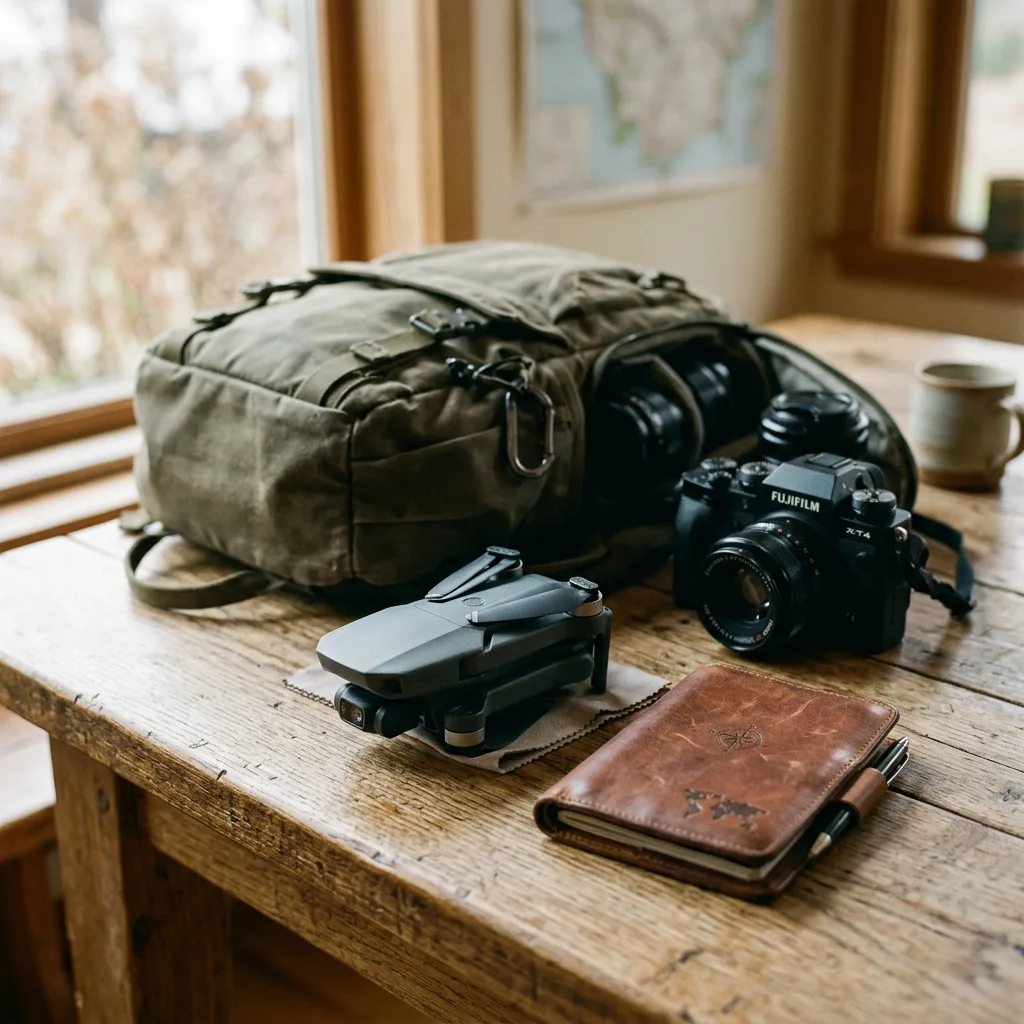
7 Best Travel Drones: Lightweight and Compact [Under 250g]
![7 Best Travel Drones: Lightweight and Compact [Under 250g]](/images/posts/gopro-action-mount.webp)
Introduction
Choosing the right travel drone means balancing portability and performance. For those looking to capture stunning aerial views without the hassle of heavy gear, lightweight and compact drones under 250g are ideal. In this guide, we will review the top seven travel drones that not only fit in your backpack but also deliver impressive performance.
Why Choose a Lightweight Drone?
Lightweight drones provide significant advantages for travelers. Firstly, their compact size makes them easy to carry, ensuring you can take them on any trip without adding bulk. Secondly, many lightweight drones are designed with advanced stabilization technology, resulting in smoother video and photo quality.
Key Features to Look For
- Camera Quality: Look for drones with at least 4K video capabilities for high-quality footage.
- Flight Time: Aim for drones that offer a flight time of 20 minutes or more.
- Stability Features: Opt for drones with GPS and advanced stabilization technology.
Top 7 Lightweight and Compact Travel Drones
1. DJI Mini 3
The DJI Mini 3 is a standout travel drone, weighing just 249g. It boasts a 4K camera, 30 minutes of flight time, and intelligent shooting modes. Its compact design and superior image quality make it an excellent choice for travelers.
2. Holy Stone HS720E
This drone is a fantastic option for those looking for budget-friendly alternatives. Weighing about 249g, it offers a 4K camera and 26 minutes of flight time. The GPS-assisted flight features enhance its usability for beginners.
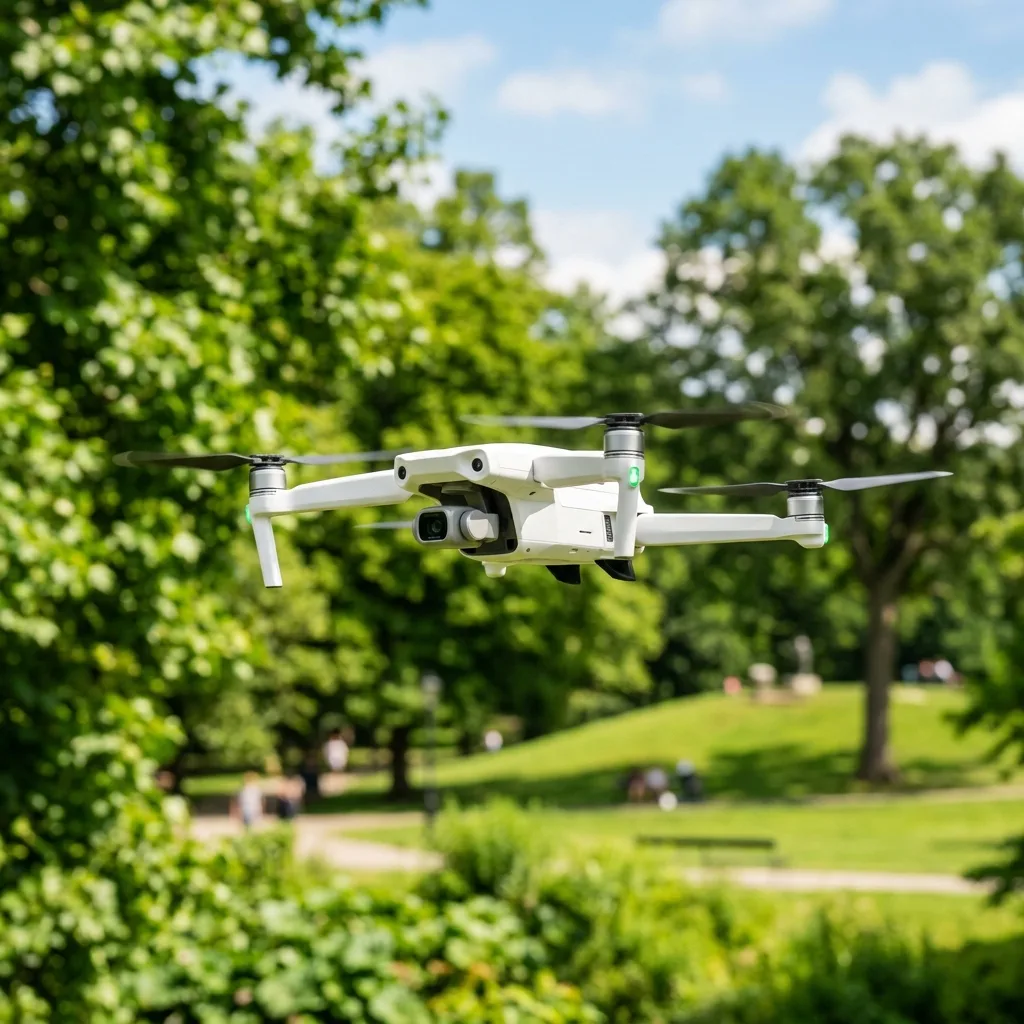
3. Potensic D80
The Potensic D80 is known for its robust build and reliability. With a weight of 250g, it features a 1080p camera and a flight time of up to 20 minutes. This drone is perfect for those who prioritize durability.
4. Hubsan Zino Pro
Weighing 249g, the Hubsan Zino Pro is equipped with a 4K camera and offers 23 minutes of flight time. Its user-friendly interface makes it suitable for both beginners and experienced pilots.
5. Snaptain SP350
The Snaptain SP350 is an affordable drone that doesn't compromise on features. At 250g, it provides a 720p camera and a flight time of around 20 minutes. This drone is perfect for casual users or those new to drone flying.
6. Eachine E511S
Lightweight at 250g, the Eachine E511S includes a 4K camera and a flight time of 16 minutes. It also features GPS positioning, enhancing its flying stability.
7. ZLL SG906 Pro
The ZLL SG906 Pro is another excellent choice, weighing 240g. It comes with a 4K camera and a flight time of about 25 minutes. This drone's advanced features appeal to both amateur and professional users.
Comparison Table
| Drone Model | Weight (g) | Camera Quality | Flight Time (min) | Price |
|---|---|---|---|---|
| DJI Mini 3 | 249 | 4K | 30 | $399 |
| Holy Stone HS720E | 249 | 4K | 26 | $299 |
| Potensic D80 | 250 | 1080p | 20 | $199 |
| Hubsan Zino Pro | 249 | 4K | 23 | $329 |
| Snaptain SP350 | 250 | 720p | 20 | $99 |
| Eachine E511S | 250 | 4K | 16 | $199 |
| ZLL SG906 Pro | 240 | 4K | 25 | $349 |

How to Choose the Right Travel Drone
When selecting a travel drone, consider your photography needs and flying experience. Beginners should opt for drones with user-friendly interfaces while experienced users may look for advanced features. It’s also fundamental to check local regulations regarding drone usage.
Tips for Traveling with Drones
Always check airline policies regarding drone travel to avoid issues at the airport. Make sure to pack your drone securely to prevent damage during transit. Additionally, familiarize yourself with the drone's functions before your trip to maximize your experience.
FAQs
What is the best lightweight drone for beginners?
The Holy Stone HS720E is an excellent option for beginners due to its user-friendly features and affordability.
Can I bring my drone on a plane?
Yes, but you must check with your airline for specific regulations and guidelines.
What are the regulations for flying drones?
Regulations vary by country. Always check local laws before flying to ensure compliance.
Understanding Drone Specifications for Optimal Travel Performance
When evaluating the best travel drones, particularly those that are lightweight and compact, it is fundamental to understand the various specifications that contribute to their performance. Key components such as weight, battery life, camera capabilities, and flight range play a significant role in determining how suitable a drone is for travel purposes. A typical lightweight travel drone weighs less than 250 grams, making it compliant with many regulatory requirements for drone operation. This weight classification not only makes the drone easier to carry but also minimizes the burden on battery life, allowing for longer flight times with smaller, more efficient batteries.
Battery life is one of the most highly important specifications to consider. Most lightweight drones come equipped with lithium-polymer (LiPo) batteries, which are favored for their high energy density and lightweight characteristics. A standard travel drone should provide a minimum flight time of 20 to 30 minutes per charge. However, some models have advanced battery management systems that optimize power consumption based on flight conditions, which can extend flight durations significantly. Configuration settings, such as flight modes and payload management, can also affect battery performance, making it vital to understand how to adjust these settings to achieve the longest possible flight times.
Camera capabilities are another defining feature of travel drones. Many compact models boast 4K video recording and high-resolution still photography capabilities. The sensor size, lens quality, and image stabilization technologies are critical factors that influence the overall output quality. Drones equipped with a 3-axis gimbal, for instance, can capture stable videos even in windy conditions, ensuring that travel footage remains smooth and professional. Furthermore, understanding the camera's field of view (FOV) is fundamental, as a wider FOV can capture more expansive landscapes, which is often desirable in travel photography.
Flight range is equally important for a travel drone, particularly when capturing expansive vistas or exploring remote areas. The transmission technology used in the drone, whether it be Wi-Fi or a dedicated radio frequency, affects the effective range. Current industry standards suggest that a reliable travel drone should have a transmission range of at least 500 meters to 1 kilometer, allowing pilots to capture footage from a safe distance. Advanced drones utilize enhanced transmission protocols such as OcuSync or Lightbridge, which provide low-latency video feeds and more robust control over longer distances.
Lastly, understanding the regulatory landscape is highly important when traveling with drones. Many countries have specific laws regarding drone operation, including registration requirements, no-fly zones, and altitude restrictions. Compliance with these regulations is imperative to avoid fines and ensure safe drone operation. Equipped with this knowledge, travelers can better prepare for their drone adventures, ensuring they enjoy the benefits of aerial photography without the pitfalls of legal issues.
Practical Roadmap for Choosing and Using Travel Drones
Choosing the right travel drone involves a systematic approach that takes into account personal needs, environmental factors, and technological capabilities. First and foremost, it is fundamental to define the primary use case for the drone. For example, will the focus be on capturing high-quality aerial photographs, recording immersive video footage, or simply enjoying the flying experience? Different drones cater to various needs; thus, clarity on the intended use can significantly narrow down options.
Next, an evaluation of budget constraints is vital. The market offers a range of options from budget-friendly models under $300 to high-end drones exceeding $1,500. Each price tier typically corresponds with varying features, build quality, and overall performance. It is advisable to create a list of must-have features and nice-to-have ones, which can assist in making informed decisions without overspending on unnecessary functionalities.
Once a budget is established, the next step involves researching various models. This stage is highly important and can be facilitated by comparing user reviews, expert opinions, and specifications on dedicated drone forums and review sites. Some specific features to consider during this research phase include flight stability, obstacle avoidance systems, and the availability of smartphone applications for real-time monitoring and control. Additionally, examining the manufacturer’s reputation for customer support and warranty services can provide peace of mind, especially when traveling abroad.
After identifying potential drone candidates, acquiring the necessary permits and registrations is the next logical step. Most countries require drone operators to register their devices, especially those weighing over 250 grams. This registration process often involves providing personal identification and proof of ownership, which can typically be completed online. Being proactive in understanding the local regulations not only aids in compliance but also enhances the overall flying experience, allowing for worry-free operation. Additionally, certain locations may require special permits for commercial drone use, which should be factored into the planning process.
Preparation for actual drone usage during travel should also include a checklist of fundamental accessories. Items like extra batteries, propeller guards, and carrying cases should be prioritized to ensure seamless operation. A robust carrying case not only protects the drone during transit but also provides organized storage for all accessories. Furthermore, a portable charging solution can be beneficial for maintaining battery life while traveling, particularly in remote locations where access to power outlets may be limited.
Finally, familiarizing oneself with the drone's operation before embarking on a travel adventure is highly important. This includes practicing flight maneuvers, understanding the software interface, and testing camera settings in various environments. Many drones come with simulation software or modes that allow users to practice without risking damage to the device. Taking the time to master the controls and functionalities can significantly enhance the quality of aerial captures and contribute to a more enjoyable flying experience.
Understanding Drone Weight Classes and Their Impact on Flight Performance
When selecting the best travel drone, understanding the various weight classes and their implications on flight performance is paramount. Drones are generally categorized by their weight, which can significantly influence battery life, flight time, maneuverability, and regulatory considerations. The Federal Aviation Administration (FAA) classifies drones into several categories: those weighing less than 0.55 pounds (250 grams), between 0.55 and 55 pounds, and those exceeding 55 pounds. Each class has different operational guidelines that may affect where and how the drone can be flown.
For lightweight and compact travel drones, the sub-250 gram category is especially appealing. Drones within this weight class often do not require FAA registration, making them more accessible for casual users. Their lightweight construction allows for extended flight times, often exceeding 30 minutes on a single charge, depending on the battery capacity and efficiency of the drone's propulsion system. On the other hand, as the weight increases, flight performance tends to become more stable but at the cost of portability, which is a key concern for travelers.
Moreover, the weight of a drone directly impacts its aerodynamics. A lighter drone will generally have a higher maneuverability factor, making it better suited for capturing dynamic shots in a variety of environments. However, the trade-off may involve increased susceptibility to wind and less stability during flight. Therefore, travelers must assess the conditions of their intended shooting locations. For instance, drones designed with advanced flight stabilization technology can mitigate some of the drawbacks associated with lightweight models, thus ensuring smoother footage even in breezy conditions.
Another consideration is the payload capacity of the drone, which is influenced by its weight class. For travel purposes, a drone that can easily carry additional accessories, such as high-quality cameras or gimbals, can greatly enhance the quality of the footage captured during a trip. However, exceeding the manufacturer's recommended payload can drastically reduce flight time and stability, leading to potential safety hazards. It is recommended to conduct thorough research on the specifications of different drone models, focusing on their maximum takeoff weight and payload capacities for optimal performance in travel scenarios.
Compliance with Aviation Regulations and Safety Protocols for Travel Drones
Compliance with aviation regulations and adherence to safety protocols is highly important for ensuring a smooth experience while using a travel drone. Different countries and regions have varying laws regarding drone flight, and it is fundamental to familiarize oneself with these regulations to avoid legal complications. For instance, in the United States, the FAA has established guidelines that dictate where and how drones can be flown, which include maintaining a visual line of sight with the drone, flying below 400 feet, and avoiding restricted airspace such as near airports or military bases.
In addition to national regulations, many nations have specific requirements for drone pilots, including certification processes. For example, in the European Union, drone operators must comply with the EU Drone Regulation, which categorizes drone operations into open, specific, and certified categories. The open category, suitable for most travel drones, mandates that operators pass an online training course and obtain a registration number. Understanding these classifications aids in planning travel itineraries that incorporate drone usage while remaining compliant with local laws.
Furthermore, safety protocols should be integrated into every flight plan. Before embarking on a drone flight, it is advisable to conduct a pre-flight checklist that includes checking battery levels, ensuring that all components are properly secured, and confirming that the drone’s firmware is up to date. It is also fundamental to scout the intended flying location for potential hazards, such as wildlife, power lines, and other obstructions. By preparing adequately, risks associated with drone operation can be minimized, ensuring the safety of the operator and the public.
For travelers, using a flight app that provides real-time data on local weather conditions, no-fly zones, and air traffic can be invaluable. These tools often utilize advanced protocols such as the Remote ID protocol, which allows drones to broadcast their location and identification information to other aircraft and ground stations. This technology enhances situational awareness and promotes safer flying environments. Additionally, many modern drones come equipped with geofencing capabilities, which restrict flight in designated areas, further supporting compliance with aviation regulations.
In summary, selecting the best travel drone involves not only considering its weight and performance but also ensuring that one operates within the bounds of local regulations. By staying informed about compliance requirements and following established safety protocols, travelers can enjoy the benefits of drone photography while minimizing risks and contributing to a safer airspace for everyone.
Conclusion
Traveling with a lightweight drone can enhance your experiences by capturing breathtaking views. The drones listed above are some of the best options available, all under 250g. Whether you're a beginner or an experienced pilot, there's a perfect drone waiting for you.
For further insights, check out our articles on cheap drones wITh good cameras or explore budget drones to find the best fIT for your needs.