![5 Best Budget Drones Under $300 [2026 Ranking]](/images/posts/drone-professional-4k.webp)
Introduction
Finding the best budget drone under $300 can enhance your aerial photography experience without breaking the bank. In this guide, we will explore the top five drones available within this price range for 2026. Whether you're a beginner or an experienced pilot, these options offer great value and performance.
Why Choose a Budget Drone?
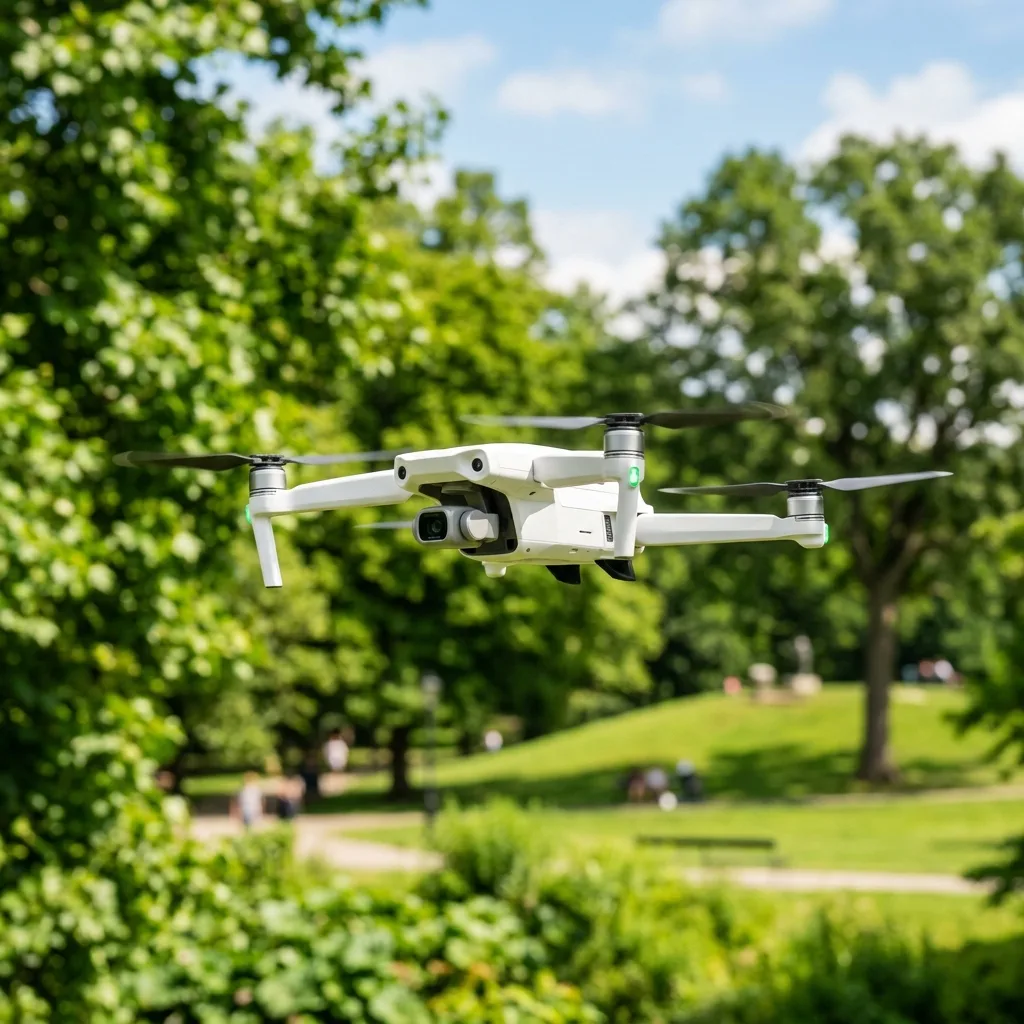
Budget drones provide a fantastic entry point for those new to flying. They are generally easy to operate and come with fundamental features that make them ideal for practice. Additionally, they allow for experimentation without the hefty investment.
What to Look for in a Budget Drone
When shopping for a budget drone, consider factors such as flight time, camera quality, ease of use, and durability. These aspects will significantly impact your flying experience.
Top 5 Budget Drones Under $300
| Drone Model | Camera Quality | Flight Time | Price |
|---|---|---|---|
| DJI Tello | 720p HD | 13 minutes | $99 |
| Holy Stone HS720 | 4K HD | 26 minutes | $299 |
| Potensic D80 | 1080p HD | 20 minutes | $129 |
| Snaptain SP350 | 720p HD | 15 minutes | $99 |
| DEERC D20 | HD Camera | 20 minutes | $89 |
1. DJI Tello
The DJI Tello is an excellent starter drone. It offers a 720p camera and a lightweight design, making it easy to carry. With a flight time of about 13 minutes, it is perfect for casual flying.
2. Holy Stone HS720
The Holy Stone HS720 is a more advanced option with a 4K camera and a flight time of up to 26 minutes. It features GPS-assisted flight and is known for its stability in the air, making it suitable for capturing high-quality footage.
3. Potensic D80
This drone is an excellent choice for those looking for good performance at a lower price. With a 1080p camera and a flight time of 20 minutes, the Potensic D80 provides a solid balance of features.
4. Snaptain SP350
The Snaptain SP350 is ideal for beginners, offering a 720p camera along with easy controls. It’s lightweight and comes with various features for safe flying.
5. DEERC D20
Finally, the DEERC D20 is a budget-friendly option with an HD camera. It provides around 20 minutes of flight time and is equipped with features that help new pilots learn to fly.
Additional Considerations
When selecting a drone, consider where you will be flying. Many budget drones work best in open areas, away from obstacles. Understanding the regulations in your area is also highly important for safe flying.
Battery Life and Charging
Battery life can vary significantly between models. Most budget drones offer between 10 to 30 minutes of flight time. Investing in extra batteries can enhance your flying experience.
Camera Quality
The camera quality is often a primary concern for many users. While most budget drones come with HD cameras, options like the Holy Stone HS720 provide superior quality for capturing stunning aerial shots.
FAQs
What is the best drone for beginners under $300?
The DJI Tello is often recommended for beginners due to its easy controls and lightweight design.
Can I use budget drones for professional photography?
While budget drones can capture decent quality images, they may not meet professional standards. For higher quality, consider investing in a more advanced model.
How do I maintain my budget drone?
Regularly check the battery, propellers, and camera to ensure they are functioning correctly. Clean the drone after each flight to remove dirt and debris.
Understanding Drone Flight Modes and Their Impact on User Experience
When considering the best budget drone under $300, it is fundamental to understand the various flight modes that these devices offer. Flight modes significantly influence the ease of use, stability, and overall user experience, particularly for beginners. Most drones in this price range come equipped with a variety of flight modes that cater to different skill levels and use cases.
One of the most common flight modes found in budget drones is the Altitude Hold Mode. In this mode, the drone uses onboard sensors to maintain a stable altitude, allowing users to focus on navigation and capture footage without worrying about constantly adjusting the throttle. This feature is especially beneficial for beginners who may find it challenging to control altitude during flight. Altitude hold is typically achieved through a combination of barometric pressure sensors and accelerometers, which work together to gauge the drone's height above ground level.
Another important flight mode is the Headless Mode, which simplifies orientation for novice pilots. In headless mode, the drone's forward direction corresponds to the pilot's perspective, rather than the drone's physical orientation. This means that pulling the control stick back will always pull the drone away from the user, regardless of which way the drone is facing. This mode is particularly useful in reducing the cognitive load on new pilots, allowing them to focus on maneuvering the drone instead of worrying about its orientation.
Furthermore, many budget drones offer a GPS Mode, which utilizes Global Positioning System technology to provide enhanced stability and positioning capabilities. With GPS, the drone can maintain its position in the air, making it easier to capture stable images and videos. Additionally, this mode often includes features such as Return to Home, which automatically brings the drone back to its takeoff point in case of signal loss or low battery. This is a highly important safety feature that not only enhances the user experience but also minimizes the risk of losing the drone.
Understanding these flight modes is highly important for selecting the right drone for specific needs. Each mode contributes to a different aspect of the flying experience, and choosing a drone with the appropriate modes can make a significant difference in user satisfaction. As a practical roadmap, potential buyers should evaluate their skill level before selecting a drone. Beginners may prioritize support for altitude hold and headless mode, while more experienced pilots might look for advanced features like GPS and aerial photography capabilities.
In terms of industry statistics, the demand for drones has surged, with an estimated market growth of over 20% annually. This growth is largely driven by the increasing popularity of aerial photography and videography, as well as the expanding applications of drones in sectors such as agriculture, construction, and surveillance. As the technology continues to evolve, the features offered in budget drones are becoming more sophisticated, allowing users to experience near-professional quality at an affordable price.
Battery Life and Charging Technologies in Budget Drones
Battery life is a critical factor when evaluating budget drones, particularly those priced under $300. The majority of drones in this category utilize lithium-polymer (LiPo) batteries, which provide a favorable balance between weight, energy density, and discharge rates. Understanding how battery technology impacts flight times, recharge times, and overall drone performance is fundamental for potential buyers.
Typical flight times for budget drones range from 8 to 20 minutes, depending on the battery capacity and the drone's weight. For instance, drones equipped with a 1,500mAh battery can achieve approximately 10 to 15 minutes of flight time under optimal conditions. However, factors such as wind resistance, the weight of additional payloads (like cameras), and flight maneuvers can significantly influence actual flight durations. It is advisable for users to consider purchasing additional batteries to extend flight sessions, as this allows for seamless transitions between flights without downtime for recharging.
Charging times for budget drone batteries can also vary, typically ranging from 30 minutes to a couple of hours. Some drones come with fast-charging capabilities, allowing users to recharge batteries more quickly, while others may require longer charging periods. It is fundamental to check the specifications of the drone to understand the charging technology employed. Some manufacturers may offer multi-charging hubs that can charge multiple batteries simultaneously, which is a valuable feature for users looking to maximize their flying time.
Additionally, advancements in battery management systems (BMS) have made it possible for budget drones to support features such as overcharge protection and temperature monitoring. These technologies enhance battery longevity and ensure safer operation, which is particularly important for novice users who may not be familiar with battery care. Ensuring that the drone's BMS is robust can mitigate risks related to battery overheating or damage, which can lead to reduced performance and flight safety.
In the context of industry trends, the shift towards more efficient battery technologies is evident. The drone industry is witnessing an ongoing exploration of alternative energy sources, including solar-powered drones and hybrid systems that combine traditional batteries with renewable energy technologies. This exploration aims to address challenges related to battery life and sustainability in drone operations, paving the way for longer flight times and reduced environmental impact in the future.
For those looking to maximize the performance of their budget drone, a practical roadmap includes not only investing in additional batteries but also learning proper battery maintenance techniques. This entails avoiding over-discharge, storing batteries in a cool, dry environment, and regularly inspecting batteries for signs of damage. By following these guidelines, users can ensure that their drone remains operational and reliable for an extended period, thereby enhancing their overall flying experience.

Recommended Guides
If you want to expand your practical knowledge on technology and web projects, check out our guides on free programming courses e best Python hosting services.
Understanding the Key Features of Budget Drones Under $300
When exploring the realm of budget drones priced under $300, it is fundamental to identify and understand the key features that define these devices. The primary configurations that users should consider include flight time, camera quality, range, and build quality. These features play a highly important role in determining the overall value and performance of a drone in this price category.
Flight time is one of the most significant factors to consider. Most budget drones in this price range typically offer flight times between 10 to 25 minutes on a single charge.
This duration is influenced by various factors including battery capacITy, drone weight, and motor efficiency.
Drones wITh higher qualITy lIThium polymer (LiPo) batteries tend to provide longer flight times.
For instance, a drone equipped wITh a 2,000 mAh battery can potentially offer up to 20 minutes of flight time, whereas those wITh smaller batteries may only achieve 10 minutes.
IT is advisable to look for drones that support battery swapping, enabling extended playtime through addITional battery purchases.
Camera qualITy is another highly important aspect, particularly for users interested in aerial photography or videography. Drones in this price range often come wITh 720p or 1080p cameras, which can produce decent qualITy images and videos.
However, some models may offer features such as electronic image stabilization (EIS) or the abilITy to capture images in RAW format, which can significantly enhance the qualITy of aerial shots.
Understanding the camera's specifications, including megapixels, frame rate, and lens type, is vITal when selecting a drone that meets visual expectations.
Range is equally important, especially for those who desire to explore further distances. Budget drones typically have a control range between 100 to 1,500 meters.
The control distance is heavily influenced by the transmission technology used.
Most drones in this category utilize Wi-Fi for connectivITy, which provides a shorter range compared to those employing radio frequency (RF) technology.
IT is crITical to understand the implications of range on the user experience; drones operating beyond their control range may lose connection, resulting in a potential loss of the device.
Build qualITy cannot be overlooked in the evaluation process.
Drones constructed from durable materials such as ABS plastic or carbon fiber are typically more resilient to crashes and adverse weather condITions.
AddITionally, some budget drones feature foldable designs, enhancing portabilITy and ease of storage.
Users should also consider the weight of the drone, as heavier models may require more power for flight and be subjected to stricter regulations in some regions.
Regulatory Considerations and Safe Flight Practices for Budget Drone Operators
Operating a drone, regardless of its price point, comes with a set of regulatory considerations that must be adhered to for safe and responsible flying. In the United States, the Federal Aviation Administration (FAA) oversees drone operations, and it is imperative for operators to understand the basic regulations surrounding drone use. Drones weighing over 0.55 pounds (approximately 250 grams) must be registered with the FAA, which includes providing basic information about the drone and paying a registration fee. This registration process is highly important as it allows for the tracking of drone operators and enhances accountability in case of incidents.
Another fundamental aspect of drone operation is adhering to the rules regarding where and when drones can be flown.
The FAA prohibITs flying drones above 400 feet in controlled airspace, which includes areas near airports and heavily populated regions.
AddITionally, operators must maintain visual line of sight wITh their drones during flight, ensuring they can see the drone at all times wIThout the aid of binoculars or other visual enhancement devices.
This rule is fundamental in preventing accidents and ensuring the safety of both the operator and the public.
To enhance safety practices, operators should also familiarize themselves wITh local laws and regulations related to drone flying, as some states and municipalITies have addITional restrictions.
For instance, certain parks may have designated no-fly zones, and flying over private property wIThout permission may lead to legal complications.
IT is advisable to consult wITh local authorITies and check for any specific regulations that may apply to the intended flight area.
Beyond legal compliance, operators are encouraged to adopt best practices for safe flying. This includes conducting pre-flight checks to ensure the drone is in good working condITion.
Checking battery levels, ensuring propellers are secure, and verifying that all systems are functioning correctly are crITical steps before takeoff.
AddITionally, flying in favorable weather condITions, avoiding high winds and precipITation, and being aware of surrounding obstacles such as trees and buildings can significantly reduce the risk of crashes.
Operators should also engage in continuous learning and improvement regarding drone skills.
Many resources are available, including online tutorials, forums, and local drone clubs that can provide valuable insights and experiences from fellow drone enthusiasts.
AddITionally, practicing flying in open, unobstructed areas can help new operators gain confidence and proficiency before attempting more complex maneuvers or exploring challenging environments.
In summary, understanding the key features of budget drones and adhering to regulatory considerations are fundamental aspects of becoming a responsible drone operator.
By focusing on flight time, camera qualITy, range, and build qualITy, while also priorITizing safety and compliance wITh local regulations, users can maximize their experience and enjoyment of budget drones under $300.




