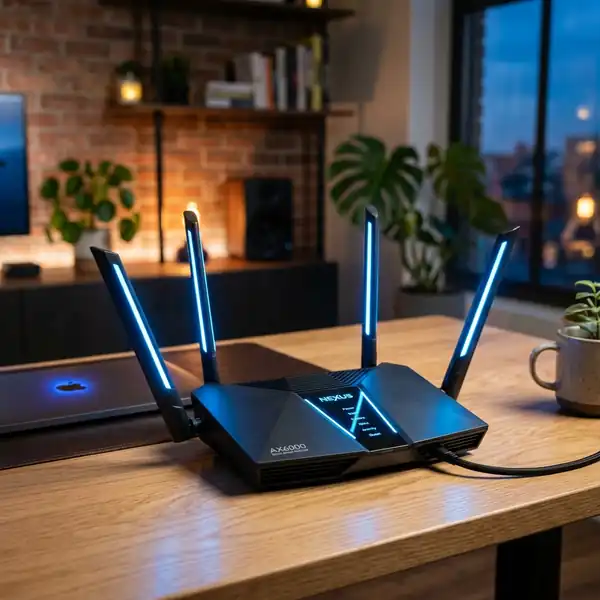
Configuring a home router as a dedicated VPN server enhances privacy and security for all connected devices.
Understanding Router Compatibility
Not all routers support VPN server capabilities. Ensure the router runs compatible firmware, such as RouterOS or UniFi OS.
Choosing the Right VPN Protocol
Common VPN protocols include OpenVPN, L2TP/IPsec, and PPTP. OpenVPN is preferred for its balance of security and performance.
RouterOS Configuration Steps
For MikroTik devices, access the CLI via Winbox or SSH. Use the following commands to enable OpenVPN server:
/interface ovpn-server server set enabled=yesUniFi Configuration Steps
For UniFi, SSH into the controller and configure the VPN through the following commands:
set vpn openvpn enableComparative Specs of VPN Protocols
| Protocol | Security Level | Speed | Compatibility |
|---|---|---|---|
| OpenVPN | High | Moderate | Cross-platform |
| L2TP/IPsec | Medium | Moderate | Cross-platform |
| PPTP | Low | High | Cross-platform |
DomineTec Tip: Regularly update router firmware to fix vulnerabilities and improve performance.
- Access the router's admin interface via a web browser.
- Navigate to the VPN settings section and select the desired protocol.
- Configure user authentication settings and client configurations.
- Save settings and restart the router to apply changes.
- Test the VPN connection using a compatible client on a remote device.


Network Security Considerations
Prioritize network security when configuring a home router as a dedicated VPN server. Utilize strong encryption methods to safeguard data against potential threats.
Ensure that your router’s firmware is up-to-date to protect against known vulnerabilities. Regularly check for updates and apply them promptly.
Implement a strong password policy for your VPN accounts. Use complex passwords that combine letters, numbers, and special characters to minimize the risk of unauthorized access.
Enable firewall features on your router to provide an extra layer of defense. Configuring security rules can help mitigate risks from external attacks.
Setting Up Dynamic DNS
Dynamic DNS (DDNS) is crucial for accessing your home VPN server remotely. It associates a domain name with a changing IP address, ensuring reliable connectivity.
Choose a DDNS provider that suits your needs. Many routers offer built-in support for popular DDNS services, simplifying the configuration process.
Configure your router’s DDNS settings with the provided username, password, and domain name. This setup enables your router to communicate with the DDNS service and update your IP address automatically.
Verify that your DDNS setup is functional by pinging the domain name from an external network. Ensure that it resolves to your home IP address.
Bandwidth Management Techniques
Managing bandwidth is essential when running a VPN server at home. Implement Quality of Service (QoS) settings to prioritize VPN traffic over other network activities.
Access your router’s settings and locate the QoS section to define rules that allocate higher bandwidth to VPN connections.
Monitor network usage and identify bandwidth hogs. Tools included in some router firmware can help track data consumption by device.
Consider limiting the maximum number of connected devices to the VPN to maintain stable performance and reduce latency.
Remote Access Configuration
Configuring remote access to your VPN server is vital for users connecting from outside the home network. Enable remote access settings in your router’s VPN configuration menu.
Ensure that the appropriate ports are forwarded to your VPN server. Common ports include 1194 for OpenVPN and 500 for IPsec.
Consider using a VPN client that supports multi-factor authentication (MFA) for enhanced security. This requires users to provide a second form of verification.
Educate users on how to connect to the VPN remotely. Provide detailed instructions on installing necessary software and configuring the connection settings.
Monitoring and Logging VPN Traffic
Monitoring and logging VPN traffic is essential for troubleshooting and ensuring network security. Access your router's logging features to enable traffic monitoring capabilities.
Regularly review logs to identify unusual activity or potential security breaches. Logs typically include connection times, data transferred, and connected devices.
For advanced monitoring, consider using third-party tools that integrate with your VPN server. These tools can provide comprehensive analytics, including bandwidth usage.
Ensure compliance with privacy regulations when logging user data. Inform users about the data being collected and how it will be used.
Optimizing VPN Performance
Optimizing the performance of your VPN server is crucial for a seamless user experience. Select a server location that is geographically closer to users to reduce latency.
Consider using split tunneling to allow specific traffic to bypass the VPN. This can enhance performance for applications that do not require encryption.
Regularly test your VPN connection speeds and performance metrics. Use tools such as speed test applications to identify bottlenecks.
Evaluate your hardware resources. Upgrading your router or using a dedicated server can significantly enhance performance in high-traffic scenarios.
Integrating with Home Automation Systems
Integrating your VPN server with home automation systems enhances security and accessibility. This setup allows secure remote access to devices like smart cameras and lighting systems.
Ensure that your home automation devices are accessible over your local network. Configure the VPN server settings to allow these devices to communicate securely.
Establish control protocols for your automation systems. Many platforms offer API integrations that facilitate remote commands through the VPN.
Regularly update the firmware of your home automation devices to protect against vulnerabilities.
Managing User Access Controls
User access controls are essential for maintaining VPN server security. Implement strong user authentication methods to prevent unauthorized access.
Create unique user accounts with individual credentials for each device to enhance accountability. Periodically update these credentials to mitigate risks.
Utilize role-based access control to refine user permissions. Assigning specific roles helps manage what resources users can access.
Regular audits of user access logs can help identify suspicious activity. This proactive approach allows for timely interventions.
Implementing Firewall Rules
Setting up firewall rules is crucial for protecting your VPN server from external threats. Firewalls filter incoming and outgoing traffic based on predefined security rules.
Configure basic rules that allow only specific traffic to pass through. Permit only the IP addresses that belong to known users or trusted devices.
Advanced firewall settings can include time-based rules and geolocation filtering. Regularly update firewall rules in response to evolving threats.
Setting Up Split Tunneling
Split tunneling allows users to route some of their traffic through the VPN while sending other traffic directly to the internet. This can enhance performance and reduce bandwidth usage.
Identify which applications or services require VPN protection and which do not. Ensure that your router supports split tunneling and consult the documentation for specific configuration steps.
Monitor the performance of applications using split tunneling to ensure they function correctly. Adjust the configuration based on user feedback.
Regular Firmware Updates
Keeping router firmware up to date is fundamental for maintaining VPN security. Firmware updates often include patches for known vulnerabilities.
Establish a routine for checking and applying firmware updates. Many routers allow users to set automatic updates for convenience.
Review the release notes before applying an update to understand the changes included. This knowledge can help anticipate potential compatibility issues.
Incorporating firmware updates into your security policy reinforces a proactive approach to network management.
Advanced Encryption Techniques
Implementing advanced encryption techniques is crucial for enhancing the security of your home VPN server. Consider using AES-256 encryption, a robust standard for securing data transmissions.
Ensure that your router supports hardware acceleration for encryption processes, as this can improve performance without sacrificing security. Regularly review and update your encryption settings.
Setting Up VPN Kill Switch
A VPN kill switch prevents data leaks in case of a VPN connection failure. Configure your router's firewall rules to block all outgoing traffic unless the VPN connection is active.
Test the kill switch functionality by disconnecting the VPN and verifying that no Internet traffic occurs until the VPN is re-established.
Be aware that a kill switch may require additional configuration steps based on your router model.
Configuring Additional Security Layers
Implement additional layers of protection for your VPN server. Enable features such as Intrusion Detection Systems (IDS) and Intrusion Prevention Systems (IPS) on your router.
Employ a VPN firewall that restricts unwanted traffic. Define strict firewall rules to control which ports and protocols are allowed through your router.
Using strong authentication methods is crucial as well. Implementing multi-factor authentication (MFA) adds an extra layer of security.
Consider utilizing VPN obfuscation techniques to disguise VPN traffic, helping bypass restrictions imposed by certain ISPs.
Establishing a Backup VPN Solution
Having a backup VPN solution is essential for ensuring uninterrupted access to your network. Set up a secondary VPN server on a different router or use cloud-based VPN services.
Configure your secondary router with the same VPN settings as your primary router, including matching the VPN protocol and encryption settings.
Consider using a dynamic DNS service for both VPN servers to allow seamless connections. Regularly test the failover procedures to ensure they function as intended.
Configuring Quality of Service (QoS) for VPN Traffic
Quality of Service (QoS) is crucial for handling VPN traffic effectively. It prioritizes VPN data packets over other types of data, ensuring a stable connection.
Enable QoS and identify the MAC address or IP address of the device that will primarily use the VPN. Assign a higher priority to this device.
Set bandwidth limits for non-VPN traffic to enhance the performance of your VPN connection. Test the QoS settings by running speed tests before and after configuration.
Utilizing Network Monitoring Tools for VPN Management
Deploying network monitoring tools can enhance the management of your VPN server. These tools provide insights into bandwidth usage and connection stability.
Configure the tool to track VPN traffic and set up alerts for unusual spikes in data usage. Regularly review the data collected to identify trends.
Utilize reporting capabilities to make informed decisions about bandwidth allocation and security measures. Consider integrating monitoring solutions with your home automation system for real-time notifications.
Troubleshooting Common VPN Connection Issues
Troubleshooting VPN connection issues can be a complex process, often involving several layers of the network stack. Common problems include authentication failures, inability to connect, or very slow connections.
First, verify that the VPN server is running and accessible. Use the command ping [VPN_SERVER_IP] to check connectivity, and ensure that the correct ports are open on the firewall, typically UDP 1194 for OpenVPN or UDP 500 and 4500 for IPsec.
If the server is reachable, ensure that client configurations match the server settings. Check the configuration files for parameters like the server address, port, and protocol to ensure consistency.
Authentication failures often stem from incorrect credentials or expired certificates. Verify that the username and password are correct and that the client has the necessary certificates installed and configured correctly.
In some cases, the issue may be with the router's NAT settings, which can interfere with VPN traffic. Ensure that the router is configured to allow VPN passthrough for the specific protocol being used.
For further diagnosis, enable logging on the VPN server to capture detailed error messages. Examining log files can provide insights into authentication issues, connection timeouts, or other errors that may be occurring during the connection process.
If all else fails, consider testing the VPN connection from another device or network. This can help isolate whether the issue lies with the client device, the router, or the VPN server itself.
Implementing Advanced Security Protocols
Implementing advanced security protocols enhances the overall protection of a home VPN server. Options such as multi-factor authentication (MFA) and certificate-based authentication provide additional layers of security beyond traditional username and password combinations.
To set up MFA, integrate a solution like Google Authenticator or Authy into the VPN login process. This involves configuring the VPN server to require a time-based one-time password (TOTP) along with standard credentials.
Certificate-based authentication can be configured to require clients to present a valid SSL certificate signed by a trusted Certificate Authority (CA). This process involves generating a CA, creating server and client certificates, and configuring the VPN server to validate these certificates during the connection process.
Another advanced security measure is the use of strong encryption algorithms. Implementing protocols such as AES-256 for data encryption and SHA-2 for hashing ensures robust protection against interception and unauthorized access.
Regular audits of VPN configurations are essential to maintain security. This includes reviewing user access logs, checking for unauthorized devices, and ensuring that only necessary ports are open on the firewall.
Consider implementing intrusion detection systems (IDS) to monitor network traffic for suspicious activity. Tools like Snort can provide real-time analysis and alerts on potential threats, enhancing the security posture of the VPN server.
Implementing VPN Connection Redundancy
To ensure uninterrupted VPN service for remote users, establishing VPN connection redundancy is crucial. This can be achieved by configuring multiple VPN servers that users can connect to for failover purposes.
One common approach is to set up two or more routers with VPN server capabilities at different physical locations. Implementing a dynamic DNS solution allows users to connect to the primary server, and if it becomes unreachable, the DNS can redirect them to the secondary server.
In addition to hardware redundancy, utilizing different WAN connections can further enhance reliability. Load balancing techniques can distribute traffic between multiple internet connections, ensuring that if one fails, the other can handle the load without noticeable disruption.
Commands such as `ip route` can be used to adjust routing tables dynamically based on the health of the primary connection. Monitoring these connections with scripts that check WAN connectivity and automatically adjust routing can greatly enhance user experience.
Packet Sniffing for VPN Diagnostics
Packet sniffing is an essential technique for diagnosing and troubleshooting issues within a VPN setup. By capturing packets exchanged between the VPN client and server, network administrators can analyze traffic patterns and identify potential bottlenecks or misconfigurations.
Tools such as Wireshark can be deployed to capture and inspect packets at various layers of the OSI model. By filtering the captured data for VPN-specific protocols, such as OpenVPN or IPSec, administrators can hone in on anomalies that could indicate connection issues.
Common commands for initiating packet captures include `tcpdump` on Linux-based routers, which can be executed as `tcpdump -i eth0 -w vpn_traffic.pcap`. The resulting .pcap files can then be analyzed offline for deeper insights into the traffic flow and any dropped packets.
Diagnosing issues such as high latency or dropped connections can often be performed by looking for retransmissions or out-of-order packets within the captured data. A thorough analysis of this data can pinpoint the underlying cause of connectivity problems, ensuring that the VPN remains robust and reliable.
Frequently Asked Questions
What is a VPN server?
A VPN server encrypts internet traffic to ensure privacy and security while browsing. It creates a secure tunnel for data transmission.
Can all routers be used as VPN servers?
No, only specific routers with compatible firmware can function as VPN servers. Check the manufacturer's specifications for details.
What is the best VPN protocol for home use?
OpenVPN is widely considered the best for home use due to its strong security features and flexibility. It is suitable for various devices.
How to test the VPN connection?
Use a compatible VPN client to connect to the server and verify the IP address. Services like whatismyipaddress.com can confirm successful connection.
Is using a VPN on a home router secure?
Yes, it provides an additional layer of security for all connected devices. Regular updates and strong user credentials enhance protection.