How to Enable and Configure Port Isolation on a Ubiquiti UniFi Switch
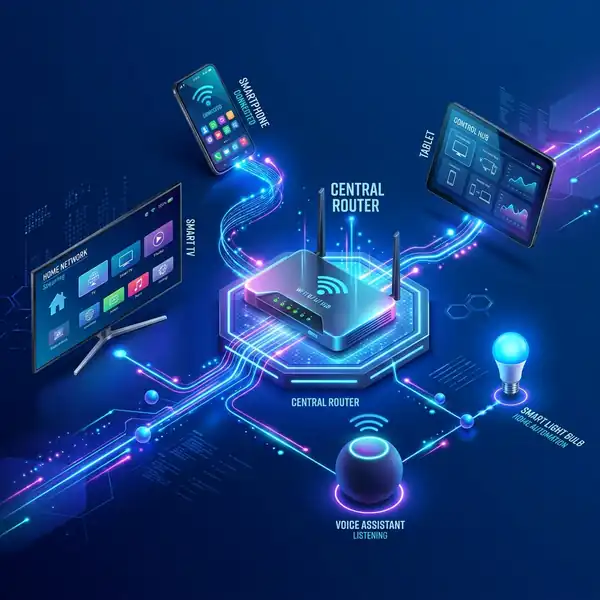
Port isolation on a Ubiquiti UniFi Switch can enhance network security by preventing devices on the same switch from communicating.
Understanding Port Isolation
Port isolation, also known as port security, is a network feature that restricts communication between ports on a switch.
This feature is essential in environments where sensitive data is handled, ensuring that devices cannot interact with each other directly.
Key Specifications of Ubiquiti UniFi Switches
| Model | Ports | PoE Support | Switching Capacity | Port Isolation Support |
|---|---|---|---|---|
| UniFi Switch 8 | 8 | Yes | 16 Gbps | Yes |
| UniFi Switch 16 | 16 | Yes | 32 Gbps | Yes |
| UniFi Switch 24 | 24 | Yes | 48 Gbps | Yes |
Prerequisites for Port Isolation
A Ubiquiti UniFi Switch must be provisioned and connected to the UniFi Controller to enable port isolation.
Ensure that the switch firmware is updated to the latest version to avoid compatibility issues.
Accessing the UniFi Controller
Log into the UniFi Controller through a web browser using the appropriate IP address.
Navigate to the devices section and select the Ubiquiti UniFi Switch to configure the settings.
Configuring Port Isolation
- Select the switch from the device list in the UniFi Controller.
- Open the 'Ports' tab to view the individual port settings.
- Choose the port to be isolated and click on 'Edit'.
- Enable 'Port Isolation' from the configuration options.
- Save changes and repeat for additional ports as necessary.

DomineTec Tip: Regular audits of port isolation settings can help maintain network security and performance.
Testing Port Isolation Effectiveness
Testing the effectiveness of port isolation is crucial to ensure that it functions as intended. Begin by connecting devices to isolated ports and verifying their inability to communicate with each other.
Utilize network testing tools like ping or traceroute from each device to confirm that traffic does not cross isolated boundaries. Document the results for future reference and troubleshooting.
Consider running stress tests to simulate high-traffic conditions. This will help to identify any potential vulnerabilities or lapses in isolation under heavier loads.
Regular testing is recommended, especially after changes to the network configuration or firmware updates. Keeping a testing schedule ensures that port isolation remains effective over time.
Common Issues and Troubleshooting
Despite its reliability, users may encounter issues while configuring port isolation. One common problem is devices still communicating with one another despite isolation settings.
To troubleshoot, first ensure that the correct ports are configured for isolation within the UniFi Controller. Double-check the isolation settings against the desired configuration.
If the issue persists, verify that there are no other network settings or VLAN configurations conflicting with port isolation. Reviewing the network topology can help identify any misconfigurations.
Consult the UniFi Community Forums or support documentation for additional troubleshooting techniques and consult with peers for shared experiences.
Monitoring Isolated Ports
Monitoring isolated ports is essential to maintain network integrity. Utilize the UniFi Controller's built-in monitoring tools to keep track of traffic and performance metrics on isolated ports.
Set up alerts for unusual traffic patterns or unexpected connectivity on isolated ports. This proactive approach helps in identifying potential security breaches or misconfigurations.
Consider integrating third-party network monitoring tools for advanced analytics. Tools like PRTG or SolarWinds can provide deeper insights into network performance and anomalies.
Regularly review and analyze the collected data to inform potential adjustments to port isolation settings or overall network security policies.
Best Practices for Port Isolation
Implementing best practices for port isolation can enhance network security. Start by categorizing devices based on their roles and functions to determine appropriate isolation levels.
Document all configurations and changes made to port isolation settings. This documentation can serve as a reference for future audits and troubleshooting efforts.
Regularly review isolation settings and update them as necessary, especially when adding or removing devices from the network. This ensures that port isolation remains effective in a dynamic environment.
Educate network users about the purpose of port isolation to foster cooperation and understanding. An informed user base can help identify potential security issues before they escalate.
Integrating Port Isolation with VLANs
Port isolation can be enhanced when combined with VLAN configurations. VLANs allow for more granular control of network traffic, complementing the isolation provided by port settings.
Begin by defining VLANs that align with the organizational structure or functionality of connected devices. This helps in segregating traffic more effectively while enforcing isolation.
After configuring VLANs, assign isolated ports to the appropriate VLANs. This layered approach provides an additional barrier against unauthorized access and traffic leaks.
Continuously monitor VLAN performance alongside port isolation to ensure that both strategies are functioning optimally and providing the desired security levels.
Security Implications of Port Isolation
Understanding the security implications of port isolation is vital. Properly implemented isolation can significantly reduce the risk of lateral movement by malicious actors within the network.
Regularly assess the security posture of isolated ports to identify any vulnerabilities. Employ intrusion detection systems (IDS) to monitor traffic patterns for suspicious activity.
Consider conducting regular security audits to evaluate the effectiveness of isolation measures. Audits can reveal gaps in security that need to be addressed promptly.
Incorporate user training on recognizing and reporting suspicious activity related to isolated ports. An informed workforce can act as a first line of defense against potential threats.
Advanced Configuration Options
Advanced configuration options can enhance the functionality of port isolation. Explore features such as port mirroring to monitor traffic on isolated ports without compromising isolation.
Utilize Quality of Service (QoS) settings to prioritize traffic on critical ports while maintaining isolation. This ensures that important traffic flows smoothly without interference.
Implement access control lists (ACLs) for more granular control over traffic entering and leaving isolated ports. ACLs provide a robust mechanism for enforcing security policies.
Regularly review and update advanced configurations to adapt to the evolving network landscape. Staying current with advancements in technology and best practices is essential for maintaining security.
Understanding the Benefits of Port Isolation
Port isolation provides enhanced security by preventing communication between devices connected to the same switch.
This feature is particularly beneficial in environments where sensitive data is transmitted, such as financial institutions or healthcare organizations.
Additionally, port isolation can help minimize broadcast storms, which can degrade network performance.
By restricting traffic to specific ports, administrators can ensure a more stable and efficient network environment.
Implementing Port Isolation in Multi-Tenant Environments
In multi-tenant environments, port isolation is crucial for maintaining privacy and security among different users.
It allows tenants to operate independently without the risk of data leaks or unauthorized access to another tenant's devices.
To implement port isolation effectively, each tenant’s devices should be assigned to isolated ports on the switch.
This setup ensures that even if multiple tenants share the same physical infrastructure, their data remains segregated.
Integrating Port Isolation with Network Policies
Network policies can be integrated with port isolation to enhance overall security protocols.
By defining specific access controls based on user roles, administrators can enforce stricter measures alongside port isolation.
This integration allows for more granular control over network traffic and user permissions.
For instance, combining port isolation with a role-based access control (RBAC) model can prevent unauthorized access to critical resources.
Future-Proofing Your Network with Port Isolation
Future-proofing your network involves planning for scalability and adaptability as technology evolves.
Port isolation can be part of a broader strategy to accommodate increasing numbers of devices and changing security requirements.
As IoT devices proliferate, implementing port isolation helps manage the associated security risks effectively.
Regularly reviewing and updating port isolation settings will ensure that the network remains resilient against emerging threats.
Understanding the Impact of Port Isolation on Network Performance
Port isolation can significantly influence overall network performance, particularly in environments with high traffic loads. By preventing broadcast storms and limiting unnecessary data flow between ports, network efficiency is enhanced.
This ensures that the bandwidth is utilized more effectively, benefiting applications that require consistent and reliable connectivity.
Furthermore, port isolation can reduce the load on the switch's CPU, as it minimizes the processing required for handling broadcast and multicast traffic.
This allows the switch to allocate resources more efficiently, improving response times for critical applications. Ultimately, the result is a more resilient network capable of supporting diverse workloads.
In addition to performance benefits, port isolation aids in simplifying network management. With isolated ports, administrators can more easily monitor traffic patterns and identify potential bottlenecks.
This clarity allows for better planning and resource allocation, ensuring that the network adapts to changing demands without degradation in service quality.
However, it is important to regularly assess the impact of port isolation on performance metrics. Continuous monitoring can help identify any unintended consequences, such as increased latency or reduced throughput on critical links.
By addressing these issues proactively, network administrators can maintain optimal performance levels across the entire infrastructure.
Configuring Port Isolation for Enhanced Security
Configuring port isolation is not just about traffic management; it also plays a crucial role in enhancing network security. By preventing devices on isolated ports from communicating with one another, organizations can mitigate the risk of internal attacks and unauthorized access.
To maximize security, it is essential to implement a layered security approach alongside port isolation. Combining firewalls, intrusion detection systems, and strong authentication protocols can create a more robust defense against potential threats.
Moreover, proper documentation and mapping of isolated ports can aid in incident response. When security breaches occur, having a clear understanding of which devices are isolated can streamline investigation processes.
Regular updates and reviews of port isolation policies are also critical. As network requirements evolve, so do potential vulnerabilities. By routinely assessing and adjusting isolation configurations, organizations can adapt their security posture to address emerging threats effectively.
Integrating Port Isolation with Quality of Service (QoS) Strategies
Integrating port isolation with Quality of Service (QoS) strategies can enhance both performance and user experience in a network. By isolating specific ports, administrators can prioritize traffic from critical applications, ensuring they receive the necessary bandwidth and lower latency required for optimal operation.
When configuring QoS settings alongside port isolation, it is important to classify traffic correctly. Identifying which applications or services need priority access allows for effective bandwidth allocation.
Additionally, implementing QoS on isolated ports helps manage congestion effectively. By establishing traffic shaping policies, network administrators can control the flow of data, preventing any single application from monopolizing bandwidth.
This creates a more equitable distribution of resources, enhancing the overall user experience.
Monitoring the performance of both port isolation and QoS configurations is vital for ongoing optimization. Regular analysis of traffic patterns can reveal insights into how well these strategies work together.
Adjustments based on this data can ensure that the network remains agile and responsive to dynamic requirements.
Utilizing Port Isolation for IoT Devices
As the Internet of Things (IoT) continues to expand, managing the associated security risks becomes paramount. Implementing port isolation for IoT devices on a Ubiquiti UniFi switch can significantly enhance your network's security posture.
When configuring port isolation for IoT devices, it is crucial to identify which ports will be assigned to these devices. This process involves assessing the traffic patterns and behaviors of the IoT devices to ensure proper isolation without disrupting normal operations.
Once the relevant ports are identified, the UniFi Controller can be used to create isolated profiles specifically for these devices.
By doing so, IoT devices will be unable to communicate directly with other devices on the network, reducing the risk of potential attacks or unauthorized access.
Additionally, monitoring tools within the UniFi ecosystem can help track the performance and behavior of isolated IoT devices. This data can be invaluable for further optimizing network performance and enhancing security measures as new IoT devices are introduced to the network.
Port Isolation and Network Segmentation Strategies
Implementing port isolation is a critical component of a broader network segmentation strategy. Network segmentation divides a network into smaller, manageable sections, minimizing the risk of widespread issues and enhancing security protocols.
In a segmented network, isolated ports can serve as a barrier, controlling traffic flow between different segments. This approach not only limits access to sensitive data but also helps in managing bandwidth effectively, ensuring that high-priority traffic is not impacted by less critical communications.
To implement effective network segmentation with port isolation, administrators should meticulously plan which segments will be isolated. This requires understanding the specific needs and traffic patterns of various departments or user groups within the organization.
Furthermore, combining port isolation with other network segmentation techniques, such as VLANs or firewall rules, can create a robust security framework. This multi-layered approach not only enhances security but also improves the overall efficiency and performance of the network.
Advanced Packet Monitoring Techniques for Isolated Ports
Implementing advanced packet monitoring techniques on isolated ports can enhance visibility into network traffic and improve security postures. By utilizing tools such as Wireshark or tcpdump, administrators can capture and analyze packets flowing through isolated ports without compromising the isolation settings.
To initiate packet capture using tcpdump, access the command line interface (CLI) of the UniFi switch and enter a command like tcpdump -i eth0 -w capture.pcap, where eth0 is the interface corresponding to the isolated port. This command will create a .pcap file containing all packets received on that interface, which can later be analyzed with Wireshark.
For real-time analysis, the -A flag can be added to the tcpdump command, allowing for immediate output of packet data in a human-readable format. This is particularly useful for quick diagnostics or when monitoring suspicious activity, as it provides immediate insights into the types of traffic being transmitted.
Additionally, configuring SNMP (Simple Network Management Protocol) on the UniFi switch allows for ongoing monitoring of port statistics. By setting up SNMP traps or polling, network administrators can gather performance metrics and receive alerts for anomalous behavior, enhancing overall network security.
Troubleshooting Port Isolation Configuration Errors
Configuring port isolation in a UniFi environment may lead to various errors that can disrupt connectivity or compromise security settings. One common issue is the misconfiguration of port profiles, which can prevent effective isolation between ports.
To troubleshoot this, first verify that the correct profiles are applied to each port by accessing the UniFi Controller. Navigate to the device settings and ensure that the intended isolation settings are applied to the corresponding ports.
If connectivity issues arise, checking the logs on the UniFi switch can provide insights into any failed communications or configuration mismatches. Use the command show logging in the switch CLI to view recent logs, which can help identify errors related to port isolation settings.
In cases where isolated devices still communicate, it may be necessary to examine VLAN configurations and ensure that they align with port isolation requirements. Use show vlan to display VLAN assignments and confirm that the isolated ports are correctly assigned to separate VLANs, preventing any unintended communication pathways.
Frequently Asked Questions
What is the purpose of port isolation?
Port isolation prevents devices on the same switch from communicating, enhancing security.
Can port isolation be configured for all ports?
Yes, port isolation can be enabled on individual ports as required.
Does port isolation affect network performance?
Port isolation typically does not affect network performance and may enhance it by reducing broadcast traffic.
How can port isolation be disabled?
Port isolation can be disabled by navigating back to the port settings in the UniFi Controller and unchecking the option.
Is port isolation supported on all UniFi models?
Most Ubiquiti UniFi Switch models support port isolation; refer to the specific model's documentation for confirmation.