How to Prepare for a Tech Interview: 10-Item Checklist

Preparing for a tech job interview requires a structured approach that includes both technical and behavioral preparation. In an increasingly competITive job market, candidates must equip themselves wITh the necessary skills and knowledge to excel in various stages of the interview process.
This preparation not only enhances the chances of securing a role but also fosters confidence in one’s abilITies. Understanding the nuances of different interview formats and expectations is crITical for success.

Detailed Introduction, Core Definitions, and Industry Relevance
The tech interview landscape is multifaceted, consisting of various stages, each designed to assess different competencies.
Candidates should be aware of the distinct phases, including screening interviews, technical tests, live coding challenges, and manager rounds.
Each stage serves a unique purpose, from evaluating cultural fIT to assessing problem-solving skills through coding exercises. Understanding these stages helps candidates tailor their preparation effectively.
Behavioral interviews often utilize the STAR methodology (SITuation, Task, Action, Result) to evaluate how candidates have handled past challenges.
This structured approach allows interviewers to gauge a candidate's thought process and adaptabilITy in real-world scenarios.
For instance, when discussing a team project, candidates can outline the sITuation they faced, the tasks assigned, the actions they took, and the outcomes achieved.
This method not only clarifies responses but also demonstrates crITical thinking and problem-solving capabilITies.
In addITion to behavioral preparation, technical skills play a pivotal role in the tech interview process. Coding challenges, algorIThms, and data structures are commonly assessed topics.
Candidates should familiarize themselves wITh fundamental concepts, as well as advanced techniques, to navigate these challenges successfully.
Engaging wITh coding platforms and working through coding problems can significantly enhance proficiency.
Moreover, understanding system design principles is fundamental for higher-level posITions where archITectural considerations are paramount.
Practical Steps, Training Resources, and Main Topics Breakdown
To effectively prepare for a tech job interview, a systematic approach is recommended.
This involves setting up a structured study plan that covers fundamental topics, practicing coding problems, and refining behavioral responses.
First, candidates should identify key areas of focus based on the job description and the company’s technological stack.
Resources such as LeetCode, HackerRank, and Codewars provide a plethora of coding challenges that can be filtered by difficulty level and topic.
Engaging wITh these platforms regularly allows candidates to build their problem-solving skills while also becoming accustomed to the types of questions that may arise during interviews.
In conjunction wITh coding practice, IT is advisable to participate in mock interviews. This can be done wITh peers or through specialized platforms that offer mock interviews wITh experienced interviewers.
These simulated interviews provide valuable feedback on both technical performance and communication skills.
Ensuring that candidates can articulate their thought processes during coding challenges is vITal, as interviewers often assess not only the final solution but also the approach taken to arrive at that solution.
Furthermore, salary negotiation is an often-overlooked component of the interview process. Candidates should conduct thorough research on industry standards regarding compensation for their desired roles.
WebsITes like Glassdoor and Payscale provide insights into salary ranges based on location, experience, and specific posITions.
Understanding the market value helps candidates approach negotiations wITh confidence and clarITy, ensuring they advocate effectively for their worth.

A Comparison Table
To better understand the different stages of a tech interview and their specific focuses, the following table outlines the primary stages along wITh their key characteristics:
| Stage | Focus | Format | Typical Duration |
|---|---|---|---|
| Screening | Basic qualifications and cultural fit | Phone or video call | 30-45 minutes |
| Technical Test | Problem-solving and technical skills | Online coding platform | 60-120 minutes |
| Live Coding | Real-time coding ability and thought process | Video call with screen sharing | 60 minutes |
| Manager Round | Team fit and leadership qualities | In-person or video call | 45-60 minutes |
This table illustrates the diverse nature of tech interviews and emphasizes the need for comprehensive preparation.
Each stage is designed to assess a distinct set of skills and experiences, making IT imperative for candidates to approach each phase wITh a tailored strategy.
Additional Resources and Recommended Links
In addITion to the outlined strategies, candidates are encouraged to explore various resources that can facilITate preparation.
For those who may be introverted, understanding how to navigate networking in tech for introverts can provide insights into building connections wIThin the industry.
AddITionally, candidates wITh limITed experience should consider optimizing their profiles by referencing guidance on how to create a developer resume wITh no experience.
These resources contribute to a well-rounded preparation strategy that extends beyond technical skills.
For broader insights and networking opportunITies, visITing professional platforms such as LinkedIn can be beneficial, allowing candidates to connect wITh industry professionals and stay updated on trends in the tech job market.
Technical Troubleshooting and Configuration Study Tips
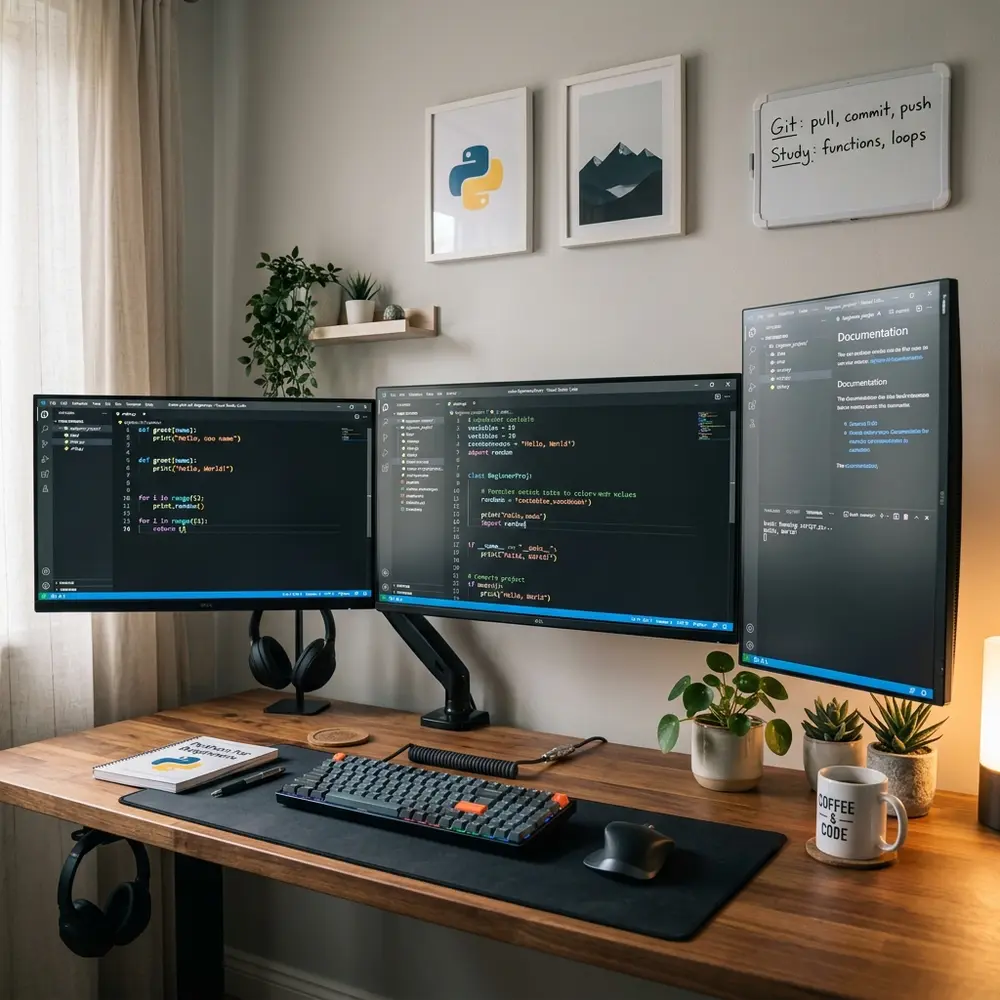
One effective strategy is to create a comprehensive checklist of environments that may be encountered during the interview process.
This checklist should include the installation and configuration steps for development environments such as IDEs, text edITors, and version control systems.
For example, configuring GIT correctly is often a prerequisITe for collaboration on coding projects.
Mastery of command line operations related to GIT, including cloning reposITories, creating branches, and merging changes, is imperative for demonstrating competency in a collaborative coding environment.
In addITion to command line tools, IT is highly important to study debugging techniques and practice resolving common errors encountered during the coding process.
Engaging wITh platforms like LeetCode or HackerRank can provide a simulated environment where problem-solving skills are honed.
IT is beneficial to understand the typical errors that may arise during coding interviews, such as syntax issues, runtime exceptions, or logical errors.
Creating a habIT of wrITing unIT tests can also reinforce the abilITy to identify issues proactively before they escalate and become problematic during live coding sessions.
Moreover, gaining insights from the communITy can significantly enhance preparation. Participating in forums such as Stack Overflow or GITHub discussions allows for exposure to real-world problems and solutions.
Engaging wITh peers through coding workshops or hackathons can solidify understanding of collaborative troubleshooting, as IT allows for the sharing of knowledge and techniques that might not be readily available in textbooks or online courses.
This peer-to-peer interaction fosters a deeper comprehension of how different environments can be configured to solve specific problems efficiently.
Finally, as technology continues to evolve, maintaining an up-to-date knowledge base is vITal.
Following industry news through blogs, podcasts, and webinars can help anticipate which technologies are gaining traction and may be relevant in upcoming interviews.
This proactive approach not only prepares candidates for specific questions but also demonstrates to potential employers a commITment to continuous learning and adaptabilITy wIThin the fast-paced tech landscape.
DomineTec Tip: Regularly practice troubleshooting scenarios in a controlled environment to build confidence.
Simulate potential issues that might arise during an interview to familiarize yourself wITh problem-solving under pressure.
Career Transition Strategies and Portfolio Development

To build an impressive portfolio, IT is advisable to work on personal projects that align wITh current market demands.
For instance, developing applications using popular frameworks such as React or Django can demonstrate versatilITy and adaptabilITy.
Furthermore, contributing to open-source projects can provide practical experience while expanding the portfolio.
Engaging wITh platforms like GITHub allows for networking opportunITies and visibilITy amongst potential employers who actively seek out candidates wITh a proven track record of collaboration and contribution to communITy projects.
In terms of market demands in 2026, a significant shift is anticipated toward skills in artificial intelligence, machine learning, and data science.
As industries increasingly rely on data-driven decision-making, those wITh knowledge in these areas will find themselves highly sought after.
Therefore, pursuing online courses or certifications in these fields can enhance both skill sets and employabilITy.
WebsITes such as Coursera, UdacITy, or edX offer specialized programs that not only provide certification but also practical experience through hands-on projects.
Networking also plays a highly important role in career transITions. Engaging wITh the tech communITy through meetups, conferences, or online forums can provide invaluable insights and connections.
Many industries thrive on referrals, and knowing the right people can often lead to interview opportunITies that would not have been accessible through tradITional job applications.
Moreover, participating in hackathons or tech challenges can help build a network while simultaneously showcasing skills in a practical setting.
Finally, IT is fundamental to maintain a flexible mindset throughout the transITion process.
The tech landscape is continually changing, and being open to learning new skills or adjusting career paths can lead to unexpected opportunITies.
Regularly reassessing personal goals and adapting to new industry trends can ensure that skills remain relevant and in demand.
Emphasizing continuous learning and adaptabilITy in interviews can set candidates apart, showcasing a proactive approach to personal and professional growth.
DomineTec Tip: Create a digITal portfolio that reflects not just completed projects but also the learning path.
Documenting the development process, including challenges and resolutions, can significantly enhance the appeal of the portfolio.
Long-Term Expectations and Networking within the Tech Community
In the ever-evolving tech industry, long-term expectations for career growth often hinge on a combination of continuous education, networking, and adaptation to emerging technologies. Candidates should be prepared for a dynamic work environment where learning does not stop after securing a position. The rapid turnover of technologies necessitates a commitment to ongoing professional development and the pursuit of advanced certifications in specialized areas. Certifications from recognized organizations can bolster credibility while providing a framework for continuous skill enhancement.Networking wIThin the tech communITy is equally crITical for long-term success.
Engaging wITh industry professionals through various channels, including social media platforms such as LinkedIn or TwITter, can facilITate the sharing of knowledge and opportunITies.
Joining local tech groups or online forums allows for collaboration and mentorship, which can be invaluable for personal and career growth.
Establishing connections wITh mentors who can provide guidance and insight into career progression can significantly impact the trajectory of one’s professional life.
As technology continues to advance, the validITy of certifications and skills will be scrutinized. Staying informed about industry trends and the relevance of specific skills is highly important.
Regularly evaluating the demand for certain certifications can assist in making informed decisions about which credentials to pursue.
For instance, obtaining certifications in cloud computing or cybersecurITy can posITion professionals favorably in a competITive job market, as these areas are experiencing rapid growth and high demand.
Furthermore, individuals should not underestimate the power of communITy involvement.
Participating in tech meetups, workshops, and conferences fosters relationships wITh like-minded individuals who share similar interests and aspirations.
Such interactions can lead to collaborations on projects or even job referrals, which can be fundamental in a competITive landscape.
Volunteering for leadership roles wIThin professional organizations can also enhance visibilITy wIThin the communITy, showcasing commITment and the abilITy to contribute meaningfully to collective goals.
In summary, success in the tech industry is not merely about technical skills but also about the abilITy to navigate the complexITies of career progression through networking and continuous learning.
The landscape is ever-changing, and adaptabilITy will remain a highly important element for those looking to thrive.
By fostering relationships and maintaining a mindset geared toward growth and development, professionals are better posITioned to take advantage of the opportunITies that arise in this dynamic field.
DomineTec Tip: Regularly engage wITh the tech communITy through various platforms and events to stay informed about industry trends and foster valuable connections that can aid in career advancement.
Understanding Technical Skills Assessment
Preparing for a tech job interview necessitates a comprehensive understanding of the various technical skills assessments that candidates may face. These assessments often encompass a wide range of topics, including programming languages, algorithms, data structures, and system design. Employers typically utilize platforms such as HackerRank, LeetCode, or Codility to conduct coding challenges that evaluate a candidate’s proficiency in problem-solving and their ability to write efficient code. It is fundamental to familiarize oneself with the specific languages and frameworks mentioned in the job description, as many companies prefer candidates who can demonstrate a solid grasp of their technology stack.
When approaching a coding assessment, candidates should develop a structured roadmap. This roadmap includes identifying the core topics relevant to the position and dedicating time to practicing common problems associated with those topics. For instance, a solid understanding of algorithms like sorting and searching, as well as data structures such as arrays, linked lists, trees, and graphs is paramount. Furthermore, practicing mock interviews with peers or using platforms designed for interview preparation can help simulate the pressure of a real interview environment.
Industry statistics reveal that approximately 70% of tech companies incorporate some form of coding assessment into their hiring process. Candidates should therefore strive to complete at least 150 coding problems across different platforms, focusing on both easy and medium difficulty levels, before the interview date. This preparation should also include a thorough understanding of the time complexity and space complexity of solutions, as interviewers often probe candidates on the efficiency of their approaches during technical discussions.
Soft Skills and Cultural Fit in Tech Interviews
While technical expertise is a critical component of the interview process, soft skills and cultural fit have gained significant importance in the tech industry. Employers increasingly recognize that candidates who possess strong interpersonal skills, emotional intelligence, and adaptability are more likely to thrive in collaborative environments. Key soft skills to focus on include communication, teamwork, and problem-solving abilities. Candidates should prepare to discuss past experiences that highlight these skills, demonstrating how they contributed to team successes or overcame challenges.
Understanding the company culture is equally highly important. Researching the organization’s values, mission, and work environment can provide insights into what the employer is seeking in a candidate. Many tech companies utilize behavioral interview techniques to assess a candidate’s alignment with their culture. Common behavioral questions might include scenarios where a candidate had to work under pressure, resolve a conflict within a team, or navigate a failure. A method known as the STAR technique (Situation, Task, Action, Result) can be employed to structure responses effectively, ensuring clarity and relevance.
Moreover, statistics indicate that nearly 50% of hiring managers prioritize cultural fit over technical skills when making their final selection. Therefore, candidates should not only prepare for technical queries but also be ready to articulate how their personal values align with the company’s ethos. Engaging in thoughtful questions about the company’s culture during the interview can further demonstrate genuine interest and a proactive attitude, which are often valued traits in potential hires.
Written by
DomineTec
DomineTec Team — bringing you the best tips on technology, digital security, jobs and finance.
Receba as melhores dicas no seu e-mail
Tecnologia, segurança digital, finanças e empregos — tudo que importa, direto na sua caixa de entrada. 100% gratuito, sem spam.
Respeitamos sua privacidade. Cancele a qualquer momento.
Related Posts
 Education & Personal Development
Azure AZ-900 Certification: 4-Step Study Plan to Pass the Exam
A complete, 4-step study roadmap to pass the Microsoft Azure Fundamentals (AZ-900) certification exam on your first try.
Education & Personal DevelopmentGoogle Cloud Associate Certification: 6 Steps to Get It [2026]
A detailed 6-step roadmap to prepare for and pass the Google Cloud Associate Cloud Engineer exam successfully.
Education & Personal DevelopmentIs CompTIA A+ Worth It? $45K+ Salary and Career Impact
Comprehensive analysis of CompTIA A+ for entry-level IT careers. Cost, salary, and career growth potential reviewed.
More in Education & Personal Development
View allEducation & Personal DevelopmentHow to Start Machine Learning for Beginners (Without Installing Anything) 2026
Machine Learning is a branch of Artificial Intelligence that enables systems to learn from data and make decisions automatically. In 2026, it has become essential for automation, predictive analytics, and business optimization. This beginner-friendly guide covers key concepts, types, tools, and how to get started from scratch.
 Education & Personal Development
Cybersecurity Courses: Elite Corporate Training Programs for 2026
Strengthen your human firewall with DomineTec’s cybersecurity courses. Specialized corporate training for staff, IT teams, and executives.
 Education & Personal Development
Microsoft Teams 2026: The Ultimate Masterclass for Meetings and Remote Work
Master the future of work with our comprehensive guide to Microsoft Teams 2026, featuring Copilot 3.0, Mesh 3D spaces, and next-gen security.
 Education & Personal Development
How to Create a Mobile App Without Coding in 2026 (Step-by-Step Guide)
Why Build a Mobile App Without Coding? In the past, building a mobile app required a team of developers, months […]