How to Power a Ubiquiti Antenna or Mikrotik Device with a PoE Injector
Using a PoE injector is an effective method to power Ubiquiti antennas and Mikrotik devices through an Ethernet cable.
Power over Ethernet (PoE) technology allows both power and data to travel over the same Ethernet cable. This dual functionality significantly improves network deployment efficiency, especially in remote or hard-to-reach locations.
Understanding PoE Technology
PoE simplifies installations by reducing the need for additional electrical wiring. It minimizes clutter, making network setups cleaner and more efficient, thereby improving organization in both home and office environments.
Two primary PoE standards exist: IEEE 8023af (PoE) and IEEE 8023at (PoE+). Each standard delivers varying power levels suitable for different devices, which is essential for maintaining optimal operation across a range of network hardware.
Components Required
Powering Ubiquiti antennas or Mikrotik devices with a PoE injector requires a few key components. The essential components are a PoE injector, an Ethernet cable, and the target device, such as antennas or routers designed to utilize PoE technology.
Ensure that the PoE injector matches the power requirements of the device. Check the specifications from the manufacturer to determine the appropriate injector type, avoiding potential damage from incompatible power sources.
Steps to Power Ubiquiti Antennas or Mikrotik Devices
Step 1: Gather Required Equipment
The initial task is to gather the necessary equipment. This equipment includes the PoE injector, Ethernet cables, and the Ubiquiti or Mikrotik device, ensuring compatibility and adequacy in length to avoid signal degradation.
Step 2: Connect the PoE Injector
Connect the input port of the PoE injector to a network switch or directly to a router. Use an Ethernet cable for this connection, making sure it is of good quality to maintain signal integrity and reduce interference.
Step 3: Connect the Device
Connect another Ethernet cable from the PoE injector's output port to the PoE-enabled port on the Ubiquiti antenna or Mikrotik device. Ensure a secure connection for optimal performance, as loose connections can lead to power loss and network interruptions.
Step 4: Power On the Injector
Once all connections are secure, plug the PoE injector into an electrical outlet. Confirm that the device powers on correctly, which can usually be verified by indicator lights on the device and the injector.
Step 5: Test Connectivity
Finally, test the connectivity of the device after powering it on. Use a network testing tool if necessary to ensure full functionality, as verifying stable connectivity is crucial in network performance optimization.
Comparison of PoE Standards
| Standard | Power Delivered (W) | Device Compatibility |
|---|---|---|
| IEEE 802.3af (PoE) | 15.4 W | Most standard IP cameras and VoIP phones |
| IEEE 802.3at (PoE+) | 30 W | High-power devices like PTZ cameras and access points |
Advanced Troubleshooting Techniques
Common Issues with PoE Setup
Several issues may arise during the PoE setup process that can hinder device performance. Identifying whether the problem is related to power delivery, network connectivity, or device compatibility is essential for efficient troubleshooting.
Verifying Power Delivery
Check the power output from the PoE injector using a multimeter. Ensure the voltage and wattage meet the specifications required by the device to prevent underperformance.
Diagnosing Network Connectivity
Ensure the Ethernet cables used are in good condition and compatible with Cat 5e or higher standards. Damaged or outdated cables can lead to increased signal loss and connectivity issues.
Device Compatibility Checks
Consult the manufacturer’s documentation to confirm the device supports the PoE standard in use. Incompatibilities may prevent devices from receiving adequate power or functioning correctly.
Identifying Electromagnetic Interference Issues
Electromagnetic interference can lead to degraded performance. To troubleshoot, ensure that Ethernet cables are placed away from sources of interference, like fluorescent lights or motors.
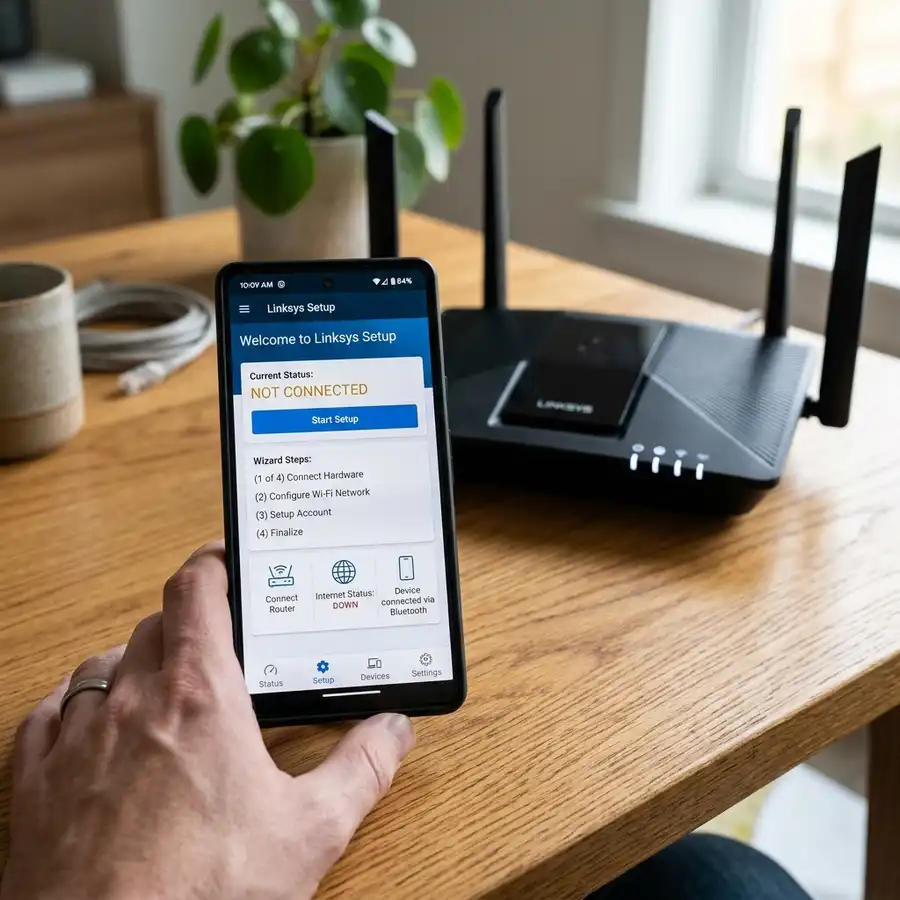
Figure 1: Detailed operational configuration step.
Testing Signal Quality
Use a cable tester to examine the integrity of the Ethernet connections. This testing can help pinpoint any issues related to cable quality or connection points within the network.
Assessing Network Load
Examine the network load to ensure that power requirements are within the PoE injector's capacity. Overloading can result in device malfunction and increased risk of failure.
Industry Standards and Safety Considerations
PoE Standards Overview
Awareness of industry standards such as IEEE 8023 is crucial for ensuring proper implementation of PoE technology. These standards dictate voltage levels, compatibility, and safety features to protect equipment and users.
Electrical Safety Protocols
Following electrical safety protocols is paramount when working with PoE systems. Ensure all connections are insulated and that equipment is housed appropriately to prevent electrical hazards.
Signal Interference Factors
Recognize that electromagnetic interference from nearby devices can disrupt PoE signals. Positioning cables away from power lines and other electromagnetic sources can mitigate interference effects.
Understanding Signal Strength and Quality
A good understanding of signal strength and quality is vital in ensuring network reliability. Signal quality is affected by attenuation, noise, and external interference from other devices or environmental factors.
Grounding and Bonding Considerations
Proper grounding and bonding of equipment can protect devices from surge-related damage. Ensure that all equipment is grounded according to industry best practices to mitigate potential risks.
Environmental Conditions and Equipment Placement
Environmental conditions can also impact network performance. It is advisable to place equipment in controlled environments to minimize the impact of temperature fluctuations and humidity.
Professional Tips for Optimal Performance
Cable Length Considerations
The length of Ethernet cables used in PoE installations should not exceed 100 meters to maintain optimal performance. Exceeding this length can lead to significant signal attenuation and power loss.
Using Quality Cables
Investing in high-quality, shielded Ethernet cables can greatly improve signal strength and reduce electromagnetic interference. This is especially important in environments with high-density electronic equipment.
Regular Maintenance Checks
Conducting periodic maintenance checks on network devices will help identify potential issues early. Regular testing guarantees devices operate within their required specifications and helps optimize performance over time.
Documenting Network Changes
Keeping thorough documentation of network changes can aid in future troubleshooting efforts. This records information on device settings, configurations, and historical performance metrics affecting network quality.
Utilizing Monitoring Tools
Implementing network monitoring tools can provide valuable insights into performance. These tools allow for real-time monitoring of signal strength, bandwidth usage, and device connectivity statuses.
Training Personnel on PoE Systems
Providing adequate training for personnel involved with device installation and maintenance is essential. Training ensures a better understanding of the technology and helps mitigate potential issues related to misconfiguration.
Frequently Asked Questions
Question: What are the benefits of using a PoE injector?
Using a PoE injector reduces installation costs and complexity by eliminating the need for additional power outlets. It also enhances flexibility in device placement since power can be delivered over long distances via Ethernet cables.
Figure 2: Detailed operational configuration step.

Question: Can all Mikrotik devices be powered by PoE?
Not all Mikrotik devices support PoE. It is essential to verify if the specific model is PoE-compatible according to the manufacturer’s specifications, ensuring proper functionality.
Question: Is it safe to use a PoE injector with network switches?
Yes, it is generally safe, provided that the network switch does not exceed the power limitations of the PoE injector. Care must be taken to confirm device compatibility and power ratings to ensure safe usage.
Question: Are there any alternatives to PoE injectors?
Alternatives to PoE injectors include using PoE switches or directly powering devices through dedicated power adapters. The choice depends on the specific network configuration and device requirements for optimal performance.
Question: How do environmental factors affect PoE functionality?
Environmental factors, such as temperature and humidity, can influence PoE performance. Ensuring that devices are housed in climate-controlled environments helps to minimize performance degradation.
Question: Is surge protection necessary for PoE systems?
Implementing surge protection is highly advisable to safeguard against voltage spikes. Surge protectors can help prevent costly damage to PoE-enabled devices during electrical surges.
Question: What is the maximum distance for PoE transmission?
The maximum distance for PoE transmission over an Ethernet cable is typically 100 meters. Distances beyond this limit may require additional solutions like repeaters or switches to maintain signal integrity.
Understanding the Physics of Network Media
The transmission of data through network media involves the physics of electromagnetic waves, which carry information across different frequencies. Factors such as cable type and environment can impact the effectiveness of data transmission.
Propagation of Signals
Data signals propagate through cables as waveforms, which can experience reflection and refraction. These phenomena can cause delays and signal degradation, requiring careful selection of cables and connectors.
Impact of Attenuation
Attenuation refers to the loss of signal strength as it travels through a medium. It is crucial to minimize attenuation to maintain a high-quality signal over long distances across network media.
Electromagnetic Interference (EMI)
EMI can disrupt the normal function of network devices by introducing noise into the system. Proper shielding and cabling practices are essential to mitigate EMI effects in networking environments.
Signal-to-Noise Ratio (SNR)
The signal-to-noise ratio (SNR) is a critical metric for assessing the quality of a network connection. A higher SNR indicates better signal quality, improving the overall integrity of data transmission.
Advanced Troubleshooting Strategies
Network Performance Analysis
Analyzing network performance involves evaluating data flow rates and packet loss. Tools specialized in network performance analysis can provide insights into operational efficiencies and potential bottlenecks.
Evaluating Device Firmware
Keeping device firmware updated is essential for optimal performance. Outdated firmware may contain bugs or performance issues that hinder the efficiency of the network components.
Utilizing Diagnostic Tools
Leverage diagnostic tools to perform comprehensive tests on network cables and connections. These assessments can reveal underlying issues affecting system performance or connectivity.
Inspecting Physical Cabling
Regular inspection of physical cabling is essential for detecting wear and tear. Cables that show signs of damage may need to be replaced to ensure reliable power and data transmission.
Figure 3: Detailed operational configuration step.

Interference Mitigation Techniques
Implementing interference mitigation techniques can drastically improve signal quality. Strategies include rearranging equipment and cables to minimize electromagnetic interference from nearby devices.
Consideration of Environmental Factors
Factors such as humidity and temperature can influence network performance. Devices should be installed in environments that provide suitable climate conditions to enhance performance longevity.
Best Practices for Using PoE Injectors
Ensuring Compatibility
Always confirm compatibility between the PoE injector and the devices being powered. This step is critical to avoid damage and ensure devices operate efficiently.
Maintaining Clean Cable Management
Implement clean cable management practices to improve airflow and reduce clutter. Organized cabling can enhance troubleshooting effectiveness and make maintenance easier.
Planning Network Layouts
Strategic planning of network layouts can optimize performance. Analysis of signal paths and voltage drops can lead to more efficient implementations of network infrastructure.
Monitoring Power Usage
Tracking power usage of devices can prevent overload conditions. This monitoring allows administrators to remain within the limits of the PoE injector’s capabilities and enhance device reliability.
Regular Training Updates
Providing regular training updates for all staff ensures continued competency in managing PoE systems. Well-informed personnel can better handle troubleshooting and maintenance challenges.
Using Equipment Validated for PoE
Choose devices verified for compatibility with PoE standards. Utilizing approved equipment minimizes risks associated with power delivery and network functionality.
Understanding Voltage and Current Relationships in PoE
Understanding voltage and current relationships is crucial in PoE systems. The power delivered by the injector is calculated using the formula P=VI, where P is power, V is voltage, and the analyst is current.
Power Budgeting for Devices
Power budgeting involves calculating the cumulative power consumption of all connected devices. This process helps ensure that the total does not exceed the injector's capacity, preventing load issues.
Analyzing Power-Voltage Standpoints
The adherence to standardized voltage specifications helps in maintaining device integrity. Deviations from these specifications may lead to device malfunction or irreparable damage.
Extending the Reach of PoE
Using PoE Extenders
Utilizing PoE extenders can amplify the range of power transmission. This extension is crucial in applications where devices are situated farther than 100 meters from the injector.
Implementing Fiber Optic Solutions
Deploying fiber optic solutions can enhance network capabilities and extend distances without power loss. Such solutions are ideal for connecting distant locations with high data demands.
Future Trends in PoE Technology
Emerging Standards: PoE++
Emerging standards like PoE++ expand power capabilities, allowing for greater versatility in powering robust devices. These advancements support more demanding applications and include updated safety features.
Integration with Smart Technologies
Integration with smart technologies enhances the usability of PoE systems. This integration allows for more efficient energy utilization and intelligent monitoring of network devices.
When powering Ubiquiti devices, always verify that the PoE injector output matches the device specifications. For troubleshooting, see how to identify a bad PoE injector by LED behavior.