How to Use a VPN to Play Xbox Cloud Gaming and Bypass Geoblocks
To play Xbox Cloud Gaming with a VPN, follow our guide to bypass geo-restrictions and optimize your connection to Azure servers.
Introduction to Xbox Cloud Gaming and Regional Support Limits
DomineTec Tip: Keep WireGuard enabled on your client app to ensure the lowest jitter. If playing on console, read how to setup VPN on TP-Link router.
Xbox Cloud Gaming, formerly known as Project xCloud, is a revolutionary gaming service that allows players to stream games directly to their devices without the need for a console. However, the service has specific regional support limits enforced by Microsoft, resulting in geo-restrictions that can prevent access in certain locations. These limitations can be frustrating for gamers who wish to experience the full potential of the platform, particularly when traveling abroad or residing in regions without support.
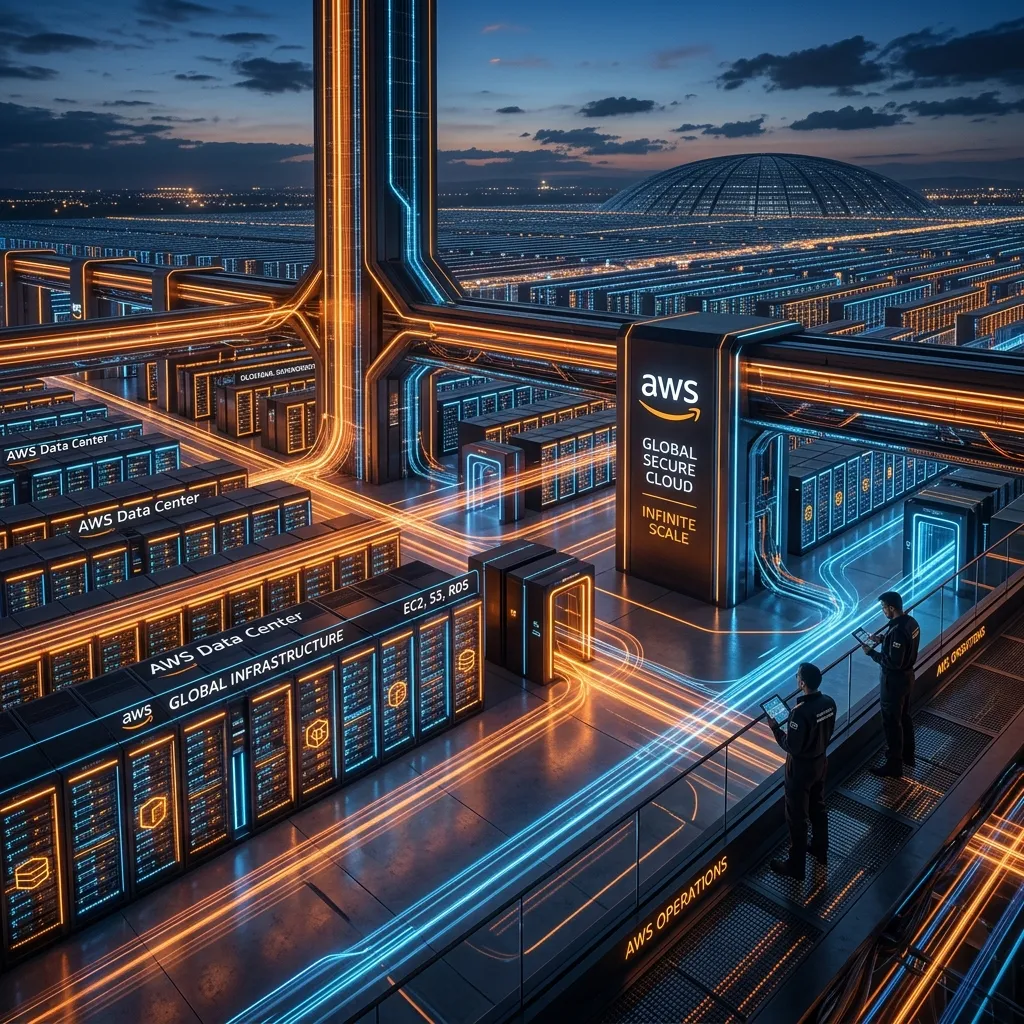
The essence of Xbox Cloud Gaming lies in its reliance on Microsoft Azure, a global cloud computing service. Azure hosts various data centers, which are strategically placed around the world. Each data center is equipped with the necessary infrastructure to deliver high-quality gaming experiences. However, when users attempt to access Xbox Cloud Gaming from unsupported regions, they may encounter access errors or severe latency issues, hampering the gaming experience.
In this article, we will explore how to leverage a Virtual Private Network (VPN) to bypass these geo-restrictions, optimize routing to Azure servers, and enhance overall gaming performance.

Does a VPN Lower Ping or Reduce Packet Loss on xCloud Streams?
| VPN Provider | xCloud Min. Speed | Recommended Protocol | Jitter & Performance |
|---|---|---|---|
| NordVPN | Min. 20 Mbps | NordLynx (WireGuard) | Excellent |
| Surfshark | Min. 20 Mbps | WireGuard | Excellent |
When considering the use of a VPN for Xbox Cloud Gaming, many gamers wonder about its impact on latency and packet loss. A VPN encrypts your internet traffic and routes it through a server in a different location. This can have both positive and negative effects on your gaming experience.
1. Lowering Ping: A VPN can theoretically lower ping if it routes you to a server closer to the Azure data center you wish to connect to. However, this is highly dependent on the quality of the VPN provider and the distance between the user, the VPN server, and the Azure data center.
2. Reducing Packet Loss: Packet loss occurs when data packets traveling over the internet fail to reach their destination. A reliable VPN can improve packet loss by providing a stable connection and reducing network congestion. However, if the VPN server is overloaded or poorly configured, it may lead to increased packet loss.
Ultimately, the effectiveness of a VPN in reducing ping and packet loss varies based on several factors, including the chosen VPN service, server location, and overall network configuration.

Step-by-Step Guide: Connecting Your VPN to xCloud on PC and Browsers
To begin using a VPN for Xbox Cloud Gaming, follow these steps to ensure a seamless setup on your PC or browser.
Step 1: Choose a Reliable VPN Service
Selecting the right VPN service is crucial for achieving optimal performance. Look for a VPN that offers the following features:
- Fast Speeds: Ensure the VPN has high-speed servers to minimize latency. - Low Latency Servers: Choose a provider with servers located close to Azure data centers. - Strong Encryption: Opt for a service that provides robust encryption to ensure your data is secure. - No Bandwidth Throttling: Avoid VPNs that limit data usage or speed. - User-Friendly Interface: Choose a VPN with easy-to-navigate software for quick connections.
Some recommended VPNs for gaming include ExpressVPN, NordVPN, and CyberGhost.
Step 2: Install the VPN Application
Once you have chosen a VPN service, download and install the application on your PC. Most VPN providers offer software for Windows, macOS, and sometimes even browser extensions.
Step 3: Launch the VPN Application and Log In
After installation, launch the VPN application and log in using your account credentials. Familiarize yourself with the interface to access server options and settings.
Step 4: Select the Optimal Server Location
To connect to Xbox Cloud Gaming effectively, identify which Azure data center is closest to your desired gaming location. For example:
- North America: East US, West US - Europe: North Europe, West Europe - Asia: Southeast Asia, East Asia
Select a server in the appropriate region based on your physical location or the region you want to connect to for Xbox Cloud Gaming.
Step 5: Connect to the VPN Server
Click on the selected server and initiate the connection. Wait for the VPN to establish a secure connection, which is often indicated by a status change in the application.
Step 6: Launch Xbox Cloud Gaming
With the VPN connected, open your preferred browser or the Xbox app and navigate to the Xbox Cloud Gaming portal. You should now have access to the service, even if it's not available in your current region.
Step 7: Test Connection Speed and Stability
Before diving into a gaming session, it’s essential to test your connection speed and stability. You can use online tools like Speedtest.net to measure your ping, download speeds, and upload speeds. Ensure that your connection is stable and that latency is acceptable for gaming.
Best Server Endpoints to Get Low Latency Cloud Gameplay
Selecting the correct server endpoint is critical for achieving low latency and a high-quality gaming experience. Here are some recommendations based on popular Azure data center locations:
North America
- East US: Ideal for players located on the East Coast. This server is typically the fastest for users in New York, Washington DC, and surrounding areas. - West US: Best for players on the West Coast, including California, Oregon, and Washington.
Europe
- North Europe (Ireland): Great for players in the UK and Northern Europe. - West Europe (Netherlands): Optimal for users across Western Europe, including Germany and France.
Asia-Pacific
- Southeast Asia (Singapore): Perfect for players in Southeast Asia, including Malaysia and Indonesia. - East Asia (Japan): Best suited for players in Japan and Korea.
Experiment with different server locations to find the best performance. Remember that using a server too far from your physical location may increase latency.

Network Configurations and Settings Tips for Stable Cloud Game Streams
To ensure stable and reliable streaming while using Xbox Cloud Gaming with a VPN, consider the following network configurations and settings:
1. Use Wired Connections
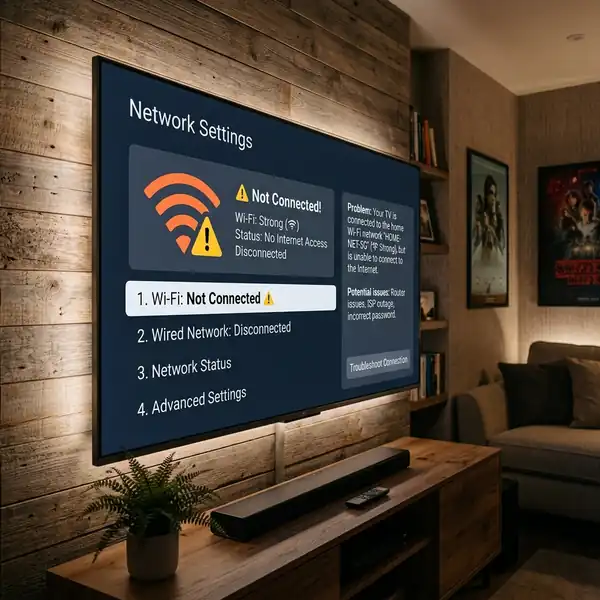
If possible, connect your gaming device directly to your router using an Ethernet cable. Wired connections typically provide more stable speeds and lower latency than Wi-Fi.
2. Optimize Wi-Fi Settings
If using Wi-Fi, ensure your router is configured for optimum performance:
- Use the 5GHz Band: This band offers higher speeds and less interference compared to the 2.4GHz band. - Keep Your Router Updated: Regular firmware updates can improve performance and security. - Reduce Interference: Place your router in a central location, away from walls and obstructions.
3. Limit Bandwidth Usage
Reduce other devices' bandwidth consumption on your network while gaming. This can include pausing downloads, streaming services, or any high-bandwidth activities that may cause congestion.
4. Adjust VPN Settings
Most VPN applications allow you to modify settings that can impact performance:
- Protocol Selection: Experiment with different VPN protocols (e.g., OpenVPN, IKEv2, WireGuard) to find the best balance between speed and security. - Split Tunneling: If supported, enable split tunneling to route only gaming traffic through the VPN, while other activities use your regular internet connection.
5. Monitor Connection Performance
Regularly check your connection performance while gaming. Use tools to monitor latency and packet loss. If you notice issues, consider switching servers or adjusting your VPN settings.
6. Restart Your Devices Regularly
Periodic reboots of your gaming device, router, and modem can help clear issues that may accumulate over time, promoting better connection stability.
Conclusion
Using a VPN to play Xbox Cloud Gaming can significantly enhance your gaming experience by bypassing geo-restrictions and optimizing your routing to Azure servers. By selecting a reliable VPN service, following the step-by-step connection guide, and implementing recommended network configurations, you can achieve low latency and stable gameplay. With these tools at your disposal, enjoy seamless gaming, regardless of your location.
Remember to keep your VPN client updated, regularly check for the best server locations, and optimize your network settings for the ultimate cloud gaming experience. Happy gaming!
Understanding Network Configurations for Xbox Cloud Gaming with a VPN
When utilizing a VPN for Xbox Cloud Gaming, it is essential to understand how network configurations can impact your gaming experience. A well-configured VPN can enhance both security and performance, allowing players to enjoy a seamless gaming experience while bypassing regional restrictions. The primary factors to consider in your network configurations include routing policies, DNS settings, and the selection of appropriate VPN protocols.
First, let’s delve into routing policies. A routing policy dictates how data packets are handled through your network. When you connect to a VPN, your device routes all traffic through the VPN server. This means that your original IP address is masked, and your data is encrypted. To ensure that Xbox Cloud Gaming traffic is prioritized, it is advisable to implement Quality of Service (QoS) settings. QoS can be configured on your router to allocate more bandwidth to gaming traffic, which can be crucial for minimizing latency and improving responsiveness. You can configure QoS by accessing your router’s settings, typically through a web interface, and identifying the relevant ports utilized by Xbox Live services, such as ports 53 (UDP), 80 (TCP), 88 (UDP), 3074 (TCP/UDP), and 5000-6000 (TCP).
Next, DNS settings play a pivotal role in achieving optimal performance with your VPN. By default, your ISP’s DNS servers may not be as efficient as third-party alternatives. Using a reliable DNS service, such as Google Public DNS (8.8.8.8 and 8.8.4.4) or Cloudflare DNS (1.1.1.1), can reduce latency and enhance browsing speed. To configure DNS on your router, access its admin dashboard and navigate to the DNS settings section. Replace the DNS server addresses with your chosen alternatives and save the settings. This modification can significantly affect the time it takes to resolve domain names, thereby improving overall performance.
Finally, the selection of VPN protocols is crucial in optimizing your gaming experience. Popular protocols include OpenVPN, L2TP/IPsec, and IKEv2/IPsec. OpenVPN is widely regarded for its balance between security and speed, using robust encryption standards. However, for users seeking lower latency, IKEv2/IPsec may be preferable as it often provides faster speeds due to its lightweight nature and ability to reconnect quickly during network changes. Configuring your VPN to utilize IKEv2/IPsec involves selecting this option in your VPN client settings, ensuring that your network adapter is compatible with the protocol.
By carefully configuring these elements, you can ensure a robust environment for Xbox Cloud Gaming while utilizing a VPN, allowing you to enjoy your gaming sessions with minimal interruptions and maximum security.
Security Best Practices When Using a VPN for Xbox Cloud Gaming
While using a VPN for Xbox Cloud Gaming provides numerous advantages, it is vital to implement security best practices to protect your data and enhance your gaming experience. The following practices focus on ensuring a secure connection, managing data privacy, and maintaining device integrity.
First, ensure that you are using a reputable VPN service provider that offers strong encryption standards. Look for services that utilize AES-256 encryption, which is considered military-grade. This level of encryption ensures that your data is secure from potential eavesdroppers. Additionally, select a provider that has a strict no-logs policy, meaning they do not store any records of your online activities. This is particularly important for gamers who may wish to maintain privacy when accessing game servers or streaming services.
Another essential security measure is to enable the Kill Switch feature offered by most VPN providers. The Kill Switch is designed to automatically terminate your internet connection if the VPN connection drops unexpectedly. This prevents your real IP address from being exposed and ensures that your online activities remain private, even during temporary connectivity issues. To enable this feature, navigate to your VPN client’s settings and toggle the Kill Switch option.
Furthermore, it is advisable to use a dedicated IP address if your VPN provider offers this option. A dedicated IP address is an IP address that is assigned exclusively to you, as opposed to shared IP addresses used by many VPN users. This reduces the chances of being flagged or banned from gaming servers due to suspicious activity associated with shared IPs. To acquire a dedicated IP, consult your VPN provider’s documentation or support team to understand the configuration process.
Regularly updating your VPN client and your gaming console’s firmware is another critical practice. Software updates often include security patches and performance enhancements that can mitigate vulnerabilities. Ensure that both your VPN software and your Xbox firmware are set to automatically update, or check for updates manually on a regular basis. This proactive approach helps safeguard against potential exploits that could compromise your data or disrupt your gaming experience.
Lastly, consider implementing Multi-Factor Authentication (MFA) for your gaming accounts when available. MFA adds an additional layer of security by requiring a second form of verification, such as a code sent to your mobile device, in addition to your password. This significantly reduces the risk of unauthorized access to your gaming accounts, providing peace of mind as you enjoy Xbox Cloud Gaming.
By adhering to these security best practices, you can create a safer environment for Xbox Cloud Gaming while leveraging the advantages of a VPN, allowing for a more enjoyable and secure gaming experience.
Additional Resources and Recommended Links
For more networking and security guides, check out our step-by-step tutorials on setup VPN on TP-Link router and VPN to lower ping in games. For official hardware troubleshooting, visit the Official Xbox Play Portal.