How to Position a Lumbar Support Cushion on an Office Chair for Back Pain
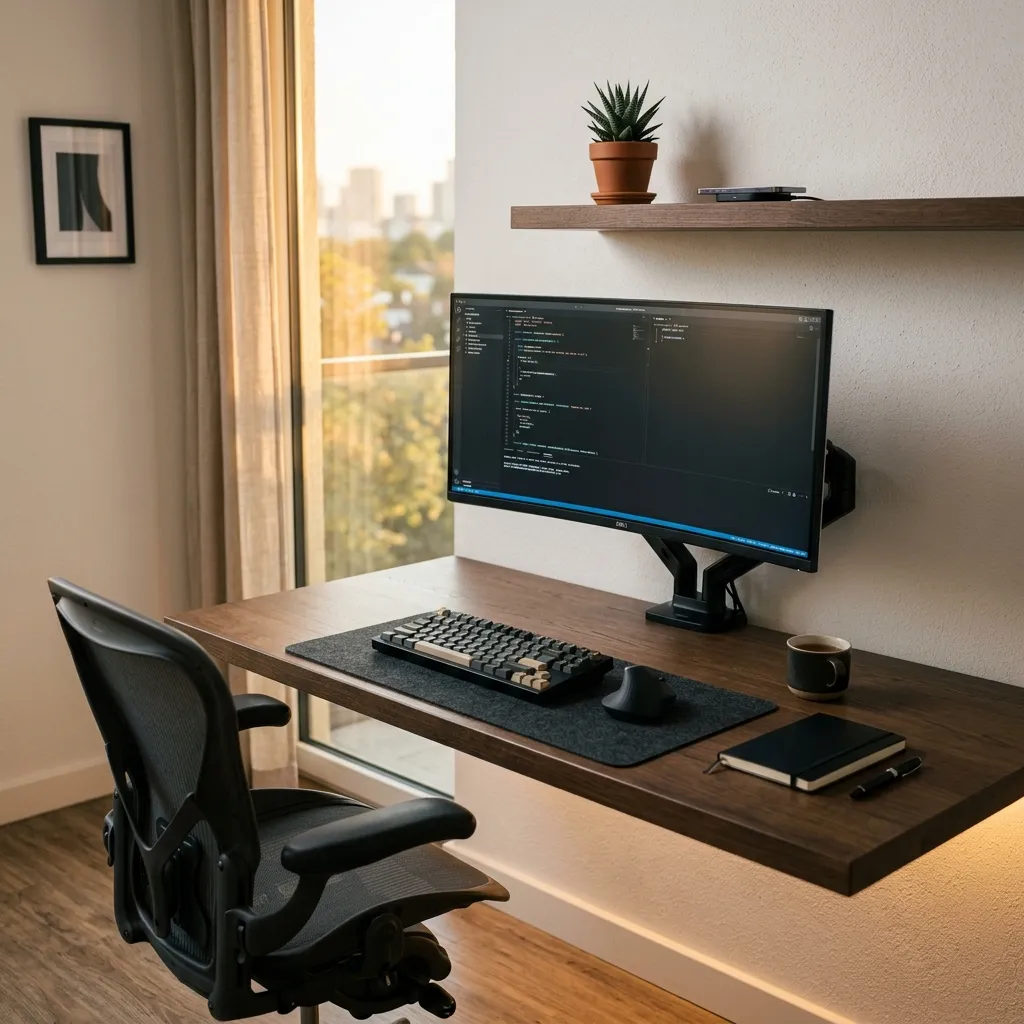
Positioning a lumbar support cushion correctly can significantly alleviate back pain during prolonged sitting.
Understanding Ergonomics in Office Seating
Ergonomics focuses on optimizing comfort and efficiency in the workplace. A properly positioned lumbar support cushion enhances spinal alignment and reduces strain.
Performance of Lumbar Support Cushions
Performance hinges on the cushion's ability to maintain lumbar curvature. High-quality cushions provide dynamic support, adapting to movements without losing shape.
Materials Used in Lumbar Support Cushions
Common materials include memory foam, gel, and latex. Memory foam offers contouring properties, while gel provides cooling and breathability.
Design Features to Look For
Look for adjustable straps and contoured shapes in lumbar cushions. These features ensure a snug fit and proper support tailored to individual needs.
Comparative Analysis of Popular Brands
| Brand | Material | Adjustability | Price Range | Warranty |
|---|---|---|---|---|
| Everlasting Comfort | Memory Foam | Yes | $30-$40 | Lifetime |
| ComfiLife | Gel-Infused | No | $25-$35 | 3 Years |
| Samsonite | Latex | Yes | $50-$70 | 1 Year |
DomineTec Tip: Adjust the lumbar cushion height to align with the natural curve of the lower back, ensuring optimal support during long hours of sitting.
- Select a cushion that fits the contours of your back.
- Ensure the cushion is positioned at the lower back for maximum support.
- Adjust the chair height so that feet rest flat on the ground.
- Maintain an upright posture while using the cushion.
- Take regular breaks to stretch and relieve pressure on the back.
For enhanced productivity, consider how to choose mechanical keyboard switches and the correct monitor height.
Adjusting Your Chair for Optimal Lumbar Support
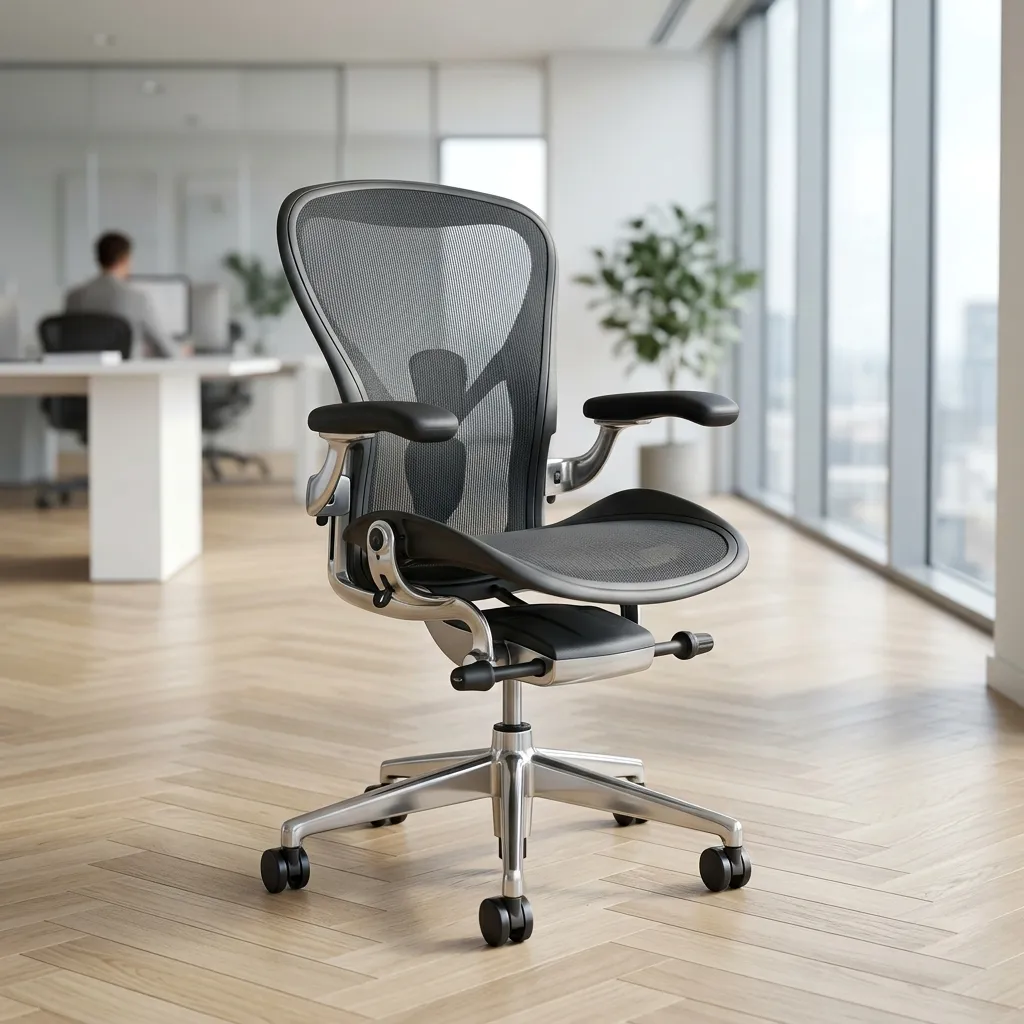
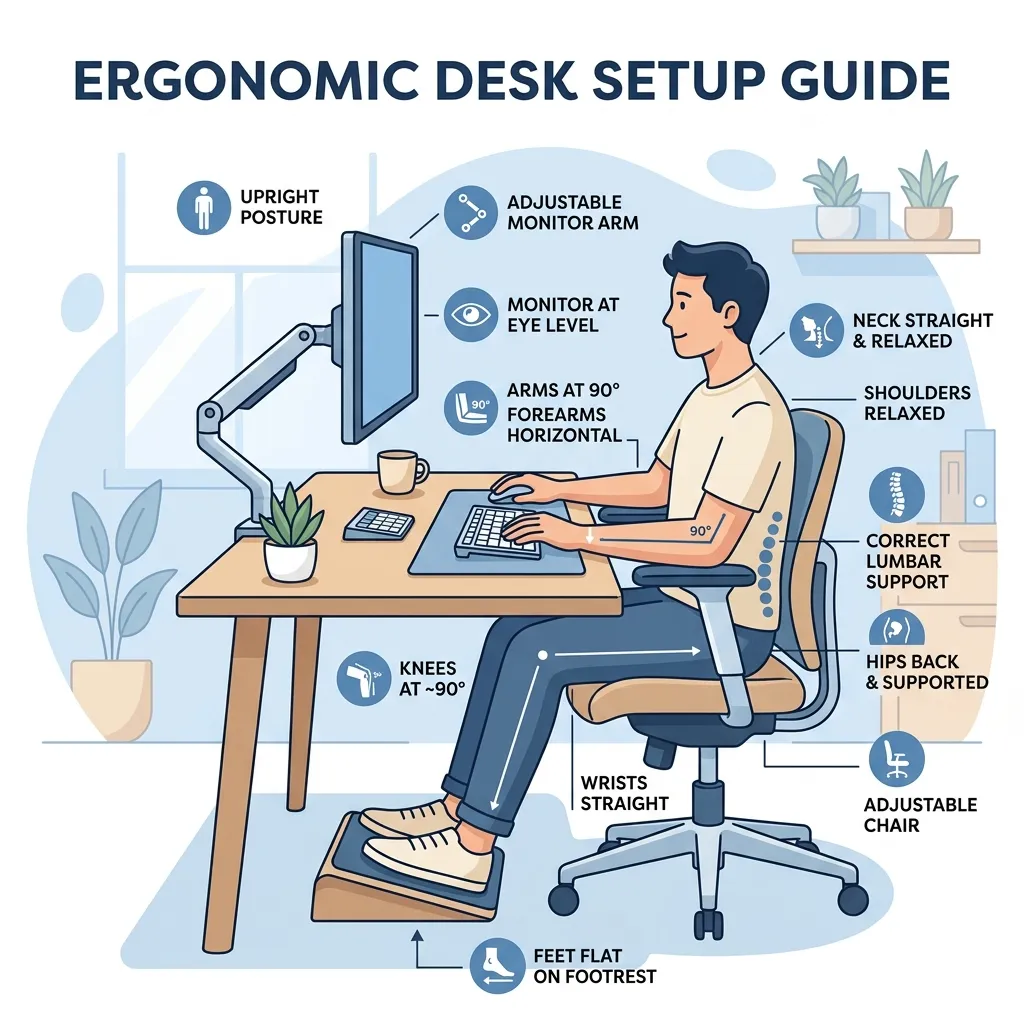
To maximize the effectiveness of a lumbar support cushion, proper adjustment of the office chair is essential. Start by setting the seat height, ensuring that your feet can rest flat on the floor, which promotes good posture.
Next, adjust the backrest angle to support the natural curve of your spine. This angle should typically be between 90 and 110 degrees to allow for comfort without compromising support.
Furthermore, the armrests should be adjusted to allow your arms to rest comfortably without lifting your shoulders. This can reduce tension in the neck and upper back.
Finally, take a moment to sit fully back in the chair after making these adjustments to evaluate if the lumbar support cushion is properly positioned and providing the intended support.
Identifying Your Specific Back Pain Needs
Understanding the specific nature of your back pain can guide you in choosing the right lumbar support cushion. Different types of back pain, such as lower back strain or chronic pain, may require different support levels.
For example, individuals with lower back strain may benefit from a firmer cushion that promotes better spinal alignment, while those with chronic pain may prefer a softer, more adaptive material that molds to the back.
Consulting with a healthcare professional can provide valuable insight into the best type of lumbar support for your specific condition. This personalized approach can enhance comfort and reduce pain over time.
Additionally, consider any other physical conditions or preferences that might affect your choice, such as scoliosis or a preference for specific materials.
Integrating Movement and Breaks into Your Work Routine
While a lumbar support cushion can significantly improve comfort, incorporating regular movement into your work routine is equally important. Prolonged sitting can lead to stiffness, regardless of support.
Set a timer to remind yourself to stand up and stretch every 30 to 60 minutes. Simple stretches or short walks can help alleviate tension and improve circulation.
Incorporate exercises that strengthen your core muscles, as a strong core supports the spine and enhances the effectiveness of your lumbar support cushion. Activities like planks and bridges can be beneficial.
Lastly, consider using a standing desk or an adjustable workstation to alternate between sitting and standing, further supporting your back health throughout the day.
Choosing the Right Position for Your Cushion
The positioning of the lumbar support cushion on your office chair is critical for optimal effectiveness. Generally, the cushion should be placed at the lower back, aligning with the natural curve of the spine.
Ensure that the cushion is not too high or too low, which can lead to discomfort. The ideal position is typically around the belt line, providing support where it's most needed.
Experiment with slight adjustments to find the most comfortable position. Small changes can make a significant difference in how well the cushion alleviates pressure on the lower back.
Additionally, consider the thickness of the cushion and how it interacts with the chair's backrest. A thicker cushion may require more precise positioning to avoid misalignment.
Understanding the Role of Posture in Back Health
Maintaining proper posture is essential for back health, especially when using a lumbar support cushion. Sit up straight, ensuring your shoulders are relaxed and your back is flush against the cushion.
Avoid slumping or leaning forward, as these positions can negate the benefits of lumbar support. Instead, aim for a neutral spine position, where the natural curves of the back are preserved.
Regularly check in with your posture throughout the day. Simple reminders, such as sticky notes or phone alerts, can help maintain awareness of your sitting position.
Over time, developing good posture habits can lead to reduced back pain and improved overall comfort while working.
Maintenance and Care for Your Lumbar Support Cushion
Proper maintenance of your lumbar support cushion can extend its lifespan and maintain its effectiveness. Regularly check for wear and tear, as a damaged cushion may not provide adequate support.
Cleaning your cushion according to the manufacturer’s instructions is also important. Many cushions have removable covers that can be washed to keep them fresh and hygienic.
Store the cushion in a dry, cool place when not in use to prevent damage from moisture or excessive heat. Proper storage can help maintain the integrity of the materials.
Lastly, consider replacing your cushion every few years, depending on usage and wear, to ensure continued support and comfort for your back health.
The Impact of Lifestyle Factors on Back Pain
Lifestyle factors play a significant role in back pain management. Regular exercise, a balanced diet, and maintaining a healthy weight can all contribute to better back health.
Engaging in physical activities like yoga or pilates can improve flexibility and core strength, which are vital for spinal support. Aim for at least 150 minutes of moderate aerobic activity each week.
Nutrition also influences back health; anti-inflammatory foods, such as fruits, vegetables, and whole grains, can help reduce pain and promote healing.
Additionally, managing stress through relaxation techniques can alleviate tension in the back muscles, contributing to overall comfort and well-being.
Customizing Lumbar Support for Individual Needs
Every individual's body shape and size vary, making personalized adjustments to lumbar support essential for maximum benefit. Understanding your unique curvature and how the cushion interacts with your spine can significantly improve comfort.
For optimal positioning, consider using measurement tools or templates to assess your lumbar region's natural curve. This can guide the placement of the cushion to ensure it fills the gap between your lower back and the chair, providing the necessary support.
Additionally, individuals with specific conditions, such as scoliosis or herniated discs, may require specialized cushions designed to accommodate their particular needs. Consulting with a healthcare professional can further assist in selecting the right type of support.
Regularly evaluating your cushion's position as your body changes or as you experience different levels of discomfort can help maintain effective lumbar support. This ongoing adjustment is key to long-term back health.
Understanding the Importance of Chair Height in Relation to Lumbar Support
The height of your office chair plays a critical role in how effectively a lumbar support cushion performs. An incorrect chair height can negate the benefits of lumbar support, even if the cushion is positioned correctly.
To achieve the best positioning, your feet should rest flat on the ground with your knees at a 90-degree angle. This alignment allows the lumbar cushion to support your lower back effectively while promoting overall spinal health.
In cases where your chair is too high, using a footrest can help maintain proper posture. Conversely, if the chair is too low, raising the chair or adjusting the lumbar cushion's height may be necessary to ensure it aligns with your back.
Regularly reassessing your chair height in conjunction with your cushion's position can lead to a sustainable improvement in comfort and a reduction in back pain symptoms over time.
Exploring the Role of Cushion Thickness and Firmness
The thickness and firmness of a lumbar support cushion significantly influence its effectiveness. A cushion that is too thick may push the spine out of alignment, while one that is too thin may fail to provide adequate support.
When selecting a cushion, it's essential to consider your body type and the level of firmness that feels comfortable for you. Testing different cushions can help identify the right balance between support and comfort.
Research indicates that a medium-firm cushion often provides the best results for most users, as it offers enough support to maintain spinal alignment without causing discomfort. However, personal preferences may vary widely.
Over time, the cushioning material may compress, reducing its effectiveness. Regularly assessing the condition of your cushion and replacing it as needed can sustain optimal support levels for your back.
The Psychological Aspect of Lumbar Support and Workplace Comfort
Comfort in the workplace extends beyond physical support; it also encompasses psychological well-being. A comfortable seating arrangement can enhance focus and productivity, while discomfort can lead to distractions and stress.
Studies have shown that employees who invest in ergonomic solutions, including lumbar support cushions, often report higher job satisfaction and lower levels of workplace stress. This psychological benefit should not be overlooked.
Creating a comfortable workspace can also foster a positive mindset, encouraging healthier work habits and greater engagement. Simple adjustments, like adding a lumbar cushion, can significantly impact an individual's mental state.
Employers should consider these psychological aspects when designing workspaces. Promoting ergonomic practices can lead to a healthier, more productive workforce, ultimately benefiting both the employee and the organization.
Evaluating the Effectiveness of Different Lumbar Support Positions
Positioning a lumbar support cushion correctly can significantly impact its effectiveness in alleviating back pain. To maximize its benefits, it is essential to assess various positioning strategies tailored to individual needs.
One effective method for evaluating lumbar support positions is to conduct a series of trial adjustments. Users should start by placing the cushion at the natural curve of their lower back and then gradually shift it higher or lower to find the most comfortable position.
Additionally, it is beneficial to take note of how these adjustments affect comfort levels throughout the day. Users should pay attention to any changes in pain levels or discomfort after sitting for extended periods.
Lastly, it is important to remember that the effectiveness of a lumbar support cushion can also be influenced by external factors such as desk height and monitor positioning. Therefore, users should evaluate their overall workspace ergonomics in tandem with the lumbar cushion positioning to create a holistic solution for back pain management.
Long-Term Benefits of Proper Lumbar Support Cushion Use
Utilizing a lumbar support cushion correctly can lead to significant long-term benefits beyond immediate pain relief. Regular use can contribute to improved spinal alignment, which is crucial for maintaining overall back health.
Another long-term benefit is the enhancement of productivity and focus at work. When individuals experience less discomfort, they can concentrate better on their tasks, leading to increased efficiency.
Moreover, consistent use of a lumbar support cushion can foster better habits regarding sitting posture. The cushion serves as a reminder to maintain an upright position, which can lead to gradual changes in muscle memory.
Finally, investing in a high-quality lumbar support cushion and using it effectively can lead to decreased healthcare costs over time. By preventing chronic back pain and associated conditions, individuals may require fewer medical interventions, resulting in savings on treatments, therapies, and medications.
Implementing Correct Lumbar Support Cushion Techniques
Effective positioning of a lumbar support cushion is critical for maximizing its benefits in alleviating back pain. The first technique involves ensuring that the cushion aligns with the natural curve of the lumbar spine. This alignment can be assessed by sitting in a neutral position and adjusting the cushion to fill the gap between the lower back and the chair's backrest.
To achieve optimal alignment, the cushion should be placed approximately at the level of the lower back, typically around the L1 to L5 vertebrae. A common error is to position the cushion too high or too low, which can exacerbate discomfort. Therefore, it is recommended to sit upright in the chair while making adjustments to the cushion height and depth.
Another technique is to test the firmness of the cushion. A cushion that is too soft may not provide adequate support, whereas a cushion that is too firm can lead to pressure points. It is advisable to sit for a short period after making adjustments to evaluate comfort and support dynamically.
Finally, securing the cushion in place is essential to prevent slippage during use. Many cushions come with adjustable straps designed to anchor them to the chair. For cushions lacking this feature, consider using anti-slip materials or additional ties to maintain the desired position throughout the workday.
Advanced Techniques for Cushion Positioning and Adjustment
Advanced techniques for lumbar support cushion positioning include the use of tools for precise measurement and adjustment. A tool such as a plumb line can help ensure that the cushion is positioned vertically, aiding in proper spinal alignment. This technique may involve measuring the distance from the seat to the lumbar region while seated.
In addition, awareness of individual anatomical differences can greatly influence cushion placement. For individuals with broader hips or lower back conditions, a slightly lower positioning of the cushion may be more beneficial. It is crucial to consider personal ergonomics when making these adjustments.
Furthermore, experimenting with different cushion angles can yield significant comfort improvements. Tilting the cushion forward slightly can promote a more active sitting posture, which can be beneficial for those who experience fatigue during long working hours. The angle can be adjusted based on the individual's comfort level and the chair's design.
Lastly, incorporating feedback from daily use can lead to continual improvements in cushion positioning. Keeping a journal of comfort levels and pain experiences can help identify the most effective adjustments over time. Continuous evaluation ensures that lumbar support remains effective and tailored to evolving needs.
Frequently Asked Questions
How do I know if my lumbar support cushion is positioned correctly?
The cushion should fill the gap between the chair and the lower back, maintaining natural curvature.
Can any cushion be used, or are specific types recommended?
Specific lumbar support cushions designed for ergonomics are recommended for effective support.
How often should I adjust the lumbar support cushion?
Adjustments should be made based on changes in posture or discomfort experienced during prolonged sitting.
Are there any exercises to complement lumbar support use?
Stretching exercises and core strengthening can enhance the benefits of lumbar support cushions.
What should I do if discomfort persists?
If discomfort continues, consulting a healthcare professional or ergonomist may be necessary to evaluate seating posture.




