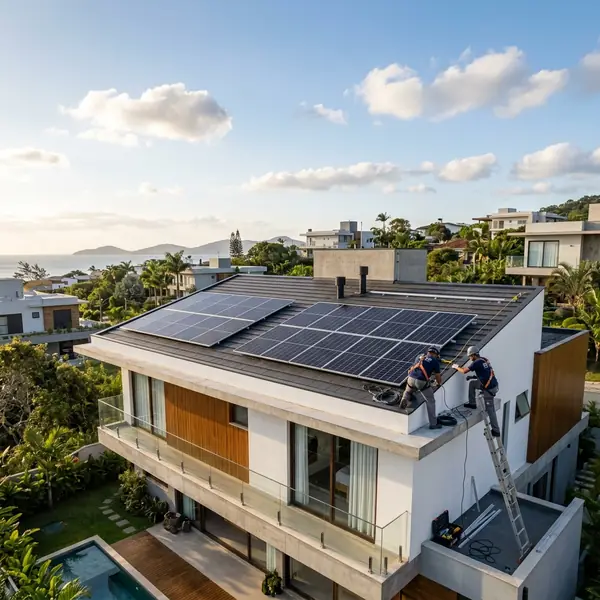
Proper grounding of a solar panel system ensures safety, prevents electrical hazards, and enhances system performance.
Understanding Solar Panel Grounding
Grounding a solar panel system is a crucial safety measure that protects both the equipment and individuals from electrical shocks and surges.
This process involves connecting the solar panel system to the earth, providing a safe pathway for excess electricity to dissipate.
Types of Grounding Systems
There are two primary types of grounding systems used in solar installations: system grounding and equipment grounding.
System grounding connects one side of the electrical system to the ground, while equipment grounding connects the non-current-carrying metal parts of the system to the ground.
System Grounding
System grounding is commonly implemented in grid-tied solar systems, where the neutral line is connected to the ground.
This method helps to stabilize the voltage levels and reduce the risk of electrical shock.
Equipment Grounding
Equipment grounding is essential for protecting components such as inverters and junction boxes from electrical faults.
This method ensures that any stray current is safely directed to the ground, preventing potential fires or equipment damage.
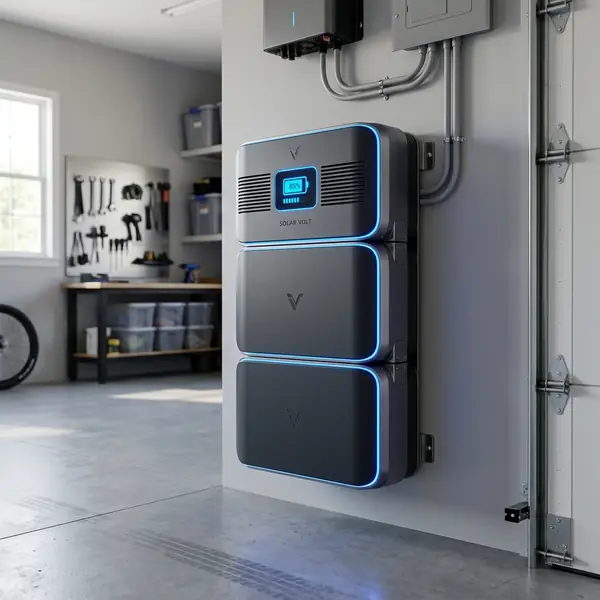
Grounding Requirements and Codes
Local electrical codes and national standards dictate the specific grounding requirements for solar panel systems.
Compliance with these codes is essential to ensure safety and legality in solar installations.
| Regulation | Description |
|---|---|
| National Electrical Code (NEC) | Establishes the minimum safety standards for electrical installations, including solar panel systems. |
| International Electrotechnical Commission (IEC) | Provides international standards for electrical systems, ensuring safety and efficiency. |
| Local Building Codes | Regulations specific to local jurisdictions that may impose additional requirements for solar installations. |
Steps to Properly Ground a Solar Panel System
Proper grounding involves several steps, which should be followed meticulously to ensure safety and compliance.
The following procedure outlines the essential steps for effectively grounding a solar panel system.
Step 1: Identify Grounding Points
The first step is to identify suitable grounding points for the solar panel system.
Grounding should be connected to a grounding rod driven into the earth, or to an existing grounding system.
Step 2: Prepare Grounding Components
Gather all necessary grounding components, including grounding rods, wire, connectors, and grounding lugs.
Ensure that all materials comply with local regulations and are of high quality to prevent failures.
Step 3: Install Grounding Rods
Install grounding rods at least 8 feet deep in the ground, ensuring they are spaced adequately apart.
This depth allows for effective dissipation of electrical energy during faults or surges.
Step 4: Connect Ground Wires
Connect the grounding wires from the solar panels and inverter to the grounding rods using appropriate connectors.
This connection should be secure to prevent any disconnections that could compromise safety.
Step 5: Test the Grounding System
After installation, testing the grounding system is essential to ensure its effectiveness.
Use a multimeter to measure the resistance and confirm that it meets safety standards.
Common Grounding Mistakes to Avoid
Many common mistakes can compromise the grounding system's integrity and safety.
Awareness of these errors can help ensure a successful installation.
Inadequate Grounding Depth
Failure to drive grounding rods deep enough can lead to poor grounding performance.
A depth of at least 8 feet is recommended for optimal grounding.
Using Incorrect Materials
Utilizing substandard materials can result in grounding failures.
Always use materials that meet or exceed local electrical codes.
Neglecting Regular Inspections
Grounding systems should be inspected regularly to ensure their effectiveness.
Regular checks can identify potential issues before they become significant hazards.
DomineTec Tip: Always consult with a licensed electrician to ensure compliance with local codes and safety standards.
To expand on this subject, it is highly useful to also explore how to home solar disadvantages and risks in detail.
To expand on this subject, it is highly useful to also explore how to how many solar panels do one need in detail.
Frequently Asked Questions
What is the purpose of grounding in a solar panel system?
Grounding in a solar panel system serves to protect people and equipment from electrical shocks and surges.
How often should solar panel grounding systems be inspected?
Inspections of solar panel grounding systems should occur at least once a year, or after severe weather events.
What materials are recommended for grounding?
Use copper or galvanized steel for grounding rods and wires, as these materials provide optimal conductivity and durability.
Can grounding systems be installed DIY?
While a DIY approach is possible, it is recommended to consult with a licensed electrician for proper installation and compliance.
What are the consequences of improper grounding?
Improper grounding can lead to electrical shocks, equipment damage, and increased risk of fire hazards.
Section 1: Understanding Grounding Requirements
Grounding a solar panel system is crucial for ensuring safety and compliance with electrical codes. Local regulations may specify particular grounding methods, necessitating familiarity with these requirements before installation.
Consulting the National Electrical Code (NEC) and local building codes provides essential guidelines. Adhering to these standards minimizes risks of electrical shock and equipment damage.
Section 2: Components of a Grounding System
A typical grounding system for solar panels consists of grounding rods, grounding wire, and grounding lugs. These components work together to provide a safe path for electrical surges and faults.
Grounding rods should be made of copper or galvanized steel and driven at least 8 feet into the ground. The grounding wire, preferably a minimum of 6 AWG copper, connects the solar array to the grounding rod securely.
Section 3: Installation Checklist for Grounding
Before beginning the installation, a detailed checklist should be prepared. Confirm that all necessary components, including grounding rods and wires, are available and meet specified ratings.
Ensure that the installation site allows for proper grounding rod placement, free from obstacles. This preparation allows for efficient grounding and compliance with safety standards.
Section 4: Troubleshooting Grounding Issues
Grounding issues can manifest as equipment malfunctions or electrical shocks. Regular inspections should be performed to identify loose connections or corrosion in grounding components.
If performance issues arise, testing the grounding resistance with a multimeter can help diagnose problems. A reading above 25 ohms may indicate insufficient grounding, requiring immediate attention.
Section 5: Importance of Grounding in Lightning Protection
Proper grounding of a solar panel system serves as a critical defense against lightning strikes. A well-designed grounding system directs excess electricity safely into the ground, protecting both the solar array and connected devices.
In areas prone to thunderstorms, additional lightning protection measures, such as surge protection devices, may be advisable. This added layer of safety enhances the resilience of the solar energy system.
Section 6: Warranty Specifications and Grounding Compliance
Many solar panel manufacturers stipulate grounding compliance as a condition for warranty coverage. Failure to ground the system according to specifications may void warranty claims in the event of damage.
Reviewing warranty documents ensures understanding of grounding requirements specific to each product. Proper documentation of the installation process may also be necessary for warranty validation.
Section 7: Best Practices for Grounding Solar Systems
Implementing best practices during the grounding process enhances system reliability and safety. Using dedicated grounding conductors instead of sharing with other systems is recommended.
Regular maintenance, including inspections and testing, should be scheduled to ensure ongoing compliance with grounding standards. Documenting these activities contributes to the longevity and safety of the solar panel system.
Understanding Grounding in Solar Panel Systems
Grounding is a critical safety measure for solar panel systems. It protects both the equipment and individuals from electrical faults.
Importance of Grounding
Proper grounding minimizes the risk of electrical shock and equipment damage. It also helps prevent fires caused by electrical surges or faults.
Components of a Grounding System
A well-designed grounding system includes several key components. Each plays a specific role in ensuring safety and functionality.
- Ground Rod: A metal rod, typically made of copper or galvanized steel, driven into the ground to establish a physical ground connection.
- Ground Wire: A conductive wire that connects the solar panel system components to the ground rod.
- Grounding Busbar: A metal bar where multiple ground wires can connect, ensuring a centralized grounding point.
- Bonding Jumper: A wire that connects various metallic components to the grounding system, preventing potential voltage differences.
Steps to Properly Ground a Solar Panel System (Market overview analysis)
Following a structured approach is essential for effective grounding. Each step ensures a reliable and safe installation.
Step 1: Plan the Grounding Layout
Analyzing the solar panel layout is crucial for effective grounding. Identify where the ground rod and busbar will be placed for optimal efficiency.
Step 2: Install the Ground Rod
Drive the ground rod into the earth, ensuring it reaches a depth of at least eight feet. The rod should be placed in a location free from moisture barriers to ensure conductivity.
Step 3: Connect Ground Wire to the Ground Rod
Use a copper grounding clamp to secure the ground wire to the ground rod. Ensure that the connection is tight to facilitate optimal conductivity.
Step 4: Install Grounding Busbar
Mount the grounding busbar near the inverter or junction box. This busbar will serve as a central point for connecting all grounding wires.
Step 5: Connect Solar Components
Connect the ground wire from each solar panel and inverter to the grounding busbar. This creates a unified grounding system for the entire solar array.
Step 6: Bonding Jumper Installation
Install bonding jumpers between metallic structures of the solar system, such as racks and frames. This reduces the risk of electrical shock by equalizing potential differences.
Step 7: Test the Grounding System
Conduct a thorough inspection of the grounding system. Use a multimeter to check for continuity between the ground connections and the ground rod.
Compliance with Electrical Codes
All grounding systems must comply with local and national electrical codes. This ensures safety and legality in solar panel installations.
Understanding NEC Guidelines
The National Electrical Code (NEC) provides guidelines for grounding solar panel systems. Following these guidelines is essential for safety and insurance compliance.
Consult Local Regulations
Local building codes may impose additional requirements for grounding systems. It is important to consult local authorities before installation.
Common Grounding Mistakes to Avoid (Market overview analysis)
Several common mistakes can undermine the effectiveness of a grounding system. Awareness of these can help ensure a safe installation.
- Inadequate Ground Rod Depth: Failing to drive the ground rod deep enough can lead to poor grounding.
- Poor Connections: Loose or corroded connections can create resistance, increasing the risk of electrical faults.
- Neglecting Bonding: Not bonding metallic components can result in dangerous voltage differentials.
- Skipping Testing: Not testing the grounding system can lead to undetected faults that may compromise safety.
Regular Maintenance of the Grounding System
Regular checks and maintenance are vital for ensuring the longevity of the grounding system. This helps to identify potential issues before they become serious problems.
Periodic Inspections
Conduct inspections at least once a year to assess the integrity of the grounding system. Look for signs of corrosion or physical damage to wires and connections.
Testing Ground Resistance
Use specialized equipment to test the resistance of the grounding system. A low resistance value indicates a well-functioning ground connection.
Conclusion
Proper grounding of a solar panel system is essential for safety and performance. By following best practices and complying with relevant codes, long-term safety and efficiency can be ensured.
Understanding Grounding Requirements for Solar Panel Systems
Grounding a solar panel system is critical for ensuring operational safety and compliance with electrical codes. Proper grounding reduces the risk of electrical shock and equipment damage caused by lightning strikes or power surges.
Refer to local electrical codes and regulations, as grounding requirements can vary by region. Consulting the National Electrical Code (NEC) provides a solid foundation for understanding universal grounding practices.
The system should include a dedicated grounding electrode system, which may consist of ground rods or other grounding methods approved by relevant authorities. A minimum of one grounding electrode is typically required for each array of solar panels.
Ensure that all metallic components of the solar array are bonded to the grounding system, including mounting racks, inverters, and charge controllers. This creates a low-resistance path for fault currents, enhancing overall system safety.
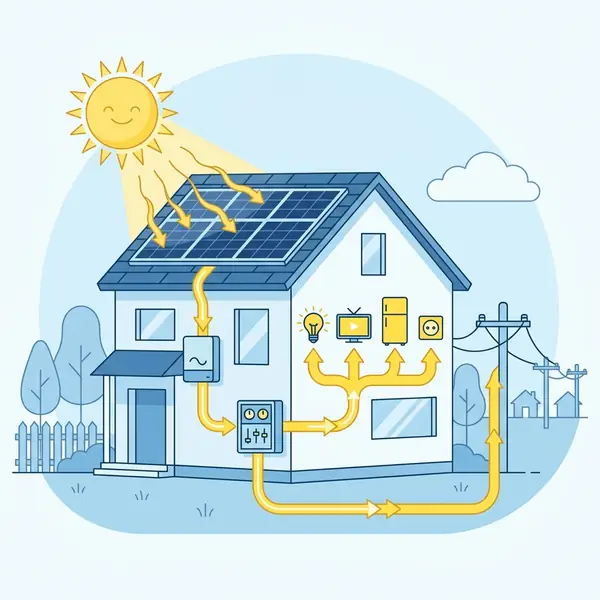
Installation Checklist for Grounding Solar Panel Systems
A comprehensive installation checklist can help prevent grounding errors during solar panel setup. Begin by verifying that the grounding electrode meets local code requirements and is of adequate depth and size.
Each component of the solar power system should be evaluated for proper bonding to the grounding electrode. Check that all connections are secure, and use corrosion-resistant materials for longevity.
Inspection of grounding wire gauge is essential; typically, a minimum of 6 AWG copper wire is recommended for grounding. However, refer to local regulations for specific requirements related to wire size and type.
After installation, conduct a thorough inspection of the entire grounding system, ensuring all connections are tight and corrosion-free. Regular maintenance checks are advised to identify any potential issues before they escalate into serious safety risks.




