Home Solar Energy Disadvantages and Hidden Risks You Should Know
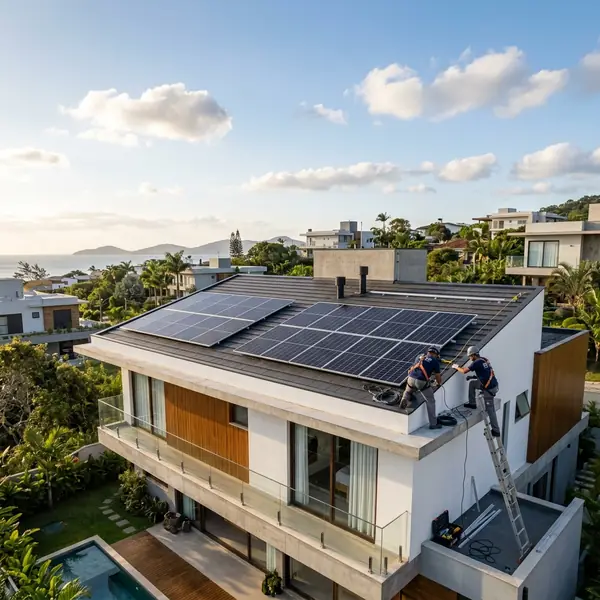
Understanding Home Solar Energy Disadvantages and Hidden Risks
The main disadvantages and risks of home solar include high upfront costs, weather dependency, and the long-term cost of replacing inverters. Choosing and installing the right system ensures energy independence and long-term utility bill reductions.
The main disadvantages and risks of home solar include high upfront costs, weather dependency, and the long-term cost of replacing inverters. Choosing and installing the right system ensures energy independence and long-term utility bill reductions.
Solar energy is often hailed as a clean and sustainable alternative to traditional energy sources. However, like any technology, home solar energy systems come with their own set of disadvantages and risks. Understanding these factors is key for homeowners considering solar energy solutions.
While the potential for savings on electric bills is appealing, there are hidden risks that should be carefully evaluated. This article will delve into the disadvantages and risks associated with home solar energy systems.
High Initial Costs
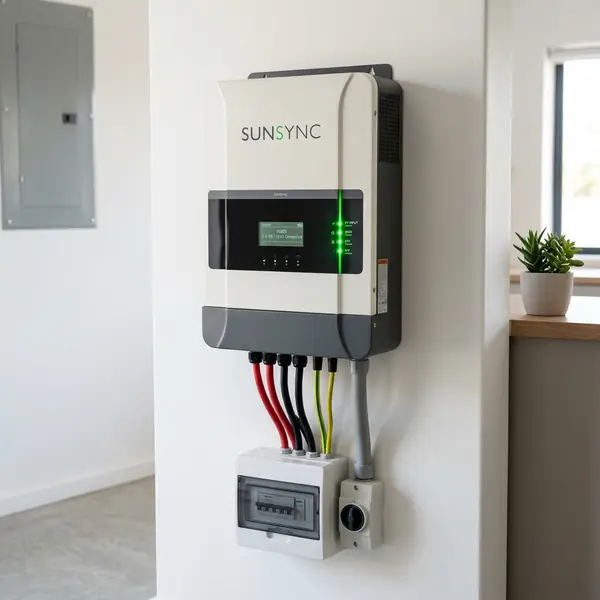
One of the most significant disadvantages of home solar energy is the initial investment required. The average cost of installing a residential solar system in 2026 is approximately $25,000 to $35,000 before any incentives or rebates.
This upfront cost can be a barrier for many homeowners. Despite financing options and tax credits, such as the federal solar tax credit that offers a 30% deduction, the initial expenditure remains substantial.
Maintenance and Repair Costs
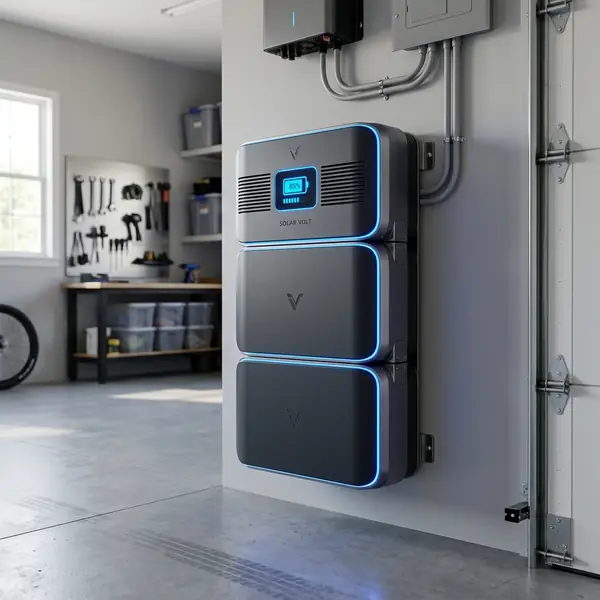
Once installed, solar systems require ongoing maintenance. While solar panels are designed to be durable, issues can arise with inverters, batteries, and other components. Homeowners should budget for potential repair costs.
Inverter replacement, for instance, can cost between $1,000 and $3,000 depending on the model and specifications. Regular maintenance checks can help prevent larger issues, but they also add to the overall expense of solar energy systems.
Space and Installation Limitations
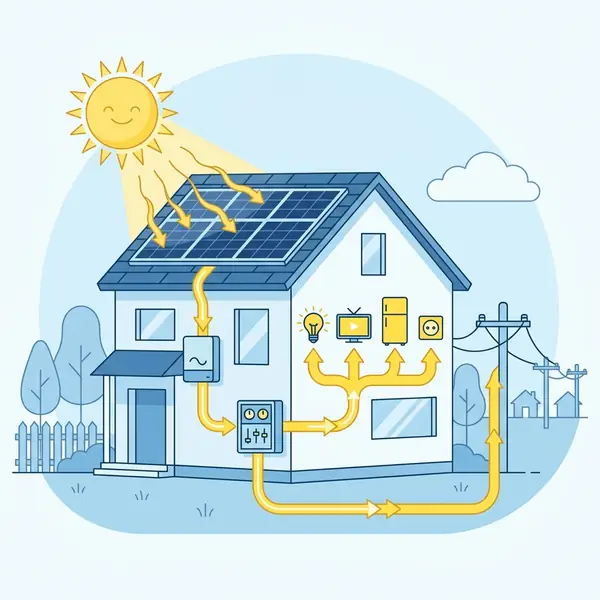
Not every home is suitable for solar panels. Factors like roof orientation, shading from trees or buildings, and available space can limit the effectiveness of solar installations. Homeowners may find that their property is not optimal for solar energy generation.
Additionally, the installation process can be complex and may require permits and inspections, which can add time and costs. If you’re considering a home solar energy system, ensure your roof meets the necessary criteria.
Potential Decrease in Home Value
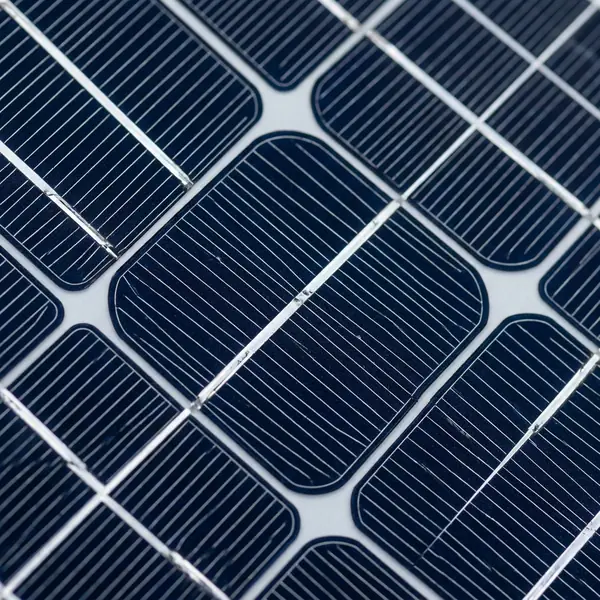
While solar panels can enhance a home's appeal, they may not always increase its market value. Homebuyers may be hesitant to invest in properties with solar systems due to concerns about maintenance and repair costs.
Moreover, homes with leased solar systems may deter potential buyers who prefer to avoid assuming such contracts. According to the National Renewable Energy Laboratory (NREL), some buyers may undervalue properties with solar installations, impacting resale potential.
Intermittent Energy Production
Solar energy generation is highly dependent on sunlight, meaning it can fluctuate throughout the day and vary with the seasons. This intermittent energy production may not meet all household energy needs, especially during peak usage times or cloudy days.
To mitigate this issue, homeowners can consider battery storage systems, but these add to the overall cost and complexity of the solar setup. It's important to evaluate your energy consumption patterns to determine if solar energy can adequately support your household needs.
Regulatory Changes and Incentive Uncertainty
The solar industry is subject to various regulations and incentives that can change over time. For instance, federal tax credits could be reduced or eliminated, impacting the financial appeal of solar energy systems.
State and local regulations can also affect installation processes and costs. Homeowners should stay informed about any upcoming policy changes that may influence their investment in solar energy.
Comparative Cost Analysis of Solar Energy Systems
| System Type | Average Cost (USD) | Payback Period (Years) | Maintenance Costs (Annual) |
|---|---|---|---|
| Grid-Tied Solar System | $25,000 - $35,000 | 5 - 10 | $200 - $400 |
| Off-Grid Solar System | $40,000 - $60,000 | 7 - 15 | $300 - $600 |
| Hybrid Solar System | $30,000 - $50,000 | 6 - 12 | $250 - $500 |
Practical Tips for Homeowners Considering Solar
To make the most of your solar investment, consider the following practical tips. First, conduct a thorough energy assessment to understand your consumption patterns and identify potential savings.
Secondly, shop around for multiple quotes from solar installers to ensure competitive pricing and services. Lastly, research local incentives and grants that can significantly reduce your overall costs.
Real-Life Example: A Case Study
Consider the case of the Johnson family in California, who installed a grid-tied solar system for $30,000. With the federal tax credit, their net investment dropped to $21,000. They anticipate a payback period of around 7 years based on their energy savings of approximately $2,500 annually.
Additionally, they opted for a maintenance plan for $300 per year to ensure their system remains in optimal condition. This proactive approach has given them peace of mind while maximizing their return on investment.
Conclusion
While home solar energy systems offer numerous benefits, they also come with disadvantages and hidden risks that homeowners must consider. By understanding these factors and conducting thorough research, you can make an informed decision about whether solar energy is right for you.
Ultimately, the transition to solar energy should be based on your unique circumstances, financial situation, and long-term energy goals.
Environmental Considerations of Solar Energy
While solar energy significantly reduces greenhouse gas emissions, there are environmental impacts associated with its production and disposal. The manufacturing of solar panels involves the use of toxic chemicals, which can lead to pollution if not managed properly. Additionally, the disposal of old or damaged panels can pose a risk if they contain hazardous materials.
It is important to consider the lifecycle of solar panels, from manufacturing to disposal. Responsible manufacturers are increasingly adopting recycling programs to mitigate environmental risks. However, the recycling infrastructure for solar panels is still developing, which can lead to challenges in managing waste effectively.
Financial Incentives and Their Risks
Government incentives for solar energy can significantly reduce the upfront costs of installation. Federal tax credits, state rebates, and local incentives can lower the financial burden. However, these incentives can change based on political climates, potentially impacting future investments in solar technology.
Homeowners should stay informed about current and upcoming policy changes that may affect their financial returns. It’s key to evaluate the stability of these incentives over the expected lifespan of the solar system. Uncertainty in government programs can lead to unexpected financial risks.
Technological Advancements and Their Implications
The solar energy market is rapidly evolving with advancements in technology. Innovations such as Bifacial panels and solar shingles offer higher efficiency and aesthetic appeal. However, these technologies often come with higher costs and may not be as widely available.
Homeowners must carefully weigh the benefits of adopting the latest technology against its financial implications. Additionally, as technology improves, older systems may become less efficient or face obsolescence, affecting long-term investments. Understanding these trends is key for making informed decisions.
Installation and Maintenance Challenges
Proper installation is critical to the performance of a solar energy system. Poor installation can lead to system inefficiencies, increased maintenance costs, and safety hazards. Homeowners should be diligent in selecting qualified installers to avoid these risks.
Moreover, maintenance is important for maximizing the system's lifespan and efficiency. While solar panels generally require low maintenance, factors such as dirt accumulation, shading, and weather damage can affect performance. Regular inspections and cleaning will help maintain the system's efficiency over time.
| Aspect | Traditional Energy Sources | Solar Energy |
|---|---|---|
| Initial Cost | Higher due to infrastructure | Lower with incentives |
| Recurring Costs | Monthly utility bills | Minimal maintenance costs |
| Environmental Impact | High emissions | Low emissions, but production waste concerns |
| Energy Independence | Dependent on fossil fuels | Greater independence from grid |
| Technology Lifespan | Varies widely | Typically 25+ years |
DomineTec Tip: Regularly review your solar system's performance and stay updated on technological advancements to ensure optimal efficiency and longevity.
How can I ensure my solar panels are installed correctly?
To ensure correct installation, hire certified professionals with a good track record and check customer reviews.
Are there any hidden costs associated with solar energy?
Yes, hidden costs can include maintenance, insurance, and potential repairs that may arise over the system's lifespan.
What are the long-term financial implications of switching to solar energy?
Long-term financial implications can include reduced energy bills, potential increases in property value, and dependence on government incentives.
How often should I maintain my solar panels?
It is recommended to inspect and clean your solar panels at least once or twice a year to ensure optimal performance.
Understanding Home Solar Energy Financing Options
Financing is a key aspect of adopting solar energy for your home. Several options exist, including cash purchases, solar loans, leases, and power purchase agreements (PPAs). Each method has its own set of advantages and drawbacks that can significantly impact your overall investment.
Cash Purchases
Paying cash for a solar system provides the highest return on investment. In 2023, the average cost of residential solar installations in the U.S. was approximately $3.00 per watt, meaning a 6kW system would cost around $18,000 before tax credits.
Homeowners who pay upfront can take full advantage of the 30% federal solar tax credit, significantly reducing their net costs.
Solar Loans
Solar loans allow homeowners to finance their solar systems while still enjoying the benefits of ownership. With average interest rates ranging from 3% to 7%, you can expect to pay a monthly fee that, ideally, is lower than your previous utility bill. This option often leads to a quicker payback period, typically within 5 to 7 years.




