How to Get Free Cloud Storage for Tapo Camera: Legal Methods
TP-Link Tapo smart cameras, highly regarded for their physical versatility, offer homeowners the options to store video footage locally on MicroSD cards or subscribe to the premium paid cloud storage tier called Tapo Care. However, many users search for alternative methods to achieve off-site backup redundancy for security feeds without paying ongoing monthly fees. While TP-Link does not offer an unlimited free cloud storage plan natively on their proprietary servers, there are alternative, legal automation methods to implement secure remote saving. If you want to know how to get free cloud storage for Tapo camera, this detailed technical guide covers the best CCTV storage strategies.
Activating the Tapo Care Official Free Trial Promotion
Before implementing third-party software integrations, it is important to evaluate the official option from TP-Link. Every new Tapo camera configured for the first time in the app qualifies for a complimentary trial of the Tapo Care cloud service. This trial usually lasts 30 days and provides premium artificial intelligence features such as person detection, baby crying notifications, motion tracking, and remote saving of event videos with up to 30 days of backup history. To enable the trial, navigate to camera settings in the Tapo app, select the Tapo Care section, and accept the evaluation terms.
The native Tapo Care feature is highly reliable because it automatically syncs recorded event clips directly to TP-Link's secure global cloud servers using end-to-end encrypted HTTPS connections. If an intruder breaks or steals the physical security camera, the recorded clips captured right before the theft remain safe in the app's cloud feed. However, once the 30-day free trial period expires, the native cloud backup service will pause unless the user chooses to subscribe to the monthly or annual payment plans.
If you operate multiple cameras in your home network, the free trial must be activated individually for each device chassis in the app. Make sure to turn off auto-renewal settings in your App Store or Google Play account if payment details were requested at registration, avoiding unexpected future charges. This is a practical short-term security solution for vacations or residential absences.
Hosting a Private Cloud NVR Using Tapo's Open RTSP Protocol
For advanced users seeking continuous free cloud recording instead of event snapshots, the best path is integration via the RTSP (Real-Time Streaming Protocol). Because Tapo cameras (such as the C200 and C310) broadcast an open RTSP stream locally on default port 554, you can transmit the real-time video feed directly to a home server or a free virtual private server (VPS) running open-source surveillance tools.
You can set up a home server using tools like Agent DVR or ZoneMinder on a PC. These programs receive the local RTSP feed from the camera and can be configured to upload recorded files to your personal cloud drive or a remote FTP server using free sync scripts triggered by motion events. Low-cost object storage providers or free tiers of storage services (like AWS S3 or Backblaze B2 trial tiers) offer excellent storage alternatives for CCTV video archives.
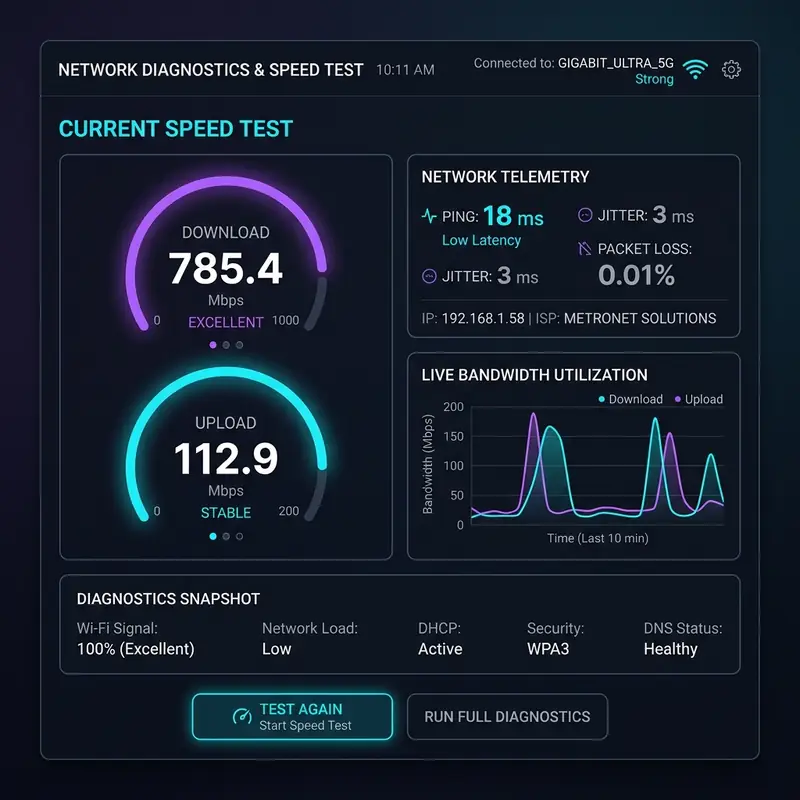
To ensure the local RTSP video stream remains stable, configure a static DHCP IP reservation for the Tapo camera's MAC address in your Wi-Fi router settings. Keep your internet upload bandwidth in mind: streaming high-definition 1080p feeds requires approximately 2 Mbps of upload speed per camera. Keeping the network clean of traffic congestion ensures the remote cloud sync remains reliable.

Because third-party free cloud software solutions require constant management, investing in a High Endurance MicroSD card is the most reliable alternative to paid subscriptions. High endurance cards utilize MLC flash memory chips, designed specifically for continuous writing cycles without degrading. Using a premium card in your Tapo C200 or C310 secures weeks of offline Full HD footage, protecting your data from server outages or internet disconnections with no monthly fees.
For smart home setups with multiple Tapo cameras, using a Network Video Recorder (NVR) is an excellent way to consolidate footage. Since Tapo devices support the open ONVIF standard, they can stream video feeds directly to a central NVR system. This allows you to archive months of high-definition video onto secure local hard drives, creating a private home surveillance storage solution that operates completely free of recurring cloud costs.
Setting Up NAS and Local FTP Servers for Video Storage
Advanced users can route their Tapo camera feeds to a Network Attached Storage (NAS) unit or a local FTP server. By integrating the camera's RTSP feed with surveillance management applications like Agent DVR or Blue Iris, you can save motion-triggered video clips to your own local drive arrays. This creates a secure, self-hosted security center that functions independently of third-party cloud infrastructure.
Securing Local Storage Files from Physical Theft
One drawback of local storage is that an intruder could physically steal the camera containing the MicroSD card. To mitigate this risk, place your cameras high on walls out of reach. Additionally, configure your Tapo app to send instant push notifications with image previews to your phone. This ensures that even if the physical card is taken, you still possess a digital record of the event stored in your smartphone's notification cache.
Leveraging Hybrid Storage Layouts for Dual Archiving Protection
A hybrid storage layout balances local recording stability with cloud backup security. You can set the Tapo camera to record continuous Full HD streams directly to the internal MicroSD card, while simultaneously setting the cloud integration to upload lower-resolution motion clips. This saves substantial network bandwidth during daily routines while protecting critical footage files from local equipment failure.
Setting Up Rclone Sync for Free Personal Cloud Storage
To establish a secure offsite backup without subscribing to Tapo Care, configure your camera to write to a local NAS or computer. Then, install a free command-line sync tool like rclone to automatically upload files to your Google Drive or OneDrive account, ensuring your security archives are safe from home fires or equipment damage.
Self-Hosting Video Feeds using motionEye on a Raspberry Pi
An excellent alternative to paid cloud plans is installing the open-source motionEye video management tool on a Raspberry Pi or an old computer. By configuring motionEye to capture the Tapo camera's RTSP feed, the server processes motion-detection vectors locally and saves the clips to a local disk, bypassing commercial clouds completely.
Integrating RTSP Streams with Blue Iris Software
Blue Iris is a popular video security manager for Windows PCs. By connecting the Tapo's local RTSP stream, you can run detailed motion alerts, schedule backups, and save clips to local hard drives, creating a professional-grade NVR system at home without monthly fees.
Choosing High-Endurance Cards over Cloud Databases
For a maintenance-free local setup, purchase high-endurance memory cards labeled for continuous loops. Unlike standard memory cards, high-endurance cards use MLC flash designs, resisting wear and hot temperatures, providing reliable local archives without cloud subscription costs.
Pushing Image Captures to Telegram Bots for Instant Alerts
You can write a simple Python script using the Tapo RTSP stream to send screenshot alerts to a Telegram bot when motion triggers. This functions as a free cloud backup, sending real-time pictures directly to your phone, securing evidence if the physical camera is stolen.
Using ONVIF Protocol for Local NVR Integration
TP-Link Tapo cameras support the standardized ONVIF profile, which allows them to communicate with third-party local Network Video Recorders (NVR) and software. By enabling the camera account settings in the Tapo app, you can stream video locally to a physical NVR or home server. This eliminates the need for any cloud storage subscriptions while keeping your camera feeds archived securely at home.
Configuring Cron Jobs to Archive Old Clips automatically
To prevent local storage hard disks from filling up, write a shell script with a simple cron job schedule to delete files older than 30 days. This automates storage maintenance, ensuring that your custom home recording setup runs continuously without administrative oversight.
Securing Samba/CIFS Local Server Shares
If you route the Tapo streams to a shared network folder on your Windows computer or NAS, apply strict permission boundaries. Create a dedicated username and password for the camera's access point and block external web access to prevent network vulnerability risks.
Archiving Video Clips on Local FTP Servers
Configuring a local FTP server on an old PC allows the Tapo camera to write media captures directly to your home network storage. The camera detects the storage partition and writes files in real-time. This keeps your records offline, free, and protected from internet disruptions.
Configuring Automated Google Drive Backups via Python Scripts
For advanced home servers, you can write a simple Python script to fetch recorded clips from your local FTP server and push them to your Google Drive account using Google APIs. Running this script as a service ensures that all security events are mirrored to a secure offsite repository daily. This creates a highly secure, free cloud loop, protecting your home against hardware damage or direct theft of the recording modules.
Self-Hosting Video Feeds using motionEye on a Raspberry Pi
An excellent alternative to paid cloud plans is installing the open-source motionEye video management tool on a Raspberry Pi or an old computer. By configuring motionEye to capture the Tapo camera's RTSP feed, the server processes motion-detection vectors locally and saves the clips to a local disk, bypassing commercial clouds completely.
Setting Up Rclone Sync for Free Personal Cloud Storage
To establish a secure offsite backup without subscribing to Tapo Care, configure your camera to write to a local NAS or computer. Then, install a free command-line sync tool like rclone to automatically upload files to your Google Drive or OneDrive account, ensuring your security archives are safe from home fires or equipment damage.
Integrating RTSP Streams with Blue Iris Software
For a maintenance-free local setup, purchase high-endurance memory cards labeled for continuous loops. Unlike standard memory cards, high-endurance cards use MLC flash designs, resisting wear and hot temperatures, providing reliable local archives without cloud subscription costs.
Configuring Cron Jobs to Archive Old Clips automatically
If you route the Tapo streams to a shared network folder on your Windows computer or NAS, apply strict permission boundaries. Create a dedicated username and password for the camera's access point and block external web access to prevent network vulnerability risks. Restricting directory access blocks unauthorized clients on your subnet from modifying existing surveillance files.
Archiving Video Clips on Local FTP Servers
Configuring a local FTP server on an old PC allows the Tapo camera to write media captures directly to your home network storage. The camera detects the storage partition and writes files in real-time. This keeps your records offline, free, and protected from internet disruptions. Having this local backup ensures you always have a copy of the clips without any costs.
Configuring Automated Google Drive Backups via Python Scripts
For advanced home servers, you can write a simple Python script to fetch recorded clips from your local FTP server and push them to your Google Drive account using Google APIs. Running this script as a service ensures that all security events are mirrored to a secure offsite repository daily. This creates a highly secure, free cloud loop, protecting your home against hardware damage or direct theft of the recording modules.
Frequently Asked Questions (FAQ)
Does TP-Link offer a lifetime free cloud storage option?
No, there is no permanent free cloud storage option from TP-Link, though each new camera registered qualifies for a 30-day Tapo Care trial.
How can I save Tapo security images to Google Drive for free?
You can integrate email alerts from the camera with automation services like IFTTT or Zapier to extract and upload snapshots automatically.
Can I stream and record Tapo video feeds to a local NVR?
Yes, Tapo devices feature open RTSP streaming on local port 554, which enables direct video recording to third-party NVR systems.