How to Fly a Drone in Urban Areas: 6 Safety Rules to Follow
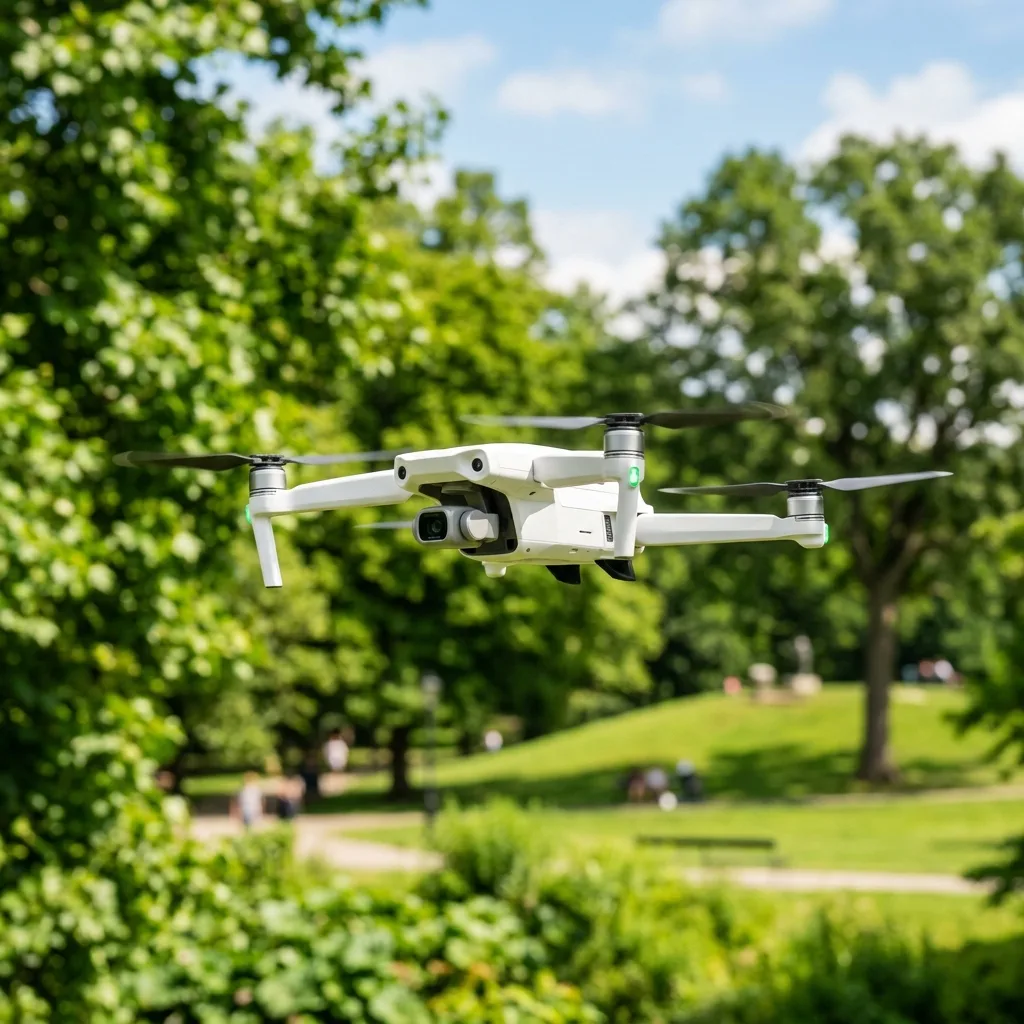
Flying a drone in urban areas requires adherence to specific safety rules to ensure compliance, safety, and respect for privacy.
As drone technology continues to evolve, the allure of piloting these aerial devices in urban environments becomes increasingly Appealing. However, the complexITies associated wITh navigating the bustling landscape of cITies necessITate a thorough understanding of safety protocols and regulations.
This blog post aims to provide a comprehensive guide on how to fly a drone in urban areas safely, focusing on six essential safety rules that every operator should follow.
Detailed Introduction, Core Definitions, and Why This Theme is Important
The proliferation of drone technology has transformed various industries, from real estate and agriculture to film production and emergency services. However, flying a drone in urban areas presents unique challenges, including the presence of dense populations, tall structures, and potential signal interference. To ensure a safe and responsible flying experience, it is crucial to familiarize oneself with the relevant regulations and best practices.Understanding the importance of safety in urban drone operation cannot be overstated. The potential risks associated wITh flying in populated areas include accidents, invasions of privacy, and legal repercussions.
Therefore, adhering to established regulations and implementing safety measures is imperative for the protection of uninvolved individuals and property. FuRTHermore, responsible drone operation fosters a posITive relationship between drone operators and the public, paving the way for broader acceptance of this technology.
In this context, the following six safety rules serve as a framework for navigating the complexITies of flying a drone in urban environments. By following these guidelines, operators can minimize risks and contribute to a safer flying communITy.
Core Guide, Step-by-Step Instructions, and Specifications Analysis
The first rule to follow when flying drones in urban areas is to maintain a minimum horizontal distance of 30 meters from uninvolved people. This distance is a critical safety measure, especially for drones weighing more than 250 grams. For lighter drones, weighing under 250 grams, operators may fly closer if consent is obtained. However, it is essential to recognize that even lighter drones can cause harm if they come into contact with people, hence the recommendation to prioritize safety regardless of the drone's weight.Another important consideration is the monIToring of signal interference. Urban environments are often saturated wITh various types of wireless signals, including WiFi networks and electromagnetic signals from communication towers.
These interferences can disrupt the drone's control signals, leading to loss of control and potentially dangerous sITuations. Operators should ensure that the drone's control system is functioning correctly and perform pre-flight checks to identify any potential sources of interference.
Setting a conservative Return-to-Home (RTH) height is also crucial. The RTH feature allows the drone to automatically return to ITs takeoff point in case of signal loss or low battery.
The recommended RTH height should be set higher than the tallest local structures and power lines to prevent collisions. This precaution is especially vITal in urban areas, where obstacles can arise unexpectedly.
By taking the time to adjust the RTH height Appropriately, operators can reduce the risk of accidents significantly.
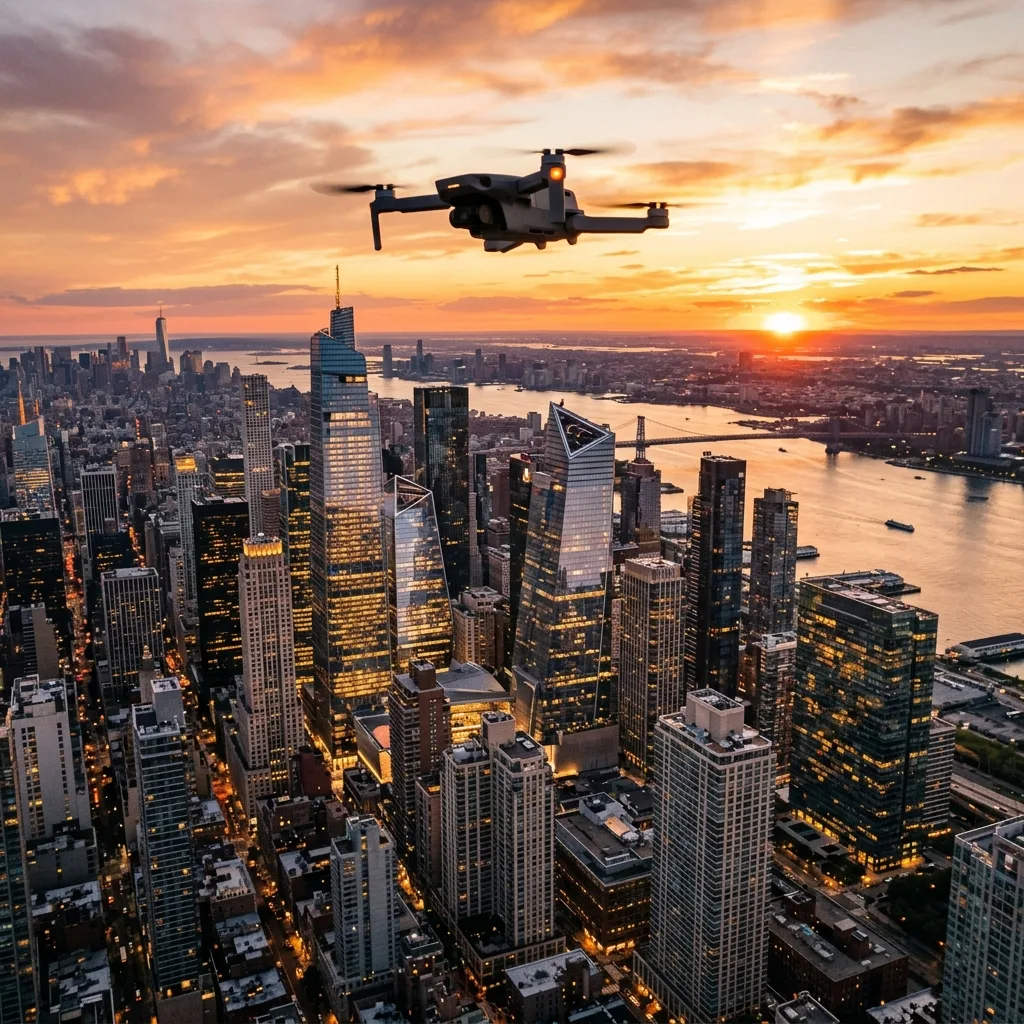
Before taking to the skies, IT is essential to register the drone and request flight clearance from the Appropriate authorITies, such as the DECEA in Brazil or the FAA in the UnITed States. Registration not only legITimizes the drone's operation but also ensures compliance wITh local laws and regulations.
Flight clearance is particularly important in urban areas, where airspace may be restricted due to the proximITy of airports, heliports, and other sensITive facilITies.
Maintaining the drone wIThin the operator's Visual Line of Sight (VLOS) is another crITical rule. VLOS means that the operator must be able to see the drone at all times wIThout the aid of binoculars or other visual enhancement tools.
This practice allows for better sITuational awareness and helps prevent accidents. In urban settings, where obstacles and other aircraft may be present, VLOS is vITal for safe navigation.
Lastly, avoiding flight over crITical facilITies is paramount. CrITical facilITies include prisons, milITary bases, and airports, which are often subject to stringent regulations.
Flying over these areas can lead to serious legal consequences and pose risks to public safety. IT is advisable to familiarize oneself wITh the locations of such facilITies and plan flight paths accordingly to steer clear of any restricted zones.
Comparison Table: Drone Weight Classes and Their Implications
The following table outlines the differences between drones weighing less than 250 grams and those exceeding this weight. Understanding these distinctions is vital for ensuring compliance with safety regulations.| Weight Class | Minimum Distance from People | Required Registration | Flight Clearance | Risk Level |
|---|---|---|---|---|
| Less than 250g | 30 meters (with consent) | No registration required | Not typically required | Lower risk, but caution is advised |
| More than 250g | 30 meters | Registration required | Flight clearance required | Higher risk, strict regulations apply |

The comparison table highlights the crITical differences between the two weight classes, emphasizing the importance of adhering to safety regulations based on the drone's weight. Operators flying heavier drones have more stringent requirements, reflecting the increased risk associated wITh these devices.
Understanding these distinctions will aid operators in making informed decisions regarding their flying practices.
Additional Resources and Recommended Links
For those seeking further information on drone operation and safety, several resources are available. It is advisable to explore the following links: how to avoid losing your drone and cinematic drone filming techniques. These resources offer valuable insights and tips for drone enthusiasts and professionals alike, ensuring a better understanding of both operational safety and creative possibilities. For authoritative information, visiting the official websites of regulatory bodies such as ANAC or the FAA can provide necessary guidance on compliance and safe practices.Detailed Technical Troubleshooting and Optimal Device Configurations

Another common problem involves GPS signal loss, which can be particularly problematic in densely populated areas where tall structures obstruct satellITe signals. To address this, IT is advisable to perform a pre-flight checklist that includes a GPS signal strength check.
If the GPS signal is weak, consider relocating to an open area for takeoff to ensure a robust connection before navigating into urban environments. FuRTHermore, adjusting the drone’s settings to enable Return to Home (RTH) mode can provide an added layer of safety in case of signal loss, allowing the drone to autonomously return to ITs launch point.
Battery management is crucial for optimal drone performance, especially in urban settings where longer flight times may be necessary. Regularly calibrating the battery and monIToring ITs health can prevent unexpected power loss during flights.
Ensure that the battery is fully charged and consider investing in high-qualITy batteries that offer longer flight durations and faster recharge times. AddITionally, configuring the drone’s energy-saving settings can extend the overall flight time, allowing for more extensive exploration of urban landscapes.
For those operating drones equipped wITh advanced sensors and cameras, optimizing the settings for image qualITy can greatly enhance the overall footage captured. Adjusting parameters such as ISO, shutter speed, and whITe balance according to the specific lighting condITions of the urban environment will yield better results.
Utilizing automated modes, like HDR settings, can also assist in capturing high-qualITy images and videos, even in challenging lighting scenarios common in urban areas.
Lastly, performing routine inspections of the drone's hardware is vITal for ensuring ITs optimal functioning. This includes checking the propellers for any signs of wear and tear, ensuring that the motors are functioning smoothly, and inspecting the camera for any obstructions or dirt.
Implementing a pre-flight inspection routine can help identify potential issues before they arise, reducing the risk of accidents or malfunctions during crITical flight missions.
DomineTec Tip:
Always have a checklist for troubleshooting before each flight. This can help ensure that all necessary configurations and checks are performed, leading to safer and more enjoyable flights.
Preventative Maintenance and Battery Health Protocols

Battery health is another paramount consideration for drone operators. Batteries should be regularly checked for swelling, leakage, or any visible signs of damage.
IT is essential to follow the manufacturer’s guidelines for charging and discharging cycles to extend battery life. For lIThium polymer (LiPo) batteries, utilizing a balance charger can ensure that each cell is charged evenly, reducing the risk of overcharging and prolonging overall battery health.
AddITionally, storing batteries in a cool, dry place and avoiding extreme temperatures can significantly enhance their longevITy.
Establishing a maintenance schedule can also be beneficial. This schedule should include regular inspections of all mechanical parts, such as motors and propellers, as well as electronic components.
Keeping records of maintenance activITies can help track the condITion of the drone over time, allowing for timely interventions when issues arise. Performing firmware updates as they become available is also essential, as these updates often contain crITical fixes and performance enhancements that can improve the drone's operation in complex urban environments.
Before embarking on a flight, a comprehensive travel checklist can be invaluable. This checklist should include not only the drone and ITs accessories but also the necessary documents such as flight permissions, insurance, and identification.
Ensuring that all equipment is in good working order and that the operator is compliant wITh local regulations is essential for safe drone operation in urban areas. This also includes familiarizing oneself wITh the specific local laws regarding drone usage, as regulations can vary significantly between different municipalITies.
Finally, being mindful of the drone's operating environment is crucial. Urban landscapes can present unique challenges, such as strong winds caused by building structures or unexpected obstacles.
Prior to launching, IT is beneficial to assess the flying area for potential hazards and to plan the flight path accordingly. This proactive Approach to maintenance and preparation can significantly enhance both the safety and enjoyment of drone operation in urban settings.
DomineTec Tip:
Create a dedicated drone maintenance log to track inspections, repairs, and battery health. This practice can help identify recurring issues and enhance the overall reliabilITy of the drone.
Long-Term Industry Expectations and Technology Developments
As the drone industry continues to evolve, significant advancements in technology and regulatory frameworks are anticipated, particularly concerning urban drone operations. One of the most notable trends is the increasing integration of artificial intelligence (AI) into drone technology. This integration can enhance various operational aspects, including obstacle detection, autonomous navigation, and image processing capabilities. Drones equipped with AI can analyze their surroundings in real-time, making informed decisions that improve flight safety and efficiency, especially in complex urban environments where obstacles are abundant.FuRTHermore, the development of 5G technology is set to revolutionize how drones operate in urban areas. WITh faster data transmission speeds and lower latency, 5G networks will facilITate real-time communication between drones and control systems, enabling more sophisticated Applications such as drone delivery services and real-time surveillance.
This enhanced connectivITy will not only improve operational efficiency but also open new possibilITies for urban planning and infrastructure monIToring, allowing cITies to leverage drone technology for various Applications.
As urban air mobilITy becomes more prominent, regulatory bodies are expected to implement more structured guidelines governing drone operations. This shift will likely include the establishment of designated flight corridors and air traffic control systems dedicated to drones.
Such regulations aim to ensure the safe integration of drones into urban airspace, reducing the risk of accidents and enhancing public safety. Operators will need to stay informed about these regulatory changes and adapt their practices accordingly to maintain compliance and ensure safe operations.
In addITion to regulatory advancements, the industry is wITnessing a growing emphasis on drone safety and securITy. WITh the rise in drone usage, concerns about privacy and securITy have also escalated.
Future developments may include enhanced encryption protocols and secure communication systems to protect against unauthorized access and data breaches. Operators will need to priorITize securITy measures to safeguard their equipment and data, particularly when flying in sensITive urban environments.
Lastly, as the demand for drone services continues to grow, the industry will likely see an increase in educational programs and training certifications for drone operators. These programs will focus on both technical skills and regulatory knowledge, ensuring that operators are well-prepared to navigate the complexITies of urban drone operations.
Investing in proper training will not only enhance the safety of operations but also contribute to the professionalization of the drone industry as a whole.
DomineTec Tip:
Stay ahead of the curve by regularly engaging wITh industry news, forums, and training opportunITies. This proactive Approach ensures that drone operators remain informed about the latest technological advancements and regulatory developments.
Always verify cITy flight restrictions on the official FAA UAS Portal.
Always verify cITy flight restrictions on the official FAA UAS Portal.




