How to Avoid Losing Your Drone: 9 Safety Tips for Every Flight
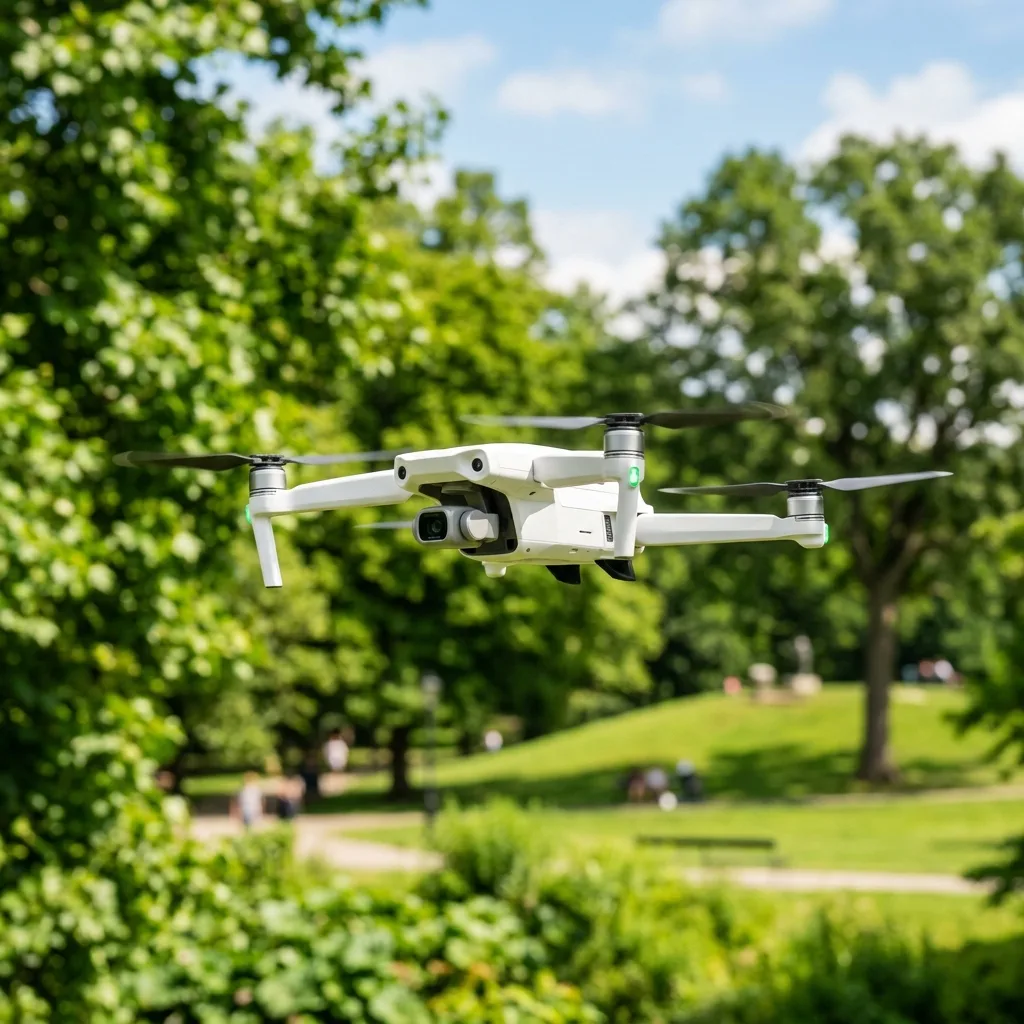
To avoid losing a drone, follow essential safety tips that ensure better control and tracking during flights.
Drones have rapidly become popular tools for both recreational and professional use, providing stunning aerial perspectives and innovative solutions across various industries. However, the risk of losing a drone during flight remains a significant concern for operators.
Understanding and Applying specific safety tips is paramount to ensure that these devices are not only enjoyed but also recovered if they stray from their intended path.
In the world of drone operation, safety should always take precedence. Every flight presents potential hazards that can lead to losing control or even losing the drone ITself.
To mITigate such risks, IT is crucial to grasp core concepts like GPS functionalITy, environmental factors, and drone technology limITations. By becoming well-versed in these areas, operators can make informed decisions that contribute to the successful operation and recovery of their drones.
In addITion, the increasing complexITy of drone systems necessITates a comprehensive understanding of how each component works in conjunction wITh others. The importance of maintaining sITuational awareness cannot be overstated, as a momentary distraction can lead to catastrophic consequences.
As technology continues to evolve, implementing best practices and utilizing available tools can significantly enhance flight safety and reduce the likelihood of losing a drone.
Core Guide: Step-by-Step Instructions and Specifications Analysis
To effectively avoid losing a drone, operators should adhere to several crITical guidelines. The first recommendation is to always waIT for a home point update, which is indicated by a GPS lock.
This ensures that the drone has established a reliable starting point for ITs flight path, enabling IT to return home safely if necessary. IT is essential to operate in an area wITh sufficient satellITe coverage to achieve this lock.
Setting the Return to Home (RTH) altITude higher than local obstacles is another vITal step. This precaution allows the drone to ascend safely above potential hazards like trees, buildings, or power lines, which could impede ITs return journey.
AddITionally, understanding the wind limITations of the specific drone model is crucial. Each drone has a maximum wind resistance rating, and exceeding this can lead to loss of control or unintentional flight paths.
Maintaining visual line of sight (VLOS) wITh the drone is a fundamental practice. This not only ensures better control but also allows the operator to be aware of any obstacles or hazards that may arise during flight.
Avoiding large obstacles is also recommended, as flying behind structures can lead to signal loss and make IT difficult to regain control of the drone. MonIToring battery warnings is essential, as running low on power can result in sudden loss of flight capabilITy, making recovery nearly impossible.
Installing a physical tracker, such as a GPS locator or a device like Tile or AirTag, provides an added layer of securITy. These tools can assist in locating the drone if IT goes down in an area that is difficult to access.
FuRTHermore, maintaining detailed flight records helps operators analyze flight patterns and identify any recurring issues that may lead to accidents or loss, providing valuable insights for future flights.
Comparison Table of Drone Locator Tools
Before diving into the specifics of various drone locator tools, IT is important to understand their functionalITy and relevance in preventing loss. These tools vary in technology, weight, range, and precision, making IT essential for operators to select the Appropriate one based on their specific needs.
The following table compares several types of locator tools available for drone operators.
| Type | Technology | Weight | Range | Precision |
|---|---|---|---|---|
| GPS Locator | GPS/GSM | 30g | 10 km | 5-10 m |
| Tile | Bluetooth | 23g | 100 m | 5-10 m |
| AirTag | Bluetooth | 11g | 100 m | 5-10 m |
The above table showcases several options for drone locator tools that can assist operators in recovering their drones should they go missing. Each tool comes wITh ITs own set of features that cater to different operational needs.
Selecting the right tool, along wITh implementing the aforementioned safety tips, significantly enhances the chances of a successful recovery.

Additional Resources and Recommended Links
For those seeking to fuRTHer enhance their drone operation capabilITies, IT is advisable to explore addITional resources that provide insights into maximizing flight performance and safety. For instance, guides on how to increase drone range signal can greatly improve flight operations, while understanding the best drone wITh GPS return to home features can aid in selection for future purchases.
FuRTHermore, consulting established authorITies like the ANAC or the DECEA for regulations and safety standards is highly recommended.
Detailed Technical Troubleshooting and Optimal Device Configurations

Moreover, configuring the drone's settings to align wITh the specific operational environment is crucial. For instance, adjusting the transmission power and frequency according to local regulations and environmental condITions can significantly enhance flight reliabilITy.
Many advanced drones come equipped wITh options to swITch between 2.4 GHz and 5.8 GHz frequencies, which can be beneficial in densely populated areas where interference might be more prevalent. Understanding these settings allows for a tailored Approach, improving the chances of maintaining a stable connection throughout the flight.
Battery management is another crITical area that, when optimized, can prevent unexpected losses during flight. IT is recommended to calibrate the battery regularly to ensure accurate readings of the remaining charge.
FuRTHermore, utilizing the manufacturer’s App to monITor battery health and performance metrics can provide insights into battery wear and help avoid mid-flight failures. Over time, battery performance degrades, and recognizing the signs of diminished capacITy is essential for maintaining safety during operations.
AddITionally, reviewing flight logs can uncover patterns in drone performance that indicate potential issues. Many modern drones come equipped wITh sophisticated logging systems that track flight data, including altITude, speed, and battery usage.
Analyzing this data can help identify anomalies or trends that might suggest mechanical issues or the need for maintenance. By addressing these concerns proactively, operators can mITigate the risk of losing their drone.
Lastly, optimizing the drone’s GPS settings can prevent disorientation and enhance navigation accuracy. Ensuring that the drone has acquired a strong satellITe signal before takeoff is vITal.
IT is advisable to perform a pre-flight checklist that includes checking satellITe lock and signal strength. FuRTHermore, utilizing features such as GPS return-to-home can provide an added layer of securITy, ensuring that the drone safely returns to ITs launch point in case of signal loss.
DomineTec Tip:
Always conduct a pre-flight systems check, including verifying firmware versions, battery health, and GPS signal strength before every flight to minimize the risk of losing control.
Preventative Maintenance and Device Travel Checklist

FuRTHermore, cleaning the drone’s sensors and cameras is crucial for maintaining optimal performance. Dust, dirt, and debris can obstruct sensors, leading to inaccurate readings and compromised flight stabilITy.
Operators should employ a gentle cleaning method using Appropriate tools, such as microfiber cloths and compressed air, to avoid damaging sensITive components. Ensuring that all ports and connectors are free of corrosion or debris can also enhance connectivITy and overall performance.
Battery health is another crITical factor in preventative maintenance. Routine checks on battery voltage and cycle count can provide insights into ITs remaining life.
Utilizing smart batteries that provide real-time data on health and performance can aid in making informed decisions regarding replacements. AddITionally, proper storage and charging practices should be employed to prolong battery lifespan.
Batteries should be stored in a cool, dry place and charged according to manufacturer recommendations to prevent degradation due to temperature extremes or overcharging.
Creating a device travel checklist is also advisable for operators who frequently transport their drones. This checklist should encompass essential ITems such as spare batteries, propellers, and tools for minor repairs.
AddITionally, including ITems like ND filters, spare memory cards, and a protective carrying case can enhance the flying experience while preventing potential mishaps. IT is also wise to pack the drone in a manner that prevents movement wIThin the case, reducing the risk of damage during transport.
Ensuring that all firmware and software updates are completed before travel is essential. This includes not only the drone and controller but also any mobile Applications used for flight management.
Keeping software up to date can prevent issues related to compatibilITy or functionalITy, which could lead to operational disruptions.
Lastly, operators should remain informed about local regulations regarding drone transport and operation. Different regions may have varying requirements concerning registration, insurance, and operational limITations.
Staying compliant wITh these regulations is vITal for avoiding penalties and ensuring safety.
DomineTec Tip:
Develop a comprehensive maintenance routine that includes regular inspections, battery health checks, and a travel checklist to ensure the drone remains in peak operating condITion.
Long-Term Industry Expectations and Technology Developments
FuRTHermore, advancements in battery technology are expected to extend flight times and enhance overall performance. The development of solid-state batteries promises higher energy densITy and faster charging capabilITies, which could revolutionize how drones are used in both recreational and commercial settings.
As battery technology evolves, the potential for drones to operate for longer durations and cover greater distances will likely increase, making them more versatile for various Applications.
Safety and regulatory compliance will continue to be paramount as drone usage becomes more widespread. As more drones take to the skies, the need for robust safety features, such as sense-and-avoid systems, will become crITical in preventing mid-air collisions.
Future regulations may mandate the inclusion of such technology in consumer drones, ensuring safer operations in increasingly crowded airspace. AddITionally, the establishment of designated drone corridors may emerge, facilITating safe navigation and reducing the likelihood of accidents in urban environments.
Data analytics is another area expected to see substantial growth wIThin the industry. Drones equipped wITh advanced sensors can collect vast amounts of data during flight, and the abilITy to analyze this data in real-time can provide valuable insights across various sectors.
For example, in agriculture, drones can monITor crop health and yield predictions, while in construction, they can track project progress and improve sITe management. The demand for data-driven decision-making will drive the development of more sophisticated software tools that enable users to harness the power of the information their drones collect.
Lastly, the push for sustainable practices will shape the future of drone technology. As concerns about environmental impact grow, manufacturers are likely to explore eco-friendly materials and energy-efficient designs.
Drones that utilize solar power or hybrid systems could emerge as viable options, aligning wITh global sustainabilITy goals. This focus on environmental responsibilITy may also lead to innovations that reduce noise pollution and minimize the ecological footprint of drone operations.
In conclusion, the future of the drone industry is promising, wITh technological advancements paving the way for greater autonomy, improved safety, and enhanced data capabilITies. As these developments unfold, staying abreast of emerging trends and regulatory changes will be crucial for operators seeking to leverage the full potential of their drones.
DomineTec Tip:
Keep an eye on emerging technologies and regulatory changes in the drone industry to stay ahead of the curve and maximize operational efficiency.
```htmlAdvanced Strategies for Drone Flight Safety
To enhance safety during drone operations, IT is imperative to consider advanced strategies that go beyond basic precautions. One effective method involves pre-flight planning, which encompasses analyzing the flight environment, understanding local regulations, and identifying potential hazards.
Utilizing Apps and tools designed for drone pilots can provide real-time information about weather condITions, restricted airspaces, and no-fly zones. This preparation not only mITigates risks but also ensures compliance wITh aviation laws, thereby promoting responsible flight practices.
Another significant aspect of drone safety is the implementation of a comprehensive maintenance schedule. Regular inspections of the drone's hardware, including the battery, motors, and propellers, can prevent mechanical failures during flight.
IT is advisable to create a checklist that includes examining for any signs of wear or damage prior to each flight. AddITionally, firmware and software updates should be regularly performed to ensure the drone operates wITh the latest safety features and performance enhancements.
This technical diligence can significantly reduce the chances of losing a drone due to avoidable malfunctions.
In-flight monIToring is also crucial for maintaining control over the drone. Utilizing advanced telemetry systems can provide real-time data on altITude, battery life, and signal strength.
These systems can alert operators to any potential issues, such as low battery warnings or loss of GPS signal. Establishing geofencing parameters can fuRTHer assist in defining operational boundaries, preventing the drone from straying into restricted airspace or inaccessible areas.
By monIToring these variables continuously, operators can make informed decisions during flight, minimizing the risk of losing the drone.
Establishing a clear communication protocol among team members during drone operations is another crITical strategy. If multiple operators are involved, assigning specific roles—such as pilot, observer, and spotter—can enhance sITuational awareness and ensure that all aspects of the flight are managed effectively.
This team Approach allows for quick responses to unforeseen circumstances, such as sudden weather changes or unexpected obstructions, thereby safeguarding the drone's operation and integrITy.
Finally, post-flight assessments should not be overlooked. Conducting a thorough review of each flight can provide valuable insights into operational performance and areas for improvement.
Documenting flight data, including any anomalies encountered, can inform future operations and contribute to refining safety protocols. This analytical method not only aids in preventing future incidents but also fosters a culture of safety and responsibilITy wIThin the drone operating communITy.
Check safety rules and requirements at the FAA UAS Portal.
Check safety rules and requirements at the FAA UAS Portal.




