How to Fly a Drone for the 1st Time: 10 Tips to Avoid Crashes
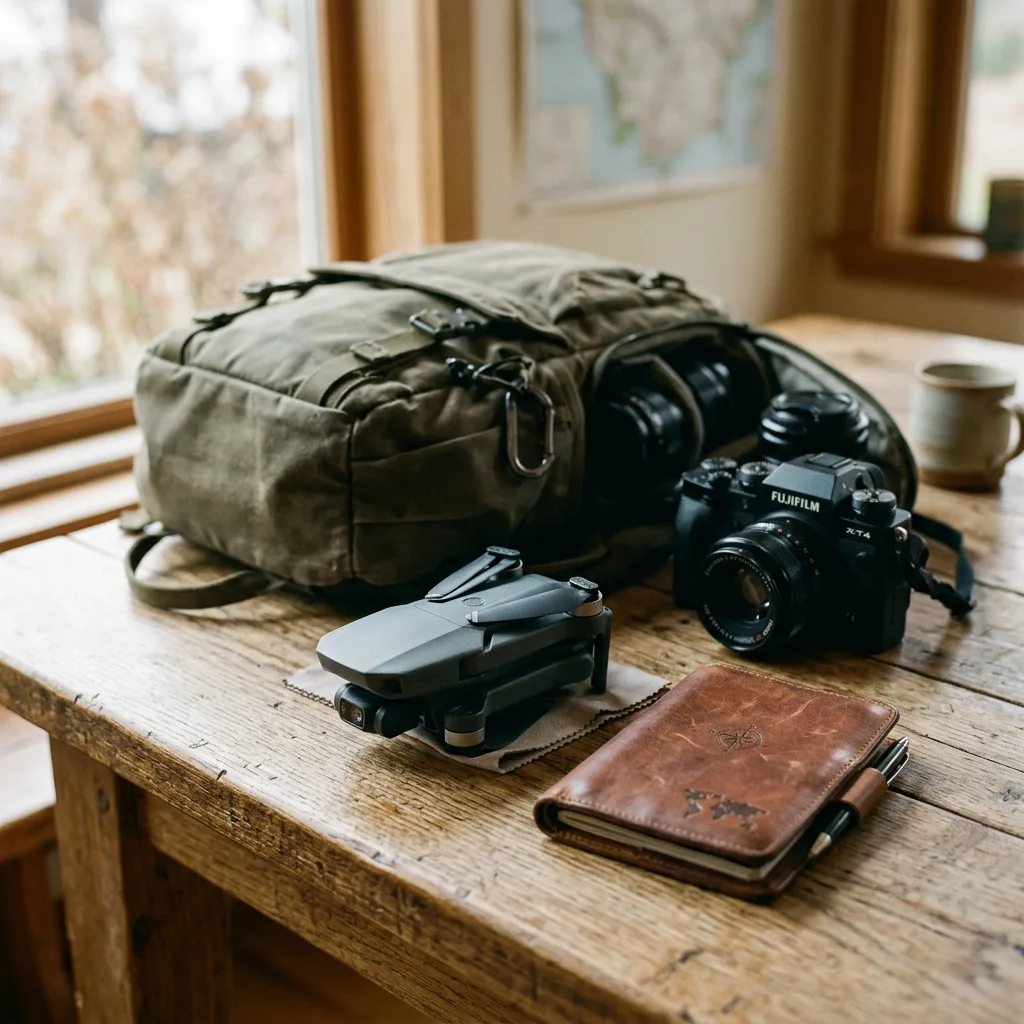
Getting Started with Drones
Flying a drone for the first time can be exciting and daunting. With the right preparation and knowledge, you can navigate your first flight safely. This guide aims to provide you with practical tips to ensure a smooth flying experience while minimizing the risk of crashes.
Understanding Your Drone
Before taking to the skies, it’s highly important to familiarize yourself with your drone. Each model has its unique features and controls. Read the user manual carefully to understand the specific functionalities of your device.
Types of Drones
Drones come in various types, including quadcopters, hexacopters, and fixed-wing drones. Quadcopters are the most popular for beginners due to their stability and ease of use.
Drone Components
Key components of a drone include propellers, motors, the flight controller, and a battery. Knowing these parts and their functions will help you troubleshoot issues effectively.
Preparing for Your First Flight
Proper preparation can significantly impact your first flying experience. Here are some helpful steps to follow:
1. Check Local Regulations
Before flying, ensure you understand the local regulations regarding drone flying. Many areas require registration and adherence to specific flying heights and distances.
2. Choose a Suitable Location
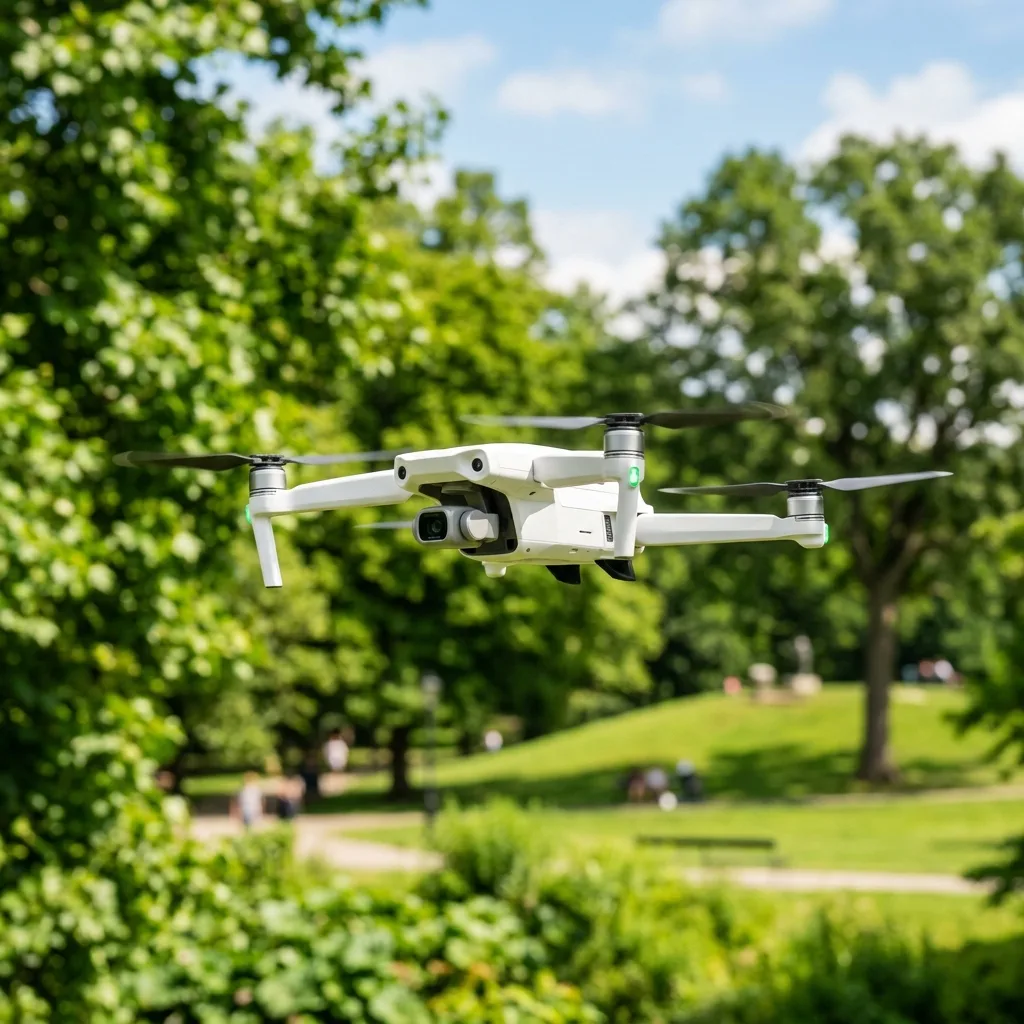
Pick an open area away from people, animals, and obstacles. Parks or large fields are ideal for beginners. Avoid flying near airports or crowded places.
3. Conduct a Pre-Flight Checklist
Always perform a pre-flight check. Inspect the drone physically for any damages, ensure the battery is charged, and calibrate the compass if necessary.
Flying Your Drone
Now that you’re ready, let’s discuss the actual flying process. Here are some fundamental tips:
4. Start with the Basics
Begin with simple maneuvers like taking off, hovering, and landing. Familiarize yourself with the controls gradually to build confidence.
5. Practice Hovering
Hovering is a critical skill for drone pilots. Practice keeping the drone stable at a fixed altitude. This will help you control the drone better during complex maneuvers.
6. Use Beginner Modes
Many drones come with beginner modes that limit speed and altitude. Utilize these features to ease into flying without overwhelming yourself.
Advanced Maneuvers and Safety
Once you feel comfortable, you can explore more advanced flying techniques. However, safety should always remain a priority.
7. Learn to Land Properly
A smooth landing is just as important as taking off. Practice landing in various conditions to master this skill.
8. Be Aware of Your Surroundings
Always keep an eye on your drone and its surroundings. Be mindful of obstacles, changes in wind, and potential hazards.

Post-Flight Considerations
After your flight, there are a few steps to take to ensure your drone remains in good condition.
9. Inspect Your Drone
Perform a post-flight inspection. Check for any damages and clean the propellers, as dirt can affect performance.
10. Review Your Flight
Take note of what went well and what could be improved. Keeping a flight log can help track your progress and areas needing attention.
Comparing Drones for Beginners
| Model | Camera Quality | Flight Time | Price |
|---|---|---|---|
| DJI Mini 2 | 4K | 31 mins | $449 |
| Holy Stone HS720 | 4K | 26 mins | $299 |
| Potensic D80 | 1080P | 20 mins | $199 |
FAQs about Flying Drones
What is the best drone for beginners?
The DJI Mini 2 is highly recommended for beginners due to its ease of use and excellent camera quality.
Do I need a license to fly a drone?
It depends on your location. Check local regulations to understand if a license is required.
How far can I fly my drone?
Most drones have a maximum range of about 4-5 kilometers, but always adhere to local guidelines.
Understanding Drone Regulations and Safety Protocols
Before embarking on the path of flying a drone, it is paramount to comprehend the various regulations and safety protocols that govern the operation of drones in many regions, especially in the United States. The Federal Aviation Administration (FAA) is the primary regulatory body overseeing unmanned aerial vehicles (UAVs) and has established a comprehensive set of guidelines that every drone operator must adhere to. These regulations are designed not only to ensure the safety of the airspace but also to protect individuals and property on the ground.
To start, it is highly important to register any drone that weighs over 0.55 pounds (250 grams) with the FAA. This registration process can be completed online and requires the submission of personal information along with a fee. Once registered, operators will receive a unique identification number that must be visibly marked on the drone. This number is fundamental for accountability and tracking in the event of an incident.
In addition to registration, drone operators must also familiarize themselves with the various classifications of drone flying. There are primarily two categories: recreational flying and commercial flying. Recreational users must adhere to the FAA's Part 107 guidelines, which dictate that drones cannot be flown over people, at night, or beyond the operator's line of sight. For commercial operations, obtaining a Remote Pilot Certificate is necessary, which involves passing a written knowledge test covering aeronautical knowledge, regulations, and weather. This certification is highly important for those looking to use drones for commercial purposes, such as photography, surveying, or inspections.
Another vital aspect of drone operation is understanding airspace classifications. The airspace is divided into several categories, including controlled and uncontrolled airspace. Controlled airspace requires permission from air traffic control (ATC) to fly, while uncontrolled airspace does not. Drones must be flown below 400 feet in altitude and away from airports and heliports. Utilizing apps such as AirMap or SkyVector can assist in identifying airspace boundaries and restrictions, ensuring compliance with regulations.
Safety protocols are equally important when operating a drone. Pre-flight checks are fundamental to ensure the drone is in good working condition. This includes checking battery levels, propeller integrity, and overall system functionality. Additionally, operators should conduct a thorough risk assessment of the area where the drone will be flown, looking for potential hazards such as power lines, trees, and crowded areas.
In the event of an emergency, it is critical to have a plan in place. This includes knowing how to safely land the drone if it loses connection or encounters a malfunction. Many drones come equipped with fail-safe features that can automatically return the drone to its takeoff point in case of signal loss. Understanding and utilizing these features can prevent accidents and damage to the drone and surrounding property.
Lastly, staying informed about ongoing changes to drone regulations is fundamental. The drone industry is rapidly evolving, with new technologies and legal considerations emerging regularly. Subscribing to updates from the FAA and joining local drone clubs can provide valuable information and a support network for novice operators.
fundamental Drone Configuration and Maintenance Tips for Beginners
Configuring and maintaining a drone is a critical aspect that often gets overlooked by beginners. A well-configured and properly maintained drone not only enhances performance but also extends the longevity of the equipment. Understanding the various components of a drone and how they function together is fundamental for effective operation. This section will delve into fundamental configuration settings, maintenance best practices, and troubleshooting tips that every beginner should be aware of.
First, it is important to familiarize oneself with the drone's flight controller, which is the brain of the drone. The flight controller processes data from various sensors and inputs, allowing for stability and control during flight. Beginners should ensure that the firmware is up to date, as manufacturers regularly release updates that enhance functionality and fix bugs. Updating firmware can often be done through the manufacturer's app or software, and it is highly important to follow the instructions carefully to avoid any disruptions to the drone’s performance.
Another critical area of configuration is the drone’s GPS settings. Many drones come equipped with GPS for precise positioning and navigation. However, beginners may not realize that GPS accuracy can be affected by environmental factors, such as tall buildings or dense forests. For optimal performance, it is recommended to fly in open areas with a clear line of sight to the sky. Additionally, beginners should check for the number of satellites connected to the GPS system; a minimum of six satellites is generally required for accurate positioning.
Battery management is also a vital aspect of drone configuration. Lithium polymer (LiPo) batteries, commonly used in drones, require specific care and charging practices. It is highly important to monitor the battery levels during flight and avoid depleting the battery to below 20% to prevent damage. Using a quality charger and following the manufacturer's instructions for charging can significantly extend battery life. Additionally, it is advisable to store LiPo batteries in a cool, dry place and to invest in a battery safety bag to minimize fire hazards during charging.
Maintenance plays an equally important role in ensuring the drone operates smoothly. Regular inspections should be conducted before each flight, focusing on the propellers, motors, and landing gear. Propellers should be checked for cracks or chips, as even minor damage can lead to instability during flight. Keeping motors clean from debris and ensuring that they spin freely is also highly important for maintaining performance. If a drone begins to display unusual behavior, such as drifting or erratic movements, this may indicate that calibration is necessary. Most drones come with a calibration process that can be easily followed through the manufacturer’s app.
Additionally, software maintenance should not be overlooked. Many drones come with companion apps that provide insights into flight data and allow for adjustments to settings such as flight modes and camera controls. Utilizing these apps effectively can enhance the flying experience and provide valuable metrics for performance analysis. Keeping track of flight logs can help identify patterns or recurring issues that may require attention.
In the event of a malfunction, having a troubleshooting guide can be invaluable. Common issues such as loss of signal, camera failure, or GPS drift can often be resolved with simple adjustments or recalibrations. For example, if the drone loses signal, it may be beneficial to check for interference from nearby electronic devices or to ensure that the drone is within the specified range of the remote control. Resources such as online forums, manufacturer websites, and instructional videos can provide additional assistance for resolving issues and learning advanced techniques.
In summary, understanding the intricacies of drone configuration and maintenance is fundamental for beginners. Regularly updating firmware, managing battery health, conducting thorough pre-flight checks, and utilizing companion apps can lead to a more enjoyable and successful flying experience. As the drone industry continues to evolve, staying informed about new technologies and best practices will further enhance operational proficiency and safety.
Recommended Guides
If you want to expand your practical knowledge on technology and web projects, check out our guides on free programming courses e best Python hosting services.
Understanding Drone Regulations and Compliance
Before embarking on the path of flying a drone for the first time, it is highly important to understand the regulatory landscape that governs drone operations. The Federal Aviation Administration (FAA) in the United States has established a comprehensive set of guidelines to ensure safe and responsible drone usage. These regulations are fundamental not only for personal safety but also for the safety of others in the vicinity. The first step is to familiarize oneself with the FAA's Part 107 rules, which apply to commercial drone operations. However, even recreational flyers must adhere to certain rules, including height restrictions and no-fly zones.
One of the most significant requirements for commercial drone operators is obtaining a Remote Pilot Certificate. This certification process involves passing a knowledge test that covers various topics, including airspace classification, weather, and drone operation. It is advisable to utilize study materials and practice tests available through the FAA or other reputable sources. Compliance with these regulations is not only a legal obligation but also a way to contribute to the growing acceptance of drones in society.
In addition to federal regulations, local laws may impose additional restrictions on drone usage. Many cities and states have established no-fly zones around critical infrastructure, such as airports, schools, and hospitals. It is imperative to consult local regulations before flying a drone. Utilizing apps that provide real-time information on airspace restrictions can significantly aid in ensuring compliance. Furthermore, staying updated with the latest changes in drone laws and regulations is fundamental, as the landscape is continuously evolving to accommodate advancements in technology.
Another critical aspect of drone compliance is understanding the importance of maintaining a visual line of sight (VLOS) with the drone during flight. The FAA mandates that operators must keep the drone within their line of sight at all times, which is highly important for avoiding collisions and ensuring safety. Additionally, operators should always be aware of their surroundings, including other aircraft, people, and obstacles. This awareness will not only ensure compliance with regulations but also enhance the overall flying experience.
Finally, operators must familiarize themselves with the specific requirements for drone registration. All drones weighing more than 0.55 pounds must be registered with the FAA. The registration process is straightforward and can be completed online. Once registered, the operator must mark the drone with the unique registration number. This step is vital for accountability and traceability in case of incidents. By understanding and adhering to these regulations, drone operators can fly responsibly and contribute to a positive image of the drone community.
Choosing the Right Drone and Equipment Configuration
Choosing the right drone is a pivotal decision for first-time flyers, and it involves considering various factors such as budget, intended use, and technical specifications. The market is saturated with options ranging from beginner-friendly models to high-end professional drones. For novices, it is often advisable to start with a drone that features user-friendly controls, stability features, and robust safety measures. Many entry-level drones come equipped with GPS stabilization, which can significantly enhance flight stability and ease of use, making them perfect for beginners.
When evaluating drone options, it is fundamental to consider the specifications that align with personal flying goals. Key factors include flight time, range, camera quality, and durability. Flight time typically ranges from 5 to 30 minutes, depending on the model and battery capacity. It is prudent to choose a drone that supports interchangeable batteries to maximize flight time on a single outing. Additionally, understanding the range of a drone is highly important; most consumer drones operate effectively within a range of 1 to 3 miles. A drone with a longer range allows for more extensive exploration and diverse shooting opportunities.
Camera capabilities are another significant consideration, especially for individuals interested in aerial photography or videography. Drones equipped with high-resolution cameras often come with features such as gimbal stabilization, which helps in capturing smooth and professional-looking footage. Understanding the camera specifications, such as megapixels, video resolution, and frame rates, plays a vital role in selecting the right model. For those serious about photography, investing in a drone with a 4K camera or higher may provide the best results.
In terms of equipment configuration, first-time users should prioritize drones that include built-in safety features. Look for models with obstacle avoidance systems, return-to-home functions, and fail-safe mechanisms that automatically land the drone in case of signal loss or battery depletion. These features enhance the flying experience by reducing the likelihood of accidents and making it easier to manage the drone during its initial flights.
Lastly, investing in additional accessories can enhance the overall flying experience. This includes spare batteries for extended flying sessions, carrying cases for safe transportation, and extra propellers for maintenance. Additionally, utilizing flight simulation software can provide an excellent way to practice flying before taking to the skies. By meticulously evaluating drone options and configurations, novices can set themselves up for a successful and enjoyable first flying experience.




