How to Fix Underextrusion Caused by Partial Nozzle Clog on 3D Printer
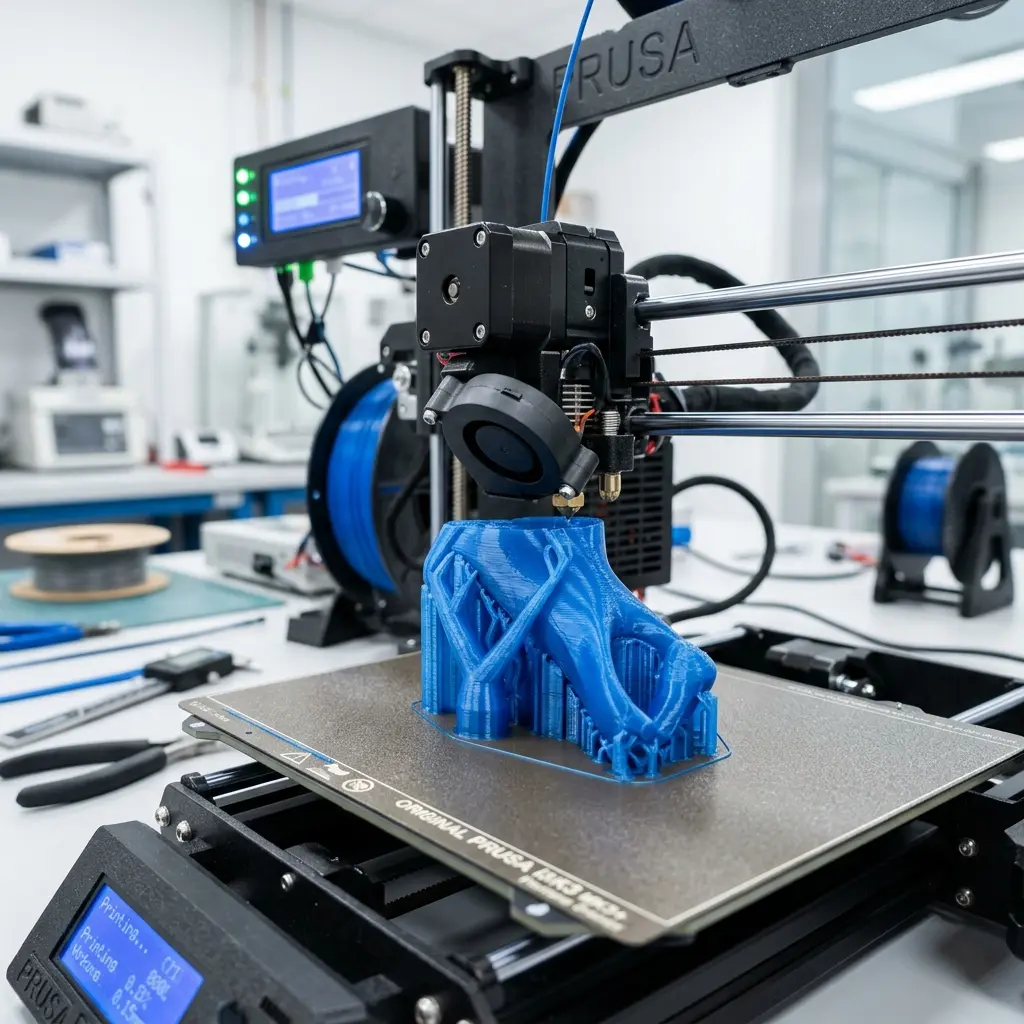
Underextrusion due to a partial nozzle clog can be fixed by carefully cleaning the nozzle and ensuring optimal printer settings.
Understanding Underextrusion in 3D Printing
Underextrusion occurs when a 3D printer fails to adequately feed filament through the nozzle, leading to weak and incomplete prints. This can manifest in various ways, including gaps between layers, inconsistent surface finishes, and overall structural integrity issues.
One common cause of underextrusion is a partial clog in the nozzle, which can restrict filament flow. Identifying and resolving this issue is crucial for achieving high-quality prints.
Identifying Signs of Partial Nozzle Clogs
Several indicators suggest a partial nozzle clog that could lead to underextrusion. Monitoring print behavior can provide critical insights.
- Inconsistent extrusion: Noticeable fluctuations in filament thickness.
- Filament skipping: The extruder motor may struggle to push filament through the nozzle.
- Surface imperfections: Visible gaps or weak areas in the printed object.
- Increased print time: Longer than expected duration to complete a print.
Preparing for Nozzle Cleaning
Before embarking on nozzle cleaning, ensure that the printer is cool and powered off. Gather necessary tools such as a cleaning needle, a wrench, and a soft cloth.
Having these tools ready will facilitate an efficient cleaning process.
Additionally, consider the type of filament used, as different materials may affect clogging. For instance, PLA and ABS have distinct properties that could contribute to clogs in different ways.
Step-by-Step Guide to Cleaning a Clogged Nozzle
Follow these steps to effectively clean a clogged nozzle and resolve underextrusion issues:
- Power off the 3D printer and allow it to cool down.
- Remove the filament from the extruder to prevent damage during cleaning.
- Use a wrench to carefully unscrew the nozzle from the hotend.
- Insert a cleaning needle into the nozzle to dislodge any debris.
- Soak the nozzle in a suitable solvent if needed for stubborn clogs.
- Rinse and dry the nozzle thoroughly before reinstallation.
- Reattach the nozzle to the hotend, ensuring a secure fit.
- Reload the filament and perform a test print to verify the fix.
DomineTec Tip: Regularly maintain the nozzle by performing preventative cleaning, especially after printing with abrasive materials.
Adjusting Printer Settings for Optimal Performance
Sometimes, underextrusion may not solely result from a clogged nozzle. Printer settings play a crucial role in ensuring consistent filament flow.
Check the extrusion multiplier and ensure it is set correctly within the slicer software, such as Cura. An extrusion multiplier that is too low can lead to underextrusion, regardless of nozzle condition.
Other settings to examine include retraction distance and speed, as improper configurations can also contribute to filament flow issues.
Preventing Future Nozzle Clogs
To mitigate the risk of future nozzle clogs, several proactive measures can be taken. Regular maintenance is key to a well-functioning 3D printer.
Using high-quality filament can significantly reduce the chances of clogs. Ensure that the filament is stored properly to prevent moisture absorption, which can create issues during printing.
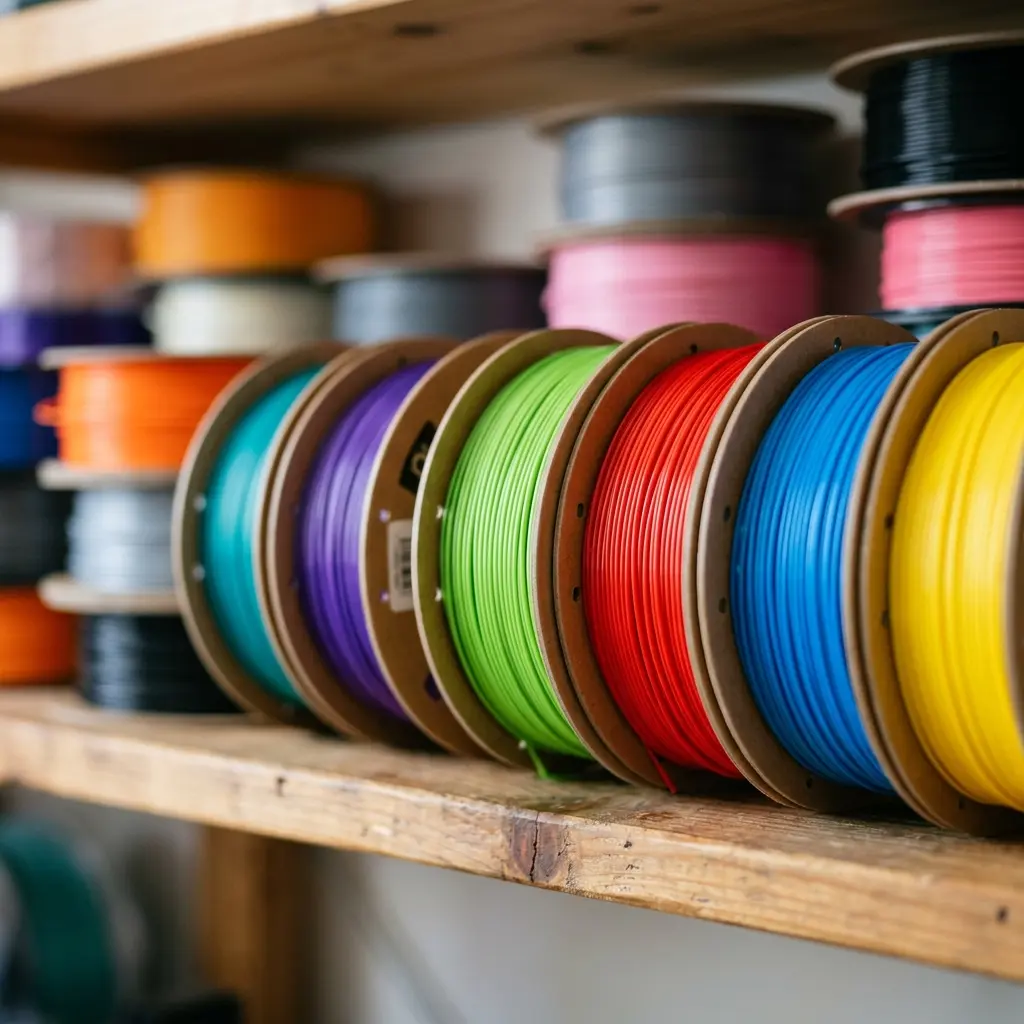
Additionally, consider implementing a cleaning routine, including the use of cleaning filament or performing cold pulls with nylon or other materials designed for that purpose. This proactive approach can help maintain nozzle cleanliness over time.
Comparative Analysis of Nozzle Types
| Nozzle Type | Diameter | Material | Best Use Case |
|---|---|---|---|
| Standard Brass | 0.4mm | Brass | General-purpose printing |
| Hardened Steel | 0.4mm | Steel | Printing abrasive materials |
| Ruby Nozzle | 0.4mm | Ruby | Long-lasting, high-performance printing |
| Gold Plated | 0.4mm | Gold | Specialty applications, less common |
Frequently Asked Questions
What causes underextrusion in 3D printing?
Underextrusion can be caused by various factors, including a clogged nozzle, incorrect printer settings, or inadequate filament supply. Regular maintenance and adjustments can help prevent these issues.
How can one identify a clogged nozzle?
Signs of a clogged nozzle include inconsistent extrusion, filament skipping, and surface imperfections in prints. Monitoring these indicators can assist in early detection.
Is it necessary to replace the nozzle frequently?
Frequent replacement of the nozzle is not usually necessary unless significant wear or damage occurs. Regular cleaning can extend the life of the nozzle considerably.
Can underextrusion be resolved without cleaning the nozzle?
While cleaning the nozzle is often the most effective solution, adjusting printer settings and ensuring high-quality filament can also address underextrusion issues. Evaluate all factors involved.
What are the best practices for nozzle maintenance?
Best practices include using high-quality filament, performing regular cleaning, and monitoring printer settings. Implementing these practices can greatly reduce the risk of clogs.
Advanced Techniques for Nozzle Maintenance
In addition to regular cleaning, advanced techniques can enhance nozzle maintenance. These methods can help ensure optimal performance and longevity of the nozzle.
- Cold Pull Method: Use a nylon filament to perform a cold pull, allowing the filament to solidify in the nozzle before pulling it out. This method effectively removes debris.
- Heat Soak Technique: Heat the nozzle to the filament's melting point and then allow it to cool slightly. This can help loosen any clogs without disassembling the hotend.
- Filament Swapping: When switching between different types of filament, perform a thorough cleaning to prevent cross-contamination and clogging.
Checklist for Regular Printer Maintenance
Maintaining a 3D printer involves routine checks and care. Use this checklist to ensure optimal performance:
- Inspect the nozzle for clogs before each major print job.
- Clean the nozzle after every few prints, especially with challenging materials.
- Check printer settings regularly and adjust as needed.
- Ensure proper filament storage to prevent moisture absorption.
- Perform routine lubrication of moving parts to maintain smooth operation.
- Review and update firmware periodically to improve performance.




