How to Enable Client and Device Isolation on UniFi Guest WiFi Network
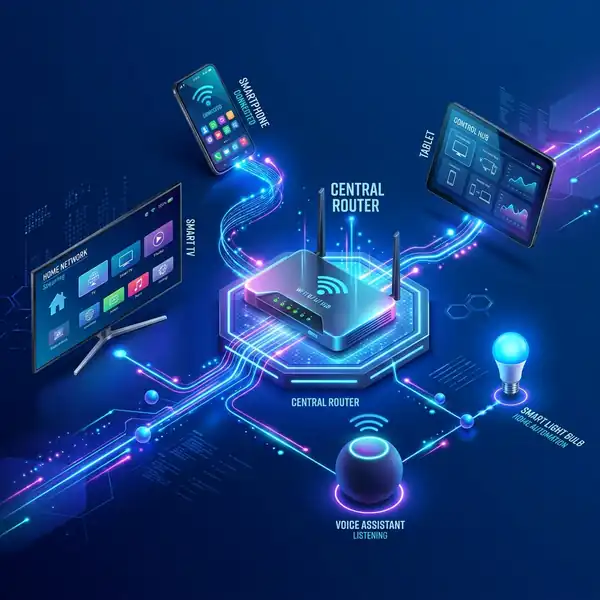
Client and device isolation on a UniFi Guest WiFi network can be enabled through the UniFi Controller interface or the command line.
Understanding Client and Device Isolation
Client and device isolation restricts communication between clients on the same network segment. This feature enhances security by preventing unauthorized access to devices within the guest network.
Prerequisites for Configuration
Ensure that the UniFi Controller is updated to the latest version to access all features. Guest network settings are generally configured in the “Settings” section of the controller.
Enabling Client Isolation via UniFi Controller
Navigate to the “Wireless Networks” section in the UniFi Controller. Select the guest network, enable the “Apply Client Isolation” checkbox, and save the changes.
CLI Commands for Advanced Users
For those familiar with command-line interfaces, execute the following command in the UniFi network device CLI: set-inform http://. This command allows for device configuration directly via terminal.
Device Isolation Comparison Table
| Feature | Client Isolation | Device Isolation |
|---|---|---|
| Restricts Client-to-Client Traffic | Yes | No |
| Restricts Device-to-Device Traffic | No | Yes |
| Applicable to Guest Networks | Yes | Yes |
| Enhances Security | Yes | Yes |
| Requires Advanced Configuration | No | Yes |
DomineTec Tip: Regularly update your UniFi firmware to ensure all security features are up-to-date.
- Log in to the UniFi Controller dashboard.
- Select the “Settings” tab from the left-hand menu.
- Go to “Wireless Networks” and choose the guest network to edit.
- Enable the “Apply Client Isolation” option.
- Click “Save” to apply the changes.

Benefits of Client and Device Isolation
Implementing client and device isolation in a guest WiFi network enhances security by preventing unauthorized access between users. This isolation minimizes the risk of data breaches, as it limits the ability of one client to communicate with another on the same network.
Additionally, it improves network performance by reducing unnecessary traffic generated by peer-to-peer communications. Ultimately, isolating clients contributes to a more stable and secure environment for both guests and network administrators.
Best Practices for Guest WiFi Configuration
Configuring a guest WiFi network requires careful planning to ensure both security and usability. Utilizing strong, unique passwords enhances the security of the guest network while avoiding predictable credentials.
Regularly updating firmware on UniFi devices ensures that the latest security patches and features are applied. Monitoring guest network usage can provide insights into potential security risks and help optimize the network experience.
Integrating Guest WiFi with VLANs
Integrating guest WiFi networks with VLANs (Virtual Local Area Networks) further enhances security and network management. This setup allows network administrators to segment traffic, ensuring that guest users remain isolated from other parts of the network.
Configuring VLANs can help enforce specific policies, such as bandwidth limitations or access controls for guest users. Using VLANs in conjunction with client and device isolation provides an additional layer of protection and network efficiency.
Monitoring and Troubleshooting Isolated Networks
Effective monitoring of an isolated guest network is crucial for maintaining security and performance. Utilizing tools within the UniFi Controller can help identify unusual traffic patterns or unauthorized access attempts.
Common troubleshooting steps include checking isolation settings, verifying guest credentials, and ensuring proper VLAN configurations. Regular audits of network performance can help detect potential issues before they escalate, ensuring a smooth guest experience.
Client Isolation in Multi-SSID Environments
In environments with multiple SSIDs, implementing client isolation can be more complex yet beneficial for security. Each SSID can have its own isolation settings, allowing for tailored security measures based on user groups.
Properly configured, this setup can prevent guests from accessing corporate resources while enabling them to use internet services. Understanding the nuances of client isolation in multi-SSID environments is essential for effective network management.
Security Protocols Compatible with Client Isolation
Ensuring compatibility of security protocols with client isolation is vital for protecting guest networks. Protocols such as WPA3 provide enhanced encryption and should be utilized where possible to secure guest traffic.
Additionally, employing a captive portal can help authenticate users before granting access, further strengthening security measures. Combining these protocols with client isolation creates a robust defense against unauthorized access and data breaches.
Future Trends in Guest WiFi Security
The landscape of guest WiFi security is continuously evolving, with new technologies emerging to enhance protection. Trends such as AI-based network monitoring are gaining traction, providing proactive threat detection and response capabilities.
Moreover, the adoption of IoT (Internet of Things) devices in public spaces necessitates more sophisticated isolation strategies. Staying abreast of these trends is essential for network administrators to ensure the ongoing security of guest WiFi networks.
Configuring Access Control Lists (ACLs)
Access Control Lists (ACLs) are essential for managing traffic flow in a network. In the context of a UniFi Guest WiFi network, ACLs can be used to enhance security by restricting access to specific resources.
To configure ACLs, navigate to the 'Settings' section in the UniFi Controller and select 'Access Control'. Here, you can define rules that allow or deny traffic based on IP addresses or MAC addresses.
Implementing ACLs can limit guest users from accessing sensitive areas of your network while still permitting internet access. Regularly reviewing and updating ACLs is critical to adapting to changes in network usage patterns.
Optimizing Bandwidth Management for Guest Networks
Bandwidth management is crucial for maintaining a good user experience on guest networks. Implementing bandwidth limits can prevent a few users from consuming excessive resources.
In the UniFi Controller, navigate to the 'Settings' > 'Traffic Management' section to set bandwidth limits for the guest network. You can specify upload and download rates to ensure fair distribution.
Additionally, consider enabling 'Smart Queue Management' (SQM) to optimize latency and improve the performance of the guest network. Regular monitoring of bandwidth usage is essential to identify potential bottlenecks.
Implementing Network Segmentation Strategies
Network segmentation is a critical strategy for improving security and performance in a UniFi Guest WiFi setup. By dividing the network into smaller segments, you can control access and reduce the risk of unauthorized access.
To implement segmentation, consider using VLANs for different user groups. Each VLAN can have its own set of firewall rules, further enhancing security.
Proper documentation of VLAN configurations is important for management and troubleshooting purposes. Regular reviews of segmentation strategies ensure they align with current security policies.
Integrating Captive Portals for Guest Authentication
Captive portals are an effective method for authenticating guests on a UniFi network. They not only provide a user-friendly interface but also add an additional layer of security.
To set up a captive portal, navigate to 'Settings' > 'Guest Control' in the UniFi Controller. You can customize the portal's appearance and define authentication methods, such as social media logins or voucher systems.
Regularly updating the captive portal content and authentication methods is essential for maintaining security. Monitoring user engagement can improve the overall guest experience.
Utilizing Guest Network Analytics for Insights
Analytics tools provide valuable insights into guest network usage, helping administrators make informed decisions. The UniFi Controller includes built-in analytics features that track user behavior and device types.
Access the analytics section by navigating to 'Insights' in the UniFi Controller. Here, you can view metrics such as user sessions, active devices, and bandwidth usage.
Combining analytics with feedback from users can help refine the guest network further. Regularly reviewing analytics reports can lead to continuous improvement in network performance and security.
Configuring Firewall Rules for Enhanced Security
Configuring firewall rules is essential for enhancing the security of a guest WiFi network. These rules can restrict traffic between the guest network and internal resources, ensuring that unauthorized access is prevented.
To create effective firewall rules on a UniFi network, navigate to the firewall settings within the UniFi Controller. Here, administrators can specify rules that limit the types of traffic allowed on the guest network.
Additionally, consider implementing rules that block specific ports and protocols that are commonly exploited by malicious actors. Maintaining a log of firewall activity can assist in monitoring for suspicious behavior.
Implementing Captive Portal Customization
Captive portals serve as an effective means of authenticating users on guest WiFi networks. By implementing customization options, organizations can enhance user experience and brand visibility.
UniFi allows for the customization of captive portals directly within the controller settings. This not only enhances the user experience but can also serve marketing purposes by promoting services or products to guests.
Testing the captive portal on various devices is essential to ensure compatibility and usability. Collecting feedback from users can help identify areas for improvement.
Advanced Logging and Reporting Techniques
Implementing advanced logging and reporting techniques can provide valuable insights into guest network usage and security. Monitoring user activity helps in understanding traffic patterns and identifying potential security threats.
Administrators can enable detailed logging features that capture user connections, data usage, and device types. Setting up alerts for unusual activities can help in maintaining security.
Generating periodic reports can aid in assessing the overall performance of the guest network. Data-driven decision-making enhances the efficiency and effectiveness of guest WiFi services.
Understanding the Role of DHCP in Client Isolation
The Dynamic Host Configuration Protocol (DHCP) plays a crucial role in the management of IP addresses within a network, particularly in guest WiFi environments. When client isolation is enabled, DHCP ensures that each device connected to the guest network receives a unique IP address while preventing them from communicating with one another.
In UniFi networks, the DHCP server is typically configured within the UniFi Controller. By defining a dedicated DHCP scope for the guest network, administrators can control the range of IP addresses available to guest devices.
To further enhance isolation, network administrators can implement DHCP snooping, a feature that verifies the legitimacy of DHCP messages. This additional layer of security is essential for maintaining a robust guest WiFi environment.
Implementing Quality of Service (QoS) for Guest Networks
Quality of Service (QoS) is an essential component in managing network performance, particularly for guest WiFi networks with high traffic demands. By prioritizing specific types of traffic, network administrators can ensure that critical applications receive the bandwidth they need.
In a UniFi environment, QoS settings can be configured through the UniFi Controller. Monitoring QoS performance through the UniFi Controller dashboard provides valuable insights into traffic patterns and user behavior.
Troubleshooting Common Issues with Client and Device Isolation
Troubleshooting issues related to client and device isolation on a UniFi Guest WiFi network involves a systematic approach to identify and rectify potential problems.
First, it is essential to verify the configuration settings within the UniFi Controller. Ensure that both client and device isolation are enabled under the Guest Network settings. This can be confirmed by navigating to the “Settings” tab, selecting “WiFi,” and accessing the Guest Network configuration.
If isolation is enabled but clients still appear to be communicating with each other, check the network policies applied to the guest network. Misconfigured firewall rules or ACLs could inadvertently allow traffic between clients. Review the settings to ensure that appropriate restrictions are in place.
Another critical aspect to examine is the device types connected to the network. Certain devices, especially those that utilize multicast or broadcast protocols, may not adhere to isolation settings. This can include smart devices that seek to discover others on the same network.
In cases where issues persist, packet captures can provide deeper insight. Using tools like Wireshark, capture traffic on the guest network to analyze packets and confirm that isolation is functioning as intended. Look for indications of inter-client traffic which should not be present.
Additionally, reviewing logs from the UniFi Controller can highlight errors or warnings related to client isolation. Logs can be found under the “Insights” section and may provide clues about misconfigurations or network anomalies that could affect isolation.
Enhancing Guest WiFi Security with Additional Measures
Beyond basic client and device isolation, further enhancing the security of guest WiFi networks involves implementing a series of advanced security measures.
One effective method is the use of WPA3 encryption, which offers stronger security protocols compared to previous standards. When configuring the guest network, select WPA3 or WPA2/WPA3 mixed mode to ensure that all connected devices benefit from enhanced security features.
Another layer of security can be added by enabling MAC address filtering. By allowing only specific MAC addresses to connect to the guest network, unauthorized devices can be prevented from gaining access. This can be configured through the UniFi Controller under the “Settings” and “Guest Control” sections.
Consider implementing a time-limited access policy for guest users. By utilizing the captive portal feature, guests can be given temporary access credentials that expire after a certain period, thus minimizing the risk of unauthorized access. Configure this feature within the captive portal settings in the UniFi Controller.
Finally, regularly updating firmware across all UniFi devices is crucial for maintaining a secure network environment. Ensure that all access points, switches, and the UniFi Controller are running the latest firmware versions. This practice helps to mitigate vulnerabilities that could be exploited by malicious entities.
Frequently Asked Questions
What is Client Isolation?
Client isolation prevents devices connected to the same network from communicating with each other. It is primarily used in guest networks to enhance security.
How does Device Isolation differ from Client Isolation?
Device isolation restricts communication between devices, while client isolation focuses on client devices. Both enhance network security but serve different purposes.
Can isolation settings affect network performance?
Generally, enabling isolation features does not negatively impact network performance. However, it may limit certain functionalities within the network.
Is it possible to disable isolation for specific devices?
No, isolation settings apply to all devices connected to the guest network. Specific exceptions cannot be configured within the standard settings.
What should be done if a device cannot connect after enabling isolation?
Verify that the device is correctly configured to connect to the network and ensure the isolation settings are not blocking legitimate traffic.