How to Connect and Pair a Bluetooth Controller to a Windows Laptop
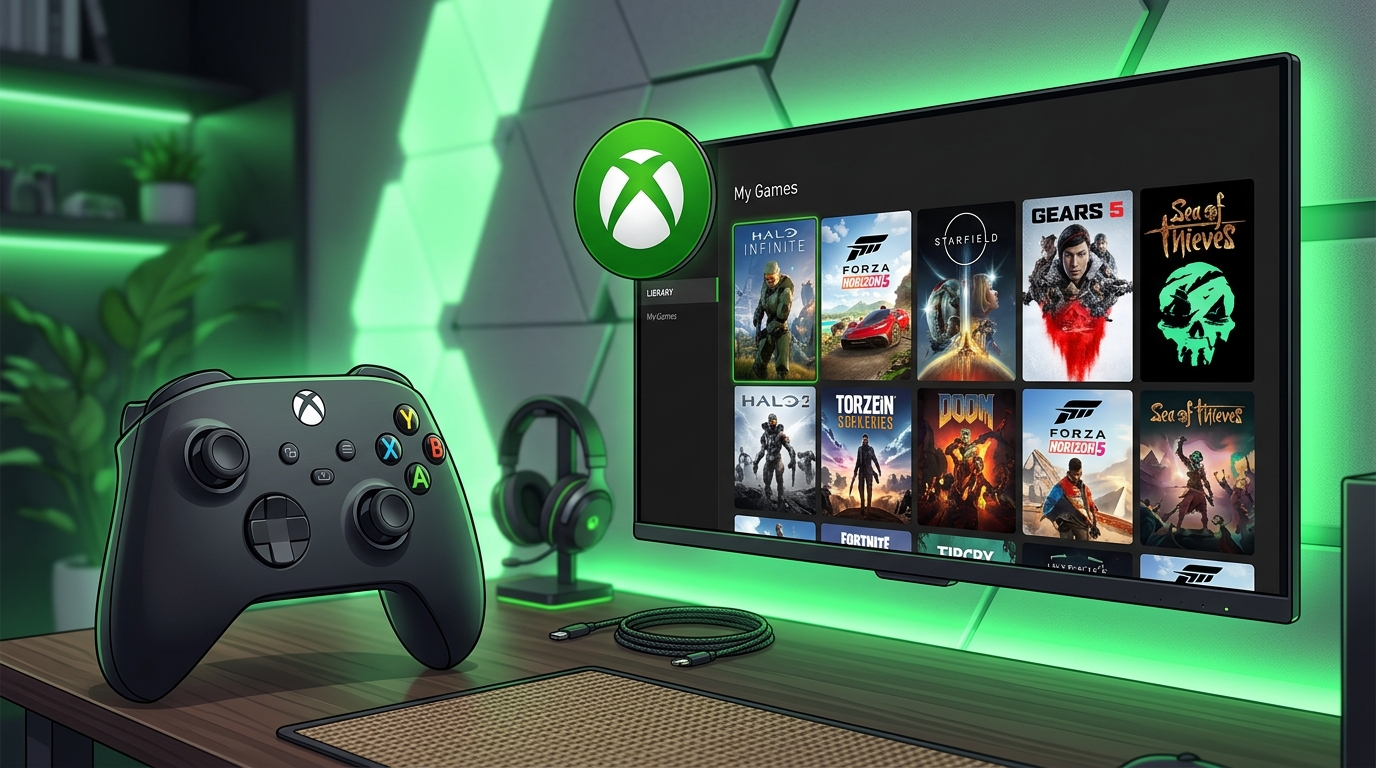
Connecting a Bluetooth controller to your Windows laptop can enhance your gaming experience, allowing you to play games from platforms like Xbox Game Pass and Steam with ease. This comprehensive guide provides a step-by-step approach to pairing various controllers, including the Xbox Wireless Controller, PS5 DualSense, and 8BitDo/iPega controllers. We will cover the necessary configurations, calibration settings, and troubleshooting steps to ensure a seamless connection.
Understanding Bluetooth Controllers
Bluetooth controllers offer a wireless gaming experience by connecting to devices through Bluetooth technology. This section will explore the various types of Bluetooth controllers, their specifications, and what to look for when choosing one for your Windows laptop.
Types of Bluetooth Controllers
1. **Xbox Wireless Controller**: Renowned for its ergonomic design and compatibility with Windows devices, the Xbox controller is a popular choice among gamers.
2. **PS5 DualSense Controller**: Featuring advanced haptic feedback and adaptive triggers, the DualSense controller provides an immersive gaming experience.
3. **8BitDo/iPega Controllers**: These third-party controllers are known for their versatility and compatibility with multiple platforms, making them great options for mobile and PC gaming.
Specifications to Consider
When selecting a Bluetooth controller, consider the following specifications:
- **Battery Life**: Look for controllers with long battery life to avoid frequent charging.
- **Compatibility**: Ensure the controller is compatible with Windows 10 or 11.
- **Ergonomics**: Choose a controller that feels comfortable in hand for extended gaming sessions.
- **Connectivity Range**: A range of at least 30 feet is ideal for a stable connection.
- **Additional Features**: Consider controllers with customizable buttons and built-in features like touchpads or motion sensors.
Preparing Your Windows Laptop
Before connecting your Bluetooth controller, your laptop needs to be ready for Bluetooth pairing. This section outlines the steps to ensure your Windows laptop is set up correctly.
Checking Bluetooth Compatibility
1. **Windows Version**: Verify that your laptop is running Windows 10 or 11. To check, go to Settings > System > About and look for the Windows specifications.
2. **Bluetooth Adapter**: Ensure your laptop has a built-in Bluetooth adapter. If not, you may need to purchase an external USB Bluetooth adapter.
Enabling Bluetooth on Windows
1. Open Settings by pressing Win + I.
2. Navigate to Devices > Bluetooth & other devices.
3. Toggle the Bluetooth switch to On.
4. Your laptop should now be discoverable to Bluetooth devices.
Connecting an Xbox Wireless Controller
The Xbox Wireless Controller is one of the easiest controllers to connect with a Windows laptop. Follow these steps to pair it successfully.
Step-by-Step Pairing Process
1. Ensure your Xbox Wireless Controller is charged or has fresh batteries.
2. Press and hold the Xbox button until it lights up.
3. Press and hold the pairing button located on the top of the controller until the Xbox button starts flashing.
4. On your laptop, go to Settings > Devices > Bluetooth & other devices.
5. Click on Add Bluetooth or other device.
6. Select Bluetooth from the pop-up menu.
7. Click on Xbox Wireless Controller when it appears in the list of available devices.
8. Once paired, the Xbox button will stop flashing and remain lit.
Verifying the Connection
1. Go to Settings > Devices > Bluetooth & other devices.
2. You should see the Xbox Wireless Controller listed under Devices.
Connecting a PS5 DualSense Controller
The PS5 DualSense controller can also be connected to a Windows laptop, albeit with some additional considerations. Here’s how to do it.
Step-by-Step Pairing Process
1. Make sure your DualSense controller is charged.
2. Press and hold the PS button and the Create button (the button with three lines) simultaneously until the light bar starts flashing.
3. On your laptop, go to Settings > Devices > Bluetooth & other devices.
4. Click on Add Bluetooth or other device and select Bluetooth.
5. Choose Wireless Controller from the list when it appears.
6. The light bar will stop flashing, indicating a successful connection.
Verifying the Connection
1. Navigate to Settings > Devices > Bluetooth & other devices.
2. The controller should be listed as Wireless Controller.
Connecting 8BitDo/iPega Controllers
8BitDo and iPega controllers offer unique features and compatibility with multiple devices. Here’s how to connect these controllers to your Windows laptop.
Step-by-Step Pairing Process
1. Turn on your 8BitDo/iPega controller and set it to pairing mode. This usually involves holding down the Start button or a specific combination of buttons (check the manual for details).
2. On your laptop, navigate to Settings > Devices > Bluetooth & other devices.
3. Click on Add Bluetooth or other device and select Bluetooth.
4. Choose the controller from the list of available devices.
5. Once paired, the controller's lights will indicate a successful connection.
Verifying the Connection
1. Go to Settings > Devices > Bluetooth & other devices.
2. Look for your 8BitDo/iPega controller in the list of connected devices.
Configuring Controller Settings
After successfully connecting your controller, you may need to configure settings to optimize performance and gameplay. This section will guide you through the necessary adjustments.
Using the Xbox Accessories App
The Xbox Accessories app allows you to customize your Xbox controller settings:
1. Download and install the Xbox Accessories app from the Microsoft Store.
2. Launch the app and connect your Xbox controller if it’s not already connected.
3. Within the app, you can remap buttons, adjust sensitivity, and create custom profiles for different games.
Using Steam Input
Steam provides a robust input configuration tool for all controllers:
1. Open Steam and navigate to Settings.
2. Select Controller > General Controller Settings.
3. Check the boxes for Xbox Configuration Support or PlayStation Configuration Support depending on your controller.
4. You can then configure your controller’s layout and settings for individual games.
Troubleshooting Connection Issues
Sometimes, you may encounter issues while connecting or using your Bluetooth controller. This section will provide solutions to common problems.
Controller Not Detected
If your controller isn't being detected by your laptop, try the following steps:
1. Ensure the controller is charged or has fresh batteries.
2. Restart your laptop and try pairing again.
3. Remove any previous connections by going to Settings > Devices > Bluetooth & other devices and clicking Remove device on the controller.
4. Put the controller back into pairing mode and try connecting again.
Input Lag Issues
Input lag can be frustrating during gameplay. To reduce input lag:
1. Ensure your Bluetooth drivers are up-to-date. Go to Device Manager, find your Bluetooth adapter, right-click, and select Update driver.
2. Try using a wired connection if Bluetooth lag persists.
3. Adjust the Power Management settings by going to Device Manager > Bluetooth adapter properties > Power Management tab and unchecking Allow the computer to turn off this device to save power.
Controller Disconnects During Use
If your controller disconnects frequently, consider these steps:
1. Ensure there are no obstructions between the controller and the laptop.
2. Check for interference from other wireless devices such as routers or microwaves.
3. If using an external Bluetooth adapter, try a different USB port.
Updating Controller Firmware
To ensure optimal performance, keep your controller's firmware updated:
1. For Xbox controllers, use the Xbox Accessories app to check for firmware updates.
2. For DualSense controllers, you may need to update via a PS5 console or through specific PC software.
3. For 8BitDo/iPega controllers, visit the manufacturer's website for firmware update tools.
Firmware Specifications
Maintaining up-to-date firmware is crucial for ensuring your controller functions properly with your Windows laptop. Different controllers have different firmware specifications:
Xbox Wireless Controller Firmware
The Xbox Wireless Controller firmware can be updated using the Xbox Accessories app. Regular updates improve compatibility and performance, addressing connectivity issues and enhancing features.
PS5 DualSense Firmware
To update the DualSense controller firmware, it typically requires a connection to a PS5 console. Some PC software may facilitate updates, but this is less common.
8BitDo/iPega Firmware
8BitDo and iPega controllers often have their firmware updates available on the manufacturer's website. Users should periodically check for updates to ensure optimal performance.
Connection Diagnostics
When issues arise with your Bluetooth controller, conducting connection diagnostics can help identify the root of the problem. Here are some methods to diagnose connection issues:
Using Windows Device Manager
1. Access Device Manager by right-clicking on the Start menu and selecting it.
2. Expand the Bluetooth section to view your connected devices.
3. Right-click on your controller and select Properties to check the status and troubleshoot any issues.
Bluetooth Troubleshooter
1. Go to Settings > Update & Security > Troubleshoot.
2. Select Bluetooth and then click on Run the troubleshooter to identify and resolve common issues.
Compatibility Matrix
Understanding compatibility between your Bluetooth controller and Windows laptop can save time and frustration. Here’s a matrix to help you:
| Controller | Windows Compatibility | Additional Notes |
|---|---|---|
| Xbox Wireless Controller | Fully compatible with Windows 10 and 11 | Plug and play functionality |
| PS5 DualSense | Compatible but may require configuration | Advanced features may not function without Steam |
| 8BitDo SN30 Pro | Compatible with Windows and various platforms | Custom profiles may need manual setup |
| iPega PG-9083S | Works with Windows but may require third-party software | Compatibility varies by game |
Signal Interference Fixes
Signal interference can disrupt Bluetooth connections, leading to lag or disconnections. Here are some fixes for common interference issues:
Identifying Sources of Interference
1. **Electronic Devices**: Appliances like microwaves and cordless phones can interfere with Bluetooth signals.
2. **Physical Obstructions**: Walls and furniture can weaken the Bluetooth signal. Ensure a clear line of sight between your controller and your laptop.
Mitigating Interference
1. **Reposition Devices**: Move your laptop and controller closer together and away from potential interference sources.
2. **Switch USB Ports**: If using an external Bluetooth adapter, try different USB ports to find one with a stronger signal.
Maintenance Guide
Regular maintenance can prolong the life of your Bluetooth controllers. Here are some tips:
Cleaning Your Controller
1. Use a microfiber cloth to remove dust and oils from the surface.
2. For deep cleaning, use isopropyl alcohol on a cotton swab to clean around buttons and crevices.
Battery Maintenance
1. Regularly check and replace batteries or recharge your controller to avoid unexpected shutdowns during gaming.
2. Store your controller in a cool, dry place to prevent battery leakage.
Software Updates
1. Always check for software updates for both your operating system and your controller to ensure compatibility and access to new features.
Frequently Asked Questions (FAQ)
Can I use a wired connection instead of Bluetooth?
Yes, most Bluetooth controllers allow for a wired connection using a USB cable. This can help reduce input lag and improve reliability during gameplay.
What do I do if my controller keeps disconnecting?
Check for interference from other wireless devices, ensure your controller has sufficient battery life, and consider using a wired connection if disconnections persist.
How do I know if my controller is compatible with my laptop?
Check the manufacturer's specifications for compatibility with Windows 10 or 11 and ensure that the controller supports Bluetooth connectivity.
Can I customize my controller settings?
Yes, you can customize controller settings using the Xbox Accessories app for Xbox controllers or Steam Input for various controllers to remap buttons and adjust sensitivity.
Is there a difference between Xbox and PlayStation controllers on Windows?
While both can function on Windows, Xbox controllers tend to have more seamless integration with Windows OS, whereas DualSense controllers may require additional configuration for optimal use.