How to Set Up Traffic Shaper and Bandwidth Limiting QoS on PfSense

Traffic shaping and bandwidth limiting on pfSense enhance network performance by prioritizing essential traffic types.
Understanding Traffic Shaping
Traffic shaping involves controlling data flow to optimize or guarantee performance, reduce latency, and manage bandwidth usage. This is accomplished by regulating the data transmission rates for different applications or users.
Configuring pfSense for Traffic Shaping
Access pfSense's web interface and navigate to the "Traffic Shaper" option under the "Firewall" menu. Select the "Wizards" tab to start the Traffic Shaper wizard for streamlined configuration.
Setting Up Queues and Limiters
Define queues for traffic classification based on protocols, IP addresses, or ports. Utilize limiters to enforce bandwidth restrictions on these queues, ensuring that critical services maintain priority during peak usage times.
Implementing Bandwidth Limiting
Bandwidth limiting can be executed using limiters created in the "Firewall" > "Traffic Shaper" settings. Assign these limiters to the appropriate interfaces or firewall rules to control bandwidth effectively.
Monitoring and Fine-Tuning
Utilize the "Traffic Graphs" and "Monitoring" tools in pfSense to analyze traffic flow and adjust configurations accordingly. Regular monitoring allows for the adaptation of shaping policies based on changing network conditions.
| Feature | Traffic Shaping | Bandwidth Limiting |
|---|---|---|
| Purpose | Optimize traffic flow | Enforce bandwidth caps |
| Granularity | Application and user level | Specific rate limits |
| Complexity | Higher configuration complexity | Simpler setup |
| Impact on Latency | Can reduce latency | May introduce latency |
DomineTec Tip: Regularly review and optimize your traffic shaping settings based on usage patterns and network performance metrics.
- Log in to the pfSense web interface.
- Navigate to "Firewall" > "Traffic Shaper".
- Select "Wizards" and choose the appropriate shaping wizard.
- Define your queues based on the desired traffic types.
- Create limiters for each queue to manage bandwidth.
- Assign limiters to firewall rules as necessary.
- Monitor performance and adjust settings as required.
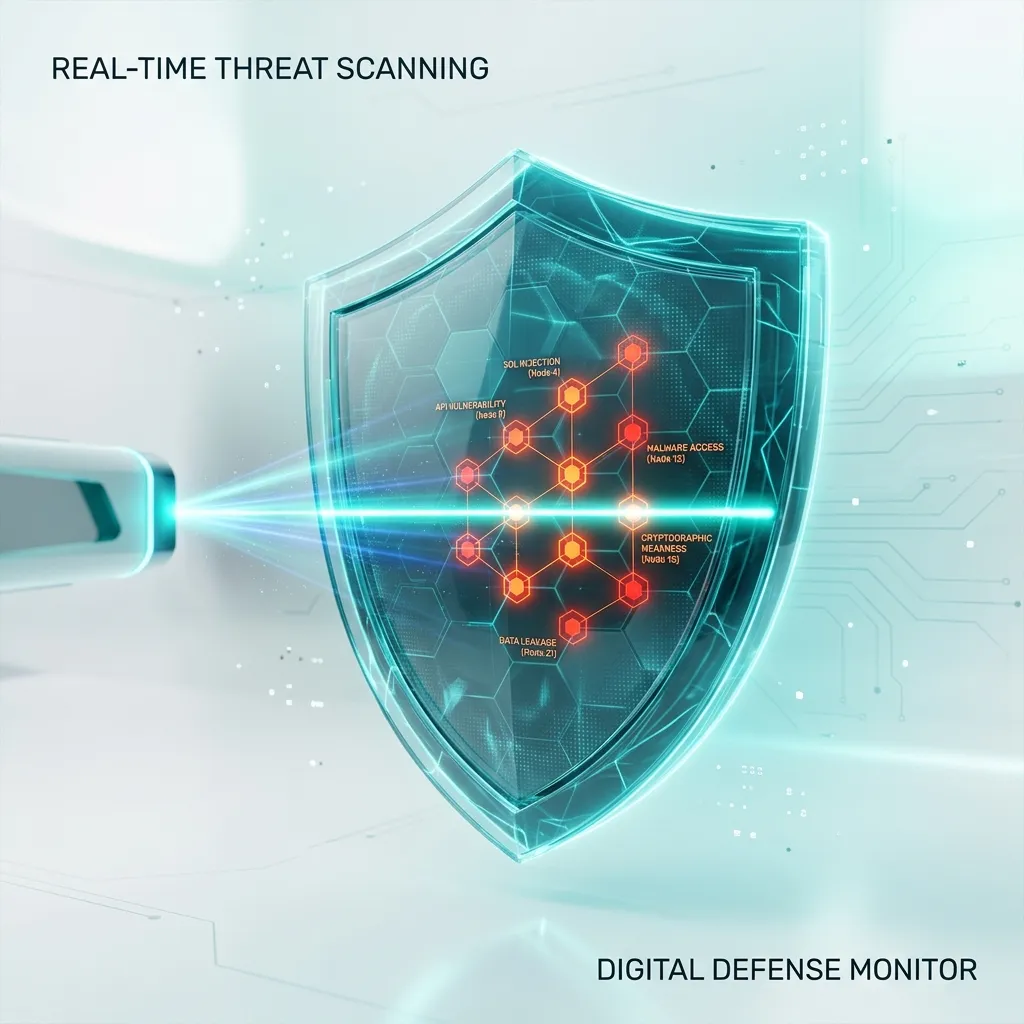

Understanding Different Traffic Shaping Algorithms
Traffic shaping algorithms play a crucial role in determining how data packets are prioritized and managed within a network. They can be categorized into several types, including token bucket, leaky bucket, and weighted fair queuing.
The token bucket algorithm allows for burstable traffic and is often used when a network has sporadic usage patterns. In contrast, the leaky bucket algorithm enforces a steady flow of data, which is ideal for applications requiring consistent bandwidth.
Weighted fair queuing assigns different weights to various traffic classes, ensuring that higher-priority traffic receives the necessary resources without starving lower-priority traffic. Understanding these algorithms is essential for effective configuration.
Selecting the appropriate algorithm can significantly enhance network performance, reduce latency, and improve the user experience for critical applications.
Common Traffic Shaping Scenarios
Different network environments require tailored traffic shaping scenarios to optimize performance. One common scenario is prioritizing VoIP traffic to ensure clear and uninterrupted voice calls.
Another scenario involves managing video streaming traffic during peak hours to prevent bandwidth hogging by a few users. Implementing traffic shaping in this context ensures that all users receive an acceptable quality of service.
Additionally, businesses may choose to limit bandwidth for non-essential applications, such as file downloads or social media, during working hours. This approach helps maintain productivity and ensures that critical applications remain responsive.
Understanding these scenarios allows network administrators to implement effective traffic shaping strategies that align with their organizational needs and user expectations.
Integrating Traffic Shaping with Firewall Rules
Integrating traffic shaping with firewall rules enhances network security and management capabilities. By combining these two features, administrators can enforce bandwidth limits while simultaneously controlling access to certain network segments.
For instance, specific firewall rules can be created to restrict access to non-essential services like peer-to-peer file sharing, which can consume significant bandwidth. This integration ensures that only legitimate traffic is allowed while enforcing bandwidth policies.
Furthermore, using firewall rules in conjunction with traffic shaping enables granular control over different applications and protocols. This ensures that high-priority traffic receives the necessary resources without interference.
Incorporating these practices into pfSense can lead to a more efficient and secure network environment, minimizing the risk of bandwidth-related issues and unauthorized access.
Testing and Validating Traffic Shaping Configurations
Testing and validating traffic shaping configurations are essential steps to ensure they function as intended. This process involves simulating various network conditions to evaluate the effectiveness of the implemented policies.
Network administrators can use tools like iPerf or JPerf to generate traffic and measure bandwidth, latency, and jitter under different configurations. This helps identify any bottlenecks or misconfigurations that may adversely affect performance.
Additionally, monitoring tools integrated into pfSense, such as ntopng, can provide valuable insights into traffic patterns and user behavior. Regular analysis of this data allows for ongoing adjustments to optimize traffic shaping policies.
Establishing a routine testing schedule ensures that traffic shaping configurations remain effective as network demands evolve over time.
Using pfSense to Prioritize Gaming Traffic
Prioritizing gaming traffic is essential for ensuring a smooth gaming experience, especially in households with multiple users. By configuring pfSense to recognize and prioritize gaming packets, latency can be minimized.
Gaming traffic often utilizes specific ports and protocols, which can be identified and classified within pfSense. Configuring limiters to allocate sufficient bandwidth for these packets ensures that gamers experience minimal lag during peak hours.
Moreover, traffic shaping can be used to limit bandwidth for non-gaming traffic when gaming is in progress. This strategy prevents other users from consuming excessive resources that could impact gaming performance.
Implementing these configurations can significantly enhance the online gaming experience, reducing interruptions and maintaining a competitive edge.
Implementing Failover and Redundancy in Traffic Shaping
Implementing failover and redundancy within traffic shaping configurations ensures network reliability. This practice is vital for organizations that depend on continuous connectivity for critical applications.
By configuring multiple WAN connections, pfSense can reroute traffic in the event of a failure. Traffic shaping policies can be applied across these connections to maintain consistent performance during failover scenarios.
Additionally, load balancing can be employed to distribute traffic evenly across available connections, optimizing resource utilization and enhancing overall performance. This ensures that no single connection becomes a bottleneck.
Establishing these measures not only enhances reliability but also improves the overall user experience by reducing latency and maintaining bandwidth availability during outages.
Utilizing Traffic Shaping for Guest Networks
Managing traffic on guest networks is critical for maintaining security and performance in shared environments. Traffic shaping can be employed to ensure that guest users do not consume excessive bandwidth, impacting the primary network.
By implementing limiters specifically for guest traffic, administrators can allocate a defined amount of bandwidth, ensuring that guests have access to the internet without disrupting essential services for internal users.
Furthermore, classifying guest traffic can help enforce policies that restrict access to specific websites or services, enhancing security. This approach not only protects sensitive information but also helps maintain overall network performance.
Utilizing traffic shaping for guest networks ensures a balanced experience for all users while safeguarding the integrity of the primary network.
Advanced Monitoring Techniques for Traffic Shaping
Utilizing advanced monitoring techniques is essential for effective traffic shaping in pfSense. Tools such as ntopng and Darkstat can provide detailed insights into network traffic patterns and bandwidth consumption.
By integrating these tools, administrators can visualize traffic flows, identify bottlenecks, and assess the effectiveness of their QoS policies over time. Continuous monitoring ensures that adjustments can be made proactively based on real-time data.
Additionally, packet capturing tools like Wireshark can help in diagnosing issues with traffic shaping. Analyzing packet data allows for a deeper understanding of how different types of traffic are being handled.
Incorporating these advanced monitoring techniques leads to more informed decision-making and improved network performance, ultimately enhancing user experience.
Implementing Traffic Shaping with VPNs
Integrating traffic shaping with Virtual Private Networks (VPNs) can enhance performance while maintaining security. When VPN traffic is not prioritized, it can lead to degraded performance, especially during peak usage times.
Configuring traffic shaping to recognize and prioritize VPN traffic ensures that secure connections receive the necessary bandwidth, improving responsiveness and reliability. This is particularly important for remote work environments where VPN use is prevalent.
Additionally, it's vital to create rules within the pfSense firewall that specifically account for VPN traffic. Properly categorizing this traffic can prevent the VPN from becoming a bottleneck in the network.
By effectively managing VPN traffic with QoS policies, organizations can ensure that secure communications remain efficient while also accommodating other high-priority applications.
Customizing Traffic Shaping for VoIP Applications
Voice over IP (VoIP) applications require specific configurations to ensure call quality and minimize latency. Traffic shaping can prioritize VoIP packets to ensure they are transmitted with minimal delay and jitter.
When configuring pfSense for VoIP, it is important to identify the specific ports and protocols used by the VoIP service. These should be included in traffic shaping rules to ensure consistent quality during calls.
Moreover, the implementation of low-latency queuing algorithms can drastically enhance VoIP performance. By reserving bandwidth for voice traffic, administrators can prevent disruptions caused by other data-heavy applications.
Regular testing and adjustment of VoIP traffic shaping settings is crucial as network conditions change. This proactive approach helps maintain high-quality voice communications in varying network environments.
Challenges and Solutions in Traffic Shaping
While implementing traffic shaping, several challenges may arise that can hinder optimal performance. One common issue is the misconfiguration of queues and limiters, which can lead to unintended throttling of critical applications.
To address this, meticulous planning and testing of configuration changes are essential. Utilizing a staged approach allows administrators to implement changes incrementally while monitoring their effects on network performance.
Another challenge is the dynamic nature of network traffic. Fluctuating demands can render static traffic shaping policies ineffective, requiring adaptive strategies that can adjust in real-time.
Employing machine learning-based solutions can offer an advanced approach to traffic shaping, as they can predict traffic patterns and automatically adjust policies accordingly, ensuring sustained network performance.
Implementing Traffic Shaping with Multiple WAN Connections
When operating in a multi-WAN environment, traffic shaping can provide significant advantages by optimizing bandwidth usage across different connections. Properly configuring pfSense to handle multiple WAN interfaces allows for load balancing and failover, ensuring that traffic is distributed efficiently based on predefined policies.
The first step is to define the gateways for each WAN connection in pfSense. This involves navigating to the "System" menu and selecting "Routing." Adding gateways for each WAN interface enables pfSense to route traffic appropriately based on current network conditions. It is essential to monitor the performance of each WAN to make informed decisions about traffic distribution.
Next, create gateway groups that specify how traffic should be allocated among the WAN connections. This can be done under the "Gateway Groups" section, where you can establish priorities for each WAN link. By assigning different priorities, pfSense will automatically route traffic through the most optimal connection based on availability and performance metrics.
Additionally, implementing traffic shaping rules for each WAN can further enhance performance. This includes configuring queues and limiters that apply specifically to traffic routed through each gateway. By tailoring these settings, you can ensure that critical applications receive the necessary bandwidth, even when multiple WANs are in use.
Using Advanced Traffic Shaping Techniques for Cloud Applications
In today’s cloud-driven environment, effective traffic shaping is essential for optimizing the performance of cloud applications. Many organizations rely heavily on Software as a Service (SaaS) solutions, making it critical to prioritize and manage traffic to these platforms effectively.
To begin, it’s important to identify the cloud applications used within your organization. This includes services like Microsoft 365, Google Workspace, or any other cloud-based workload. Once identified, you can create specific rules for these applications in pfSense to ensure they receive adequate bandwidth and low latency.
Implementing Layer 7 (L7) filtering can significantly enhance traffic shaping for cloud applications. L7 filtering allows pfSense to inspect packets at the application layer, enabling the router to identify and classify traffic based on the application rather than just the port numbers. This granularity helps in creating more effective traffic shaping rules that prioritize cloud-related traffic.
Furthermore, integrating Quality of Service (QoS) settings with traffic shaping rules can optimize performance. By setting up specific limiters for cloud applications and adjusting their priorities, you can reduce the impact of less critical traffic during peak usage times. Regular monitoring and adjustments based on application performance will ensure that cloud applications run smoothly and efficiently.
Optimizing Traffic Shaping for IoT Devices
As IoT devices proliferate in home and enterprise environments, optimizing traffic shaping for these devices becomes essential. Most IoT devices generate minimal traffic but can create significant network congestion if not properly managed. Implementing QoS rules specifically tailored for IoT can ensure that these devices do not interfere with higher-priority traffic.
To effectively manage IoT traffic, administrators should first identify the types of IoT devices present on the network. By categorizing devices based on their function—such as security cameras, smart speakers, and home automation systems—it's possible to create specific queues that prioritize or limit their traffic accordingly. This proactive approach mitigates potential network bottlenecks caused by multiple devices simultaneously transmitting data.
In pfSense, creating dedicated limiters for IoT devices can streamline bandwidth usage. Assigning lower bandwidth limits to non-essential devices while reserving ample bandwidth for critical applications ensures smooth network operations. Additionally, configuring schedules for when certain IoT devices can communicate can further optimize bandwidth allocation.
Finally, continuously monitoring IoT traffic through pfSense’s built-in tools is crucial. This allows network administrators to make data-driven adjustments to QoS settings, ensuring that device behavior aligns with network performance goals. Regularly revisiting and refining these settings can lead to a more balanced and efficient network environment.
Implementing Traffic Shaping for Video Conferencing Applications
With the rise of remote work and virtual meetings, ensuring optimal performance for video conferencing applications is increasingly important. These applications often require significant bandwidth and low latency; therefore, traffic shaping strategies tailored for them can greatly enhance user experience. Prioritizing video conferencing traffic over other types of data can prevent disruptions during critical meetings.
To implement effective traffic shaping for video conferencing, it is essential to identify the specific applications being used—such as Zoom, Microsoft Teams, or Google Meet. Once identified, network administrators can create dedicated queues that prioritize these applications' traffic. Configuring the appropriate bandwidth limits while ensuring that latency remains low is crucial for maintaining high-quality audio and video.
In pfSense, defining application-aware rules allows for granular control over traffic flows. By utilizing the Layer 7 (L7) filtering options, administrators can classify video conferencing packets, ensuring they receive the necessary bandwidth, especially during peak usage times. This level of control can be further enhanced by integrating real-time monitoring tools that provide insights into bandwidth usage and application performance.
Additionally, addressing potential network congestion points is essential for video conferencing reliability. This may involve setting up redundancy measures or failover configurations to ensure that video traffic remains uninterrupted. With the right traffic shaping strategies in place, organizations can foster seamless communication and collaboration, regardless of location.
Frequently Asked Questions
What is the primary benefit of traffic shaping?
Traffic shaping optimizes network performance by prioritizing critical applications and managing bandwidth use effectively.
Can pfSense handle multiple traffic shaping configurations?
Yes, pfSense supports multiple configurations to cater to different traffic types and user requirements simultaneously.
Is bandwidth limiting permanent?
Bandwidth limiting settings can be adjusted or removed at any time, allowing for flexible network management.
How does traffic shaping affect gaming performance?
Proper traffic shaping can enhance gaming performance by reducing latency and ensuring that gaming packets are prioritized over less critical traffic.
What tools are available for monitoring traffic on pfSense?Publicidade
Written by
DomineTec
DomineTec Team — bringing you the best tips on technology, digital security, jobs and finance.
Receba as melhores dicas no seu e-mail
Tecnologia, segurança digital, finanças e empregos — tudo que importa, direto na sua caixa de entrada. 100% gratuito, sem spam.
Respeitamos sua privacidade. Cancele a qualquer momento.
Related Posts
 Security & Privacy
How to Change Google Play Store Country Using a VPN
Learn how to bypass geo-restrictions and change your Google Play Store region using a VPN to download unavailable apps.
 Security & Privacy
Managed Security Services Provider: Hidden Risks Companies Ignore Before Signing an MSSP Contract
Discover the critical hidden risks in Managed Security Services Provider (MSSP) contracts that most enterprise companies overlook until it is too late.
Security & PrivacyPenetration Testing Services: The Critical Difference Between a Scan and a Real Security Audit
Stop relying on automated scanners. Learn why professional Penetration Testing Services are the only way to uncover deep logical vulnerabilities in your infrastructure.
More in Security & Privacy
View allSecurity & PrivacyServiços de Teste de Penetração (Pentest): A Diferença Crítica Entre um Scan e uma Auditoria Real
Pare de confiar apenas em scanners automatizados. Entenda por que serviços profissionais de Pentest são a única forma de descobrir falhas lógicas profundas.
 Security & Privacy
SOC 2 Compliance Companies: The Ultimate Guide to Security Audits
Discover the essential aspects of SOC 2 compliance and security audits in our comprehensive guide for companies seeking certification.
 Security & Privacy
Serviços de SEO Enterprise: Como Escolher a Agência Certa Antes de Investir
Guia completo sobre serviços de SEO Enterprise: entenda como avaliar agências, gerenciar complexidade técnica e medir ROI orgânico para grandes empresas.
Security & PrivacyProvedor de Serviços de Segurança Gerenciada (MSSP): Riscos Ocultos que Empresas Ignoram Antes de Assinar um Contrato
Descubra os riscos críticos ocultos em contratos de MSSP (Provedores de Serviços de Segurança Gerenciada) que a maioria das empresas ignora até que seja tarde demais.