How to Choose an Ergonomic Office Chair That Complies with NR17
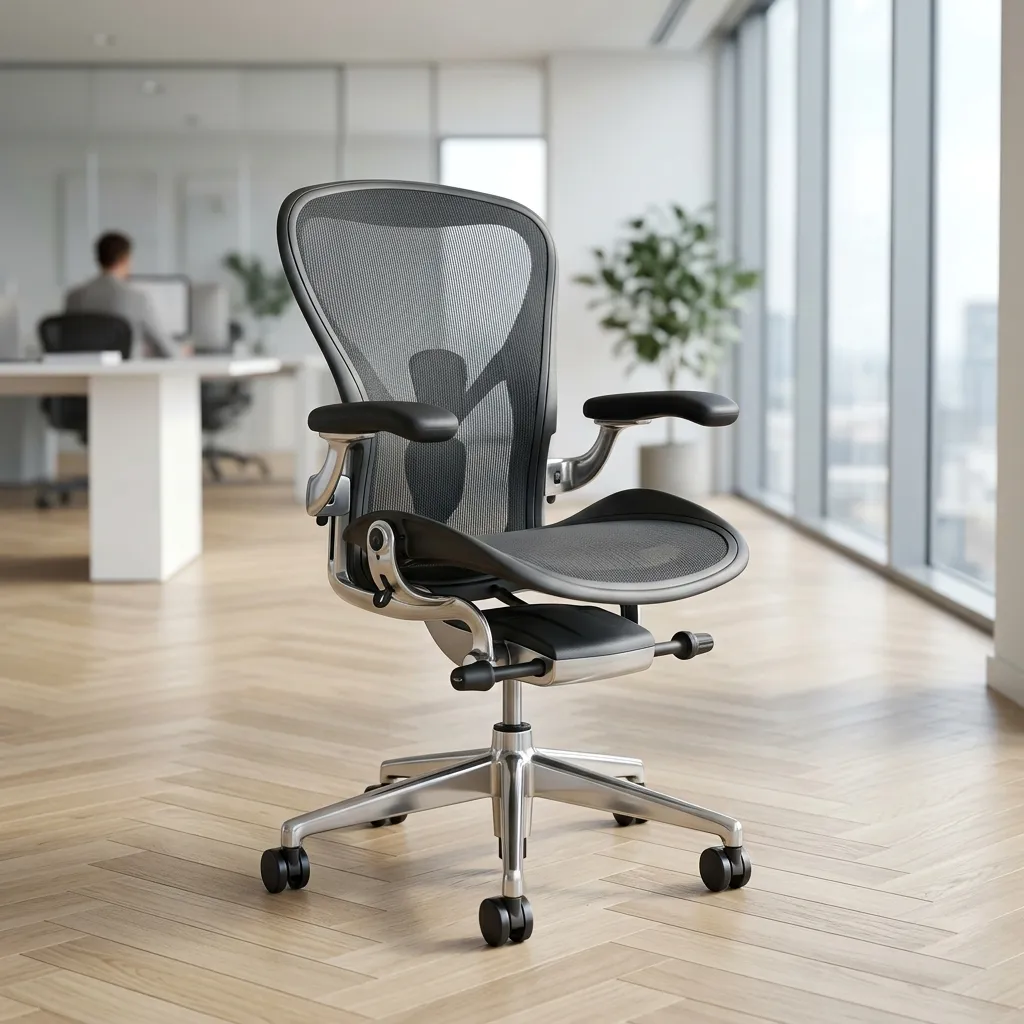
Choosing an ergonomic office chair that complies with NR17 involves understanding physical specifications, materials, and design.
Understanding NR17 Compliance
NR17 outlines ergonomic standards for office environments, aiming to prevent work-related musculoskeletal disorders.
Key Ergonomic Features
Look for adjustable seat height, lumbar support, and armrest positioning to ensure proper posture during prolonged use.
Materials That Matter
High-density foam cushions, breathable mesh fabrics, and durable steel frames contribute to both comfort and longevity in chair design.
Performance and Adjustability
Chairs with multi-functional adjustments allow users to customize settings for individual body types and preferences.
Comparative Analysis of Popular Brands
| Brand | Model | Seat Height Range | Weight Capacity | Material | Price |
|---|---|---|---|---|---|
| Herman Miller | Aeron | 16" - 20" | 350 lbs | Mesh | $1,295 |
| Steelcase | Leap | 15.5" - 20.5" | 400 lbs | Fabric | $1,049 |
| Secretlab | Titan Evo 2022 | 17.7" - 21.5" | 290 lbs | PU Leather | $399 |
DomineTec Tip: Adjust the lumbar support to fit the natural curve of the lower back for optimal support.
- Assess personal height and weight to determine suitable chair specifications.
- Test multiple chairs to evaluate comfort levels and adjustability options.
- Check for warranty and return policies to ensure satisfaction with the purchase.
- Consider the material durability and maintenance requirements.
- Research user reviews and expert recommendations for insights on performance.
For additional ergonomic enhancements, consider how to correct monitor height and how to choose mechanical keyboard switches.
Assessing Your Workspace Setup
Before selecting an ergonomic office chair, it is essential to evaluate your workspace setup thoroughly. The arrangement of your desk, monitor height, and overall layout can significantly influence the effectiveness of an ergonomic chair.
Measure the height of your desk to ensure that it complements the chair's adjustable features. A desk that is too high or too low can negate the benefits of an ergonomic chair.
Consider the placement of your monitor as well. The top of the screen should be at or slightly below eye level to prevent neck strain, which can be exacerbated by poor chair choice.
A well-organized workspace that accommodates both your chair and desk height will enhance your overall comfort and productivity while ensuring compliance with NR17 standards.
Understanding the Importance of Lumbar Support
Lumbar support is a critical feature in ergonomic chairs, especially for individuals who spend long hours seated. Proper lumbar support helps maintain the natural curve of the spine, which is essential for preventing lower back pain.
When choosing a chair, check that the lumbar support is adjustable to suit your specific body type. This customization allows for a better fit and can significantly improve comfort during extended use.
Chairs lacking adequate lumbar support can lead to slouching and other postural issues, which are contrary to NR17 guidelines. A chair with good lumbar support encourages a healthy sitting posture.
Additionally, consider the depth and contour of the lumbar support. Some chairs offer a more pronounced curve, which may be beneficial for certain users, while others may provide a flatter surface that suits different preferences.
Evaluating Seat Depth and Width
The dimensions of the chair's seat can greatly influence comfort and accessibility. A seat that is too deep may not support your back properly, while one that is too shallow can lead to discomfort in the thighs.
Ideal seat depth allows your back to rest against the lumbar support while providing enough space for your knees to be slightly bent. A general rule of thumb is to have about two to four inches of space between the back of your knees and the seat edge.
Width is equally important, as it should accommodate your body without causing pressure points. Ensure that the seat is wide enough to allow for natural movement without feeling restricted.
When testing a chair, sit in it for several minutes to determine if the seat depth and width meet your comfort criteria. This trial will help you find a chair that supports your body effectively.
Importance of Armrest Adjustability
Adjustable armrests are a vital component of ergonomic office chairs, as they can help reduce strain on the shoulders and neck. Properly positioned armrests can provide support for your arms, allowing for a more relaxed posture during typing and other tasks.
When evaluating armrests, look for options that can be adjusted in height, width, and angle. This versatility ensures that users of different body types can find the optimal position.
Armrests that are too high can cause shoulder elevation, while those that are too low may not provide adequate support. Ideal armrest height should allow your elbows to remain close to your body while your forearms rest comfortably.
Furthermore, some chairs offer detachable armrests, providing the option for users who prefer a more minimalist setup. This feature can be particularly beneficial in collaborative workspaces where mobility is key.
Considering Mobility and Stability
The base and casters of an ergonomic chair play a crucial role in mobility and stability. A stable chair reduces the risk of tipping over and provides a secure platform for movement.
Look for a chair with a five-point base, which offers better stability than three-point designs. This feature is especially important for users who frequently shift positions or need to move around their workspace.
Casters should be appropriate for your floor type. Hard casters are suitable for carpeted surfaces, while soft casters work better on hard floors. This consideration will enhance the chair's mobility and prevent unnecessary wear on your flooring.
Additionally, test the chair's swivel function to ensure it allows for easy movement in all directions. A chair that provides both mobility and stability will enhance your work efficiency and comfort.
Long-Term Cost Effectiveness
Investing in a high-quality ergonomic office chair can yield long-term cost benefits. While the initial price may be higher than standard chairs, the reduction in health issues can lead to fewer medical expenses and less time off work.
Moreover, chairs designed with durability in mind often come with warranties that protect against defects and wear, ensuring that your investment is safeguarded over time.
Evaluate the materials and construction quality of the chair. Well-constructed chairs made from robust materials tend to last longer, providing better value in the long run.
Additionally, an ergonomic chair can improve productivity and employee satisfaction, leading to a more engaged workforce. This positive impact can translate into financial benefits for employers as well.
Feedback and Reviews from Users
Before making a final decision, it is advisable to consult user reviews and feedback on specific chair models. Real-world experiences can provide insights into the chair's comfort, durability, and overall performance.
Look for reviews that specifically mention the chair's compliance with ergonomic standards and NR17. This information can help validate your choice and inform your decision-making process.
Consider engaging with online forums or communities focused on workplace ergonomics. These platforms often feature discussions about various chairs and their long-term performance.
Ultimately, gathering diverse perspectives will help to ensure that you select a chair that not only meets your needs but also aligns with ergonomic standards for optimal workplace health.
Color Psychology in Office Chair Selection
The color of an office chair can significantly impact the mood and productivity of the workspace. Different colors evoke various emotional responses, which can influence the overall work environment.
For instance, blue is often associated with calmness and focus, making it an excellent choice for high-concentration tasks. Conversely, warmer colors like red or orange can energize a space but may also lead to distraction if overused.
When selecting an ergonomic chair, consider how the color fits into the overall design of the office and the psychological impact it may have on your daily work routine. Neutral colors might offer versatility, while bolder hues can express personality and creativity.
Incorporating color psychology into your office chair choice can enhance not only the aesthetic appeal but also the functional atmosphere, promoting both comfort and productivity.
Understanding the Role of Chair Height in Ergonomics
Chair height is a crucial factor in achieving an ergonomic setup, as it affects the alignment of the spine and the positioning of the feet. An adjustable height feature allows users to find their optimal sitting position, contributing to overall comfort.
When the chair height is properly adjusted, the feet should rest flat on the ground, with knees at a 90-degree angle. This positioning helps distribute weight evenly, reducing strain on the lower back and improving circulation.
Additionally, the height of the chair should complement the height of the desk or workstation. A mismatch can lead to awkward postures that exacerbate discomfort and lead to long-term health issues.
It is essential to test different heights when selecting a chair, ensuring that it accommodates personal preferences and specific workspace requirements for maximum ergonomic benefit.
Evaluating Chair Mobility Features
Mobility features in an ergonomic chair can significantly enhance user experience, allowing for greater flexibility and ease of movement. Chairs equipped with wheels enable users to glide effortlessly between tasks without straining their bodies.
When considering mobility, evaluate the type of flooring in your workspace. Soft wheels are suitable for carpeted surfaces, while hard wheels are better for smooth flooring. The right choice ensures that the chair moves smoothly and supports efficient workflow.
Swivel capabilities also contribute to mobility, allowing users to turn and access various parts of their workstation without needing to twist their bodies. This feature reduces the risk of musculoskeletal issues associated with awkward movements.
Ultimately, a chair with adequate mobility features can enhance productivity by minimizing disruptions and facilitating quick transitions between tasks, making it a vital aspect of ergonomic design.
Exploring the Importance of Chair Stability
Chair stability is a fundamental aspect of ergonomic design that ensures user safety and comfort. A stable chair reduces the risk of tipping and enhances overall support while engaging in various activities.
Look for chairs with a wide base and a sturdy frame, as these features contribute to increased stability. A chair that wobbles or shifts can disrupt concentration and lead to discomfort over time.
Additionally, stability plays a role in promoting correct posture. A well-balanced chair allows users to maintain proper alignment, reducing the likelihood of developing postural issues or discomfort during extended periods of sitting.
In summary, prioritizing chair stability during the selection process is essential for creating a safe and ergonomic workspace that supports long-term health and productivity.
Evaluating the Role of Seat Cushioning
Seat cushioning is a critical factor in the comfort and usability of an ergonomic office chair. The density and material of the cushioning directly affect how well the chair conforms to the body while providing adequate support during prolonged use.
A chair with insufficient cushioning may lead to discomfort or fatigue, which can detract from productivity. Conversely, too much cushioning can result in a lack of support, causing poor posture and potential long-term health issues.
Optimal seat cushioning should balance firmness and softness, allowing for comfort while encouraging proper sitting posture. Materials such as memory foam or high-density foam are preferable for their ability to mold to the body while providing resilience over time.
When assessing seat cushioning, consider a chair that offers varying levels of firmness, as this can cater to individual preferences and needs, enhancing overall ergonomic compliance.
Importance of Adjustable Features for Individual Needs
Adjustable features in an ergonomic office chair are crucial for accommodating the diverse needs of different users. Customizable settings allow individuals to tailor the chair to their specific body dimensions and preferences, promoting better posture and comfort.
Key adjustable features include seat height, backrest angle, and armrest height. These adjustments enable users to create a personalized seating experience that aligns with their unique ergonomic requirements.
Moreover, the ability to make real-time adjustments as needed can significantly enhance user satisfaction. For instance, workers may prefer different positions throughout the day, and having an adjustable chair can cater to these changing needs.
Investing in a chair with comprehensive adjustable features not only improves comfort but also contributes to overall workplace productivity. The flexibility of settings helps mitigate the risk of musculoskeletal disorders caused by prolonged improper seating.
Exploring the Impact of Chair Design on User Posture
The design of an ergonomic chair plays a critical role in promoting proper posture throughout the workday. Chairs that prioritize a natural spinal alignment help reduce the likelihood of musculoskeletal disorders, which are common among office workers. A chair's overall shape, backrest angle, and seat tilt can significantly influence how the body is positioned during prolonged sitting.
For instance, a chair designed with a contoured backrest can provide essential lumbar support, encouraging users to maintain an upright posture. This design not only supports the lower back but also redistributes body weight, reducing pressure on the spine and associated muscles. Users should look for chairs that allow for adjustments in backrest angle and height to accommodate individual body shapes and sizes.
Moreover, seat tilt mechanisms can promote a forward-leaning posture that enhances engagement and productivity. Chairs that allow for a slight forward tilt can encourage a more active sitting position, which may lead to increased alertness and reduced fatigue during long working hours. Understanding how chair design affects posture is essential for selecting the right ergonomic chair that complies with NR17 standards.
Ultimately, the relationship between chair design and user posture goes beyond aesthetics; it is about creating a supportive environment that fosters health and well-being. Therefore, it is imperative to consider how different design elements contribute to maintaining proper posture when choosing an ergonomic office chair.
Integrating Technology with Ergonomic Features
As technology advances, integrating smart features into ergonomic office chairs is becoming increasingly common. These innovations aim to enhance user comfort and promote healthier sitting habits. Features such as built-in sensors can monitor posture and provide real-time feedback, encouraging users to adjust their position throughout the day.
Additionally, some ergonomic chairs come equipped with mobile applications that track sitting time and suggest breaks or exercises based on user habits. Such integration can be especially beneficial in promoting a healthier work-life balance and preventing sedentary behavior, which is a growing concern in modern office environments.
Moreover, adjustable components like seat height, armrests, and lumbar support can be synchronized with technology to provide a personalized experience. For example, a chair can automatically adjust its settings based on the user's pre-defined preferences, ensuring optimal comfort and support. This level of customization can significantly enhance user satisfaction and compliance with ergonomic standards outlined in NR17.
In conclusion, the integration of technology in ergonomic chairs presents a promising avenue for improving workplace ergonomics. By combining traditional ergonomic features with modern technology, users can enjoy a more adaptive and responsive seating solution that meets their individual needs while promoting overall health and productivity.
Frequently Asked Questions
What is NR17?
NR17 is a Brazilian regulation that establishes ergonomic principles to ensure healthy work environments.
How important is lumbar support?
Lumbar support is crucial for maintaining the natural curvature of the spine, reducing the risk of back pain.




