How to Calculate How Much Money Solar Panels Will Save You
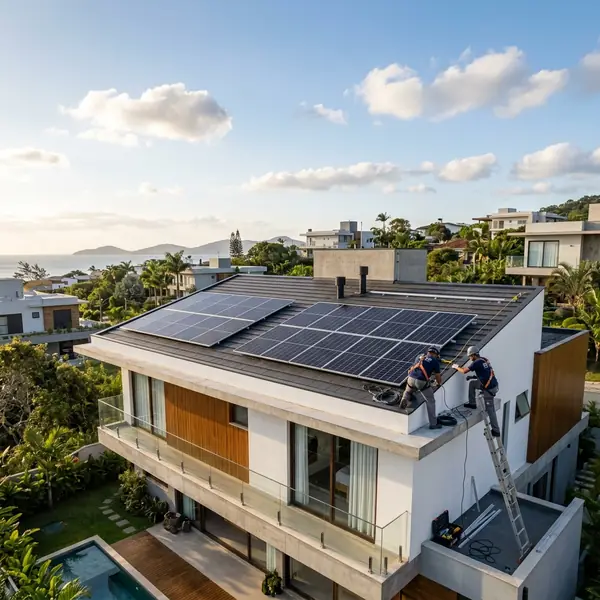
To calculate solar savings, multiply your monthly solar generation in kWh by your local utility rate per kilowatt-hour.
Solar energy has emerged as a vital alternative to traditional energy sources, providing numerous benefits, including reduced electricity bills and a smaller carbon footprint. However, one key aspect for homeowners and businesses considering solar energy is understanding how to accurately calculate the savings generated by solar panels. This blog post delves into the technical intricacies of calculating savings from solar panels, covering important factors like energy generation, utility rates, system costs, and more.
Introduction
To calculate solar savings, multiply your monthly solar generation in kWh by your local utility rate per kilowatt-hour. Choosing and installing the right system ensures energy independence and long-term utility bill reductions.
The shift to solar energy is not merely about installing panels on roofs; it involves a complex financial calculus. Understanding how much money solar panels will save you requires a thorough analysis of various factors. This blog will guide you through the necessary calculations and considerations, enabling you to make an informed decision about your solar investment.
To complement your knowledge on solar energy applications, see our guide on the best solar power banks for camping.
Technology and Detailed Operation
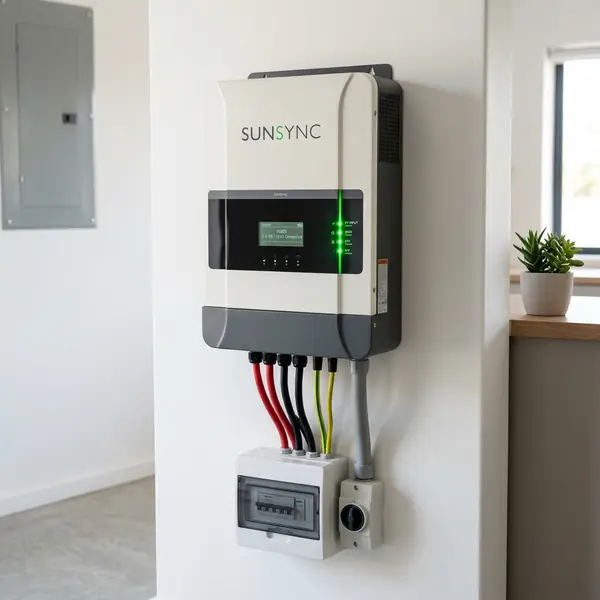
Solar panels work primarily through the photovoltaic (PV) effect, where sunlight is converted into electricity. The basic components involved in this process include solar cells, inverter systems, and mounting structures.
Solar Cells
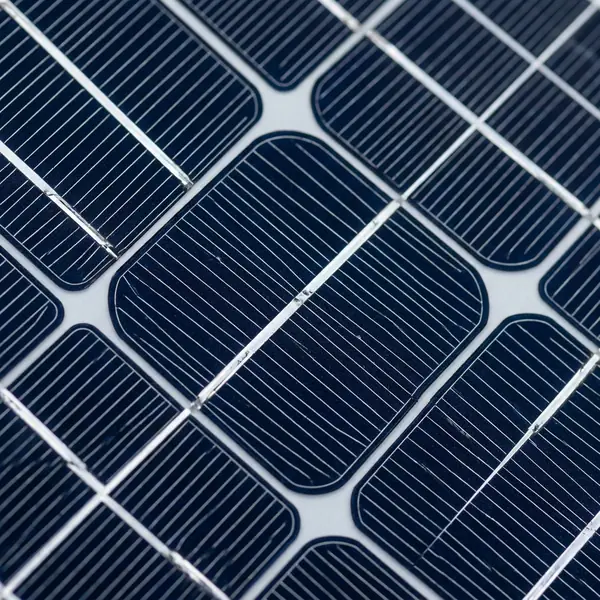
Solar cells are the building blocks of solar panels. They are generally made from silicon, which is a semiconductor material. When sunlight strikes the solar cells, it excites electrons, creating an electric current.
The efficiency of solar cells can significantly impact how much energy is generated.
Modern solar panels typically have efficiencies ranging from 15% to 22%. This means that they can convert 15% to 22% of the sunlight that hits them into usable electricity. Factors influencing efficiency include the type of silicon used, the quality of manufacturing, and environmental conditions.
Inverter Systems
An inverter is a critical component that converts the direct current (DC) electricity generated by the solar panels into alternating current (AC) electricity, which is the standard form used in homes and businesses. There are different types of inverters, including string inverters, microinverters, and power optimizers.
String inverters are commonly used for residential systems due to their cost-effectiveness. However, they may struggle in shaded conditions. Microinverters, on the other hand, are installed on each solar panel, allowing for better performance in varying sunlight conditions.
Mounting Structures
Solar panels are mounted on rooftops or on the ground using mounting structures. The angle and orientation of these panels can significantly affect their energy output. Ideally, solar panels should face south in the Northern Hemisphere to capture the maximum sunlight throughout the day.
Proper installation is key to ensure that the panels generate the highest possible amount of energy. A poorly installed system can lead to lower efficiency and, consequently, reduced savings.
Technical Comparison and Specifications
When evaluating solar panel systems, it’s important to compare their specifications. Below is a comparative table of different types of solar panels, their efficiency, power output, and typical costs. This information can help homeowners and businesses make informed decisions based on their specific needs.
| Type of Solar Panel | Efficiency (%) | Power Output (W) | Cost per Watt ($) |
|---|---|---|---|
| Monocrystalline | 20-22 | 300-400 | 2.50-3.00 |
| Polycrystalline | 15-18 | 250-350 | 1.50-2.50 |
| Thin-Film | 10-12 | 100-200 | 1.00-1.50 |
The table above outlines the key specifications of various solar panel types. Monocrystalline panels offer the highest efficiency and power output but come with a higher price per watt. Polycrystalline panels offer a balance between cost and efficiency, while thin-film panels are the least efficient but may be suitable for specific applications where weight or space is a consideration.
Advantages and Disadvantages
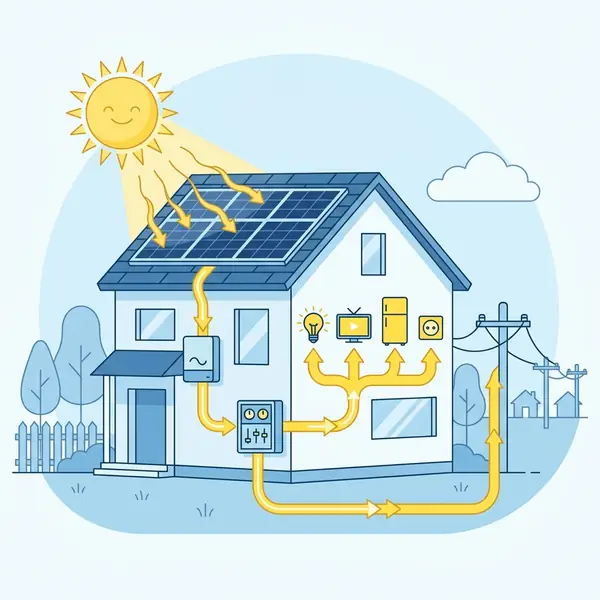
When weighing the decision to invest in solar panels, it is important to consider both the advantages and disadvantages. Understanding these factors can help you make a more informed decision regarding your solar investment.
Advantages of Solar Panels
1. Cost Savings: The most significant advantage of solar panels is the reduction in electricity bills. By generating your own electricity, you can save substantially, especially in areas with high utility rates.
2. Environmental Impact: Solar panels contribute to a decrease in greenhouse gas emissions. By opting for solar energy, you help combat climate change and promote sustainable energy practices.
3. Increased Property Value: Homes equipped with solar panels often see an increase in property value. Many homebuyers today prioritize energy-efficient features, making solar-equipped homes more attractive.
4. Energy Independence: By generating your own electricity, you become less reliant on utility providers and fluctuations in energy prices.
5. Government Incentives: Many governments offer tax credits, rebates, and other incentives to encourage the adoption of solar energy. These incentives can significantly reduce the initial investment cost.
DomineTec Tip: Ensure to research local and federal incentives for solar energy to maximize your savings.
Disadvantages of Solar Panels
1. High Initial Costs: Although solar panels can lead to long-term savings, the upfront costs can be substantial. This is a significant barrier for many homeowners.
2. Weather Dependence: Solar energy generation depends heavily on weather conditions. Cloudy days or heavy snowfall can reduce energy production.
3. Space Requirements: Solar panels require a significant amount of space, which may not be available for all homeowners, especially in urban areas.
4. Maintenance Costs: While solar panels generally require minimal maintenance, they may incur costs for cleaning, inspections, and repairs over time.
5. Regulatory Challenges: Navigating the regulations and permitting processes can be cumbersome, depending on your location.
Installation, Regulation and Costs
Understanding the installation process, regulatory requirements, and associated costs is important when considering a solar panel system. This section will guide you through these important aspects.
Installation Process
Installing solar panels involves several steps, including site assessment, system design, permitting, installation, and final inspection. The first step is a site assessment, where a qualified technician evaluates your property to determine the ideal solar system design based on your energy needs.
Once the design is complete, the necessary permits must be obtained. This step can vary significantly based on local regulations. It’s key to consult with experts who understand your area’s requirements.
After securing permits, the installation process begins. This typically involves mounting the solar panels, connecting them to an inverter, and integrating the system with your home’s electrical network.
Regulatory Requirements
Regulatory requirements for solar installations can vary widely based on your geographical location. In the United States, many states have specific rules regarding net metering, which allows homeowners to receive credit for excess energy generated and fed back into the grid.
Additionally, some regions may offer renewable energy certificates (RECs) that can further enhance your financial returns. It is advisable to consult with local authorities or solar installation experts to navigate these regulations effectively.
Costs Involved
The cost of solar panel installation can vary based on several factors, including the type of system, size, location, and available incentives. On average, the installed cost of residential solar panel systems ranges from $15,000 to $30,000 before tax credits and incentives.
Financial incentives can significantly reduce the overall cost. For example, the federal solar tax credit allows homeowners to deduct 26% of the installation costs from their federal taxes, providing substantial savings.
For more information on the financial implications of solar systems, consider exploring whether a solar water heater is worth it for your specific situation.
Conclusion: Is it worth the investment?
The decision to invest in solar panels is multifaceted. While the initial costs may seem daunting, the long-term savings, environmental benefits, and increased property value can make solar energy a wise investment.
To determine whether solar panels are worth your investment, consider the following:
- Calculate your energy consumption and potential solar generation using the formula mentioned earlier: multiply your monthly solar generation in kWh by your local utility rate per kilowatt-hour.
- Assess available financial incentives that can offset your costs, such as tax credits and local rebates.
- Evaluate your energy independence goals and the environmental impact of your energy choices.
Ultimately, the value of solar panels varies based on individual circumstances, but with careful analysis and planning, it can lead to significant financial and environmental benefits.
Case Studies: Real-World Savings from Solar Panel Installations
Understanding the financial benefits of solar panels can be greatly enhanced by examining real-world case studies. These examples provide insight into the savings generated by residential and commercial solar installations, illustrating the potential return on investment (ROI) and payback period.
Residential Case Study: The Smith Family
The Smith family in Austin, Texas, decided to install a 10 kW solar panel system in 2021. Their average electricity bill was $200 per month, amounting to $2,400 annually. With Texas having an average electricity rate of $0.12 per kWh, they consumed approximately 20,000 kWh per year.
After installation, the Smiths began producing around 14,000 kWh annually, which significantly reduced their reliance on grid electricity. Their annual bill was cut to about $600, translating to a savings of $1,800 per year. With a total installation cost of $25,000, the payback period for their system was approximately 13.9 years, assuming no increases in electricity rates.
Commercial Case Study: GreenTech Innovations
GreenTech Innovations, a mid-sized manufacturing company in California, opted for a larger solar installation of 250 kW in 2020. Their pre-solar electricity costs averaged $4,000 monthly, totaling $48,000 annually. With California's average electricity rate around $0.20 per kWh, their annual consumption was about 240,000 kWh.
Post-installation, the company generated around 300,000 kWh annually, effectively eliminating most of their grid reliance. Their new electricity expenses dropped to approximately $1,200 annually, resulting in annual savings of $46,800. The installation cost was $500,000, with a payback period of just 10.7 years, benefiting from state incentives that reduced upfront costs.
Advanced Maintenance Workflows for Solar Panel Systems
Maintaining solar panel systems is key for ensuring optimal performance and long-term savings. An advanced maintenance workflow involves regular inspections, cleaning protocols, and performance monitoring to identify and rectify issues promptly.
Step-by-Step Maintenance Guide
1. Routine Inspections: Schedule bi-annual inspections to check for physical damage, loose connections, and signs of wear. Inspect the inverter and wiring, as these components are critical for system efficiency.
2. Cleaning Procedures: Dust, debris, and bird droppings can significantly impact solar panel efficiency. Clean panels with a soft brush or cloth, ideally during early morning or late afternoon to avoid thermal shock.
If needed, consider hiring a professional cleaning service for larger installations.
3. Performance Monitoring: Utilize monitoring software to track energy production, ensuring it aligns with expected output. Set alarms for significant drops in performance, which can indicate malfunctions or shading issues.
Hidden Costs Analysis
While the upfront costs of solar panels are often discussed, hidden costs can impact the overall savings. These include potential maintenance and repair costs, insurance adjustments, and property tax implications.
Maintenance costs can vary depending on the system size and location. On average, homeowners can anticipate spending around $300 to $500 annually on maintenance and cleaning. It’s important to factor this into long-term savings calculations.
Insurance premiums may also increase due to the installation of solar panels. Homeowners should speak to their insurance provider to understand any changes in coverage or costs associated with solar energy systems.
Finally, in some regions, solar installations can affect property taxes. While many states offer tax incentives, it’s important to verify how local laws treat the added value of solar installations to avoid unexpected tax liabilities.
Case Studies: Real-World Savings from Solar Panel Installations
Understanding the financial benefits of solar energy is often best illustrated through real-world examples. Case studies provide a clear picture of how various households and businesses have achieved savings through solar panel installations. These examples can help potential users envision their own savings based on similar circumstances.
Residential Case Study: The Johnson Family
The Johnson family resides in a suburban neighborhood in California, where they installed a 5 kW solar panel system. Their average monthly electricity bill was approximately $200 prior to installation. After conducting a thorough analysis, they discovered that their system could offset about 90% of their electricity usage.
Using the local utility's net metering policy, the Johnsons were able to send excess electricity back to the grid, further maximizing their savings. Over the course of a year, they saved approximately $1,800 on their electricity bills. Additionally, with a federal tax credit of 26% applied to their initial installation cost of $15,000, the effective cost was reduced to $11,100, yielding a payback period of just over six years.
Commercial Case Study: ABC Manufacturing
ABC Manufacturing, a mid-sized factory located in Texas, opted for a larger solar array of 200 kW to power its operations. Their monthly electricity bills averaged around $5,000. By switching to solar, they projected a reduction in electricity costs by 70% annually.
In the first year following installation, ABC Manufacturing reported savings of approximately $42,000. The implementation of solar not only provided substantial savings but also improved their public image as an environmentally responsible company. Their investment of $400,000, aided by state incentives, showcased a return on investment within just five years, while also benefiting from the long-term stability of energy costs.
For home thermal solutions, discover whether a residential is solar water heater worth it for your configuration.
For research and standardized metrics on global solar cell efficiencies, consult the database of the National Renewable Energy Laboratory (NREL).
Advanced Maintenance Workflows for Solar Panel Systems
To ensure solar panels operate at peak efficiency, implementing a robust maintenance workflow is important. Regular maintenance not only prolongs the lifespan of the system but also maximizes energy generation and savings.
Step-by-Step Maintenance Guide
1. Regular Inspections: Conduct visual inspections at least twice a year. Look for dirt accumulation, debris, or signs of wear on the panels and mounting structures.
Ensure that the inverter displays the correct operational readings.
2. Cleaning the Panels: Depending on the environment, panels may need cleaning every six months to one year. Use a soft brush or sponge with mild soap and water to avoid scratching the surface.
This is especially important in areas prone to dust or bird droppings.
3. Monitoring System Performance: Utilize monitoring systems to track energy production. Most modern solar systems include software that alerts users to performance issues.
If output drops significantly, it may indicate a problem that requires professional assessment.
4. Inverter Maintenance: Inverters should be checked annually. Inspect connections and ensure that the inverter is functioning correctly.
If the inverter is showing warning lights or errors, it may require resetting or replacement.
Hidden Costs: What to Consider
When calculating potential savings from solar panels, it’s key to account for hidden costs that may impact overall savings. These costs can include maintenance, insurance, and potential repairs.
1. Maintenance Costs: While solar systems are generally low-maintenance, unexpected repairs can arise. Budgeting for annual inspections and occasional cleaning can mitigate potential long-term costs.
2. Insurance: Homeowners may need to adjust their insurance policy to cover the solar installation. This may lead to increased premiums, which should be factored into cost-saving calculations.
3. System Upgrades: As technology advances, upgrading components such as inverters or batteries might be necessary for optimal performance. Planning for these upgrades can prevent significant unexpected expenses.
4. Financing Costs: If financing the solar system through a loan, the interest can add to the overall cost. It’s important to consider these factors when evaluating the financial benefits of solar energy.
Frequently Asked Questions
What is the average payback period for home solar?
The average payback period in the US ranges between 5 and 9 years, depending on state incentives and utility rates.
Do solar panels generate electricity without direct sunlight?
Yes, they produce power on cloudy days but at a reduced capacity of 10% to 25%. They do not generate electricity at night.
How much maintenance do home solar panels require?
Maintenance is minimal, typically involving cleaning the panels twice a year and performing a system health check.
Do I need battery storage for my solar energy system?
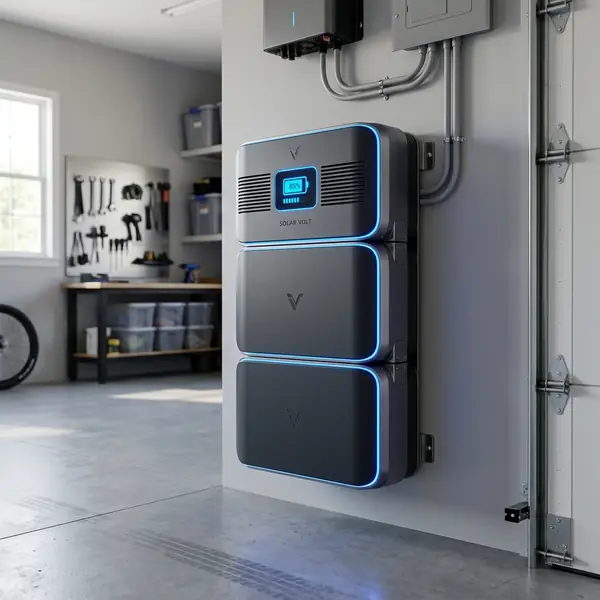
It is not required for grid-tied systems, but batteries are vital for off-grid operations or backup power during grid blackouts.
Can I completely eliminate my monthly electricity bill?
You cannot reach absolute zero because most utilities charge a basic monthly grid connection fee regardless of production.




