How to Bypass Internet Blocks and Censorship with a Free VPN
Learn how to bypass internet censorship quickly and effortlessly using a free VPN service.How to Bypass Internet Blocks and Censorship with a Free VPN
DomineTec Tip: For enhanced privacy, consider using best obfuscated VPNs for censorship to avoid detection.
In today's digital age, internet censorship poses a significant barrier to accessing information worldwide. Whether you're trying to access content blocked in your region or safeguard your browsing activities from prying eyes, using a Virtual Private Network (VPN) can be a powerful solution. This guide will walk you through the process of bypassing internet blocks and censorship effectively using a free VPN.
Understanding Internet Censorship
Internet censorship can take many forms, including government-imposed restrictions, network-level filtering by ISPs, and corporate content blocking. These restrictions may limit access to specific websites, social media platforms, or entire services based on geographic location or political considerations. Popular methods of censorship include:
- DNS Blocking: Preventing access to websites by blocking their domain names.
- IP Blocking: Restricting access to specific IP addresses associated with websites.
- Deep Packet Inspection: Monitoring and filtering internet traffic based on content.
Bypassing these restrictions requires a robust understanding of how internet traffic is managed and how VPN technology can help. A VPN encrypts your data and disguises your IP address, allowing you to appear as if you're accessing the internet from a different location.
Choosing the Right Free VPN
When selecting a free VPN, it's crucial to consider several factors that can significantly impact your internet experience:
- Data Limitations: Many free VPNs impose data caps, limiting how much you can use the service.
- Server Locations: A diverse range of server options can help you bypass different censorships.
- Connection Speeds: Free services often suffer from slower speeds due to overcrowding.
- Privacy Policy: Always review the privacy policies to ensure your data is not being logged or sold.
Setting Up a Free VPN: Step-by-Step Guide
Once you've selected a free VPN service that meets your needs, follow these steps for setup:
Step 1: Download and Install the VPN Client
Visit the official website of the VPN service and download the client compatible with your operating system. Ensure you choose a reputable source to prevent malware.
Step 2: Create an Account
Most free VPNs require you to create an account. Provide the necessary information, and verify your email if prompted.
Step 3: Configure Settings
Open the VPN client and navigate to settings. Customize options such as:
- Protocol: Choose between protocols like OpenVPN or IKEv2. OpenVPN is widely regarded for its security.
- Kill Switch: Enable this feature to prevent data leaks if the VPN connection drops.
Step 4: Connect to a VPN Server
Select a server located in a country without strict censorship laws. Click on the connect button to establish a secure connection.
Step 5: Verify Your Connection
After connecting, check your IP address through a service like WhatIsMyIP.com to ensure your location has changed.
Common Challenges and Troubleshooting Tips
While using a free VPN, you might encounter several issues. Here are common challenges and how to address them:
Slow Speeds
If you experience slow connection speeds, try connecting to a less crowded server or switch protocols. Free VPNs often have bandwidth limitations, so consider upgrading to a paid plan if speed is crucial.
Inability to Access Certain Websites
Some websites actively block known VPN IP addresses. To bypass this, switch servers or consider using a VPN that offers obfuscation features, which disguise VPN traffic as regular internet traffic.

Connection Drops
If your VPN connection drops frequently, ensure that the kill switch feature is enabled. If the problem persists, check for updates or reinstall the VPN client.
| VPN Provider | Data Limit | Server Locations | Speed |
|---|---|---|---|
| ProtonVPN | No Limit | 3 Countries | Moderate |
| Windscribe | 10 GB/month | 10 Countries | Fast |
| TunnelBear | 500 MB/month | 20 Countries | Good |
Advanced Techniques for Bypassing Censorship
For those seeking more robust solutions, consider advanced techniques that can enhance your ability to bypass internet censorship:
Obfuscated Servers
Using obfuscated servers can help disguise your VPN traffic, making it difficult for ISPs and governments to detect that you are using a VPN. This is especially useful in restrictive countries.
Changing DNS Settings
Configuring DNS settings can also aid in bypassing censorship. Utilizing public DNS services like Google DNS or Cloudflare can help you circumvent DNS-based restrictions. For a detailed guide on this, see our article on how to configure DNS on router to bypass blocks.
Conclusion
Bypassing internet censorship with a free VPN can significantly enhance your online freedom. While free VPNs may have their limitations, they can still provide a viable solution for accessing restricted content. Ensure you choose a reputable service, configure settings for optimal performance, and troubleshoot any issues that arise. For those who require more advanced capabilities, consider exploring obfuscation options and DNS configurations.

Troubleshooting Common VPN Connection Issues
When utilizing a VPN to bypass internet blocks and censorship, users may encounter various connection issues that can impede their ability to access desired content. Understanding the common problems and their resolutions can significantly enhance the user experience. One prevalent issue is the inability to establish a VPN connection. This may arise due to incorrect user credentials, outdated VPN software, or network restrictions imposed by the user's ISP.
To troubleshoot this, users should first verify that they are using the correct login information. It is also essential to ensure that the VPN application is updated to the latest version, as updates often include bug fixes and performance enhancements. If the application still fails to connect, users should check their firewall and antivirus settings, as these can sometimes block VPN traffic. Temporarily disabling these security features can help identify if they are causing the problem.
Another common issue is slow VPN performance, which can be attributed to various factors including server load, distance from the server, and the type of VPN protocol in use. For instance, OpenVPN may provide robust security but can be slower than other protocols like IKEv2 or L2TP. Users should experiment with different server locations and protocols to find the optimal balance between speed and security. Monitoring bandwidth usage and latency through tools like ping tests can also provide insights into performance bottlenecks.
Lastly, if users experience frequent disconnections, it may be due to unstable network conditions or server-side issues. In such cases, switching to a less congested server or adjusting the MTU (Maximum Transmission Unit) settings in the VPN client can improve stability. Users can also consider enabling features such as "kill switch," which automatically disconnects internet access if the VPN connection drops, ensuring that no unprotected data is transmitted.
Advanced Command-Line Interface (CLI) Configurations for VPNs
For advanced users, leveraging the Command-Line Interface (CLI) for VPN configuration can provide more granular control over the VPN settings and enhance overall performance. CLI tools allow for the use of scripts to automate tasks, change configurations on-the-fly, and troubleshoot issues in a more detailed manner. For instance, configuring a VPN using CLI commands can enable users to set specific parameters like custom DNS settings, which can help bypass certain DNS-based restrictions imposed by ISPs.
One essential command for managing VPN connections is the 'ip route' command, which allows users to manage routing tables effectively. This is particularly useful for users who want to ensure that only specific traffic is routed through the VPN, while allowing other traffic to bypass it. Implementing policy-based routing can be done using commands such as 'ip rule add' to dictate which traffic should be sent through the VPN tunnel, thus optimizing performance and reducing latency for non-sensitive activities.
Furthermore, users can utilize tools like 'tcpdump' to monitor traffic and diagnose connection issues. By analyzing the packet flow, users can identify whether packets are being dropped or if there are other anomalies in the connection. This deep level of analysis can help pinpoint issues such as MTU mismatches that may cause fragmentation and lead to reduced performance. Adjusting MTU settings through the command line can often resolve these issues and improve connection stability.
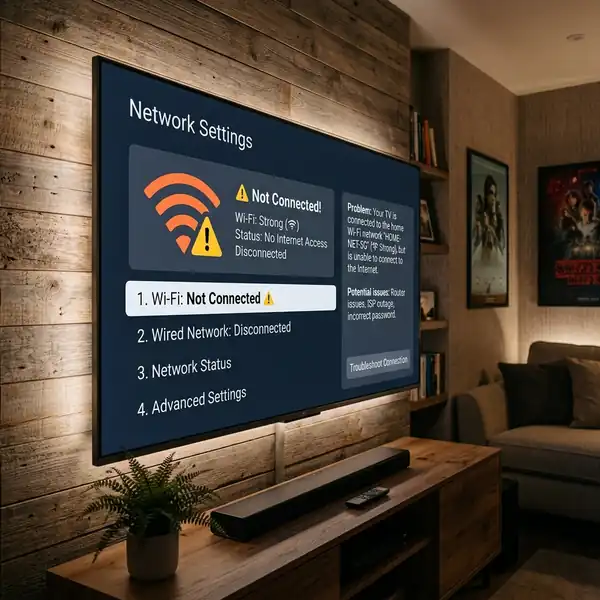
Lastly, advanced VPN users can integrate firewall rules directly within the CLI to enhance security. By using commands to configure iptables or firewalld, users can create rules that only allow VPN traffic while blocking all other traffic. This offers an additional layer of security, ensuring that no unencrypted data is leaked even if the VPN connection fails. Mastering these CLI configurations can significantly empower users to optimize their VPN experience, making it not only a tool for bypassing censorship but also a robust solution for secure internet access.
Troubleshooting Common VPN Issues
When utilizing a free VPN service to bypass internet blocks and censorship, users may encounter various issues that can hinder their browsing experience. Understanding how to troubleshoot these common problems is essential. One common issue is slow connection speeds, which can be attributed to server overcrowding or limited bandwidth provided by the free VPN service. To diagnose this, users can run speed tests on different servers offered by the VPN. If the speed is significantly lower than expected, switching to a less crowded server or trying a different VPN provider may be necessary.
Another common problem is the inability to connect to certain websites or streaming services. Many platforms actively block known VPN IP addresses to prevent users from circumventing geographical restrictions. To counteract this, users can try enabling features such as "obfuscation" or "stealth mode," if available, within the VPN settings. These features mask VPN traffic, making it appear as regular internet traffic, thus helping to bypass detection. Additionally, checking for software updates for both the VPN client and the device’s operating system can resolve compatibility issues that may lead to connection problems.
DNS leaks are another critical issue that can compromise privacy while using a VPN. A DNS leak occurs when DNS requests are sent outside the encrypted VPN tunnel, exposing user activity to their Internet Service Provider (ISP). Users can check for DNS leaks by utilizing online leak test tools. If a leak is detected, configuring the VPN to use a secure DNS provider or enabling the VPN's built-in DNS leak protection feature can mitigate this risk. Furthermore, users should consider manually setting their device's DNS settings to a privacy-focused DNS service such as Cloudflare or OpenDNS.
Advanced CLI Configurations for Enhanced Performance
For users comfortable with command-line interfaces (CLI), advanced configurations can significantly enhance VPN performance and reliability. One powerful tool for managing VPN connections is OpenVPN, which allows users to customize their connection settings to optimize speed and stability. By modifying the OpenVPN configuration file, users can specify different parameters, such as the protocol used (TCP or UDP) and the MTU (Maximum Transmission Unit) size. Generally, using UDP can provide faster speeds, while TCP adds an additional layer of reliability. Adjusting the MTU size can also help in minimizing packet fragmentation, which can lead to better performance and lower latency.
Another advanced configuration involves the use of scripts to automate the connection process and enhance security. Users can create shell scripts that automatically connect to the VPN upon startup or after certain conditions are met, such as loss of internet connection. This ensures that users remain protected at all times without needing to manually initiate the VPN connection. Additionally, users can implement kill switch functionality through CLI commands, which automatically disables internet access if the VPN connection drops, preventing any data leakage.

Furthermore, users can leverage routing table modifications to optimize traffic flow through the VPN. By using commands such as 'ip route' on Linux systems, users can direct specific traffic through the VPN while allowing other traffic to pass directly through their ISP. This selective routing can enhance user experience and maintain speed for non-sensitive activities while ensuring privacy for those that require it. For instance, routing only streaming services or sensitive communications through the VPN can reduce overall latency and improve performance for general browsing activities.
Frequently Asked Questions
1. Are free VPNs safe to use for bypassing censorship?
While many free VPNs offer basic encryption and can help bypass censorship, they may not always prioritize user privacy. Some free services log your data or serve ads. It's essential to research the VPN's reputation and privacy policy before use.
2. Can I use a free VPN for streaming content?
Some free VPNs may allow streaming, but many popular services actively block known VPN traffic. If streaming is your goal, look for free VPNs that specifically advertise their ability to bypass geo-restrictions or consider a paid option for better performance.
3. How do I know if my VPN is successfully bypassing censorship?
You can verify that your VPN is bypassing censorship by checking your IP address after connecting. If it shows an IP address from the VPN's server location instead of your actual location, you are successfully bypassing restrictions. Additionally, try accessing content that was previously blocked.