How to Block Traffic from Specific Countries Using Cloudflare Firewall

Blocking traffic from specific countries using Cloudflare Firewall is a straightforward process that enhances your website's security. As the internet continues to evolve, web servers and hosting services have become integral components of digital infrastructure. A key aspect of maintaining a secure online presence involves managing who can access your site.
Many organizations find it necessary to restrict access from certain countries due to various reasons such as compliance with local laws, mitigating security threats, or simply reducing unwanted traffic. Cloudflare, a leading content delivery network (CDN) and security service, provides a robust platform to implement these restrictions effectively.
The process of blocking country traffic on Cloudflare is not only efficient but also user-friendly, making it accessible even for those who may not have extensive technical expertise. Cloudflare's firewall capabilities allow users to create custom rules that can identify and deny requests based on geographic location, among other criteria.
In this blog post, we will dive into the technical details of web servers, outline a step-by-step guide for blocking unwanted traffic from specific countries, and provide a comparison of different options available within Cloudflare’s offerings.
Detailed Introduction to the Technical Concept of Web Servers and Hosting
Web servers are powerful machines that store, process, and deliver web pages to users' browsers. They play a vital role in hosting websites and managing user requests.
When a user types a URL into their browser, a request is sent to the web server which then retrieves the requested page and sends it back to the browser for display. This interaction forms the backbone of the internet, and understanding how web servers operate is important for anyone involved in website management.
The efficiency and reliability of a web server can significantly impact a website's performance, user experience, and security.
Hosting, on the other hand, refers to the service of providing storage space and access for websites on the internet. There are various types of hosting available, including shared, VPS (Virtual Private Server), dedicated, and cloud hosting. Each type has its advantages and drawbacks, depending on the needs of the website owner.
For instance, shared hosting is cost-effective but can lead to slower performance due to resource sharing among multiple users. In contrast, dedicated hosting provides exclusive resources but is often more expensive. Cloud hosting combines the scalability of cloud computing with the reliability of traditional hosting, making it a popular choice for businesses anticipating growth.
In the context of blocking traffic from specific countries, understanding the underlying technologies of web servers and hosting is essential. When traffic from certain geographic locations is allowed to access a server, it can lead to various issues such as data breaches, increased server load, and even legal complications.
By utilizing tools like Cloudflare's firewall, administrators can establish rules to safeguard their servers from unwanted traffic, thus enhancing overall security and performance.
Step-by-Step Practical Guide to Block Country Traffic Using Cloudflare

To block traffic from specific countries using Cloudflare's firewall, you will need to follow a series of detailed steps. First, ensure that you have an active Cloudflare account and that your domain is properly configured to use Cloudflare's services.
Once your domain is set up, log in to your Cloudflare dashboard. From the dashboard, navigate to the "Firewall" tab, which is typically located in the menu on the left side of the screen.
Once in the Firewall section, you will see options for managing your firewall rules. To create a rule that blocks traffic from a particular country, click on the "Firewall Rules" option. This is where you can define specific conditions that trigger actions on incoming requests. You'll want to select "Create a Firewall Rule" to start the process. A new interface will open, allowing you to customize your rule.
In the rule creation interface, you will be prompted to configure a few key elements. First, give your rule a descriptive name, such as "Block Traffic from [Country Name]." Next, you will need to set the conditions for this rule. Click on the dropdown menu to select "Country" from the available options.
You can then specify which country or countries you want to block. Cloudflare provides an extensive list of countries, making it straightforward to select the desired ones. After selecting the countries, you will need to define the action that Cloudflare should take when requests from these countries are detected.
For blocking traffic, select "Block" from the action options available.
Next, review your rule configuration to ensure it meets your requirements, and then click "Deploy" or "Save" to activate the rule. Once the rule is live, Cloudflare will begin enforcing it immediately.
It's important to monitor your web traffic after implementing these changes to ensure that legitimate users are not inadvertently affected. You can also revisit and adjust the firewall rules as needed based on your traffic patterns and security needs.
Comparative Analysis of Cloudflare's Options for Blocking Country Traffic
When considering how to block traffic from specific countries, it is essential to evaluate the various options available within Cloudflare's offerings. Below, we present a structured comparative table that highlights the key features, benefits, and limitations of different plans provided by Cloudflare. This comparison will assist you in determining the best fit for your specific requirements, especially if you are using the free version of Cloudflare.
| Feature | Free Plan | Pro Plan | Business Plan | Enterprise Plan |
|---|---|---|---|---|
| Custom Firewall Rules | Limited | Yes | Yes | Yes |
| Country Blocking | Basic | Advanced | Advanced | Fully Customizable |
| Analytics and Reporting | Basic Access | Detailed Reports | Comprehensive Insights | Custom Reports |
| Support | Community Support | Email Support | Priority Support | 24/7 Dedicated Support |
As illustrated in the table, the free plan of Cloudflare offers limited capabilities when it comes to custom firewall rules and country blocking. For users seeking more advanced features, the Pro and Business plans provide enhanced functionalities, including access to more sophisticated analytics and priority support.
The Enterprise plan stands out with fully customizable options, catering to businesses with unique and demanding security needs. Choosing the right plan depends on your specific traffic management requirements, budget, and the level of support desired.

Additional Resources and Recommended Links
For those looking to delve deeper into Cloudflare's capabilities and enhance their understanding of web security, several resources can be invaluable. Cloudflare's own documentation is an excellent starting point, offering comprehensive guides and tutorials on configuring various security settings.
Additionally, exploring community forums and tech blogs can provide practical insights from experienced users. For more advanced topics, consider checking out our articles on Cloudflare Flexible vs Full SSL and How to Configure Cloudflare Page Rules.
These resources will give you a well-rounded understanding of managing your Cloudflare account effectively.
Advanced Server Performance Tuning, Cache Policies, and Core Networking Metrics
Cache policies play an integral role in enhancing server performance. Utilizing caching solutions like OPcache, Redis, and Memcached can significantly decrease load times by storing frequently accessed data in memory.
OPcache, for instance, optimizes PHP performance by storing precompiled script bytecode in shared memory, which reduces the overhead of parsing scripts on each request. Redis and Memcached, on the other hand, are in-memory data structure stores that can cache database queries or entire web pages, providing rapid access to information.
This shortens response times and reduces the server load, allowing it to handle more concurrent users without slowing down.
Additionally, understanding bandwidth allocation is critical for performance tuning. Bandwidth refers to the amount of data that can be transmitted over a connection in a given time frame.
Proper allocation ensures that no single user or service hogs too much bandwidth, which can lead to degradation in service for others. Using Quality of Service (QoS) settings, administrators can prioritize critical traffic, ensuring that mission-critical applications receive the necessary resources while less critical applications are throttled during peak times.
This is an essential strategy for maintaining service reliability, especially during traffic spikes.
Moreover, regular server load analysis is essential for anticipating performance issues. Tools like top, htop, or server monitoring services can provide insights into CPU usage, memory consumption, and disk I/O operations.
By identifying which processes consume the most resources, administrators can make informed decisions about optimization strategies, such as load balancing or resource allocation adjustments. Implementing these tactics not only improves performance but also enhances the overall stability of the server environment.
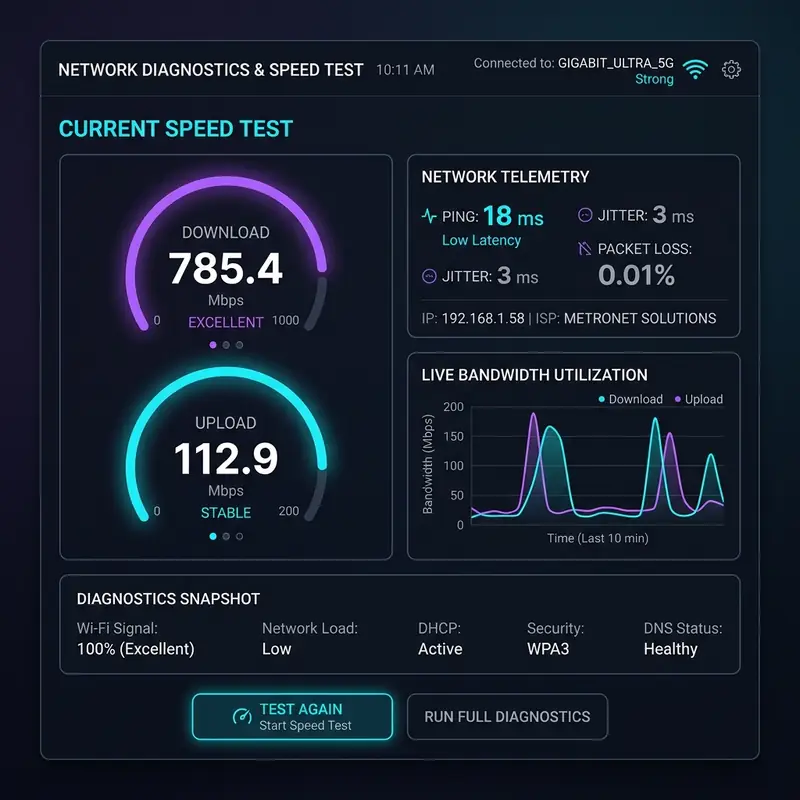
Finally, an often-overlooked aspect of server performance is the physical network infrastructure. Latency can be affected by the quality of the network connections between the server and end-users.
High latency can lead to slow loading times, which can impact user satisfaction and conversion rates. Employing Content Delivery Networks (CDNs) can help distribute content closer to users, minimizing the distance data must travel and thus reducing latency.
This multi-faceted approach to performance tuning, encompassing server configuration, caching strategies, and network optimization, is vital for ensuring that web applications perform optimally under various workloads.
Implementing Robust Server-Side Cybersecurity Protocols

Another critical component of server security is the management of IP tables. IP tables serve as a firewall for Linux systems, allowing administrators to define rules that govern incoming and outgoing traffic.
By setting up stringent rules, you can prevent unauthorized access to server resources. For instance, limiting access to only specific IP addresses or ranges can significantly mitigate the risk of attacks.
Administrators should regularly review and update these rules as part of a comprehensive security strategy, as new vulnerabilities and attack vectors are constantly emerging.
Distributed Denial of Service (DDoS) attacks are another prevalent threat that can cripple server performance. Implementing a dedicated DDoS firewall is essential for protecting your server from these types of attacks.
A DDoS firewall can detect and mitigate malicious traffic patterns before they reach your server, thus preserving bandwidth and ensuring that legitimate users can still access services. Partnering with a security service provider that specializes in DDoS mitigation can further enhance your security posture, as they can offer advanced analytics and real-time response capabilities.
Directory permissions are equally important in maintaining server security. A common pitfall for many server configurations is the improper setting of file permissions, which can lead to unauthorized access to sensitive directories.
It is recommended to follow the principle of least privilege, where users and applications are given the minimum level of access necessary to perform their functions. Regular audits of directory permissions can help identify potential vulnerabilities and ensure that only authorized personnel can make changes to critical files and directories.
Lastly, cybersecurity is not a set-it-and-forget-it endeavor. Continuous monitoring and auditing of server activity are essential for spotting anomalies that could indicate a breach.
Implementing log management solutions can help track access patterns, detect unusual activity, and maintain compliance with industry regulations. Regular security training for staff can also empower them to recognize phishing attempts and other social engineering tactics, thereby reducing the likelihood of human error leading to a security breach.
By taking a holistic approach to server-side cybersecurity, organizations can create a fortified environment that minimizes risk while ensuring optimal performance.
Understanding Hosting Limitations and Their Impact on Performance
When considering hosting solutions, it is essential to understand the inherent limitations of different types of servers, particularly when comparing shared servers to dedicated or cloud-based machines. Shared hosting is often more budget-friendly, but it comes with significant constraints. Multiple websites share the same server resources, which can lead to performance bottlenecks. If one site experiences heavy traffic, it can negatively impact all other sites on the server, resulting in slower loading times and potential downtime. For businesses that rely on consistent performance, dedicated or cloud hosting solutions provide a more robust alternative, offering dedicated resources that can handle higher traffic volumes without compromising performance.DNS propagation errors can also pose challenges when transitioning to a new hosting provider or changing domain settings. When DNS records are updated, it can take anywhere from a few minutes to 48 hours for the changes to propagate across the internet.
During this time, users may experience inconsistent access to the website, which can lead to confusion and frustration. To mitigate these issues, it is advisable to minimize TTL (Time to Live) settings before making changes, allowing for quicker propagation.
Additionally, using multiple DNS servers can enhance redundancy, ensuring that users can still access your site even if some servers have not yet updated.
Database optimization is another critical factor that can trap unwary administrators. Many websites rely on databases for dynamic content, and poorly optimized databases can lead to slow query responses and increased server load.
Techniques such as indexing, query optimization, and regular maintenance tasks like cleaning up old data can significantly improve database performance. It is important to regularly analyze database performance metrics to identify slow queries and optimize them accordingly.
Failing to do so can result in cascading performance issues that affect the entire web application.
Service Level Agreements (SLAs) are another essential consideration for hosting solutions. An SLA outlines the level of service you can expect from your hosting provider, including uptime guarantees, support response times, and penalties for non-compliance.
Understanding these terms can help you make informed decisions about your hosting provider, ensuring that you choose a partner capable of meeting your performance and reliability needs. A provider with a strong SLA is more likely to take proactive measures to ensure server uptime and reliability, which is particularly important for businesses that cannot afford downtime.
In summary, understanding the limitations of your hosting environment, from shared servers to cloud computing, is vital for making informed decisions that align with your performance requirements. DNS propagation, database optimization, and SLA considerations all play significant roles in determining the effectiveness of your hosting solution. By addressing these issues proactively, businesses can create a more stable and responsive web presence that meets user expectations and supports growth.