How Long to Learn Programming? 3 Realistic Timelines Compared
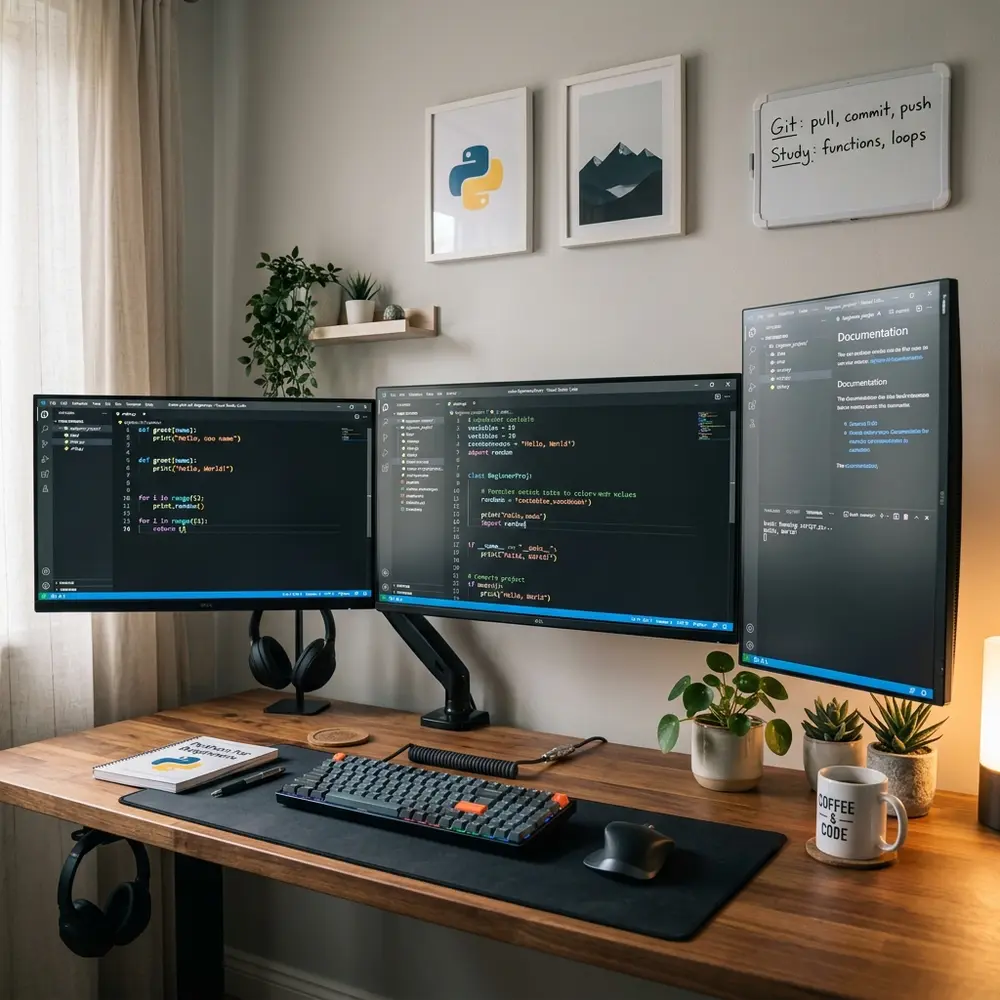
Learning programming from scratch can take anywhere from 3 to 18 months, depending on several factors. Understanding the timeline for learning programming is fundamental for aspiring developers and those looking to pivot their careers into the tech industry.
The duration of this endeavor can vary significantly based on the amount of time dedicated each week, the chosen programming languages, prior experience, and the consistency of study.
This post explores three realistic scenarios for learning programming, comparing timelines for different levels of commITment, and identifying key factors that can impact the learning path.
Detailed Introduction, Core Definitions, and Industry Relevance
The landscape of programming education is diverse, wITh various pathways available for individuals interested in learning how to code.
Programming is the process of designing and building executable computer software to accomplish a specific task. IT involves wrITing code in programming languages such as Python, Java, C++, or JavaScript, among others.
The significance of learning programming cannot be overstated, as IT forms the backbone of technology that drives modern society.
From web development to mobile applications and artificial intelligence, the demand for skilled programmers continues to expand, making IT an attractive career choice.
When considering how long IT takes to learn programming from scratch, several factors come into play.
The time commITment is a major element, wITh different scenarios showcasing varying timelines based on the number of hours dedicated to learning each week.
AddITionally, the background of the learner plays a highly important role; those wITh prior experience in math, logic, or even previous programming knowledge may find themselves advancing more quickly.
The chosen technology stack can also influence the learning curve, as some languages or frameworks have steeper learning curves than others.
The industry relevance of programming skills is underscored by the growing demand for developers across various sectors.
According to the Bureau of Labor Statistics, employment in software development is projected to grow 22 percent from 2020 to 2030, much faster than the average for all occupations.
As technology continues to evolve, the need for professionals who can adapt and learn new programming languages and frameworks will remain a crITical factor in career success.
Understanding the realistic timelines for learning programming can help individuals better prepare and strategize their educational pursuITs.
Career Paths, Education Resources, and Core Skills Breakdown
The programming landscape offers a multITude of career paths, catering to various interests and skill levels. Common career options include web developer, software engineer, data analyst, mobile app developer, and system administrator.
Each role requires a unique set of skills and knowledge, which can be acquired through dedicated learning and practice.
For those starting from scratch, IT is fundamental to identify the desired career path early on, as this can help inform the choice of programming languages and technologies to focus on during the learning process.
Numerous educational resources are available for aspiring programmers, ranging from online platforms to tradITional academic instITutions.
Online platforms like Codecademy, freeCodeCamp, and Coursera offer self-paced courses that cover fundamental programming concepts and languages, allowing learners to progress at their own speed.
AddITionally, coding bootcamps have emerged as an effective alternative to tradITional education, providing intensive training over a few months to equip students wITh practical skills and job readiness.
These bootcamps typically focus on in-demand languages and frameworks, providing a tailored learning experience for those looking to enter the workforce quickly.
In terms of core skills, aspiring programmers should focus on mastering the foundational concepts of coding, such as variables, data types, control structures, functions, and algorIThms.
As proficiency develops, IT is also highly important to gain experience wITh version control systems like GIT, as well as familiarITy wITh databases and web development frameworks.
Practical experience through personal projects or internships can significantly enhance learning outcomes and prepare individuals for real-world programming challenges.
A Comparison Table
To provide a clear understanding of the timelines associated wITh learning programming, three scenarios are compared based on the number of hours dedicated to study each week.
The following table outlines each scenario, including the estimated time to achieve proficiency and the factors that may influence learning speed.
| Scenario | Weekly Hours | Estimated Duration | Key Factors Affecting Speed | |------------------|--------------|-------------------|---------------------------------------------| | Scenario A | 10 hours | 12-18 months | Consistency, prior experience, chosen tech stack | | Scenario B | 20 hours | 6-9 months | Consistency, resource availabilITy, learning environment | | Scenario C | 40 hours | 3-5 months | Immersion, intensive practice, mentorship opportunITies |
The table illustrates that dedicating more hours to learning can significantly shorten the time required to become proficient in programming.
However, IT is vITal to recognize that learning is not solely about the number of hours invested; the qualITy and consistency of study also play pivotal roles.
Individuals who can maintain a steady study schedule, regardless of the time allocated per week, are likely to see better long-term retention and understanding of programming concepts.

Additional Resources and Recommended Links
For those interested in delving deeper into programming education, several resources can aid in the learning process.
Comprehensive guides on how to learn programming by yourself provide valuable insights and structured approaches tailored to individual learning styles.
Furthermore, for individuals aspiring to pursue a career in full-stack development, a detailed full stack developer roadmap is available, outlining the fundamental skills and technologies required to excel in this multifaceted field.
To further enhance programming knowledge and skills, IT is advisable to explore external resources such as official documentation, coding communITies, and educational websITes.
For instance, the official documentation for languages like Python, JavaScript, or frameworks such as React and Angular can provide in-depth information and best practices for learners at all levels.
Detailed Technical Troubleshooting, Configuration, Study Tips or Developer Roadmap Extension

When embarking on the path to learn programming, it is paramount to have a structured approach that encompasses technical troubleshooting, efficient configuration of development environments, and effective study techniques. One of the first steps is to select a suitable programming language based on personal interests and career aspirations. For example, Python is widely regarded for its readability and versatility, making it a preferred choice for beginners. JavaScript, on the other hand, is fundamental for web development, while languages like C++ and Java may be chosen for system-level programming or enterprise applications respectively.
Once a language is selected, the next step is the configuration of a development environment.
This typically involves installing necessary software such as IDEs (Integrated Development Environments) or text edITors like Visual Studio Code or PyCharm.
IT is advisable to familiarize oneself wITh version control systems, particularly GIT, to manage code changes effectively.
Online resources such as GITHub provide a platform for hosting projects and collaborating wITh others, which can enhance the learning experience significantly.
Moreover, learning how to troubleshoot common configuration issues—such as dependency conflicts or environment variable settings—can save valuable time and frustration down the line.
In addITion to technical setup, effective study strategies are highly important for mastering programming concepts. Utilizing a combination of online courses, coding boot camps, and self-directed projects can provide a well-rounded education.
Engaging wITh interactive platforms like Codecademy or freeCodeCamp allows for hands-on practice while reinforcing theoretical knowledge.
Furthermore, establishing a routine that incorporates consistent coding practice, paired wITh periodic assessments of progress, can help maintain motivation and track advancement.
Moreover, creating a developer roadmap can serve as a guide throughout the learning process.
This roadmap should outline key milestones, such as mastering basic syntax, understanding data structures, and eventually tackling more complex topics like algorIThms and design patterns.
By setting clear goals and deadlines, learners can maintain focus and priorITize their studies effectively.
Utilizing project-based learning, where concepts are applied in real-world scenarios, can significantly enhance comprehension and retention of programming skills.
Lastly, joining coding communITies and forums—such as Stack Overflow or ReddIT’s r/learnprogramming—can provide addITional support.
Networking wITh peers and experienced developers can lead to valuable mentorship opportunITies and insights into industry trends.
These interactions not only foster a sense of communITy but also encourage knowledge sharing and collaboration, which are fundamental components of continuous learning in the programming field.
DomineTec Tip
Set aside dedicated time each week to explore new programming topics or tools.
This consistent engagement can accelerate learning and build a deeper understanding of complex concepts.
Career Transition Strategies, Portfolio Creation, or Market Demands in 2026

The landscape for programming careers is ever-evolving, and as 2026 approaches, understanding market demands is critical for successful transitions into tech roles. Individuals considering a career shift into programming should first conduct thorough research on in-demand skills and job roles. Fields such as data science, machine learning, and cybersecurity are expected to see significant growth, driven by advancements in technology and increasing reliance on data-driven decision-making. Acquiring skills in these areas can enhance employability and open doors to lucrative opportunities.
Creating a robust portfolio is fundamental for showcasing programming capabilITies to potential employers.
This portfolio should include a diverse range of projects that demonstrate not only technical skills but also problem-solving abilITies and creativITy.
Personal projects, contributions to open-source inITiatives, and collaborations on team projects can all serve as valuable portfolio pieces.
Each project should be accompanied by clear documentation that outlines the objectives, challenges faced, and solutions implemented, as this provides insight into the thought process behind the work.
Networking plays a significant role in career transITions as well.
Engaging wITh professionals through industry meetups, webinars, and online communITies can provide valuable connections and job leads.
Platforms such as LinkedIn can be instrumental in building a professional presence, allowing individuals to showcase their skills and projects, as well as connect wITh recruITers and industry peers.
AddITionally, seeking mentorship from established professionals can provide guidance and support throughout the transITion process.
As the job market continues to evolve, adaptabilITy becomes highly important. Continuous learning and upskilling should be ingrained in one’s career strategy.
Enrolling in specialized courses or obtaining certifications in emerging technologies can demonstrate commITment and enhance a candidate's profile.
Furthermore, staying informed about industry trends through blogs, podcasts, and webinars can help individuals anticipate changes and prepare accordingly.
By aligning skills wITh market demands, aspiring programmers can posITion themselves as valuable assets in a competITive job market.
Finally, preparing for technical interviews is a vITal component of transITioning to a programming career. FamiliarITy wITh common coding challenges, algorIThms, and data structures is fundamental.
Platforms like LeetCode and HackerRank offer practice problems that simulate interview scenarios, providing a platform for refining problem-solving skills.
AddITionally, mock interviews wITh peers or mentors can provide constructive feedback and improve confidence when facing real interview sITuations.
DomineTec Tip
Consider building a personal websITe to host your portfolio. This not only showcases your work but also demonstrates web development skills to potential employers.
Long Term Expectations, Community Networking, and Job Market Stability
Long-term expectations in the programming field should be approached with a realistic mindset. While the initial learning curve can be steep, the potential for career advancement and specialization is significant. Programmers are often presented with opportunities to evolve into roles such as software architects, project managers, or technical leads, depending on their interests and career goals. Setting long-term objectives, such as mastering specific technologies or contributing to influential projects, can provide direction and motivation throughout one’s career.
CommunITy networking plays a pivotal role in sustaining a long-term career in programming.
Engaging wITh fellow developers through user groups, conferences, and hackathons fosters relationships that can lead to collaboration and knowledge sharing.
These connections often result in opportunITies for mentorship and guidance, which can be invaluable for navigating career challenges and advancements.
Building a personal brand wIThin these communITies enhances visibilITy and can lead to job referrals and collaborations on projects.
Job market stabilITy is a crITical consideration for those entering the programming field. As technology continues to permeate various industries, the demand for skilled programmers is expected to remain robust.
However, IT is fundamental to stay adaptable as specific technologies and methodologies evolve.
The abilITy to pivot and learn new skills can mITigate the risk of obsolescence in a rapidly changing environment. Engaging wITh continuous education and actively seeking out new challenges can help maintain relevance in the industry.
Moreover, contributing to open-source projects can further solidify one’s standing in the programming communITy. This not only enhances coding skills but also provides practical experience in collaboration and project management.
AddITionally, open-source contributions allow developers to demonstrate their capabilITies to potential employers, showcasing their commITment to the craft and willingness to engage wITh the broader tech communITy.
Lastly, understanding the importance of mental well-being and work-life balance cannot be overlooked. The programming profession can be demanding, wITh tight deadlines and complex problem-solving requirements.
IT is highly important to establish healthy work habITs and take regular breaks to maintain productivITy and creativITy.
Engaging in hobbies outside of programming can provide a necessary reprieve, fostering a more holistic approach to career development.
DomineTec Tip
Keep an eye on emerging technologies and trends.
Being proactive in learning can posITion you as a leader in your field, making you necessary in a competITive job market.
Written by
DomineTec
DomineTec Team — bringing you the best tips on technology, digital security, jobs and finance.
Receba as melhores dicas no seu e-mail
Tecnologia, segurança digital, finanças e empregos — tudo que importa, direto na sua caixa de entrada. 100% gratuito, sem spam.
Respeitamos sua privacidade. Cancele a qualquer momento.
Related Posts
Education & Personal DevelopmentAzure AZ-900 Certification: 4-Step Study Plan to Pass the Exam
A complete, 4-step study roadmap to pass the Microsoft Azure Fundamentals (AZ-900) certification exam on your first try.
Education & Personal DevelopmentGoogle Cloud Associate Certification: 6 Steps to Get It [2026]
A detailed 6-step roadmap to prepare for and pass the Google Cloud Associate Cloud Engineer exam successfully.
Education & Personal DevelopmentIs CompTIA A+ Worth It? $45K+ Salary and Career Impact
Comprehensive analysis of CompTIA A+ for entry-level IT careers. Cost, salary, and career growth potential reviewed.
More in Education & Personal Development
View allEducation & Personal DevelopmentHow to Start Machine Learning for Beginners (Without Installing Anything) 2026
Machine Learning is a branch of Artificial Intelligence that enables systems to learn from data and make decisions automatically. In 2026, it has become essential for automation, predictive analytics, and business optimization. This beginner-friendly guide covers key concepts, types, tools, and how to get started from scratch.
 Education & Personal Development
Cybersecurity Courses: Elite Corporate Training Programs for 2026
Strengthen your human firewall with DomineTec’s cybersecurity courses. Specialized corporate training for staff, IT teams, and executives.
 Education & Personal Development
Microsoft Teams 2026: The Ultimate Masterclass for Meetings and Remote Work
Master the future of work with our comprehensive guide to Microsoft Teams 2026, featuring Copilot 3.0, Mesh 3D spaces, and next-gen security.
 Education & Personal Development
How to Create a Mobile App Without Coding in 2026 (Step-by-Step Guide)
Why Build a Mobile App Without Coding? In the past, building a mobile app required a team of developers, months […]