How Long Does It Take for Solar Panels to Pay for Themselves?
Introduction
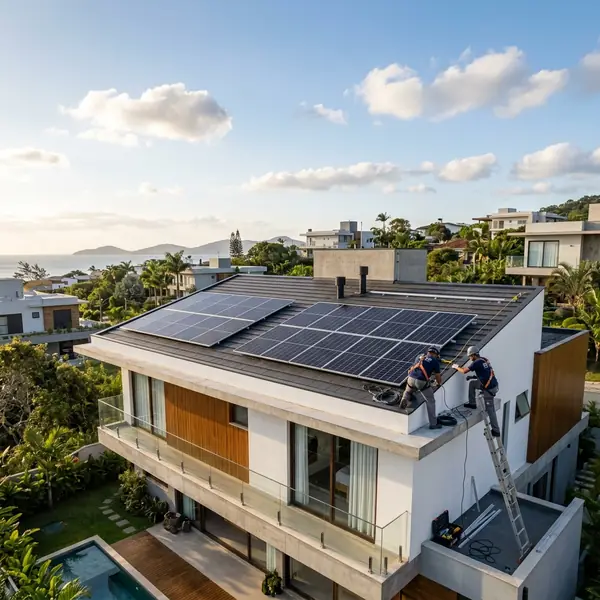
Residential solar panels typically pay for themselves within 5 to 8 years, depending on local electricity rates and solar incentives. Choosing and installing the right system ensures energy independence and long-term utility bill reductions.
In recent years, the adoption of solar energy has surged, with many homeowners considering solar panels as a viable option for reducing energy costs and minimizing their carbon footprint. However, a common question remains: how long does it take for these solar panels to pay for themselves? This blog post will delve deeply into the various aspects that contribute to the payback period of solar panels, exploring the technology behind them, their specifications, advantages, disadvantages, installation processes, regulations, costs, and much more.
To complement your knowledge on solar energy applications, see our guide on the best solar power banks for camping.
Technology and Detailed Operation
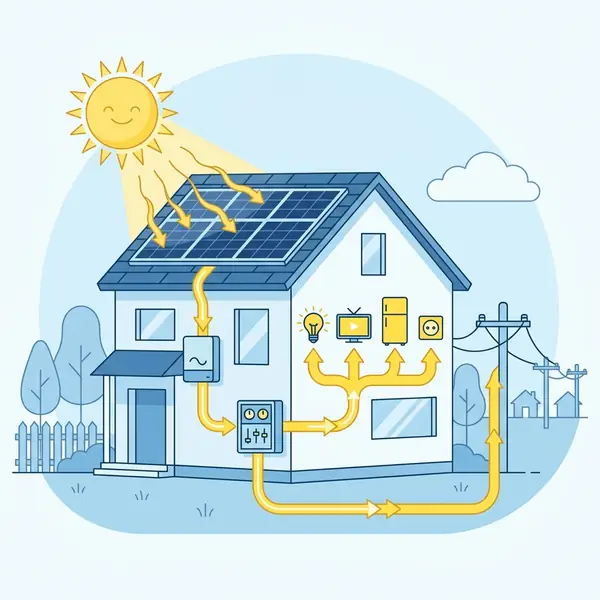
Solar panels convert sunlight into electricity through a process called the photovoltaic effect. This involves the use of semiconductor materials, typically silicon, which absorb photons from sunlight and release electrons. The movement of these free electrons generates direct current (DC) electricity, which can then be converted to alternating current (AC) electricity using an inverter, making it usable for residential and commercial applications.
There are primarily two types of solar panels: monocrystalline and polycrystalline. Monocrystalline panels are made from a single crystal structure, providing higher efficiency and a longer lifespan. Polycrystalline panels are made from multiple crystals, which results in a lower efficiency but typically at a lower cost.
The efficiency of solar panels generally ranges from 15% to over 22%, with leading manufacturers consistently pushing the boundaries of technology.
Solar panels also incorporate various performance-enhancing technologies, such as anti-reflective coatings and bifacial designs. Anti-reflective coatings help to maximize the amount of sunlight absorbed, while bifacial panels capture sunlight from both sides, further increasing energy output.
The Role of Inverters
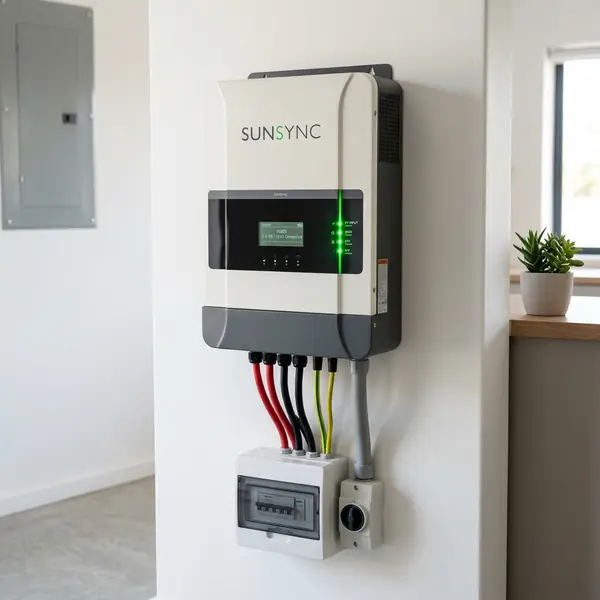
The inverter is a critical component of a solar power system. It converts DC electricity generated by the solar panels into AC electricity that can be used in homes. There are different types of inverters, including string inverters, microinverters, and power optimizers.
String inverters are the most common, linking multiple panels together. Microinverters are installed on each panel, allowing for independent operation and maximizing energy production, especially in partially shaded areas.
System efficiency is also affected by various factors such as temperature, shading, and panel orientation. Proper installation and positioning can optimize energy capture, ensuring the solar system performs at its peak efficiency.
Technical Comparison and Specifications
To understand the economic viability of solar panels, it's key to compare the technical specifications of different products on the market. Below is a table that summarizes the specifications of three popular solar panel models:
| Model | Type | Efficiency (%) | Power Output (W) | Warranty (Years) | Price ($/W) |
|---|---|---|---|---|---|
| Brand A Solar 3000 | Monocrystalline | 22.5 | 300 | 25 | 0.80 |
| Brand B Solar 2500 | Polycrystalline | 18.5 | 250 | 20 | 0.60 |
| Brand C Solar 3500 | Bifacial | 21.0 | 350 | 25 | 0.90 |
As shown in the table, the different types of solar panels offer distinct efficiencies and power outputs. The choice of solar panel will greatly affect the overall cost-effectiveness and payback period for homeowners.
Advantages and Disadvantages
When evaluating the payback period of solar panels, it is important to consider both the advantages and disadvantages associated with their installation.
Advantages
1. Reduced Electricity Bills: One of the most significant financial benefits of solar panels is the reduction in electricity bills. By generating your own electricity, homeowners can save on monthly energy costs, which can lead to substantial savings over time.
2. Government Incentives: Many governments offer tax credits, rebates, and other financial incentives to encourage solar energy adoption. These incentives can significantly reduce the initial investment cost and contribute to a faster payback period.
3. Increased Property Value: Homes equipped with solar panels often see an increase in property value. Potential buyers may prefer homes with solar installations due to the long-term savings they provide.
4. Environmental Benefits: Solar energy is a clean and renewable energy source. By using solar panels, homeowners contribute to reducing greenhouse gas emissions and reliance on fossil fuels.
5. Energy Independence: With solar panels, homeowners can generate their own electricity, reducing dependence on utility companies and protecting themselves from fluctuating energy prices.
6. Low Maintenance Costs: Solar panels generally require minimal maintenance, which can lead to long-term savings. Regular cleaning and occasional checks by a professional are usually sufficient to keep the system operating efficiently.
DomineTec Tip: Regularly clean your solar panels to ensure optimal efficiency and energy production. Dust, dirt, and debris can significantly reduce their performance.
Disadvantages
1. High Initial Investment: The upfront cost of purchasing and installing solar panels can be substantial. Although incentives and financing options may offset some costs, the initial investment can be a barrier for many homeowners.
2. Intermittent Energy Production: Solar energy generation is dependent on sunlight; therefore, energy production can fluctuate based on weather conditions and time of day. This intermittency can pose challenges for homeowners relying solely on solar energy.
3. Space Requirements: Solar panels require adequate roof space to generate sufficient energy. Homes with limited roof space may not be ideal candidates for solar installations.
4. Aesthetic Concerns: Some homeowners may find the appearance of solar panels unattractive, which could deter them from installing solar systems. However, advancements in technology have led to more visually appealing options.
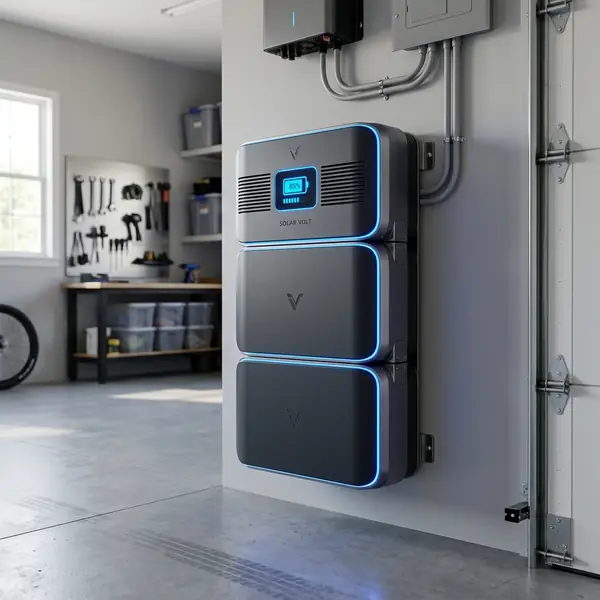
5. Battery Storage Costs: While grid-tied systems can sell excess energy back to the grid, off-grid systems often require battery storage solutions, which can add to the overall cost of the solar system.
Installation, Regulation, and Costs

The installation process of solar panels typically involves several steps, including site assessment, system design, obtaining permits, and the actual installation. A professional solar installer will evaluate the property to determine the optimal solar system size and configuration, ensuring maximum efficiency.
After the design phase, the installer will obtain the necessary permits from local authorities, which may include building permits, electrical permits, and zoning approvals. Regulations can vary significantly by region, so homeowners should familiarize themselves with local laws and guidelines.
The installation itself usually takes one to three days, depending on the complexity of the system and the number of panels being installed. Once the installation is complete, the system will undergo inspections to ensure it meets safety and performance standards.
Cost is a significant factor when considering solar panels. The overall investment for a solar power system can vary widely based on factors such as system size, panel type, installation complexity, and local labor rates. According to the National Renewable Energy Laboratory (NREL), the average cost of residential solar panels in the U.S.
is around $2.50 to $3.50 per watt, before incentives.
Financing options are available for homeowners looking to invest in solar energy. These can include solar loans, leases, and power purchase agreements (PPAs), each with its own terms and conditions. Homeowners should carefully evaluate their options to determine the best financing solution for their financial situation.
Additionally, it is important to consider the return on investment (ROI) and payback period. The payback period is the time it takes for the savings from solar energy to equal the initial investment cost. Factors influencing the payback period include local electricity rates, average sunlight hours, system size, and available incentives.
On average, homeowners can expect a payback period of 5 to 8 years, depending on these variables.
For those considering solar energy, it is also worth exploring whether a solar water heater is worth it for their household needs, as this can further augment energy savings.
Conclusion: Is It Worth the Investment?
In conclusion, the investment in solar panels can be worthwhile for many homeowners, given the potential savings on electricity bills, government incentives, and environmental benefits. The payback period typically ranges from 5 to 8 years, making it a financially sound decision in many cases.
However, prospective solar panel users must consider several factors, including their local energy costs, the availability of incentives, and their specific energy needs. Additionally, the technology behind solar panels continues to evolve, leading to improved efficiency and lower costs over time.
Ultimately, each homeowner's situation is unique, and it is advisable to consult with a professional solar installer to assess the feasibility and economic viability of solar energy for their specific circumstances. With careful planning and consideration, solar energy can provide long-term financial and environmental benefits.
Case Studies: Solar Payback Period in Different Regions
Understanding how long it takes for solar panels to pay for themselves can vary significantly based on geographical location, energy costs, and local incentives. Case studies provide valuable insights into this variability, illustrating how different factors influence the return on investment (ROI) for solar energy systems.
In California, for instance, a homeowner installed a 6 kW solar system that cost approximately $18,000. With a net metering policy in place and average energy costs around $0.25 per kWh, the homeowner realized savings of about $1,800 per year on their electricity bill. Consequently, the payback period for this system was approximately 10 years, showcasing a strong investment in a state with abundant sunlight and favorable energy policies.
Conversely, a case study in New York highlights a different scenario. A similar 6 kW system was installed for $24,000, reflecting higher installation costs in the Northeast. With state incentives and a net metering program, the annual savings amounted to $1,200.
This resulted in a payback period of 20 years, underscoring the importance of regional factors in calculating the ROI for solar systems.
Another interesting case is found in Arizona, where a 7 kW system was installed for $21,000. The region's high solar irradiance led to significant energy savings, reaching approximately $2,400 per year. As a result, the payback period was reduced to just 8.75 years, demonstrating how local climate and energy rates can drastically impact financial returns on solar investments.
Step-by-Step Sizing Guide for Solar Panel Systems
Determining the appropriate size for a solar panel system is key for optimizing energy savings and ensuring a satisfactory payback period. This step-by-step guide outlines the important considerations for sizing a solar array effectively.
Step 1: Assess Energy Consumption
The first step involves analyzing your household's energy consumption. Review your utility bills for at least the past 12 months to identify your average monthly kWh usage. This figure will serve as the foundation for your solar sizing calculations.
Step 2: Calculate Solar Production Potential
Next, assess the solar production potential of your location. Utilize solar irradiance data, which indicates the average sunlight hours per day in your area. This data helps estimate how much energy a solar panel system can generate annually.
Step 3: Determine System Size
With your energy consumption and solar production potential in hand, you can calculate the required system size. Divide your average monthly kWh usage by the average monthly solar production (in kWh) to determine the necessary kW size for your solar array. For example, if you use 900 kWh per month and your location provides an average of 5 sun hours per day, you would need a system size of approximately 6 kW.
Step 4: Factor in System Efficiency
Consider the efficiency of the solar panels you intend to install, as not all panels yield the same energy output. Account for a typical efficiency loss of about 15-20% due to factors like shading, inverter efficiency, and temperature effects. This will ensure your system size is adequate to meet your energy needs even under less-than-ideal conditions.
Step 5: Evaluate Incentives and Financing
Finally, explore available incentives, rebates, and financing options that can influence the overall cost of your solar system. Federal tax credits, state incentives, and local utility programs can significantly reduce your initial investment, thereby improving your payback period. Factor these into your cost calculations to assess the true financial impact of your solar installation.
By following these steps, homeowners can better understand their solar panel needs, paving the way for a more informed investment with a clearer view of the payback timeline.
Case Studies: Real-World Examples of Solar Payback Periods
Understanding the financial implications of solar panel installations can be greatly enhanced by examining real-world case studies. These examples illustrate the diverse factors influencing payback periods across different locations, system sizes, and energy consumption patterns.
One notable case is a residential installation in California, where the homeowner opted for a 6 kW solar system. With an average electricity rate of $0.20 per kWh, the homeowner's monthly utility bill was approximately $150. After installing the solar system, the monthly bill dropped to around $30, resulting in a savings of $120 per month.
Given a total installation cost of $18,000, the payback period for this system was calculated to be 15 years. However, with federal tax incentives and local rebates, the initial cost was reduced to $13,500, shortening the payback period to roughly 11 years.
In contrast, a commercial installation in New York City faced different challenges. A 50 kW solar system was installed on a retail building. The business incurred an electricity cost of $3,000 per month.
Post-installation, the monthly bill decreased to $1,000, providing a savings of $2,000 per month. With a system cost of $150,000, the payback period was initially 7.5 years. However, the business utilized financing options that included a Power Purchase Agreement (PPA), which further mitigated upfront costs and improved cash flow, resulting in a payback period of just over 5 years.
These case studies highlight the importance of geographical location, energy rates, and available financial incentives, all of which play a key role in determining the payback period for solar installations.
For home thermal solutions, discover whether a residential is solar water heater worth it for your configuration.
Step-by-Step Sizing Guide for Solar Systems
Properly sizing a solar panel system is critical for ensuring optimal performance and financial viability. This section provides a detailed step-by-step guide for accurately sizing a solar system.
Step 1: Determine Energy Consumption
The first step in sizing a solar system is to assess your energy consumption. Review your electricity bills from the past year to find your average monthly usage, typically measured in kilowatt-hours (kWh). For instance, if your monthly energy usage averages 800 kWh, your annual consumption would be 9,600 kWh.
Step 2: Evaluate Solar Irradiance
The next step is to assess the solar irradiance for your location. This is the amount of solar energy received per square meter and varies by region. Tools like the National Renewable Energy Laboratory's (NREL) PVWatts Calculator can provide estimates for your area.
For example, if your area receives an average of 5 peak sun hours per day, this information will be key in sizing your system.
Step 3: Calculate System Size
Using your annual energy consumption and local solar irradiance, you can calculate the necessary system size. The formula is as follows:
System Size (kW) = Annual Energy Consumption (kWh) / (Peak Sun Hours per Day x 365)
For our example, if the annual energy consumption is 9,600 kWh and the area receives 5 peak sun hours daily, the calculation would be:
System Size = 9,600 kWh / (5 hours x 365 days) = 5.25 kW
Thus, a 5.25 kW system would be recommended for this specific case.
Step 4: Account for System Efficiency
It's important to factor in system efficiency, as not all energy is converted due to losses from shading, inverter efficiency, and temperature effects. A general efficiency loss factor of around 25% is common. Therefore, adjusting for efficiency means recalculating the required system size:
Adjusted System Size = System Size / (1 - Efficiency Loss)
In our example, the adjusted system size would be:
Adjusted System Size = 5.25 kW / (1 - 0.25) = 7 kW
Step 5: Consider Future Energy Needs
Lastly, it's prudent to consider any anticipated changes in energy needs, such as adding new appliances or an electric vehicle. Planning for a slightly larger system can provide flexibility for future consumption. For instance, if you foresee an increase of 20% in energy usage, you might size your system to accommodate an 8.4 kW capacity in anticipation of these changes.
Conclusion
By following these steps, homeowners and businesses can effectively size their solar panel systems to meet their energy needs while optimizing financial benefits. A well-sized system not only accelerates the payback period but also maximizes energy savings over its lifespan.
Frequently Asked Questions
What is the average payback period for home solar?
The average payback period in the US ranges between 5 and 9 years, depending on state incentives and utility rates.
Do solar panels generate electricity without direct sunlight?
Yes, they produce power on cloudy days but at a reduced capacity of 10% to 25%. They do not generate electricity at night.
How much maintenance do home solar panels require?
Maintenance is minimal, typically involving cleaning the panels twice a year and performing a system health check.
Do I need battery storage for my solar energy system?
It is not required for grid-tied systems, but batteries are vital for off-grid operations or backup power during grid blackouts.
Can I completely eliminate my monthly electricity bill?
You cannot reach absolute zero because most utilities charge a basic monthly grid connection fee regardless of production.




