Gel vs Memory Foam Wrist Rests: Which is Best for Ergonomic Support?

Gel wrist rests provide cooler comfort, while memory foam offers contouring support; both have unique ergonomic benefits.
Ergonomic Support Comparison
Ergonomics play a vital role in reducing strain during extended computer use. Gel wrist rests maintain a cooler temperature, while memory foam adapts to wrist contours for personalized support.
Material Specifications
Gel wrist rests are typically composed of silicone or thermoplastic elastomers. In contrast, memory foam is made from viscoelastic polyurethane, providing a different tactile experience and support level.
Performance Under Pressure
Pressure distribution varies significantly between both types; gel can offer a firmer touch, while memory foam compresses under weight, allowing for more even load distribution. This characteristic can impact wrist comfort during prolonged use.
Design Considerations
Wrist rests come in various designs, often featuring non-slip bases. Gel rests may have a more sleek profile, while memory foam options are often bulkier, which can influence overall desk aesthetics.
Brand Reputation and Options
Brands like 3M and Fellowes are known for their high-quality gel wrist rests, while Gel Keyboard Wrist Rests and HyperX frequently receive praise for their memory foam options. Product reviews and user feedback can guide the selection process.
| Feature | Gel Wrist Rests | Memory Foam Wrist Rests |
|---|---|---|
| Temperature Regulation | Cooler, less heat retention | Warmer, retains body heat |
| Support Type | Firm and stable | Soft and contouring |
| Durability | Long-lasting, resistant to wear | May compress over time |
| Weight | Lightweight | Heavier due to density |
| Cost | Generally lower | Typically higher |
DomineTec Tip: Ensure wrist rests align with keyboard height to maintain neutral wrist position, reducing potential strain.
- Assess personal comfort levels with each type of wrist rest.
- Consider using a wrist rest alongside an adjustable chair and desk.
- Evaluate the desk setup to ensure ergonomic alignment.
- Test product durability and comfort in-store when possible.
- Read reviews on specific brands before making a purchase.

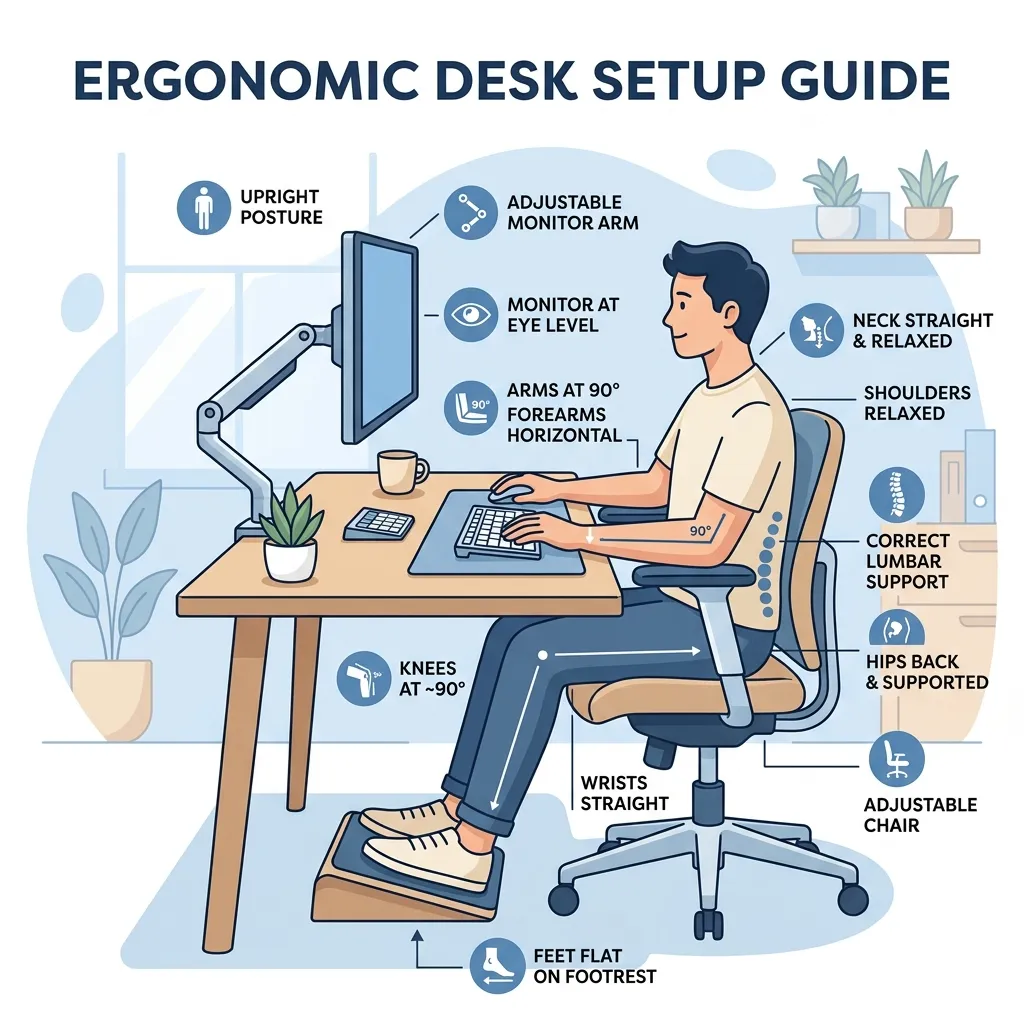
For optimal typing comfort, consider learning to choose mechanical keyboard switches that suit typing style.
Maintaining an appropriate correct monitor height is crucial for reducing neck strain.
Temperature Regulation
Temperature regulation is a critical factor in the performance of wrist rests, especially during extended use. Gel wrist rests typically offer a cooler surface due to their materials, allowing for a more comfortable experience during long hours of typing.
Memory foam, on the other hand, tends to absorb and retain heat, which can lead to discomfort for some users. This heat retention may cause the user to feel warm and sweaty, particularly in warmer environments.
Some manufacturers have begun to incorporate cooling technologies in memory foam designs. These innovations can enhance airflow and heat dissipation, making them more competitive with gel alternatives.
For users concerned about overheating, it is essential to consider the specific features of each wrist rest type and choose one that aligns with their temperature preferences.
Durability and Lifespan
Durability is a vital aspect when selecting a wrist rest, as it directly impacts the overall value of the product. Gel wrist rests are generally more resistant to wear and tear, maintaining their shape and structural integrity over time.
Memory foam, while comfortable, may compress or degrade faster, especially if subjected to constant pressure. Users may find that memory foam wrist rests lose their supportive qualities after extended use.
Regular maintenance can extend the lifespan of both types, but gel wrist rests usually require less upkeep. They can be easily cleaned and are less susceptible to stains or odors.
In evaluating durability, users should consider their typical usage patterns and select a wrist rest that will withstand their demands over the long term.
Allergen Considerations
Allergen considerations can play a significant role in the comfort and usability of wrist rests. Gel wrist rests are often made from hypoallergenic materials, making them suitable for users with sensitive skin or allergies.
Conversely, memory foam can sometimes contain chemicals or materials that may trigger allergic reactions in susceptible individuals. It is essential to check product specifications for any potential allergens.
Some memory foam products are treated with anti-microbial agents, which can help inhibit the growth of bacteria and mold. However, these treatments may not be suitable for everyone.
For users with specific allergy concerns, it is advisable to choose materials that are clearly labeled as hypoallergenic or to consult product reviews that address this aspect.
User Preferences and Comfort Levels
User preferences significantly influence the choice between gel and memory foam wrist rests. Comfort levels can vary widely depending on individual anatomy and typing style.
Some users prefer the soft, conforming nature of memory foam, which molds to the wrist and provides tailored support. Others may find gel wrist rests more pleasant due to their firmer surface and cooler touch.
It is beneficial for users to try both types in a practical setting before making a decision. Personal testing can reveal which material feels more comfortable and supportive during actual usage.
Ultimately, understanding one's comfort preferences is key to selecting the right wrist rest and enhancing overall ergonomic support during prolonged computer use.
Impact on Typing Performance
The choice of wrist rest can have a notable impact on typing performance. A supportive wrist rest can help maintain a neutral wrist position, reducing strain and enhancing typing efficiency.
Gel wrist rests may provide a stable surface that promotes better wrist alignment, potentially increasing typing speed and reducing fatigue. The firmness can also help prevent excessive sinking, which might disrupt typing posture.
In contrast, users of memory foam wrist rests may experience a softer feel, which could either enhance comfort or lead to less effective wrist support, depending on the individual's typing style and pressure applied.
Understanding how each option affects typing performance is crucial for users aiming to improve productivity while minimizing discomfort during extended periods of computer use.
Environmental Impact
Environmental impact is an increasingly important consideration for consumers when selecting products. Gel wrist rests are often made from synthetic materials, which may raise concerns regarding sustainability and recyclability.
Memory foam, while also synthetic, can be manufactured with varying degrees of eco-friendliness. Some brands focus on using non-toxic, environmentally safe materials to appeal to eco-conscious consumers.
Considering the life cycle of a product, gel wrist rests may last longer, potentially resulting in less waste over time. Memory foam options, however, may offer biodegradable alternatives that reduce environmental impact.
Consumers are encouraged to research the environmental practices of manufacturers and choose products that align with their values regarding sustainability and responsible consumption.
Cost vs. Value Analysis
Cost versus value analysis is essential when selecting between gel and memory foam wrist rests. While gel wrist rests tend to be priced higher, their durability and low maintenance can lead to better long-term value.
Memory foam wrist rests are often more affordable upfront, but their potential for quicker wear may necessitate replacement sooner, impacting overall cost-effectiveness.
When evaluating products, users should consider not only the initial price but also the expected lifespan and performance under regular use. This comprehensive approach can help ensure a wise investment.
Ultimately, understanding the balance of cost and value can guide consumers in selecting the wrist rest that best meets their ergonomic needs without overextending their budget.
Maintenance and Cleaning Requirements
Maintaining wrist rests is essential for hygiene and longevity, and the cleaning requirements can vary significantly between gel and memory foam options.
Gel wrist rests typically have a smooth, non-porous surface that can be easily wiped down with disinfectant wipes or a damp cloth, making them ideal for environments where cleanliness is paramount.
In contrast, memory foam wrist rests may require more attention, as the porous nature of the foam can absorb moisture and odors. Regular spot cleaning is often necessary to maintain their condition.
Some manufacturers offer removable covers for memory foam wrist rests, allowing for machine washing, which can enhance their longevity and hygiene.
Adaptability to Work Environment
The adaptability of wrist rests to different work environments can significantly influence user experience and comfort. Gel wrist rests often excel in environments that require versatility, as they can accommodate various desk setups and user preferences without compromising support.
On the other hand, memory foam wrist rests tend to mold to the user's wrist over time, providing tailored support that can be beneficial for prolonged use in static work environments.
Choosing the right wrist rest for a specific work environment may involve considering factors such as desk height, chair ergonomics, and the duration of use.
Pressure Distribution and Relief
Pressure distribution is a critical factor in determining the effectiveness of wrist rests in preventing discomfort and strain. Gel wrist rests are designed to provide a uniform surface that evenly distributes pressure across the wrist, helping to alleviate localized stress during typing or mouse use.
Memory foam, with its contouring properties, can reduce pressure points by conforming to the wrist shape, which may be particularly beneficial for users with existing wrist issues.
Understanding how each material manages pressure can guide users in selecting the best wrist rest for their specific ergonomic needs.
Impact on Posture and Alignment
The choice of wrist rest can significantly affect overall posture and alignment during computer use. Gel wrist rests often maintain a consistent height, which can support proper wrist alignment and prevent excessive bending that leads to discomfort.
Memory foam wrist rests, while supportive, may compress over time, potentially affecting their ability to maintain ideal wrist positioning.
Users should consider how their wrist rest choice will impact their overall posture, as proper alignment is crucial for long-term musculoskeletal health.
Long-Term Health Implications
The choice between gel and memory foam wrist rests can significantly influence long-term health outcomes for users. Prolonged use of a poorly designed wrist rest can exacerbate conditions such as carpal tunnel syndrome and tendonitis.
Memory foam's ability to conform to the wrist may provide a more tailored fit, potentially reducing stress on the median nerve. Conversely, gel wrist rests offer a more uniform surface, which may not accommodate individual wrist shapes as effectively.
Over time, the lack of proper support can lead to chronic pain and decreased productivity. Users should consider how each material responds to prolonged use, as this can affect overall musculoskeletal health.
Regular assessments of wrist rest effectiveness can help mitigate these long-term risks, emphasizing the importance of selecting a product that promotes proper ergonomic alignment.
Consumer Reviews and User Experiences
Consumer reviews and user experiences play a crucial role in understanding the practical implications of using gel versus memory foam wrist rests. Feedback from users often highlights the differences in comfort and support between the two types.
Many users report that memory foam provides a more cushioned feel, allowing for extended use without discomfort. However, others find that gel wrist rests offer superior cooling properties, which can be particularly beneficial in warmer environments.
Common themes in user reviews include the importance of material choice based on individual preferences and specific tasks. For instance, typists may prioritize different features compared to graphic designers or gamers, leading to varying levels of satisfaction.
Evaluating consumer feedback can guide potential buyers in making informed decisions, ensuring that the chosen wrist rest aligns with their specific ergonomic needs and work habits.
Weight and Portability Considerations
When choosing between gel and memory foam wrist rests, weight and portability can significantly influence user experience, especially for those who work in multiple locations. Gel wrist rests are generally lighter than their memory foam counterparts, making them easier to transport without adding considerable bulk to a laptop bag or backpack.
This lightweight nature often appeals to professionals who travel frequently and require ergonomic solutions that do not compromise on comfort during long hours of work.
Conversely, memory foam wrist rests tend to be heavier and bulkier, which may render them less convenient for users who prioritize portability over other ergonomic features.
However, the weight of memory foam products can contribute to their stability when placed on a desk, preventing them from shifting during use.
Ultimately, the decision between gel and memory foam wrist rests may hinge on the user’s lifestyle and how often they move their workspace.
Impact on User Experience Over Time
The long-term user experience with gel and memory foam wrist rests can vary significantly based on the material's inherent properties and how they interact with frequent use. Memory foam is known for its ability to conform to the user's wrist shape, providing personalized support that can enhance comfort over extended periods.
However, this conforming feature may also lead to a feeling of being "stuck" in one position, which some users find uncomfortable during prolonged typing sessions.
On the other hand, gel wrist rests typically maintain a consistent surface feel, offering less conforming support but allowing for greater wrist mobility, which can be beneficial for users who change hand positions frequently.
Over time, some users may find that memory foam can compress or lose its shape, diminishing its effectiveness and support, while gel wrist rests often retain their form for a longer duration.
Ultimately, understanding how each material impacts user experience over time can aid consumers in selecting the wrist rest that best aligns with their work habits and comfort needs.
Frequently Asked Questions
What is the main advantage of gel wrist rests?
Gel wrist rests provide a cooling effect, making them suitable for long hours of use without overheating.
How does memory foam conform to the wrist?
Memory foam softens with body heat, allowing it to mold to the wrist's shape for personalized support.
Which wrist rest is better for gaming?
Many gamers prefer gel wrist rests for their firmer support and temperature control during intense gaming sessions.
Are there hypoallergenic options available?
Yes, several brands offer hypoallergenic gel and memory foam wrist rests, catering to sensitive users.
Can wrist rests improve typing posture?
Proper wrist rests can promote better typing posture by maintaining wrists in a neutral position, reducing strain.