Fronius vs. SMA: Premium Solar Inverter Comparison [2026]
![Fronius vs. SMA: Premium Solar Inverter Comparison [2026]](https://umoaupsqhrhivceztycp.supabase.co/storage/v1/object/public/media/posts/solar_panels_home.webp)
Introduction
Both Fronius and SMA are top-tier premium inverters, but Fronius excels in user-friendly monitoring while SMA stands out for extreme durability. Choosing and installing the right system ensures energy independence and long-term utility bill reductions.
The market for solar inverters has evolved significantly over the past few decades, with numerous brands vying for the top spot in performance, efficiency, and reliability. Among these brands, Fronius and SMA have established themselves as giants in the industry, known for producing high-quality solar inverters that cater to both residential and commercial applications. This article delves deeply into the technical aspects, operational mechanisms, advantages, and potential drawbacks of both Fronius and SMA inverters, providing a comprehensive comparison for potential buyers and industry professionals.
To complement your knowledge on solar energy applications, see our guide on the best solar power banks for camping.
Technology and Detailed Operation
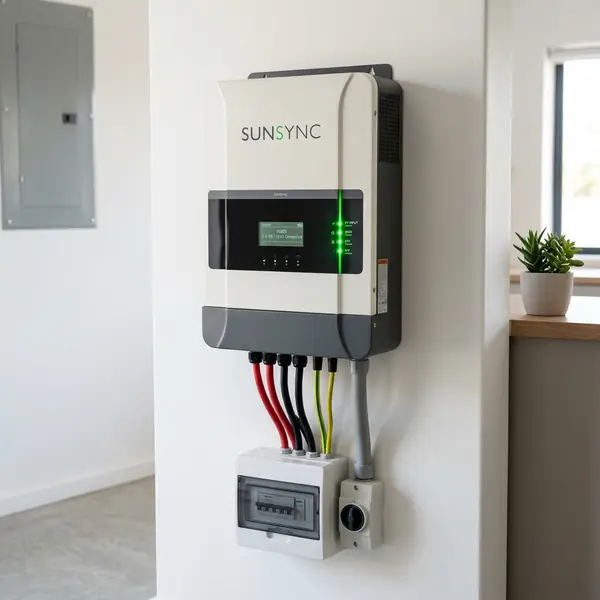
To understand the differences and similarities between Fronius and SMA inverters, it is key to examine their technology and operational methods. Both manufacturers utilize advanced technologies to enhance the efficiency and reliability of their solar inverters.
Fronius Inverters
Fronius has gained recognition for its innovative approach to solar inverter technology. Their inverters are equipped with a range of features designed to maximize energy production and simplify user experience. The core technology employed in Fronius inverters is the 'SuperFlex Design' which allows for flexible configuration and optimal energy yield.
Fronius inverters utilize a transformerless design, which reduces weight and size, making them easier to install. These inverters also feature integrated Wi-Fi connectivity for real-time monitoring through the Fronius Solar.web platform. Users can access performance data, system status, and even receive alerts on their mobile devices.
This user-friendly interface is a significant advantage for homeowners who want to actively engage with their solar energy system.
Additionally, Fronius inverters are equipped with advanced MPPT (Maximum Power Point Tracking) technology. This ensures that the inverter consistently operates at its maximum efficiency by adjusting to changing sunlight conditions throughout the day. The multiple MPPTs available in many Fronius models allow for optimization of energy harvesting from different strings of solar panels, enhancing overall performance.
SMA Inverters
SMA, on the other hand, is recognized for its robust and durable inverter solutions. The company employs a modular design in many of its inverter models, allowing for easy scalability and maintenance. SMA inverters are also transformerless, which contributes to their compact size and lightweight characteristics.
One of the standout features of SMA inverters is their high level of reliability, even in harsh environmental conditions. Many SMA models are designed to operate effectively in extreme temperatures, making them suitable for a wide range of geographical locations.
The SMA Sunny Portal is another significant feature, providing users with a comprehensive monitoring platform. This portal allows users to track energy production, performance data, and system health, similar to Fronius Solar.web. However, SMA's monitoring system is often lauded for its extensive analytical capabilities, making it particularly appealing for commercial installations where detailed performance metrics are important.
Technical Comparison and Specifications
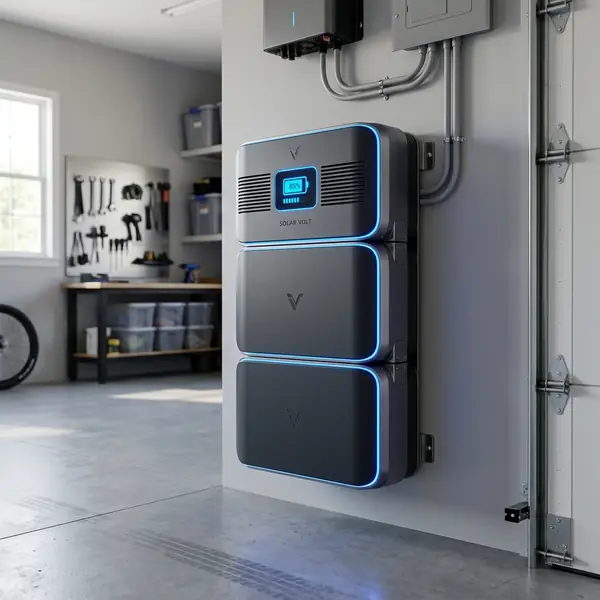
Understanding the technical specifications of Fronius and SMA inverters is key to making an informed decision. Below is a comparative table showcasing various technical aspects of selected models from both manufacturers.
| Feature | Fronius Primo 6.0-1 | SMA Sunny Boy 6.0 |
|---|---|---|
| Type | Transformerless | Transformerless |
| Rated Output Power | 6.0 kW | 6.0 kW |
| MPPT | 2 | 1 |
| Input Voltage Range | 100 - 600 V | 80 - 600 V |
| Efficiency | 97.5% | 97.0% |
| Weight | 28 kg | 25 kg |
| Dimensions | 750 x 440 x 132 mm | 750 x 450 x 180 mm |
| Wi-Fi Connectivity | Yes (integrated) | Optional |
| Operating Temperature Range | -25°C to +60°C | -40°C to +60°C |
As seen in the table, both Fronius and SMA offer transformerless designs with similar rated output power. However, Fronius provides two MPPTs, which allows for better energy optimization across different panel orientations. SMA's single MPPT might limit flexibility in certain installation scenarios.
In terms of efficiency, Fronius slightly edges out SMA, offering a maximum efficiency of 97.5% compared to SMA’s 97.0%. However, SMA's operating temperature range extends to -40°C, making it more suitable for extreme climatic conditions.
Advantages and Disadvantages
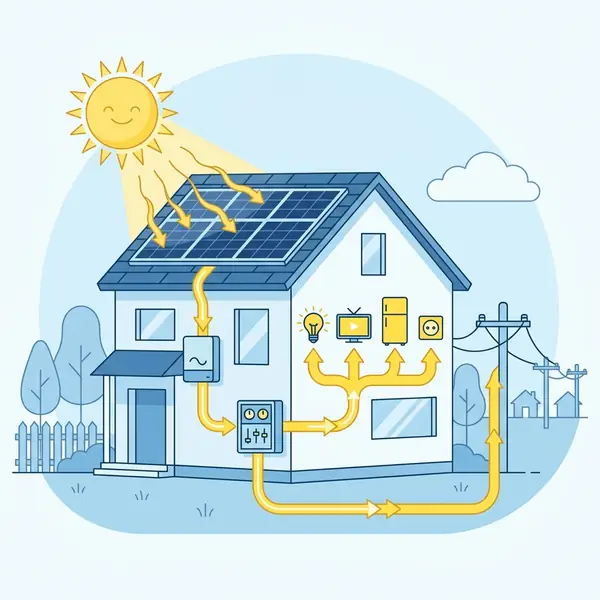
When evaluating Fronius and SMA inverters, it's important to consider their respective advantages and disadvantages. Each brand has unique features that can cater to different user needs.
Fronius Advantages
Fronius inverters are known for their user-friendly interfaces and monitoring capabilities. The integrated Wi-Fi functionality allows users to access real-time data effortlessly. This is particularly beneficial for residential users who prefer to keep track of their system’s performance without the need for additional devices.
Another advantage is the dual MPPTs, which enable better performance in installations where solar panels are oriented in different directions. This flexibility can lead to improved energy yield throughout the day.
Fronius Disadvantages
Despite its many advantages, Fronius inverters can be relatively expensive compared to some other brands. Additionally, while they perform well in various conditions, they may not be as robust as SMA models in extreme environments.
SMA Advantages
SMA inverters are renowned for their durability and reliability. Their ability to function in extreme temperatures makes them suitable for a wide range of installations, especially in regions with harsh climatic conditions. Furthermore, SMA’s monitoring platform provides extensive analytics, which can be particularly useful for commercial users.
The modular design of SMA inverters also allows for easy scalability. This means that as energy needs grow, users can add additional units without significant modifications to the existing setup.
SMA Disadvantages
One of the drawbacks of SMA inverters is their single MPPT design in many models, which can limit energy optimization in systems with multiple panel orientations. Additionally, the initial setup and configuration of SMA inverters may be more complex, requiring a higher level of technical knowledge.
DomineTec Tip: Always consider the specific environmental conditions and system requirements when choosing between Fronius and SMA inverters. The right choice can significantly impact your solar system's efficiency and reliability.
Installation, Regulation and Costs
Installation of solar inverters involves several technical considerations and regulatory requirements. Both Fronius and SMA offer comprehensive installation guidelines aimed at ensuring optimal performance and safety. The actual installation process may vary depending on local regulations and the specific features of the inverter model chosen.
Fronius and SMA inverters are typically installed by certified professionals to ensure compliance with safety standards and local electrical codes. It is important to consult local regulations regarding grid connection, as these can influence inverter selection and installation practices.
In terms of costs, both Fronius and SMA inverters fall within the premium price range. The initial investment for either brand can be justified through long-term savings on electricity bills and potential government incentives for renewable energy systems. It's also important to consider the total cost of ownership, which includes installation, maintenance, and potential upgrades over the lifespan of the inverter.
For those interested in integrating additional technologies, it's worth exploring options such as battery storage systems or solar water heaters. For more information on the viability of solar water heaters, check out our article on is solar water heater worth it.
Conclusion: Is it worth the investment?
Choosing between Fronius and SMA inverters ultimately depends on individual needs and preferences. Both brands offer high-quality products with distinct advantages.
Fronius inverters may be the best fit for users who prioritize user-friendly monitoring and optimal energy optimization. Their advanced features and superior efficiency make them an attractive option for residential installations.
Conversely, SMA inverters excel in durability and reliability, making them suitable for users in extreme conditions or those requiring detailed performance analytics for larger systems.
In terms of investment, both brands provide excellent return potential through energy savings and system reliability. Evaluating specific system requirements, environmental conditions, and personal preferences will help determine the best choice for your solar energy needs.
Case Studies: Real-World Applications of Fronius and SMA Inverters
Case studies provide valuable insights into the performance of Fronius and SMA inverters in diverse applications. Both brands have established a strong presence in the solar market, but their suitability can vary based on specific project requirements. Here, we delve into notable installations that highlight the strengths and weaknesses of each inverter.
Fronius Case Study: Residential Solar in California
A residential installation in California utilized a Fronius Primo inverter to optimize energy production in a high-sunlight region. The homeowner opted for a 10 kW system, paired with a 10 kW Fronius Primo, which features a high efficiency rating of up to 97.5%. The decision was based on Fronius's reputation for reliability and superior monitoring capabilities.
Throughout the year, the system consistently exceeded performance expectations, with an annual energy yield of approximately 15,000 kWh. The built-in Wi-Fi monitoring allowed the homeowner to track real-time performance and identify any potential issues promptly, ultimately reducing downtime.
SMA Case Study: Large-Scale Commercial Installation in Germany
In a large-scale commercial solar installation in Germany, an SMA Sunny Tripower inverter was deployed to manage a 1 MW solar array. This project aimed to reduce operational costs and carbon footprint for a manufacturing facility. The choice of the Sunny Tripower was driven by its ability to handle higher power outputs and its advanced safety features.
The installation resulted in an annual energy generation of over 1.2 million kWh, significantly lowering the facility's reliance on grid electricity. The SMA inverter's integrated ShadeFix technology helped optimize performance even in partially shaded conditions, demonstrating its efficacy in real-world scenarios.
Step-by-Step Sizing Guide for Fronius and SMA Inverters
Proper sizing of solar inverters is key for maximizing energy production and ensuring system longevity. This step-by-step guide outlines the important considerations for sizing Fronius and SMA inverters based on system requirements and environmental factors.
Step 1: Assess Energy Needs
The first step in sizing an inverter is to analyze the energy consumption patterns of the property. Review utility bills to determine average monthly energy usage in kilowatt-hours (kWh). This data will guide the overall system size, which includes both the solar panels and inverter capacity.
Step 2: Determine System Size
Based on the energy needs, calculate the required system size. A general rule is to install a solar array that can produce 1.25 to 1.5 times the total energy consumption to account for system losses. For instance, if a home uses 800 kWh monthly, a 10 kW solar system would be a suitable target.
Step 3: Choose the Inverter Type
Decide between string inverters and microinverters. Fronius primarily offers string inverters like the Primo and Symo, while SMA provides both string and central inverters. Consider factors such as shading, roof orientation, and available space to select the best inverter type for the project.
Step 4: Consider Inverter Capacity
Inverters are typically rated in kW. When sizing, ensure that the inverter capacity matches or slightly exceeds the solar array capacity. For example, if the solar array is 10 kW, using a 10 kW Fronius Primo or SMA Sunny Tripower would be appropriate.
It's important to avoid undersizing, as this can lead to clipping during peak production times.
Step 5: Factor in Environmental Conditions
Environmental conditions such as temperature and altitude can impact inverter performance. Both Fronius and SMA provide derating curves to help determine how environmental factors affect efficiency. Ensure that the selected inverter can operate effectively under local climate conditions.
Step 6: Review Installation Requirements
Lastly, consider the installation requirements and available space. Both Fronius and SMA offer user-friendly installation features, but it's key to evaluate mounting options, electrical connections, and space for maintenance. The inverter's weight, dimensions, and cooling requirements should also be factored into the overall design.
By following this step-by-step guide, installers can ensure optimal inverter selection for Fronius and SMA systems, leading to improved energy yield and customer satisfaction.
Case Studies: Real-World Performance of Fronius and SMA Inverters
Understanding the practical application of solar inverters can significantly influence decision-making for both residential and commercial installations. This section presents detailed case studies that showcase the performance of Fronius and SMA inverters in actual deployment scenarios.
Case Study 1: Residential Installation with Fronius Primo
A family in California decided to install a solar power system to reduce their energy bills and increase their home's sustainability. They opted for the Fronius Primo 8.2-1 inverter, which is designed for small to medium-sized residential applications. The installation included 24 solar panels with a total capacity of 6 kW.
After one year of operation, the system recorded an impressive annual energy production of 8,900 kWh. The Fronius inverter's integrated monitoring system allowed the homeowners to track energy generation in real time, ensuring optimal performance. Additionally, the inverter's excellent efficiency rating of 97.5% contributed to a significant reduction in their electricity costs, leading to a return on investment (ROI) within six years.
Case Study 2: Commercial Installation with SMA Sunny Tripower
A mid-sized manufacturing facility in Texas implemented a larger solar energy solution using the SMA Sunny Tripower 100 inverter. The system comprised 300 solar panels, resulting in an overall capacity of 90 kW. This project was particularly focused on reducing operational costs and enhancing the company's green credentials.
Over two years, the system produced approximately 160,000 kWh, exceeding initial projections due to the inverter’s smart grid capabilities and high efficiency under varying weather conditions. The facility's energy savings were further amplified by the implementation of peak shaving strategies, allowing it to avoid high demand charges during peak usage periods. Overall, the installation led to a 30% reduction in energy costs and provided a payback period of just four years.
For home thermal solutions, discover whether a residential is solar water heater worth it for your configuration.
For research and standardized metrics on global solar cell efficiencies, consult the database of the National Renewable Energy Laboratory (NREL).
Advanced Sizing Guides: Ensuring Optimal Performance
Properly sizing a solar inverter is key for maximizing energy production and achieving the best return on investment. This section outlines a step-by-step guide to help determine the appropriate inverter size for both residential and commercial applications.
Step 1: Assess Energy Needs
The first step in sizing an inverter is to evaluate the specific energy requirements of the household or business. Review past utility bills to determine the average monthly energy consumption in kilowatt-hours (kWh). For residential applications, consider seasonal variations that may influence energy usage, such as increased heating or cooling demands.
Step 2: Calculate Solar Panel Capacity
Next, determine the total capacity of the solar panels to be installed. Multiply the number of panels by their individual wattage ratings to find the total system capacity in watts. For example, if you plan to install 20 panels rated at 300 watts each, the total capacity will be 6,000 watts or 6 kW.
Step 3: Apply Size Adjustment Factors
Inverter sizing often requires the application of size adjustment factors to account for inefficiencies and system losses. Generally, it is advisable to size the inverter at 70-80% of the total panel capacity to ensure optimal performance under varying conditions. For a 6 kW solar array, an inverter size of about 4.2 kW to 4.8 kW would be appropriate.
Step 4: Consider Future Expansion
When sizing an inverter, it's wise to account for potential future expansions. If there are plans to add more solar panels down the line, choose a slightly larger inverter. This flexibility can save on future costs and ensure that your system can adapt to changing energy needs.
Step 5: Consult Manufacturer Specifications
Finally, consult the manufacturer’s specifications for both Fronius and SMA inverters. Each model has unique characteristics, including maximum input voltage, current capacity, and efficiency ratings. Ensure that the chosen inverter aligns with both the solar array's output and the energy requirements identified in earlier steps.
Hidden Cost Analysis: Beyond Initial Investment
When evaluating Fronius and SMA inverters, it’s important to consider hidden costs that can affect the overall investment. This analysis goes beyond the initial purchase price to ensure a comprehensive understanding of total ownership costs.
Installation Costs
While the inverter itself may be competitively priced, installation costs can vary significantly based on system complexity, local labor rates, and permitting fees. For example, a straightforward residential installation may cost around $1,000 to $2,000, whereas a more complex commercial setup could exceed $10,000. It's key to obtain multiple quotes and factor these costs into the total investment calculation.
Maintenance and Monitoring Costs
Regular maintenance is important for optimal inverter performance and longevity. Both Fronius and SMA provide monitoring solutions, but additional costs may arise from periodic inspections or servicing. Homeowners and businesses should budget for maintenance, which can range from $100 to $500 annually, depending on system size and local service rates.
Replacement and Warranty Considerations
Inverters typically have a lifespan of 5 to 15 years, depending on the model and environmental conditions. It’s important to consider replacement costs when planning for the longevity of the solar system. Both Fronius and SMA offer warranties, but understanding the terms and potential out-of-pocket expenses after warranty expiration is vital for long-term financial planning.
Advanced Maintenance Workflows
Implementing an advanced maintenance workflow can extend the lifespan of solar inverters and optimize their performance. This section outlines a systematic approach to maintenance for both Fronius and SMA systems.
Regular Monitoring
Using the integrated monitoring systems provided by both manufacturers, maintain a routine of checking performance metrics weekly. Look for signs of underperformance, such as a significant drop in energy output compared to historical data. Quick identification of issues can prevent more significant problems down the line.
Scheduled Inspections
Establish a schedule for physical inspections of the inverter and associated components. This should include checking for signs of wear, corrosion, or physical damage. Inspections can be conducted semi-annually, with a more thorough review annually to include electrical connections and wiring integrity.
Software Updates
Both Fronius and SMA regularly release software updates that can enhance inverter performance and security. Ensure that these updates are installed promptly to take advantage of the latest features and improvements. Regularly check the manufacturer's website for updates and installation instructions.
Emergency Protocols
Develop an emergency response protocol to address potential failures. This includes identifying local service providers, having a backup power plan, and maintaining a clear line of communication with the inverter manufacturer’s support team. Being prepared can minimize downtime and financial losses in the event of an inverter failure.
By following these advanced maintenance workflows, solar system owners can ensure that their Fronius or SMA inverters continue to operate at peak efficiency, maximizing their return on investment and supporting long-term sustainability goals.
Frequently Asked Questions
What is the average payback period for home solar?
The average payback period in the US ranges between 5 and 9 years, depending on state incentives and utility rates.
Do solar panels generate electricity without direct sunlight?
Yes, they produce power on cloudy days but at a reduced capacity of 10% to 25%. They do not generate electricity at night.
How much maintenance do home solar panels require?
Maintenance is minimal, typically involving cleaning the panels twice a year and performing a system health check.
Do I need battery storage for my solar energy system?
It is not required for grid-tied systems, but batteries are vital for off-grid operations or backup power during grid blackouts.
Can I completely eliminate my monthly electricity bill?
You cannot reach absolute zero because most utilities charge a basic monthly grid connection fee regardless of production.




