Firewall Rules to Isolate VLANs and Block Local Access on UniFi
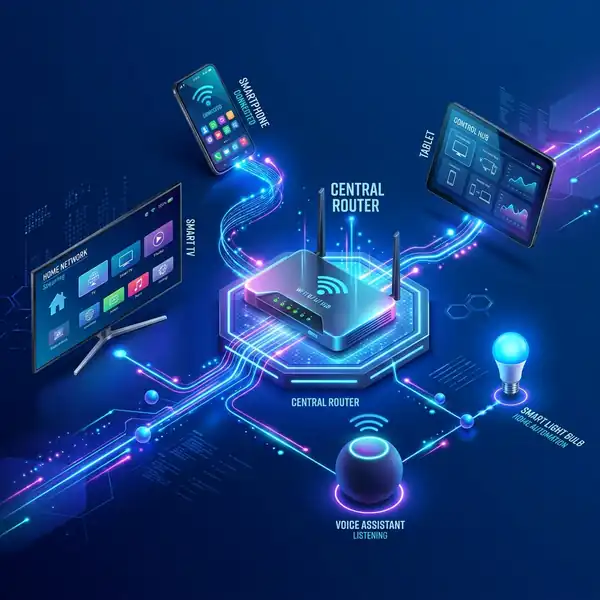
Implementing firewall rules for VLAN isolation and blocking local access on UniFi improves network security and segmentation.
Understanding VLAN Isolation
VLAN isolation prevents broadcast traffic from crossing between VLANs, ensuring that devices in different VLANs cannot communicate directly. This is essential for maintaining security in environments with sensitive data, such as corporate networks and guest access.
Configuring Firewall Rules in UniFi
UniFi offers a user-friendly interface to set up VLANs and firewall rules, accessible through the UniFi Controller. To create a new firewall rule, navigate to the "Settings" tab, select "Firewall," then "Rules" to configure the desired parameters.
CLI Commands for UniFi Configuration
Using SSH can facilitate advanced configurations; commands such as `set firewall name VLAN_ISOLATION rule 10 action drop` can be executed. To apply rules to the VLAN interface, the command `set interfaces switch switch0 vlan-aware enable` should be utilized.
Comparative Overview of Firewall Specifications
| Specification | UniFi Security Gateway | RouterOS |
|---|---|---|
| Max VLANs Supported | 50 | 4096 |
| Firewall Rule Capacity | 1000 Rules | 2000 Rules |
| Traffic Filtering Options | Layer 3 and 4 | Layer 2, 3, and 4 |
Step-by-Step Setup Instructions
- Access the UniFi Controller and navigate to "Settings."
- Select "Networks" and create new VLANs with unique IDs.
- Go to "Firewall" settings and create rules for VLAN isolation.
- For each VLAN, set rules to drop traffic from one VLAN to another.
- Apply changes and test the configuration for proper isolation.

DomineTec Tip: Always back up configurations before making significant changes to avoid potential outages.
Advanced VLAN Configuration Strategies
Utilizing advanced VLAN configuration strategies enables more granular control over network segmentation. Techniques such as Private VLANs (PVLANs) can provide additional isolation within a VLAN, which is essential for environments with sensitive data.
Implementing PVLANs allows for different port types, including community and isolated ports, enhancing security without sacrificing functionality. This approach can be particularly useful in multi-tenant environments where tenants must not access each other's data.
Dynamic VLAN assignment through 802.1X authentication allows devices to be automatically assigned to specific VLANs based on their credentials, streamlining management and enhancing security.
Consider the integration of VLAN tagging standards, such as IEEE 802.1Q, which ensures consistent communication across diverse network devices. Proper tagging is crucial for maintaining isolation and preventing unauthorized access.
Monitoring and Logging Firewall Activity
Monitoring and logging firewall activity is essential for maintaining network security and compliance. By enabling logging features on UniFi firewalls, administrators can capture detailed information about traffic patterns and potential threats.
Logs can be analyzed to identify unusual access attempts or traffic spikes that may indicate security breaches. Utilizing tools such as the UniFi Network Controller allows for real-time monitoring of firewall logs, making it easier to respond to incidents promptly.
Implementing centralized logging solutions can aggregate logs from multiple devices, creating a comprehensive overview of security events across the entire network. This approach enhances visibility and simplifies forensic analysis in case of incidents.
Regularly reviewing logs and setting alerts for specific events helps in proactive threat management. This practice is critical in identifying trends and adjusting firewall rules accordingly to enhance network security.
Integrating VPN Solutions with VLANs
Integrating VPN solutions with VLANs adds a layer of security for remote access to sensitive networks. By configuring VPNs, organizations can ensure that remote users connect securely to their VLANs without exposing the entire network.
Site-to-site VPNs can connect different branch offices over the internet while maintaining VLAN isolation. This setup allows for secure communication between different locations without compromising local network security.
For remote users, client-to-site VPNs provide secure access to specific VLANs while enforcing firewall rules that restrict access to sensitive resources. This ensures that only authenticated users can access critical data.
Implementing split tunneling can optimize bandwidth usage by allowing users to access local internet resources while still connecting securely to the VLAN. This balance enhances user experience without compromising security.
Best Practices for Firewall Rule Management
Effective management of firewall rules is crucial for maintaining strong network security. Regularly reviewing and updating firewall rules can help to adapt to new threats and changes in the network environment.
Establishing a naming convention for rules simplifies management and enhances clarity. Clear naming allows for quicker identification of rules, making it easier to assess their impact on network traffic.
Implementing a staging environment for testing new firewall rules before deployment minimizes the risk of disrupting network operations and allows for adjustments based on real-world performance.
Documenting all firewall rules and their purposes can facilitate better communication among team members. Comprehensive documentation also aids in compliance audits and security assessments.
Utilizing VLANs for Guest Network Management
Creating a dedicated VLAN for guest networks enhances security while providing internet access to visitors. This approach isolates guest traffic from internal networks, reducing the risk of unauthorized access to sensitive resources.
Configuring firewall rules specifically for guest VLANs can restrict access to only necessary services, such as internet browsing. This ensures that guests cannot interact with internal devices or data.
Implementing bandwidth limitations on guest VLANs can help manage network performance. Prioritizing bandwidth for internal users while ensuring adequate speed for guests creates a balanced user experience.
Regularly reviewing guest access policies and network performance metrics is essential. This practice helps to identify any potential security vulnerabilities or performance bottlenecks in the guest network.
Understanding NAT and Its Impact on VLAN Security
Network Address Translation (NAT) plays a critical role in enhancing VLAN security by obscuring internal IP addresses from external entities. NAT helps in preventing direct attacks on internal devices by translating private IP addresses to a public address.
When configuring NAT in conjunction with firewall rules, ensure that proper policies are in place to control traffic between VLANs. This configuration can prevent unauthorized communication and protect sensitive data.
Understanding the limitations of NAT is important, as it may introduce complexities in terms of traffic flow. Ensuring that firewall rules are optimized for NAT scenarios is crucial for maintaining network efficiency.
Regularly auditing NAT configurations and their interactions with firewall rules can help identify potential vulnerabilities. This practice ensures that any changes in network topology are accounted for in the security posture.
Leveraging SDN for Enhanced VLAN Management
Software-Defined Networking (SDN) provides a modern approach to managing VLANs, allowing for centralized control over network resources. This technology enables network administrators to configure, manage, and optimize VLANs with greater agility.
With SDN, VLAN provisioning can be automated based on specific policies, reducing manual configuration errors and enhancing security. This automation ensures that VLANs are consistently applied across the network.
Moreover, SDN facilitates dynamic network adjustments based on traffic patterns and security needs. This capability allows for real-time reconfiguration of VLANs and firewall rules to respond to emerging threats.
Implementing SDN requires careful planning, including evaluating the integration of existing infrastructure and ensuring compatibility with current security protocols. A well-architected SDN solution can significantly enhance VLAN management and overall network security.
Implementing Quality of Service (QoS) for VLAN Traffic
Quality of Service (QoS) is essential for managing bandwidth and ensuring optimal performance for different VLANs. By prioritizing traffic, organizations can enhance the user experience and maintain service quality.
In UniFi, QoS settings can be configured at both the switch and access point levels. This allows administrators to assign priority levels to specific VLANs based on their application needs, such as VoIP or video conferencing.
To implement QoS, navigate to the settings of your UniFi controller and select the relevant VLAN. Assign the desired priority level and adjust bandwidth limits as necessary. This ensures that critical applications receive the necessary resources without interference.
Monitoring the impact of QoS settings on VLAN performance is crucial. Use UniFi's reporting tools to analyze traffic patterns and make adjustments as needed to maintain optimal performance.
Enhancing Security with Intrusion Detection Systems (IDS)
Implementing an Intrusion Detection System (IDS) provides an additional layer of security for VLANs. An IDS monitors network traffic for suspicious activities and alerts administrators about potential threats.
In the context of UniFi, you can integrate third-party IDS solutions to enhance your network's security posture. These systems can analyze traffic patterns and detect anomalies that may indicate a breach or attack.
Configuration typically involves setting up the IDS to monitor specific VLAN segments and defining rules for alerting. Regular updates to the IDS rules are necessary to protect against emerging threats.
Regularly reviewing IDS logs can provide insights into potential vulnerabilities within VLAN configurations. This analysis aids in proactive measures to fortify the security of network segments.
Utilizing RADIUS for VLAN Authentication
RADIUS (Remote Authentication Dial-In User Service) is a protocol widely used for authenticating users before granting access to VLANs. Implementing RADIUS enhances security by centralizing user management and access control.
In a UniFi environment, configuring RADIUS involves setting up a RADIUS server and integrating it with your UniFi controller. This requires specifying the server IP address, shared secret, and authentication ports.
Once configured, users attempting to access a VLAN will be authenticated through the RADIUS server, ensuring only authorized individuals gain access. This method significantly reduces the risk of unauthorized access.
Periodic reviews of RADIUS logs and user access patterns are essential for maintaining security. This practice helps identify any unusual access attempts, allowing administrators to take corrective actions promptly.
Regularly Updating Firmware for Security Enhancements
Keeping firmware up to date is a crucial aspect of maintaining VLAN security. Manufacturers often release updates to address vulnerabilities and improve performance, making regular updates imperative.
In the UniFi ecosystem, firmware updates can be managed through the UniFi controller interface. Administrators should regularly check for updates and apply them to switches, access points, and other network devices.
Scheduling regular maintenance windows for firmware updates minimizes disruptions in service. Ensure that all connected devices are compatible with the new firmware versions before proceeding with updates.
Post-update, it is vital to monitor the network for any anomalies. This proactive approach helps ensure that the updates have not adversely affected the VLAN configurations or overall network performance.
Implementing Inter-VLAN Routing with Access Control Lists
Inter-VLAN routing allows communication between different VLANs while maintaining security through Access Control Lists (ACLs). By defining specific rules within the ACLs, administrators can control which VLANs are permitted to communicate with each other, ensuring that traffic remains segmented according to organizational policies.
To implement inter-VLAN routing, first enable routing on your UniFi switch. After enabling routing, configure the VLAN interfaces and assign IP addresses corresponding to each VLAN. This step is crucial as it provides the necessary gateway for devices in different VLANs to communicate.
Next, create ACLs that specify allowed and denied traffic between VLANs. For example, if VLAN 10 should communicate with VLAN 20 but not with VLAN 30, the ACL will facilitate this by allowing traffic from VLAN 10 to VLAN 20 while blocking any traffic to VLAN 30. This level of granularity reinforces security by minimizing unnecessary access.
Finally, apply these ACLs to the VLAN interfaces. Regularly review and update these rules to adapt to changing network requirements or security threats. Effective management of ACLs is essential for maintaining a secure and efficient network environment.
Utilizing Zone-Based Firewall Configurations
Zone-based firewalls enhance security by grouping interfaces into zones, allowing for more straightforward management of traffic policies. In a UniFi environment, zones can be created for different VLANs or types of traffic, enabling granular control over communications between disparate network segments.
To set up zone-based configurations, define each zone corresponding to a VLAN or a group of VLANs. Assign interfaces to these zones and establish rules that dictate how traffic is allowed to move between them. For instance, a zone containing sensitive data VLANs can have stricter rules compared to a zone for guest VLANs.
Rules can be specified to control both inbound and outbound traffic for each zone. By implementing a default deny policy, only explicitly allowed traffic will be permitted, significantly reducing the attack surface. This approach complements existing firewall rules by adding an additional layer of security.
Monitoring the interactions between zones is critical. Utilize logging features to track traffic patterns and potential breaches. Regular audits of these rules and zones should be conducted to ensure they align with evolving security policies and organizational needs.
Utilizing Layer 7 Firewall Rules for Application Control
Layer 7 firewall rules (application-layer rules) provide granular control over traffic based on the application type rather than just IP addresses or ports. This is particularly useful in environments where different VLANs serve distinct applications, allowing administrators to define rules that can permit or block traffic based on specific applications, regardless of the underlying port or protocol.
In UniFi, implementing Layer 7 rules involves configuring traffic identification settings and utilizing application signatures. This ensures that the firewall can recognize and act upon traffic generated by applications such as video streaming, VoIP, or peer-to-peer protocols, thereby enhancing the overall network security posture.
To set up Layer 7 rules, navigate to the firewall rule section in the UniFi controller, and create a new rule. Specify the action (allow or deny), select the application type from the predefined list, and associate it with the appropriate VLAN. This level of specificity helps in preventing unauthorized applications from using network resources, which is crucial in high-security environments.
Regularly review and update these rules to adapt to new application signatures and emerging threats. Maintaining up-to-date Layer 7 rules not only helps in monitoring the application usage but also ensures compliance with organizational policies regarding acceptable use of network resources.
Implementing VLAN-Based Access Control Policies
VLAN-based access control policies provide a strategic approach to managing user and device access across different segments of a network. By leveraging VLANs, organizations can isolate sensitive data and resources, ensuring that only authorized users and devices can access them.
In a UniFi environment, this involves creating distinct VLANs for different user groups and configuring firewall rules accordingly. For example, a VLAN dedicated to finance may require stricter access controls compared to a VLAN for guest users. This segmentation allows for tailored security measures that can adapt to the varying sensitivity of the data processed within each VLAN.
To implement VLAN-based access control, define user roles within the UniFi controller and associate these roles with specific VLANs. This can include restrictions on accessing certain applications, file shares, or even the internet. The firewall rules should reflect these roles, ensuring that traffic from each VLAN adheres to the defined access controls.
Regular audits of these access control policies are essential to ensure that they remain effective against evolving threats. By monitoring access trends and user activity within each VLAN, administrators can adjust policies as needed, maintaining a robust security posture that evolves with the organization’s needs.
Frequently Asked Questions
What is VLAN isolation?
VLAN isolation refers to the practice of preventing direct communication between devices on different VLANs.
How can firewall rules enhance security?
They allow for granular control over which devices can communicate, reducing the risk of unauthorized access.
Can UniFi block inter-VLAN traffic?
Yes, by configuring specific firewall rules, inter-VLAN traffic can be effectively blocked.
What are the benefits of using CLI commands?
CLI commands provide advanced configuration options and can streamline the setup process for experienced users.
How many VLANs can UniFi manage?
UniFi can manage up to 50 VLANs, making it suitable for small to medium-sized networks.