Watching your phone battery die in the middle of the day is a frustrating experience, especially when you rely on your smartphone for work, studies, or communication. If you have ever wondered why your device drains power even when sitting idle, the answer lies in how background applications manage their system resources. If you want to learn how to find apps draining your battery, this comprehensive guide provides step-by-step instructions to audit your Android or iPhone (iOS) device, read energy usage charts, and apply practical solutions to restore long-lasting battery life.
Many applications work silently in the background, downloading media updates, monitoring your GPS location, or displaying push notifications that constantly light up the screen. Before we look at settings and system menus, review the comparison table below to identify which app categories typically consume the most battery power on modern devices:
| Application Category | Power Drain Mechanism | Battery Impact Level | Common Examples |
|---|---|---|---|
| Social Media & Video | Video pre-rendering, hardware-accelerated graphics rendering, and constant feed updates. | Very High | Instagram, TikTok, YouTube, Facebook |
| Navigation & Transit | Continuous real-time GPS queries, downloading maps data, and constant screen rendering. | Very High | Google Maps, Waze, Uber |
| High-End Gaming (3D) | Maximum graphics processor (GPU) load, high screen refresh rates, and thermal output. | High | Genshin Impact, Free Fire, Roblox |
| Instant Messengers | Permanent server connections (Keep-Alive), media background transfers, and push notifications. | Medium | WhatsApp, Telegram, Discord |
| Delivery & Weather Apps | Frequent background location checks for proximity delivery tracking or weather alerts. | Medium | iFood, Uber Eats, Weather Channel |
How to Find Apps Draining Your Battery on Android
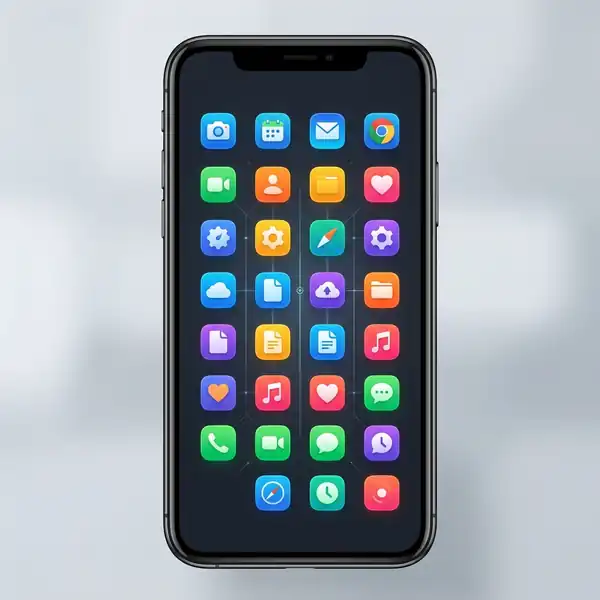
The Android operating system offers a very detailed built-in battery tool to inspect the power consumption of third-party applications and hardware components. The exact path may vary slightly depending on your manufacturer's interface (Samsung One UI, Motorola MyUX, Xiaomi HyperOS, etc.), but the core logic is identical.
To access the battery usage report on standard Android devices, follow these steps:
- Open the Settings app on your smartphone.
- Scroll down the list and select Battery.
- Tap on Battery Usage (or touch the usage chart depending on your custom Android skin).
- You will see a list of installed applications sorted in descending order by the percentage of battery consumed since the last full charge.
When analyzing this list, look for unusual patterns: applications you used for only 5 minutes showing a 15% or 20% battery consumption. This indicates that the app is experiencing runtime issues, such as processing loops or excessive background synchronization.
How to Find Apps Draining Your Battery on iPhone (iOS)
Apple includes an intuitive power management panel in iOS that allows you to inspect app activity over the last 24 hours or check consolidated statistics for the past 10 days. This historical view is ideal for detecting long-term battery drainage patterns.
To audit applications on your iPhone, follow these steps:
- Open the Settings app on your iOS device.
- Scroll down and tap on Battery.
- Wait a few seconds for the operating system to load the charge level and usage graphs.
- Scroll down to access the application list.
- Tap anywhere on the list to toggle the display between "Show Battery Usage" (percentage of power consumption) and "Show Activity" (active screen time vs. background execution time).
Pay close attention to the "Background" indicator. If an app you rarely open shows several hours of background activity, it is running processes and using internet bandwidth silently. Social networks and poorly configured email clients are frequent culprits of this behavior.
Practical Settings to Stop Power-Hungry Apps
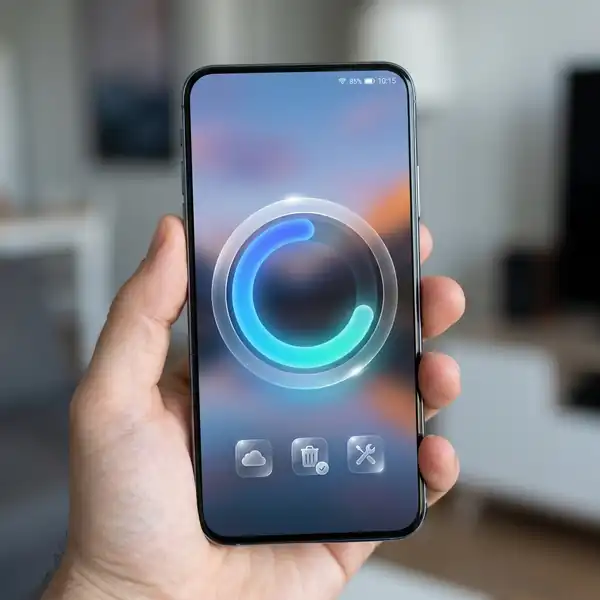
Now that you know how to find apps draining your battery and have identified the culprits, you should implement settings adjustments to limit their activity and protect your device's charge. Here are the three most effective ways to manage background activity without uninstalling the apps:
1. Restricting Background Activity
On Android, go to *Settings > Apps*, select the problematic application, tap *Battery*, and change the battery profile from "Optimized" to **Restricted**. This prevents the app from running processes when closed.
On iPhone, go to *Settings > General > Background App Refresh* and disable the setting globally or toggle it off individually for applications that do not require constant updates, like games and social feeds.
2. Restricting GPS Location Permissions
The device's physical GPS chip consumes significant power. Shopping, delivery, or transit apps often request location updates even when closed. Go to your system's privacy settings and change location permissions to **"Only while using the app"**. Avoid selecting "Always allow" for non-essential applications.
3. Reducing Push Notifications
Every time your phone receives an alert, it wakes up the screen for a few seconds and activates the CPU. E-commerce platforms and games send promotional push alerts throughout the day. Go to your system notification settings and disable alerts for these applications to save CPU cycles and keep your screen off.
DomineTec Tip: Modern mobile devices feature built-in **Adaptive Battery** tools that use local artificial intelligence to study your routine. The system automatically places apps you rarely open into a deep hibernation state, drastically reducing standby power consumption.
The Impact of API Sychronization and Cloud Backups
Many modern applications connect to remote servers and external APIs to synchronize settings, user feeds, and data packages in real time. Backup apps, cloud drives, and instant messaging services make frequent network queries. If your device is located in an area with a poor cellular network signal (3G/4G/5G), the radio modem must work significantly harder to establish connections and transmit packets. This hardware strain can triple your phone's battery usage and generate massive internal thermal output.
To avoid this hidden drain, adjust synchronization options in storage and media apps (such as Google Photos or iCloud). Configure these tools to process automatic backups only when your phone is connected to a stable Wi-Fi network and plugged into a physical power adapter. Restricting background cloud synchronization prevents high power consumption, limits battery wear, and keeps your device cool under heavy daily usage.
How to Optimize Mobile Web Browser Battery Usage
Mobile web browsers are often the most overlooked battery-draining apps on mobile platforms. Complex web portals, active social media web clients, and pages laden with third-party tracking scripts force the CPU to run at peak frequencies to parse JavaScript. Keeping multiple browser tabs active in the background further increases memory (RAM) overhead and background processor usage.
To reduce browser-related power usage, close inactive browser tabs regularly. Enable native power-saving settings in apps like Google Chrome and Microsoft Edge, which automatically freeze background web tabs. Furthermore, browse using safe, secure connections to prevent unnecessary scripts from loading, which helps reduce CPU workload and thermal throttling.
Managing Display Resolution and Refresh Rates
Modern screens are packed with advanced technologies that demand high processing power. High resolution options (such as Quad HD+) and dynamic refresh rates (120Hz or 144Hz) require the graphics processing unit (GPU) to render double the amount of frames per second compared to standard displays, which increases battery draw. If you prioritize battery longevity, change your display settings to run at Full HD+ and lock the refresh rate at the standard 60Hz.
This single adjustment is barely noticeable during reading or casual social media scrolling, yet it saves considerable battery juice. Additionally, keep your screen timeout setting restricted to 30 seconds or 1 minute. Leaving your phone display active on the table unnecessarily is a common way to waste power.
The Impact of Live Wallpapers and Active Home Screen Widgets
Another overlooked culprit in battery drainage is home screen widgets. Weather feeds, news aggregators, and stock trackers update themselves frequently in the background, keeping web connections active. Additionally, using live wallpapers keeps your GPU processing frames continuously even when you are just resting on your home screen. Switch to a static wallpaper design and delete unnecessary widgets to keep your standby drain at an absolute minimum.
Myths and Truths About Mobile Battery Conservation
There are several popular charging and battery myths circulating on the internet that lead users to adopt habits that are either ineffective or actually harmful to their device's overall battery life.
The most common myth is that **manually closing all multitasking apps saves battery**. Many users swipe away recent apps constantly. On modern mobile operating systems, this behavior increases battery drain. When you force close an application, the OS removes its cached data from RAM. When you open it again a few minutes later, the CPU has to reload all files from the storage drive, creating power consumption spikes. Manufacturers recommend leaving apps suspended in RAM, allowing the OS to manage memory allocations automatically.
Another myth is that charging your smartphone before it reaches 0% ruins the battery. Modern Lithium-Ion batteries do not suffer from memory effects. It is recommended to keep your device's charge level between **20% and 80%** to avoid high chemical stress at extreme voltage states, extending its overall physical lifespan.
Identifying Physical Battery Wear and Degradation
If you have audited your background apps, restricted GPS access, configured screen brightness, and your battery still drains rapidly under light usage, your device's physical battery may need replacement.
Rechargeable batteries degrade naturally over time and with charge cycle accumulation. On iPhone, check physical status under *Settings > Battery > Battery Health & Charging*. If the Maximum Capacity is **below 80%**, the battery is chemically degraded, and the operating system may limit maximum performance to prevent unexpected shutdowns.
On Android, you can use diagnostics apps like *AccuBattery* or enter factory diagnostic codes in the dialer to read battery health metrics. In these cases of physical wear, the only permanent solution is replacing the battery at a certified repair center.
Conclusion
Knowing how to find apps draining your battery puts you back in control of your phone's daily autonomy. By performing regular audits, setting correct background permissions, and adopting healthy charging habits, you can easily get through the day on a single charge. If your phone is also experiencing sluggish performance, a storage cleanup can help. Check our step-by-step tutorial on how to free up space on your phone without deleting photos to restore speed and responsiveness safely.