Felt vs Leather Desk Pad: Which is Best for Your Desk Setup?

Felt desk pads offer a soft, textured surface, while leather desk pads provide a sleek, durable finish; choosing depends on personal preference.
Materials and Durability
Felt is typically made from synthetic fibers or natural wool, providing a soft touch and moderate durability. Leather, often genuine or synthetic, boasts higher durability and resistance to wear and tear.
Ergonomic Benefits
Felt pads provide cushioning, enhancing comfort during long working hours. Leather pads, while firmer, can promote better wrist positioning and reduce strain.
Performance and Maintenance
Felt absorbs moisture and can require regular cleaning to prevent odors and stains. Leather, on the other hand, is easier to wipe clean but may need conditioning to maintain its luster.
Design and Aesthetics
Felt desk pads often come in various colors and textures, allowing for personalized aesthetics. Leather pads typically exude professionalism with a classic appearance, suitable for formal office environments.
Cost Considerations
Felt desk pads are generally more affordable, priced between $20 to $50. Leather pads range from $50 to over $200, depending on quality and brand.
| Feature | Felt Desk Pad | Leather Desk Pad |
|---|---|---|
| Material | Synthetic fibers or natural wool | Genuine or synthetic leather |
| Durability | Moderate | High |
| Comfort | Soft and cushioned | Firm and supportive |
| Maintenance | Regular cleaning needed | Easy to wipe clean |
| Price Range | $20 - $50 | $50 - $200+ |
DomineTec Tip: Consider using a wrist rest alongside your desk pad to further enhance ergonomic support and reduce fatigue.
- Assess personal workspace needs and preferences.
- Evaluate the desk pad's size based on desk dimensions.
- Consider maintenance requirements and durability.
- Compare aesthetic appeal with overall office design.
- Set a budget that aligns with desired quality.
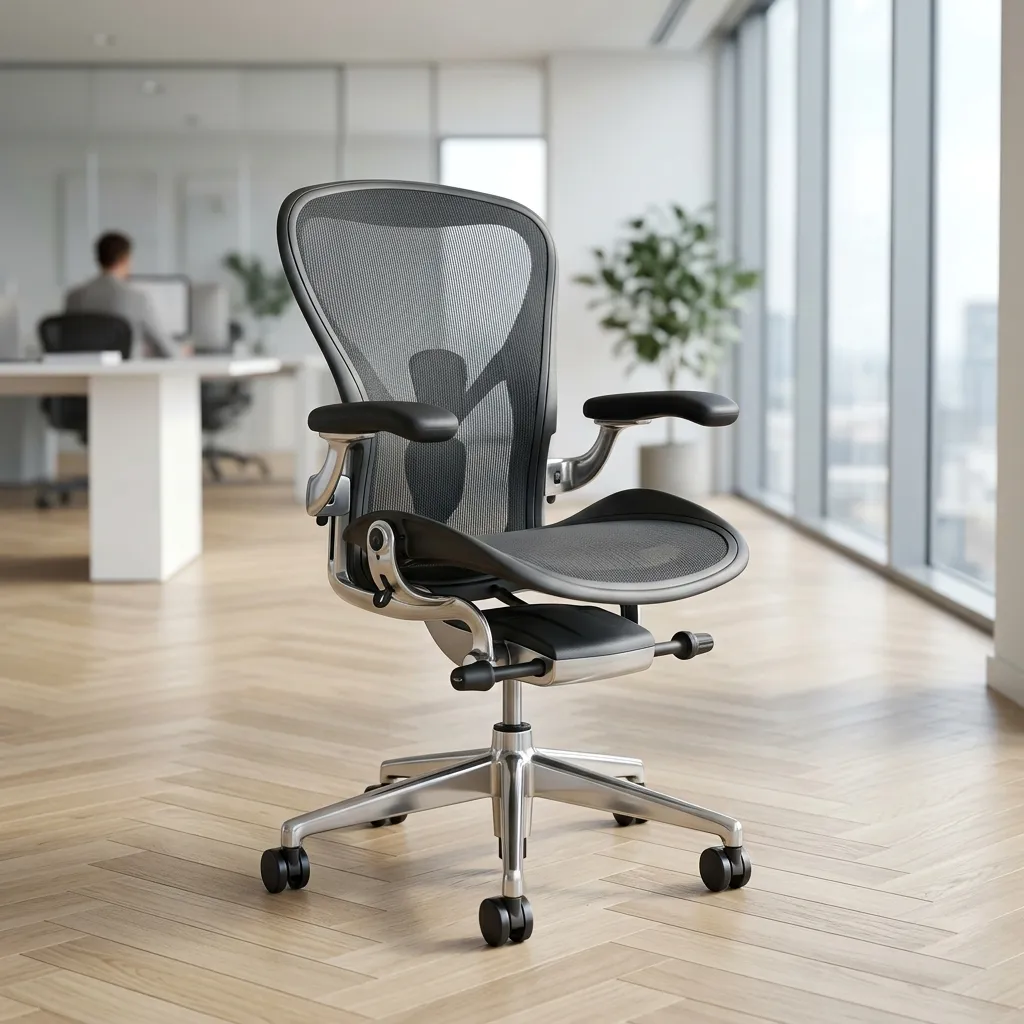
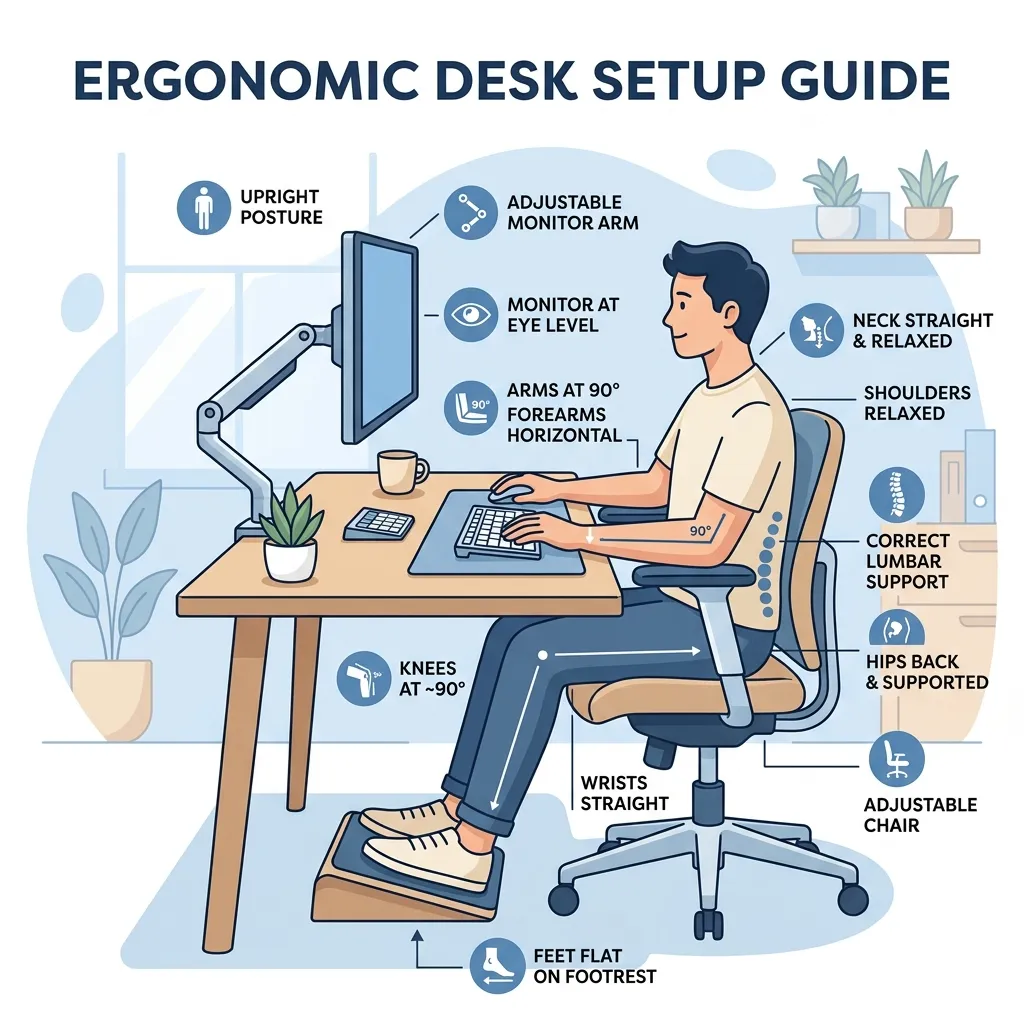
For enhanced typing comfort, choose mechanical keyboard switches that fit ergonomic standards.
Ensure to correct monitor height for optimal posture and productivity.
Environmental Impact
When choosing between felt and leather desk pads, consider the environmental impact of each material. Felt is often made from recycled materials, significantly reducing its ecological footprint.
Traditional leather production typically involves extensive resource use and chemical processing, raising concerns about sustainability. However, some manufacturers offer eco-friendly leather alternatives that utilize less harmful processes.
Consumers looking for sustainable options should research the sourcing of materials. Brands that prioritize ethical production practices can mitigate some environmental concerns.
Heat Resistance and Insulation
Heat resistance is critical for those who frequently use hot items like coffee mugs or laptops. Felt offers moderate heat resistance, protecting the underlying surface from minor heat damage.
Leather can withstand higher temperatures without showing immediate signs of wear, but prolonged exposure may lead to discoloration or cracking.
Felt provides cushioning, which can help insulate against cold surfaces, making it comfortable for extended use. Leather, being denser, offers less insulation but a smooth, stable surface.
Customization Options
Customization options can enhance the functionality and appeal of a desk pad. Felt desk pads are available in various colors and textures, allowing users to choose a design that complements their workspace.
Leather desk pads can also be customized, with options for embossing, stitching, and varied finishes, adding a level of uniqueness and professionalism.
Some manufacturers offer modular felt desk pads that can be combined in different configurations, allowing for a more dynamic workspace layout.
Sound Absorption Properties
Noise levels in a workspace can significantly affect concentration and productivity. Felt desk pads naturally provide sound absorption properties, helping to dampen ambient noise.
Leather offers some sound-dampening qualities but is not as effective as felt. For individuals in shared or open office spaces, opting for a felt pad may contribute to a more peaceful setting.
Allergy Considerations
Allergies can be a significant concern when selecting materials for a workspace. Felt is generally hypoallergenic, making it a safer choice for those sensitive to allergens.
Leather can sometimes contain chemicals from tanning processes that may trigger allergic reactions in sensitive individuals. It's crucial to consider the specific treatment and finish of the leather used in desk pads.
Versatility in Use
The versatility of a desk pad extends beyond its primary function of protecting surfaces. Felt desk pads are lightweight and portable, suitable for various settings, including home offices and co-working spaces.
Leather desk pads tend to be heavier and more structured, offering a more permanent solution for those who prefer a stable workspace.
Impact on Productivity
The impact of a desk pad on productivity can be significant, influencing comfort, organization, and overall work efficiency. A well-chosen desk pad can enhance the user experience by providing a comfortable and designated workspace.
Felt desk pads often offer a softer surface, which can be more forgiving for extended writing or typing sessions. This comfort may contribute to longer periods of focused work without discomfort.
Color Retention and Fading
Color retention is an essential consideration when choosing between felt and leather desk pads, as it can significantly affect the overall aesthetics of your workspace. Felt, available in a wide range of colors, may fade over time due to exposure to sunlight and general wear and tear.
In contrast, leather tends to maintain its color more effectively, although it can darken or develop a patina over time, adding character to the material.
Weight and Stability
The weight and stability of desk pads can influence their functionality and placement on your desk. Felt desk pads are generally lighter, allowing for easy repositioning but may lead to movement during use.
Leather desk pads are typically heavier, providing a more stable surface that remains in place, even with vigorous typing or writing.
Temperature Sensitivity and Comfort
Temperature sensitivity is crucial, especially for individuals who work in varying climates. Felt tends to remain cooler in warm environments, while leather can absorb heat, potentially becoming warm to the touch.
Impact on Mood and Focus
The choice of desk pad material can significantly influence a person's mood and focus during work. Studies have shown that different colors and textures can evoke distinct emotional responses, impacting productivity and overall well-being.
A leather desk pad often conveys professionalism and sophistication, enhancing confidence and concentration. In contrast, a felt desk pad can create a more relaxed and creative atmosphere, potentially boosting inspiration.
Long-Term Value and Investment
When considering a desk pad, evaluating its long-term value is crucial. While leather options often come with a higher initial price tag, their durability can translate into a longer lifespan, making them a worthwhile investment.
Felt desk pads may require replacement more frequently due to wear and tear, contributing to a higher overall cost over time.
Ease of Cleaning and Maintenance
The ease of cleaning and maintenance is significant for users who desire a neat workspace. Felt desk pads typically require regular vacuuming or occasional spot cleaning with a damp cloth.
In contrast, leather desk pads may need special cleaning solutions and periodic conditioning to preserve their appearance.
Compatibility with Accessories
The compatibility of desk pads with various office accessories plays a vital role in enhancing the overall functionality of a workspace. Felt desk pads often provide a softer surface that is compatible with a wide range of items, allowing for smooth operation.
Leather desk pads may experience more friction with certain accessories, which can affect the maneuverability of devices like mice.
Functionality and Usability
The functionality of a desk pad is crucial for enhancing an organized and efficient workspace. Felt desk pads often provide a soft surface conducive for writing, typing, and even sketching.
Leather desk pads offer a smooth surface beneficial for those who frequently use a mouse or trackpad, enhancing the overall user experience.
Impact on Health and Well-Being
The choice of desk pad can have implications for health and well-being, influencing posture and overall comfort during long hours of work. Felt pads provide a cushiony surface that may help reduce strain on the wrists while typing or writing.
Leather desk pads can also offer support, particularly if they are well-cushioned, but may lead to discomfort for some users during extended periods of use.
Static Electricity and Conductivity Considerations
Static electricity can significantly affect the operation of electronic devices on a desk, and the choice of desk pad material plays a crucial role in mitigating these effects.
Felt, known for its insulating properties, generally retains static charges, making it less ideal for environments with sensitive electronic equipment.
Leather, on the other hand, can be treated to be conductive, reducing the risk of static buildup. This can be especially beneficial in settings where devices such as laptops and tablets are frequently used.
Implementing grounding techniques, such as using a grounded mat or incorporating conductive threads in leather pads, can further enhance safety.
Users should also consider their environment; for example, dry climates can exacerbate static issues. Periodic humidity control in office settings can help alleviate these concerns.
Testing for static accumulation can be performed using an electrostatic field meter, which provides readings of surface voltage levels. Regular monitoring can ensure that static levels remain within safe limits.
Ease of Installation and Setup Considerations
The installation and setup of desk pads can influence user experience, particularly in a professional environment where time is of the essence.
Felt pads are typically lightweight and can be easily laid down without any adhesives, making them simple to install and reposition as needed.
Leather desk pads, while often heavier, may require specific alignment or placement to ensure a secure fit, especially if they come with stitched borders or non-slip backing.
Some leather pads may also include additional features like built-in cable management systems, which can complicate the initial setup but enhance long-term usability.
For optimal installation, it is advisable to clean the desk surface before placing the pad to ensure adherence and longevity, particularly with leather pads that may have a smoother backing.
Users can refer to manufacturer guidelines for recommended setup procedures, ensuring that the installation maximizes the pad's performance and lifespan.
Impact on Temperature Regulation and Humidity Control
The ability of desk pads to regulate temperature and moisture levels can significantly influence the comfort and functionality of a workspace. Felt desk pads, made from natural fibers, possess inherent breathability and moisture-wicking properties, which can help maintain a stable microclimate on the desk surface.
This feature is particularly beneficial in environments where humidity levels fluctuate, as felt can absorb excess moisture without feeling damp. Conversely, leather desk pads, while aesthetically pleasing, may not offer the same level of temperature regulation, as their synthetic or treated surfaces can become hot under direct sunlight or intense ambient heat.
When considering temperature regulation, felt pads can provide a cooler touch, especially in warmer climates, promoting a more comfortable working experience. Leather, on the other hand, tends to retain heat, which may lead to discomfort during extended periods of use.
Humidity control is another area where felt excels, as its structure allows it to draw moisture away from the air, reducing the likelihood of condensation forming on electronic devices or paperwork. This characteristic is vital for maintaining optimal conditions for sensitive equipment often found in professional setups.
Installation Techniques and Surface Compatibility
Proper installation of desk pads is crucial for ensuring optimal performance and longevity. For felt desk pads, installation typically involves a straightforward placement directly on the desk surface, as they are lightweight and non-slip, making them easy to reposition as needed.
However, for leather desk pads, it is essential to ensure a clean and smooth surface prior to installation to prevent any potential damage to the leather due to uneven textures or dust particles. Applying a leather conditioner before usage can also enhance the surface's resilience against scratches and wear.
Additionally, ensuring the desk surface is compatible with the chosen material is vital. Felt pads work well on a variety of finishes, including wood and glass, without causing any damage or leaving residue.
In contrast, leather pads may require a more careful approach, particularly on varnished or lacquered surfaces, as prolonged contact could lead to discoloration or stickiness. Using a protective barrier, such as a thin non-slip mat, can mitigate such risks, ensuring that the installation is both effective and safe.
Compatibility with Various Desk Types
When choosing between felt and leather desk pads, compatibility with different desk types is a crucial factor to consider. Both materials interact differently with surfaces such as wood, glass, and metal, impacting their overall effectiveness and longevity.
Felt desk pads tend to grip surfaces well due to their inherent texture, which can prevent slipping on smooth surfaces like glass desks. However, when placed on untreated wood, felt may absorb moisture, leading to potential warping or damage over time.
Leather desk pads, on the other hand, provide a more uniform surface that may slide on glass or polished wood, potentially requiring additional non-slip features. This material offers excellent protection against scratches and stains on wooden surfaces, but can be sensitive to heat and direct sunlight, leading to discoloration or drying out.
Desk pads must be chosen based on the specific characteristics of the desk surface, and user habits should be taken into account. For example, those who frequently move items across the desk may prefer felt for its stability, while individuals looking for an elegant aesthetic might lean towards leather despite its sliding tendencies.
Antimicrobial Properties and Hygiene Considerations
Hygiene is an increasingly important consideration in workspace environments, particularly in light of recent global health concerns. The antimicrobial properties of desk pad materials can significantly influence their suitability for regular use.
Felt is naturally resistant to certain bacteria and fungi, making it a viable option for individuals concerned about germ transmission. Its porous structure allows for airflow, which can help mitigate moisture retention and reduce the likelihood of mold or mildew growth.
Conversely, leather can harbor bacteria if not cleaned regularly, as its smooth surface can trap contaminants. While some treatments can enhance leather's antimicrobial properties, routine maintenance is essential to maintain its hygiene standards, necessitating the use of specific cleaning agents that do not damage the material.
When selecting a desk pad, it's important to consider the hygiene requirements of the workspace. For highly trafficked environments, felt may provide a lower-maintenance alternative, while leather's luxurious feel and finish could appeal to those seeking a more professional appearance, provided they are diligent about upkeep.
Frequently Asked Questions
Which is more comfortable, felt or leather?
Felt is generally softer and provides more cushioning, while leather offers firmer support that some may find more comfortable.
How do I clean a felt desk pad?
Cleaning a felt desk pad involves vacuuming or using a lint roller; spot cleaning with a mild detergent may be necessary for stains.
Is leather worth the investment?
Leather often lasts longer and provides a premium look, making it a worthwhile investment for those seeking durability.
Can felt desk pads cause allergies?
Felt can trap dust and allergens, but regular cleaning can mitigate these issues.
What sizes are available for desk pads?
Desk pads come in various sizes, typically ranging from small (24"x14") to large (36"x20") depending on the manufacturer.




