Back to blogBusiness & Technology

EIS vs. Gimbal in Action Cameras: 4 Differences That Affect Video
8 min read
EIS vs. Gimbal in Action Cameras: 4 Differences That Affect Video
Publicidade
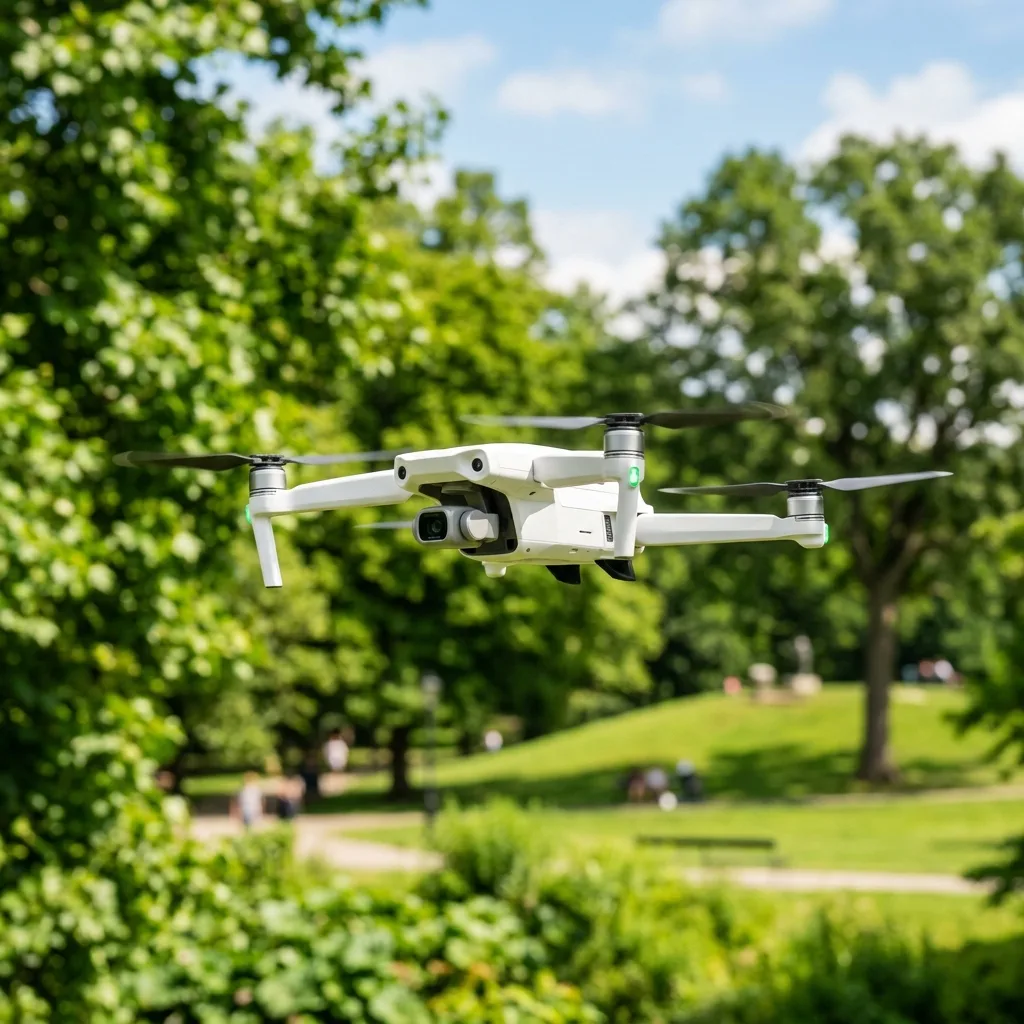
EIS and gimbals offer distinct stabilization methods in action cameras, each with unique advantages and limitations. When it comes to capturing high-quality, stable video footage in dynamic environments, action cameras have become indispensable tools for enthusiasts and professionals alike. Two leading stabilization technologies dominate this space: Electronic Image Stabilization (EIS) and motorized gimbals. Each method has its own strengths and weaknesses, making the choice between them a key consideration for anyone looking to achieve the best possible video quality. EIS, implemented in advanced action cameras like the GoPro and DJI Osmo series, utilizes software algorithms to reduce motion blur and shake by cropping the video frame slightly. This process enables smoother footage, especially in scenarios where the camera experiences significant movement. Conversely, gimbals employ a physical stabilization mechanism through three motorized axes, providing a different approach to maintaining stability. Understanding the differences between these two technologies is essential for selecting the right equipment for specific filming needs. The distinction in stabilization methods not only influences video quality but also affects other important factors like weight, battery life, and overall usability. As the action camera market continues to evolve, it is crucial to analyze how these technologies perform under various conditions. This blog post will explore four key differences between EIS and gimbals that directly impact video quality, including image cropping, low-light performance, weight and setup size, and battery drain and durability.
Visual description.
Publicidade

Understanding EIS and Gimbal Technology

To appreciate the differences between EIS and gimbals, it is essential to first define both technologies. Electronic Image Stabilization (EIS) leverages software algorithms to analyze video frames and compensate for camera shake. This technology works by cropping the edges of the video frame to maintain a steady image in the center, which can lead to loss of resolution but also creates smoother footage. Popular examples of EIS include GoPro's HyperSmooth and DJI's RockSteady systems, which have proven effective in a variety of shooting conditions. On the other hand, gimbals utilize a mechanical system that relies on motors and sensors to physically stabilize the camera. This method allows the camera to remain level and steady, regardless of the operator's movements. Gimbals can be particularly beneficial in situations where abrupt camera motions are expected, as they can maintain a consistent horizon line and eliminate unwanted tilting or panning. The choice between EIS and gimbals often depends on the specific needs of the project, as each has unique characteristics that affect usability and performance. The importance of understanding these differences cannot be overstated, especially for content creators who rely on high-quality video footage. Factors such as environmental conditions, shooting style, and the type of action being filmed can greatly influence which stabilization technology is most suitable. By examining the core differences between EIS and gimbals, users can make informed decisions that optimize their filming experience and enhance video quality.

Core Guide: Step-by-Step Analysis and Specifications
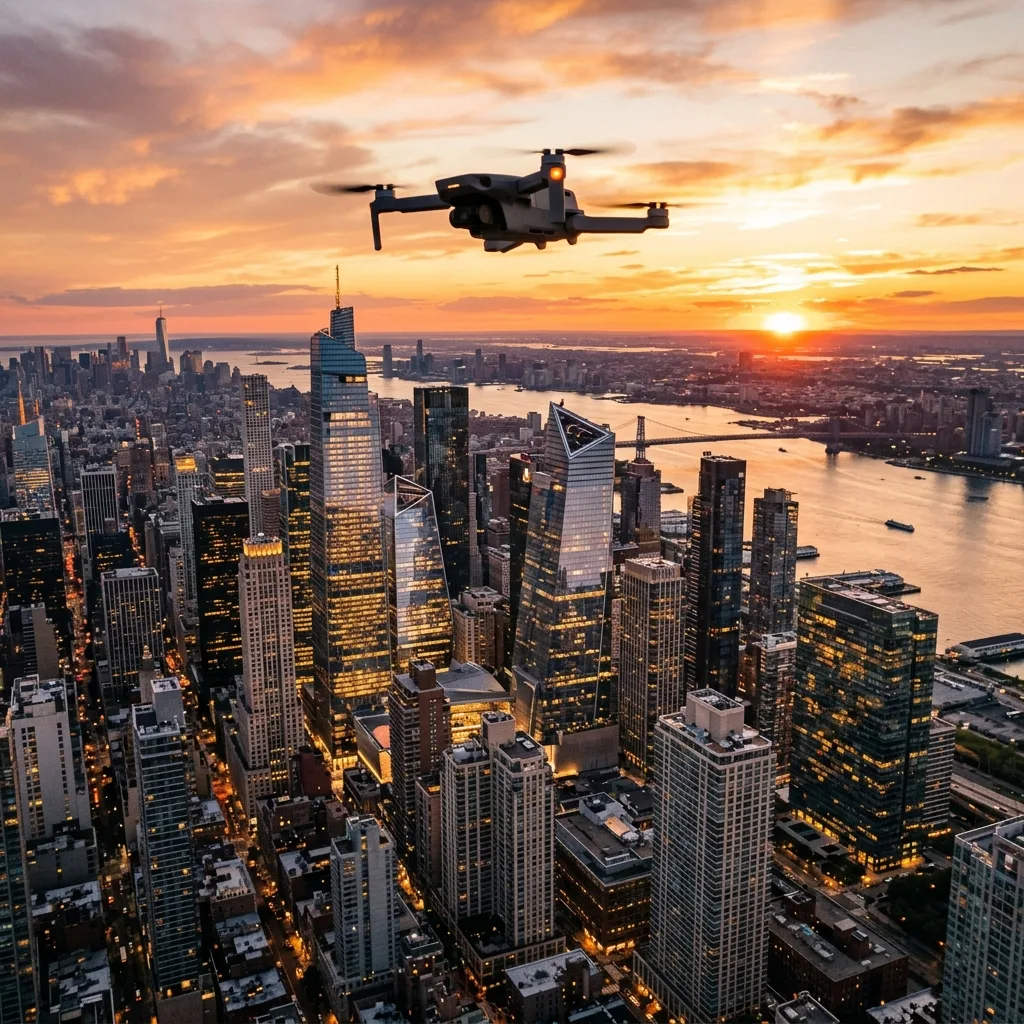
In order to effectively compare EIS and gimbals, it is beneficial to analyze their specifications in a structured manner. This guide provides a comprehensive overview of the four key differences between these stabilization technologies, focusing on image cropping, low-light performance, weight and setup size, and battery drain and durability. Each factor plays a critical role in determining the overall effectiveness of video stabilization.
Visual description.
Firstly, image cropping is a significant aspect to consider when evaluating EIS. When EIS is active, a portion of the video frame is cropped to allow for stabilization, typically resulting in a cut of approximately 10-15%. While this can improve the fluidity of motion, it also reduces the overall field of view. For users requiring wide-angle shots, this cropping can be a limiting factor, particularly in action-packed scenarios where a broader perspective is desired. Secondly, low-light performance is another critical difference between EIS and gimbals. EIS often struggles in low-light conditions, as the software may introduce blur or ghosting artifacts due to the nature of frame analysis. This can lead to a decrease in image quality, especially in darker environments where motion is prevalent. In contrast, gimbals maintain stability without relying on software adjustments, allowing for clearer images even in challenging lighting situations. Consequently, for users who frequently shoot in low-light conditions, a gimbal may prove to be the superior option. Weight and setup size also play a pivotal role in the decision-making process. EIS is integrated into the camera body, allowing for a compact and lightweight design that is easy to transport and set up. This convenience is particularly beneficial for users who prioritize mobility and quick deployment. Conversely, gimbals, while effective, typically require additional setup time and add weight to the overall package. For those seeking a streamlined filming experience, EIS-equipped cameras may be more appealing. Lastly, battery drain and durability must be considered when choosing between these stabilization methods. EIS can be less taxing on battery life compared to motorized gimbals, which draw power from multiple motors to maintain stabilization. This increased power consumption can lead to shorter shooting times, particularly during extended filming sessions. Additionally, gimbals have more moving parts, which can introduce potential points of failure, while EIS relies solely on software algorithms. As a result, users should weigh the importance of battery longevity and equipment durability when making their choice.

Comparison Table: EIS vs. Gimbal

The following table summarizes the key differences between Electronic Image Stabilization (EIS) and mechanical gimbals, highlighting their strengths and weaknesses as they relate to action camera stabilization.
Criteria Electronic Stabilization (EIS) Mechanical Gimbal
Image Cropping 10-15% cropping for stabilization No cropping; maintains full field of view
Low-Light Performance May introduce blur/ghosting Better clarity in low light
Weight and Setup Size Compact and lightweight Bulkier and heavier; longer setup time
Battery Drain and Durability Lower power consumption Higher power usage; more moving parts
Visual description.
In conclusion, a thorough understanding of the differences between EIS and gimbals is essential for making informed decisions about action camera stabilization methods. The table above clearly outlines the core distinctions, allowing users to assess which technology aligns best with their filming requirements and preferences. For those looking to expand their knowledge on related topics, several resources are available. The article on the best action camera offers insights into top models that integrate EIS and gimbal technologies effectively. Additionally, for users interested in aerial photography, a guide on how to fly FPV drone can be highly beneficial. Understanding these technologies will enhance the ability to produce high-quality footage across various scenarios. Furthermore, additional insights and guidelines can be found on authoritative sites such as the GoPro official support site, which provides comprehensive information about their stabilization technologies and camera specifications.

Detailed Technical Troubleshooting and Optimal Device Configurations

Visual description.
When addressing issues with action cameras utilizing Electronic Image Stabilization (EIS) or gimbal systems, it is crucial to follow a structured troubleshooting process. The first step involves ensuring that the firmware is updated to the latest version. Manufacturers often release firmware updates that improve camera functionality, fix bugs, or enhance stabilization algorithms. By checking the manufacturer's website or the camera's app, the latest updates can be downloaded and installed. This process can rectify many issues related to stabilization performance and battery efficiency. Another critical aspect of optimizing camera settings includes adjusting resolution and frame rate. High-resolution settings, while providing exceptional video quality, can tax the camera's processing capabilities, especially during stabilization. Lowering the resolution or frame rate can alleviate this burden, allowing the stabilization system—whether EIS or gimbal—to function more effectively. For instance, recording at 1080p at 60fps can often yield smoother results than attempting to capture 4K at 30fps, particularly in dynamic conditions. Analyzing the specific requirements of the shooting environment will help determine the most suitable settings. Additionally, camera placement and mounting techniques significantly influence stabilization effectiveness. When using EIS, it is essential to mount the camera on a stable surface or use a quality tripod. Any vibrations transmitted through the mount can interfere with the EIS, leading to suboptimal results. For gimbal systems, ensuring that the camera is balanced properly is vital. Imbalances can cause the gimbal to work harder, leading to performance drops and potential overheating. Therefore, users should familiarize themselves with the balancing techniques specific to their gimbal model. Battery health also plays a vital role in device performance. A depleted or failing battery can cause the camera to shut down unexpectedly or limit its operational capabilities. Regularly checking battery health, replacing old batteries, and ensuring optimal charging practices can extend the life of the camera. It is advisable to avoid letting the battery drain completely before recharging, as this can negatively impact the battery's long-term performance. Lastly, environmental factors should not be overlooked. Action cameras are often subjected to extreme conditions, such as high temperatures, humidity, or dust. These factors can impact both the electronics and the stabilization systems. Ensuring that the camera is cleaned regularly and protected in adverse conditions can prevent long-term damage. Employing protective housings, especially in harsh environments, can preserve the integrity of the device and maintain its stabilization capabilities.

DomineTec Tip: Regularly calibrating the gimbal before use ensures maximum stabilization efficiency, particularly for dynamic filming scenarios.

Preventative Maintenance and Storage Battery Health Protocols
Visual description.
Preventative maintenance is an essential practice for ensuring the longevity and optimal performance of action cameras. Regular cleaning and inspection of the camera's exterior and lens can prevent dirt and grime from affecting image quality. Utilizing a microfiber cloth to gently wipe the lens and body removes any residue without scratching the surface. This practice is especially crucial for cameras used in outdoor conditions, where dust, moisture, and other elements can accumulate quickly. Battery health protocols significantly influence the overall performance of action cameras. It is advisable to store batteries in a cool, dry place when not in use, avoiding extreme temperatures that can lead to battery degradation. When charging, it is best to use the manufacturer’s charger and avoid overcharging, as this can reduce battery lifespan. Additionally, periodically cycling the battery—charging it fully and then completely discharging it—can help recalibrate its internal capacity monitoring, ensuring accurate readings and optimal performance. A travel checklist is invaluable for action camera users. Before embarking on a trip, ensuring that all accessories are accounted for can prevent any issues during use. This includes confirming that batteries are fully charged, memory cards are formatted and free of errors, and all necessary mounts and stabilization equipment are packed. Furthermore, bringing along a portable charging solution or power bank can guarantee that the camera remains operational throughout the adventure, especially in remote locations where power sources may be unavailable. Another essential aspect of preventative maintenance involves monitoring the camera's internal temperature. Action cameras can overheat during prolonged use, particularly in high-resolution recording modes. Implementing breaks during extended shooting sessions allows the camera to cool down, reducing the risk of overheating and potential failure. Additionally, using external cooling solutions, such as fans or cooling wraps, can help manage temperature during intense filming conditions. Lastly, ensuring that the camera's software is regularly updated is key to maintaining its performance and security. Manufacturers frequently release updates that not only improve functionality but also address potential vulnerabilities. Keeping the software current can enhance stabilization performance and add features that improve the overall user experience. Establishing a routine that includes regular checks for updates can significantly contribute to the camera's longevity and reliability.

Advanced Maintenance and Troubleshooting for EIS and Gimbal Systems in Action Cameras

Maintaining the performance of electronic image stabilization (EIS) and gimbal systems in action cameras is crucial for ensuring optimal video quality. Regular checks on firmware updates can significantly improve stabilization algorithms, enhance functionality, and address existing bugs.

Manufacturers frequently release updates designed to refine the stabilization processes, and it is advisable to consult the manufacturer's website or user forums for the latest versions. Keeping the firmware up to date not only protects against potential malfunctions but also allows for the utilization of advanced features that may not have been present in earlier versions.

Another vital aspect of maintenance involves the physical components of the camera. Dust and debris can accumulate on both EIS sensors and gimbal motors, leading to subpar performance.

Regular cleaning of the camera lens and sensors with appropriate materials, such as microfiber cloths, can prevent image distortion and ensure that stabilization features operate effectively. Moreover, it is essential to check the gimbal's mechanical components, such as the motors and bearings, for signs of wear and tear.

Publicidade

Lubrication may be necessary to maintain smooth operation, especially in environments that expose the camera to moisture or extreme temperatures.

Calibration of both EIS and gimbal systems is another critical maintenance task. Cameras equipped with gimbals often require periodic calibration to align the motors accurately and ensure that the stabilization system functions as intended.

This process typically involves following a set of instructions provided by the manufacturer, which may include leveling the camera and performing specific movements to recalibrate the sensors. For EIS, it is equally important to assess the settings within the camera menu, ensuring that any configurable parameters are optimized based on the shooting environment and the intended outcome of the footage.

In terms of troubleshooting, understanding the indicators of malfunction can expedite the resolution of issues. For example, if the footage exhibits excessive shakiness or jitter, it may indicate that the EIS is not functioning correctly or that a gimbal calibration is necessary.

Checking for error messages on the camera's display can provide insights into specific faults. Additionally, reviewing the camera's settings for EIS and gimbal modes can reveal if the appropriate settings have been engaged for the shooting scenario.

In some cases, reverting to factory settings may resolve persistent issues by resetting any misconfigured parameters.

Moreover, when utilizing EIS and gimbal systems under varying conditions, it is essential to account for the effects of external factors such as wind or vibrations. For action sports, these conditions can significantly impact stabilization performance.

Publicidade

Consequently, understanding the limits of both systems is crucial; for instance, EIS may struggle with rapid lateral movements, while gimbals can be adversely affected by sudden jolts. Awareness of these limitations can guide users in selecting the most suitable stabilization method for their specific activities, ensuring that the captured footage meets their quality expectations.

Lastly, familiarity with the legal aspects surrounding the use of EIS and gimbal systems in various filming environments is imperative, especially in public or protected areas. Some jurisdictions have specific regulations regarding the use of drones equipped with cameras that incorporate gimbal technology.

Understanding local laws concerning aerial filming or stabilization aids can prevent potential legal repercussions. Additionally, obtaining necessary permits for filming in restricted areas ensures compliance with legal standards and protects the rights of individuals and communities depicted in the footage.

Long-Term Industry Expectations and Technology Developments In the rapidly evolving landscape of action cameras, long-term industry expectations indicate a continued focus on enhanced stabilization technology and improved user experience. As consumer demands for higher quality and more versatile video capabilities grow, manufacturers are likely to invest heavily in developing advanced EIS algorithms and gimbal technologies. This shift will likely lead to cameras that can handle even more complex movements with precision, enabling smoother footage in a wider array of environments. Moreover, the integration of artificial intelligence (AI) into action cameras is expected to revolutionize video stabilization techniques. AI algorithms can analyze video footage in real-time, allowing for adaptive stabilization adjustments based on the specific conditions of the shot. This capability could significantly enhance the performance of both EIS and gimbal systems, providing users with even more reliable results. As AI technology advances, its application in action cameras will likely enable features such as automatic scene detection and stabilization mode selection, streamlining the user experience. Another anticipated development in the industry is the convergence of action cameras with mobile technology. As smartphones continue to improve their camera capabilities, action cameras are expected to incorporate features that allow seamless integration with mobile devices. This integration could enable users to control their cameras via smartphone apps, access cloud storage for instant sharing, and utilize advanced editing tools directly from their phones. Such advancements will cater to the growing demand for convenience and speed in content creation. Furthermore, as the action camera market becomes increasingly competitive, the emphasis on durability and ruggedness will likely intensify. Manufacturers may introduce models designed to withstand extreme conditions, including submersion in water, exposure to high altitudes, and resistance to impacts. This focus on durability will appeal to adventure enthusiasts and professionals who rely on their equipment in challenging environments. Innovations in materials, such as impact-resistant casings and advanced waterproofing techniques, will contribute to the development of more resilient cameras. Finally, expert advice suggests that users should remain adaptable to changing technologies and be open to exploring new features as they become available. Continuous learning about camera capabilities, stabilization techniques, and emerging technologies can significantly enhance the user experience. Engaging with online communities, forums, and manufacturer resources can provide valuable insights and tips that are essential for maximizing the potential of action cameras in various shooting scenarios. Staying informed about industry trends will help users make educated decisions when upgrading or purchasing new equipment.

Publicidade

Written by

DomineTec

DomineTec Team — bringing you the best tips on technology, digital security, jobs and finance.

Receba as melhores dicas no seu e-mail

Tecnologia, segurança digital, finanças e empregos — tudo que importa, direto na sua caixa de entrada. 100% gratuito, sem spam.

Respeitamos sua privacidade. Cancele a qualquer momento.

Related Posts

More in Business & Technology

View all
Publicidade


