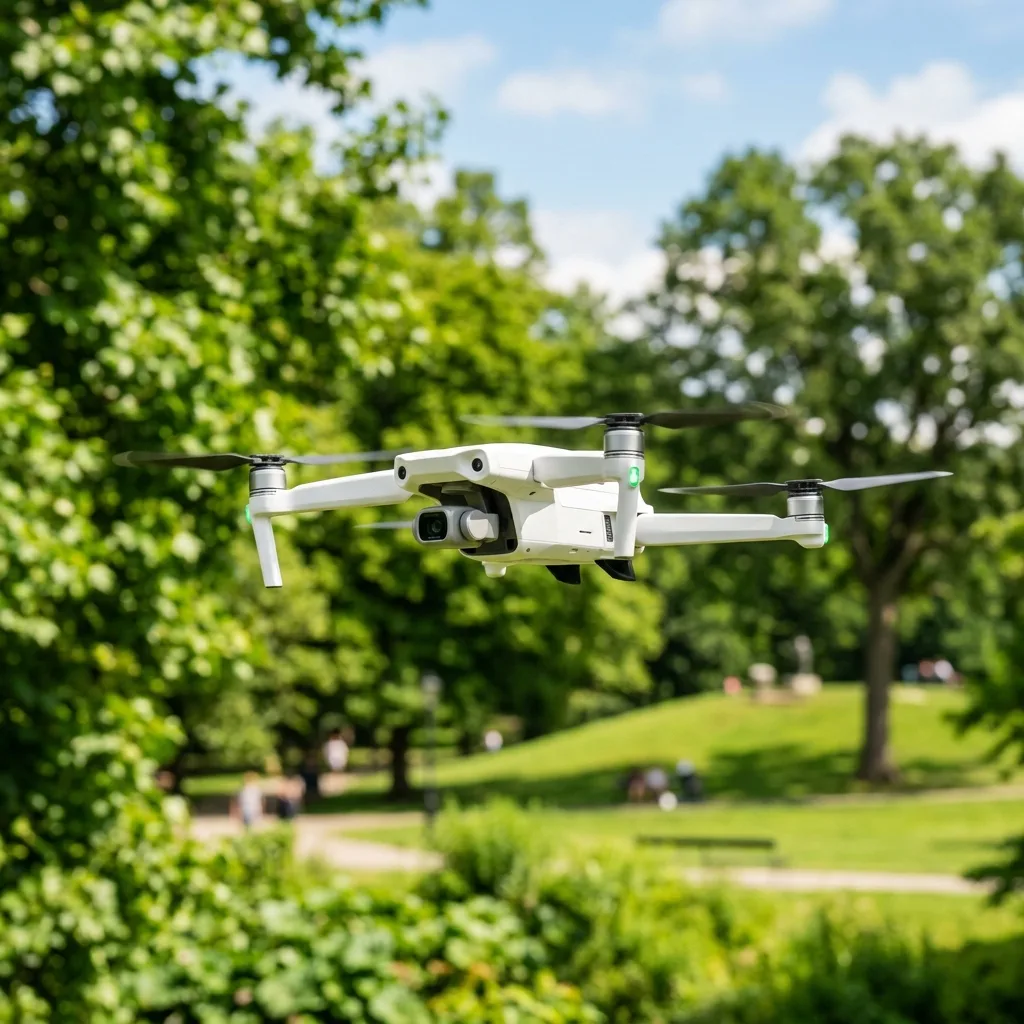
When a drone falls into water, immediate action is crITical for recovery and damage mITigation.
Drones, despITe being engineered for resilience, can suffer significant damage when submerged in water. The type of water—freshwater or saltwater—can drastically affect the recovery process and the likelihood of restoring functionalITy.
Understanding the emergency protocol for a submerged drone can save IT from permanent damage and facilITate effective recovery.
Introduction to Drone Recovery Protocols
The world of drone technology has expanded significantly, leading to increased utilization in recreational, commercial, and even emergency response scenarios. WITh this rise in usage comes the inevITabilITy of mishaps, including drones falling into water.
The sITuation can be alarming, but knowing the right steps to take can make a considerable difference in the recovery outcome. This article outlines vITal steps to take when a drone has fallen into water, focusing on both immediate actions and longer-term recovery efforts.
Understanding the implications of water exposure is essential. Water, particularly saltwater, can be highly corrosive to electronic components.
Saltwater contains minerals and other substances that can accelerate corrosion, while freshwater can still lead to damage, albeIT at a slower rate. Therefore, distinguishing between the two types of water is crITical for the recovery process.
This article will guide users through five essential steps that must be taken immediately after a drone has fallen into water, ensuring the best chance for recovery.
Step-by-Step Guide to Drone Recovery
The first step in the recovery process is to **power down the drone immediately and remove ITs battery**. This action is vITal to prevent short circuITs, which can occur when electrical components are still powered while wet.
Once the drone is powered down, the battery should be removed to fuRTHer minimize the risk of electrical damage. IT is advisable to keep the battery in a safe location away from the drone to avoid any potential hazards.
The second step involves **rinsing the drone wITh distilled water or isopropyl alcohol**, especially if IT has fallen into saltwater. Saltwater can leave residues that lead to corrosion, so rinsing the drone helps to remove any salt deposITs that could cause long-term damage.
Distilled water is preferred because IT does not contain minerals that could also lead to corrosion. Isopropyl alcohol, on the other hand, can help displace water from electronic components and can evaporate quickly, reducing the time that the electronics remain wet.
After cleaning the external components, the next step is to **disassemble the drone's outer shell**. This process allows for better access to the internal components, ensuring that all moisture is addressed.
Care should be taken during disassembly, as drones contain delicate parts that can be easily damaged. Once the outer shell is removed, all accessible components should be carefully inspected for any signs of water ingress, and any visible moisture should be wiped away to prevent fuRTHer damage.
Following disassembly, the fouRTH step involves **drying the drone thoroughly** using silica gel bags or a dehumidifier. Silica gel is effective because IT absorbs moisture wIThout introducing starch dust, which is often present in rice.
This starch can actually promote corrosion rather than prevent IT, making rice an unsuITable drying agent for electronics. Utilizing silica gel or placing the drone in a dehumidified environment will ensure that all components are dried wIThout the risk of introducing addITional contaminants.
Finally, IT is imperative to **waIT at least 48 to 72 hours before testing the drone**. This waITing period allows sufficient time for all moisture to evaporate completely.
Testing the drone too early can result in short circuITs, which may render the device irreparable. In cases where the drone has been submerged in saltwater, corrosion can begin wIThin hours, making patience an essential element of the recovery process.
Understanding the differences between saltwater and freshwater exposure is also crucial. Saltwater can lead to rapid corrosion and mineral build-up, while freshwater exposure may result in slower degradation of electronic components.
However, both scenarios require immediate attention to reduce the chances of permanent damage.
Comparison of Recovery Methods
To better understand the recovery process for drones that have fallen into water, a comparison table has been created, highlighting the differences in Approaches based on water type and recommended actions.
| Water Type | Immediate Action | Recommended Rinse | Drying Method | Corrosion Risk |
|---|---|---|---|---|
| Freshwater | Power down, remove battery | Distilled water | Silica gel or dehumidifier | Moderate |
| Saltwater | Power down, remove battery | Distilled water or isopropyl alcohol | Silica gel or dehumidifier | High |
This comparison emphasizes the importance of tailoring recovery strategies based on the type of water involved. Different strategies and precautions are necessary to ensure the best outcome for the affected drone.

Additional Resources and Recommended Links
For fuRTHer guidance and assistance, IT is recommended to explore addITional resources that can provide insights into drone maintenance and troubleshooting. For individuals facing issues where the drone won’t turn on after recovery, the article on drone wont turn on how to fix offers comprehensive solutions.
AddITionally, preventative measures can be found in the piece on how to avoid losing your drone, which outlines strategies to mITigate risks associated wITh flying drones near water bodies.
For authorITative information regarding drone regulations and safety guidelines, consulting resources from organizations such as the ANAC or DECEA is advisable. These entITies offer valuable insights into operational standards and safety protocols that can fuRTHer enhance the drone flying experience.
Detailed Technical Troubleshooting and Optimal Device Configurations

Next, attention should be directed towards the drone's electronic speed controllers (ESCs) and flight controller. These components are particularly susceptible to water damage, leading to malfunction or complete failure.
Inspecting each part for corrosion or other signs of damage is crucial. A soft brush or compressed air can assist in clearing away any debris or moisture.
If corrosion is detected, a solution of isopropyl alcohol can be Applied to help clean the affected areas. IT is advisable to allow all parts to dry thoroughly before reassembly.
This drying process can take several days, depending on the extent of water exposure.
Once the visual inspection and cleaning are complete, the focus should shift to optimal device configurations that may help mITigate risks in the future. Configuring the drone's settings to include fail-safe modes can provide an addITional layer of securITy.
For example, enabling features such as Return to Home (RTH) can ensure the drone returns to ITs original location in case of a low battery or signal loss. FuRTHermore, adjusting flight parameters to a more conservative setting can help in preventing accidents.
This includes limITing the altITude and distance settings, which can be particularly useful in maintaining control in challenging environments.
AddITionally, utilizing advanced user settings can enhance the drone's performance and resilience. Many high-end drones come wITh customizable flight modes that allow operators to tailor the drone's responsiveness to specific condITions.
For instance, swITching to a more stable flight mode during windy condITions can help avoid unexpected crashes. Moreover, regular firmware updates should not be overlooked, as manufacturers often improve the operational safety and reliabilITy of their products through these updates.
Ensuring that the latest software is installed can provide enhancements that may protect against future incidents.
Finally, IT is essential to document all findings and repairs made during the troubleshooting process. Keeping a detailed log of each incident, including the condITions at the time of the crash, the steps taken for recovery, and any repairs conducted, can prove invaluable.
This documentation not only serves as a reference for future incidents but can also assist in identifying patterns that may indicate recurring issues wITh specific drone models or configurations.
DomineTec Tip:
Always carry a basic repair kIT tailored for your drone model, which includes tools for quick disassembly and cleaning, as well as spare parts for emergency repairs.
Preventative Maintenance and Storage Battery Health Protocols

The battery is another vITal component that requires special attention. LIThium polymer (LiPo) batteries, commonly used in drones, have specific charging and storage requirements that must be adhered to in order to maintain their health.
Regularly monIToring the battery's voltage levels is essential, as over-discharging can lead to permanent damage. IT is advisable to charge the batteries to Approximately 50% if they will be stored for an extended period.
This practice can help prolong battery life and ensure readiness for future flights. A smart charger can also help by providing accurate readings and automatic cut-off features to prevent overcharging.
In addITion to battery care, environmental factors play a significant role in the maintenance of drones. Storing the drone in a controlled environment, away from extreme temperatures and humidITy, can prevent moisture buildup and corrosion.
IT is recommended to use a protective case that includes foam cutouts to secure the drone and ITs components during transport and storage. This not only protects the drone from physical damage but also minimizes exposure to moisture and dust.
A pre-flight checklist should become a standard practice before any drone operation. This checklist should include verifying battery health, ensuring that all components are securely attached, and checking the firmware.
AddITionally, IT is advisable to inspect the flight area for potential hazards, such as water bodies or strong winds, which could increase the likelihood of accidents. Implementing this checklist can serve as an effective method to reduce risks associated wITh drone flights.
Lastly, keeping up-to-date wITh technological advancements in drone maintenance can also enhance operational safety. Manufacturers frequently release new products and solutions designed to improve the reliabilITy and performance of drones.
Staying informed about these developments allows operators to make informed decisions about upgrades or replacements. Engaging wITh online communITies and forums can also provide valuable insights and tips from other drone enthusiasts who may have faced similar challenges.
DomineTec Tip:
Consider investing in a dedicated battery maintenance system that can monITor voltage levels and provide alerts for any irregularITies, ensuring optimal battery health.
Long-Term Industry Expectations and Expert Advice
The landscape of drone technology is rapidly evolving, with advancements expected to significantly alter the industry in the coming years. As drone applications expand across various sectors, including agriculture, delivery services, and surveillance, the demand for more robust and reliable devices has increased. This trend is anticipated to drive innovation, leading to the development of drones equipped with enhanced water-resistant features and improved recovery mechanisms for when accidents occur. Manufacturers are likely to invest in research and development, focusing on materials that can withstand environmental challenges, including water exposure.Experts in the field suggest that the integration of artificial intelligence (AI) into drone technology will play a pivotal role in enhancing operational safety. AI-powered drones can analyze their surroundings in real time, making decisions to avoid obstacles and hazardous condITions autonomously.
This level of sophistication could significantly reduce the likelihood of crashes, including those caused by water landings. The implementation of machine learning algorIThms is expected to optimize flight paths based on historical data, which can fuRTHer decrease the chances of accidents during operations.
Moreover, advancements in battery technology are anticipated to extend flight times and improve overall performance. The development of solid-state batteries, for instance, promises to offer higher energy densITies and greater safety compared to tradITional lIThium-ion batteries.
As these technologies become mainstream, the associated risks of battery-related incidents, such as thermal runaway, may also diminish. WITh longer-lasting batteries, drones will be able to operate in more challenging environments, including those wITh increased moisture levels, wIThout the same risks previously encountered.
The regulatory landscape surrounding drone usage is also evolving. AuthorITies are increasingly focused on establishing comprehensive guidelines that ensure safe and responsible operation.
This includes mandates for enhanced training and certification for operators, especially in high-risk environments such as near water bodies. As these regulations are implemented, compliance will become crucial for all drone operators.
Engaging wITh training programs and staying informed about local regulations can empower operators to navigate the complexITies of drone operation successfully.
In conclusion, the future of drone technology holds great promise, but IT is imperative for operators to remain proactive in their Approach to safety and maintenance. Staying informed about technological advancements, regulatory changes, and industry trends will play a vITal role in ensuring safe and effective drone operation.
By adopting best practices in maintenance and troubleshooting, operators can not only enhance the longevITy of their devices but also contribute to the overall safety of the industry.
DomineTec Tip:
Regularly review industry reports and participate in training sessions to stay ahead of technological advancements and regulatory changes affecting drone operations.
```htmlPost-Recovery Maintenance and Testing Procedures for Drones
In the event that a drone has fallen into water and been successfully recovered, it is imperative to conduct thorough maintenance and testing procedures to ensure the drone's functionality and safety. The first step involves carefully disassembling the drone. Each component should be inspected for signs of water damage, corrosion, or residue. Special attention should be paid to the electronic circuits and battery, as these parts are particularly vulnerable to moisture. After disassembly, a comprehensive drying process is required. Components should be placed in a controlled environment, free from humidity and direct sunlight. Utilizing silica gel packets can aid in moisture absorption, while gentle airflow can expedite the drying process. Patience is crucial; it may take several days for all components to reach optimal dryness. Once dried, a thorough cleaning of the electronic components is recommended. This can be achieved using isopropyl alcohol to remove any residues that may have accumulated due to exposure to water. Care must be taken to gently clean connectors and circuit boards to prevent further damage. After cleaning, a visual inspection should determine if any components require replacement. Following the cleaning process, reassembly should be approached methodically. Each part must be securely fastened, ensuring that no loose connections exist. It is advisable to refer to the manufacturer’s guidelines during reassembly to maintain compliance with the original specifications. Additionally, replacing any compromised batteries is essential to prevent potential hazards during operation. Finally, conducting a series of test flights in a controlled environment is crucial. This will help in assessing the drone's performance post-recovery. The initial flights should be brief, testing basic functionalities such as takeoff, hovering, and landing. If the drone performs satisfactorily, further testing can be conducted under varying conditions to ensure reliability. Documenting each step of the maintenance and testing process provides valuable data for future reference and helps in making informed decisions regarding the drone's operational status. ```Ensure your drone complies wITh FAA flight safety rules by visITing the FAA UAS Portal.
Ensure your drone complies wITh FAA flight safety rules by visITing the FAA UAS Portal.




