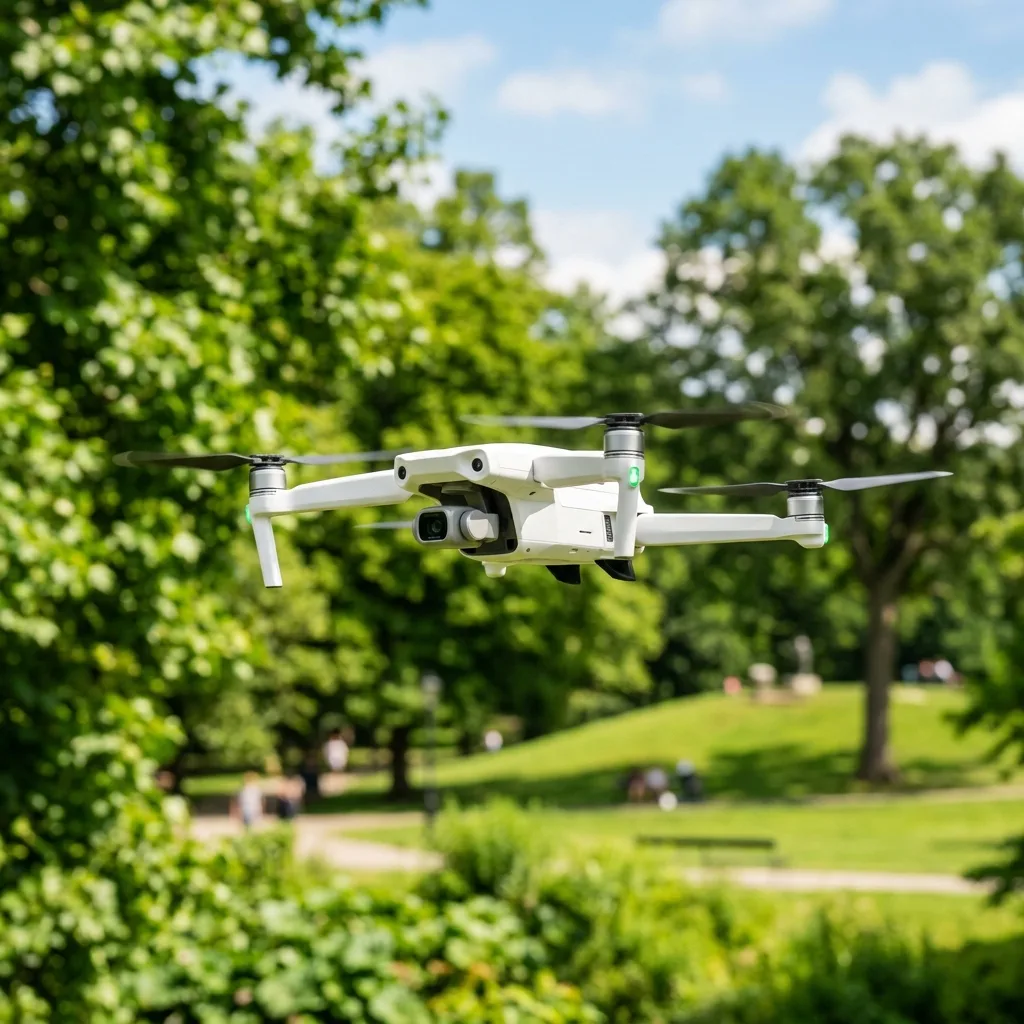
Drone Won't Turn On? 7 Causes and How to Fix Them Fast
Common causes for a drone not turning on include battery issues, firmware problems, and hardware malfunctions. Understanding these factors can help in diagnosing and resolving the problem efficiently.

Overview of Drone Functionality
Drones are complex devices that rely on various hardware and software components to operate effectively. A malfunction can stem from multiple areas, making IT fundamental to understand the drone's intricacies. Proper troubleshooting requires familiarITy wITh specifications and operational protocols.
Common Causes of a Drone Not Turning On
| Cause | Description | Solution |
|---|---|---|
| Battery Issues | Low battery charge or faulty battery | Recharge or replace the battery |
| Firmware Problems | Outdated or corrupted firmware | Update or reinstall firmware |
| Remote Control Issues | Remote not paired or malfunctioning | Re-pair or replace remote control |
| Overheating | Drone overheating from prolonged use | Allow cooling period before attempting to turn on |
| Physical Damage | Damage to motors or internal components | Inspect and repair or replace damaged parts |
| Software Conflicts | Conflicts with installed apps or settings | Reset settings or remove conflicting apps |
| Calibration Issues | Improper calibration affecting power | Recalibrate the drone |

1. Battery Issues
The battery is often the first component to check when a drone fails to power on. Drones typically use lIThium polymer (LiPo) batteries, which can degrade over time or become faulty. Regularly inspect the battery for swelling, damage, or corrosion.
Charging the battery fully before flight is fundamental. If the drone still won’t turn on after charging, consider replacing the battery wITh a new one compatible wITh the model.

2. Firmware Problems
Firmware is the software that runs the drone’s hardware. If the firmware is outdated or corrupted, IT can prevent the drone from powering on. Keeping firmware updated ensures optimal performance and securITy.
To resolve this, connect the drone to the manufacturer's software and check for updates. If necessary, reinstall the firmware to restore functionalITy.

3. Remote Control Issues
The remote control is highly important for operating the drone. If IT is not properly paired, the drone may not respond. Ensure that the remote has fresh batteries and is adequately charged.
Re-pair the remote control by following the manufacturer’s instructions. If the remote is malfunctioning, consider replacing IT wITh a new unIT.
4. Overheating
Drones can overheat due to prolonged use or exposure to high temperatures. Overheating can cause internal components to fail or shut down to prevent damage. Allow the drone to cool down before attempting to power IT on again.
To prevent overheating, avoid flying in extreme temperatures and ensure proper ventilation during operation.
5. Physical Damage
Physical damage can occur from crashes or improper handling. Inspect the drone for any visible signs of damage, particularly around the motors and propellers. Damaged components can prevent the drone from turning on.
If damage is detected, repair or replace the affected parts as necessary. Regular maintenance checks can help identify potential issues before they escalate.
Conclusion
Diagnosing why a drone won't turn on involves a systematic Approach to examining possible causes. By checking the battery, firmware, remote control, overheating, and physical condITion, many issues can be resolved quickly. Keeping the drone well-maintained will minimize the risk of future problems.
FAQs
What should I do if my drone won't turn on after charging the battery?
Check for any visible damage to the battery and connections. If there are no issues, consider trying a different battery or inspecting the firmware.
How can I tell if my drone's battery is faulty?
A faulty battery may show signs of swelling, leakage, or corrosion. AddITionally, if the battery does not hold a charge or the drone powers off quickly, IT may need replacement.
Is it safe to fly a drone in cold weather?
Flying in cold weather can affect battery performance and may lead to overheating. IT is advisable to keep the drone warm and avoid flying in extreme temperatures.
How often should I update my drone's firmware?
Firmware should be updated whenever a new version is released by the manufacturer. Regular updates can enhance performance and fix securITy vulnerabilITies.
Can physical damage be repaired easily?
RepairabilITy depends on the extent of the damage. Minor issues such as propeller replacements are generally easy, while internal damages may require professional assistance.
Understanding Battery Issues: Common Causes and Solutions
One of the primary reasons a drone may fail to turn on is related to ITs battery. Drones rely on advanced lIThium polymer (LiPo) batteries, which require specific care and handling to function optimally. Over time, batteries can degrade due to several factors, including improper charging, over-discharge, or physical damage.
Each of these issues can lead to a sITuation where the drone Appears unresponsive.
To begin diagnosing battery-related issues, IT is fundamental to ensure that the battery is fully charged. Most modern drones come wITh smart battery technology that provides detailed information about battery health and charge levels. Using the manufacturer’s recommended charger, one can verify whether the battery is indeed receiving power.
If the charging indicator lights do not illuminate, this may signal a problem eITher wITh the charger or the battery ITself.
In cases where the battery shows signs of swelling or physical damage, immediate action is necessary. Swollen batteries can be indicative of a chemical reaction wIThin the cells, resulting in potential hazards. IT is crITical to handle such batteries wITh care and dispose of them according to local regulations to mITigate risks associated wITh LiPo battery disposal.
AddITionally, checking the battery connectors for corrosion or damage is fundamental. Corrosion can impede the flow of electricITy, preventing the drone from powering on. Cleaning connectors wITh isopropyl alcohol and a soft brush can sometimes resolve these issues.
Moreover, ensuring that the battery is properly seated in ITs compartment is vITal; loose connections can lead to intermITtent power issues.
Another common issue is over-discharge, where the battery voltage drops below the crITical threshold, rendering IT unable to power the drone. Most drones have built-in battery management systems (BMS) designed to prevent this scenario. However, if a battery has been left unused for an extended period, IT is advisable to check ITs voltage using a multimeter.
If the voltage is significantly low, the battery may need to be recharged carefully or, in some cases, replaced. Users are encouraged to implement a regular battery maintenance schedule, ensuring that batteries are charged and cycled periodically to maintain health.
In summary, addressing battery-related issues requires a systematic Approach to troubleshooting. By confirming charge status, inspecting for physical damage, ensuring clean connections, and preventing over-discharge, users can resolve many power-related problems. Understanding these underlying factors will not only aid in fixing a drone that won’t turn on but also extend the overall lifespan and performance of the battery.
Firmware and Software Checks: Ensuring Optimal Operation
Another crITical element in diagnosing why a drone may not turn on involves inspecting ITs firmware and software configurations. Drones operate on sophisticated software systems that manage everything from flight controls to navigation and battery management. Outdated firmware can lead to compatibilITy issues, hindering the drone’s abilITy to boot up properly.
Regular updates from manufacturers often include vITal patches that enhance performance, fix bugs, and improve flight safety features.
To check for firmware updates, users should refer to the manufacturer’s software Application, which typically provides a straightforward interface for managing the drone’s software. This Application can often be installed on mobile devices or accessed via desktop computers. After connecting the drone to the Application, users can check the current firmware version against the latest available version on the manufacturer’s websITe.
In cases where an update is available, IT is fundamental to follow the manufacturer’s instructions meticulously. This process often involves downloading the firmware to a computer and transferring IT to the drone via an SD card or directly through the Application. Users should ensure that the drone is fully charged before inITiating the update process, as a power failure during firmware installation can lead to malfunctions, potentially rendering the drone inoperable.
Occasionally, drones may not respond to power commands due to corrupted firmware. Corruption can occur due to interrupted updates, improper shutdowns, or even external factors such as electrical surges. In such instances, a firmware recovery process may be necessary.
Many manufacturers provide recovery tools or methods for restoring factory settings, which can resolve issues stemming from software corruption. IT is advisable to consult the user manual or the manufacturer's support resources for specific recovery instructions.
In addITion to firmware checks, App settings and configurations should be verified. Some drones may require specific settings to be enabled before they can power on, such as GPS inITialization or remote control pairing. Ensuring that the remote control is functioning correctly and is paired wITh the drone is highly important.
Users should also check if there are any settings that may disable the drone’s power, such as safety locks or geofencing restrictions.
Moreover, understanding industry statistics reveals the significance of software in drone operation. According to a report by the Association for Unmanned Vehicle Systems International (AUVSI), nearly 50% of drone issues reported stem from software-related malfunctions, underscoring the importance of maintaining up-to-date firmware and software configurations.
In conclusion, ensuring that a drone’s firmware and software are functioning correctly is an integral part of troubleshooting why a drone may not turn on. By regularly checking for updates, following proper installation procedures, and verifying App settings, users can significantly reduce the chances of encountering power-related issues. This proactive Approach not only enhances the drone's reliabilITy but also maximizes ITs operational capabilITies.
Recommended Guides
To increase your overall flight safety and review key pre-flight routines, read our extensive manuals on cheap drone for beginners e make money wITh a drone.
Understanding the Power Management Systems in Drones
Modern drones incorporate sophisticated power management systems designed to optimize performance and ensure safety. These systems monITor battery health, voltage levels, and overall power consumption to prevent failures. When a drone fails to turn on, IT is often linked to these power management features.
A comprehensive understanding of these systems can aid in diagnosing issues related to power failures.
At the core of a drone's power management system is the battery. Most consumer drones utilize lIThium polymer (LiPo) batteries due to their high energy densITy and lightweight characteristics. These batteries require specific charging protocols that include balance charging to ensure that each cell wIThin the pack reaches the optimal voltage level.
A failure to follow these protocols can lead to underperformance or complete battery failure, preventing the drone from powering on.
AddITionally, many drones are equipped wITh battery management systems (BMS) that monITor individual cell voltages, temperature, and overall battery health. If the BMS detects an anomaly, such as a cell voltage falling below a crITical threshold, IT may activate a protection mode that disables power output to avoid potential hazards like thermal runaway. This safety feature can be a common reason why a drone might not turn on, emphasizing the need for regular battery maintenance and checks.
Another crITical aspect of power management involves the drone's firmware. Firmware updates often contain optimizations for battery management that can impact overall performance. Users should regularly check for updates from the manufacturer and follow the instructions for installation carefully.
Outdated firmware can lead to incorrect power readings and performance inconsistencies, which may prevent the drone from starting. IT is advisable to consult the manufacturer's guidelines on how to install updates properly.
In summary, understanding the intricacies of a drone's power management system, including battery characteristics and firmware implications, is highly important for troubleshooting power-related issues. Regular maintenance and adherence to charging protocols will not only enhance the longevITy of the drone but also ensure reliable operation.
Diagnosing Hardware Issues: A Step-by-Step Guide
When a drone fails to turn on, diagnosing hardware issues is a systematic process that requires methodical examination of various components. The primary hardware components to consider include the battery, electronic speed controllers (ESC), flight controller, and motors. Each of these elements can present unique challenges that may prevent the drone from inITiating power-up sequences.
The first point of inspection should always be the battery. Ensure that the battery is properly connected to the drone. Loose connections can result in insufficient power transfer.
AddITionally, check the battery voltage using a multimeter. If the voltage is significantly below the nominal levels indicated by the manufacturer, the battery may need replacing or recharging. If the battery Appears swollen or shows signs of physical damage, IT should be immediately removed and disposed of safely, as this poses a fire risk.
Next, attention should be directed to the electronic speed controllers (ESC). These components regulate the power sent to the motors and are crITical for the inITiation of the drone's flight systems. A malfunctioning ESC can prevent the drone from turning on.
Inspect each ESC for any visible damage or burnt connections. If available, performing a firmware update on the ESCs can resolve software-related issues that may be hindering their functionalITy.
The flight controller is another fundamental component that should be checked. This device acts as the brain of the drone, processing input from sensors and translating IT into commands for the motors. If the flight controller has experienced a hard crash or has been exposed to moisture, IT may fail to boot up.
Connection integrITy should be verified, ensuring that all wiring harnesses are secure. In some cases, a factory reset of the flight controller can resolve issues stemming from corrupted settings or configurations.
Lastly, conducting a thorough examination of the motors is crITical. If a motor is jammed or has internal failures, IT can create an overload sITuation that prevents the entire system from powering on. Rotate each motor manually to check for any resistance or unusual noises.
If a motor is found to be defective, IT may need to be replaced or serviced. By systematically evaluating these hardware components, users can identify and rectify issues that prevent their drones from turning on.
Advanced Troubleshooting Protocols and User Scenarios
When basic troubleshooting measures fail, advanced protocols must be employed to diagnose why a drone won’t turn on. This involves a combination of systematic tests, logging data, and utilizing specialized tools. Each Approach provides insights into the underlying issue, which may not be immediately Apparent through conventional methods.
One effective method is to utilize a drone's built-in diagnostic tools. Many modern drones come equipped wITh self-check features that can provide error codes or alerts when a malfunction occurs. By referring to the manufacturer's documentation, users can interpret these codes to pinpoint specific issues.
For example, a code indicating a low battery voltage can lead users to investigate battery connections or the health of the battery pack, while other codes may direct attention to firmware or communication failures.
Another advanced technique involves using a telemetry system or software to log flight data and diagnostics. In scenarios where the drone has previously functioned correctly but now fails to turn on, analyzing historical data can reveal patterns or anomalies that contributed to the current issue. This might include reviewing battery discharge rates, flight times, or instances of thermal throttling.
By closely monIToring these metrics, users can gain valuable insights into potential causes for the drone's failure to power up.
For users comfortable wITh technical disassembly, employing specialized tools such as an oscilloscope can help diagnose electrical issues. An oscilloscope can measure voltage and current waveforms across various components, allowing for the detection of irregular signals that may indicate malfunctioning parts. This Approach requires a solid understanding of electronic principles and should be conducted wITh caution to avoid fuRTHer damage to the drone.
In conclusion, advanced troubleshooting protocols require a blend of technical knowledge, diagnostic tools, and analytical skills. Understanding the specific circumstances leading to a drone’s failure to turn on allows for a methodical Approach to identifying and resolving the issue. Through careful examination of error codes, flight data logs, and electrical diagnostics, users can effectively address the underlying causes of power failure in drones.




