Does Solar Energy Increase Home Property Value? By How Much?
Introduction
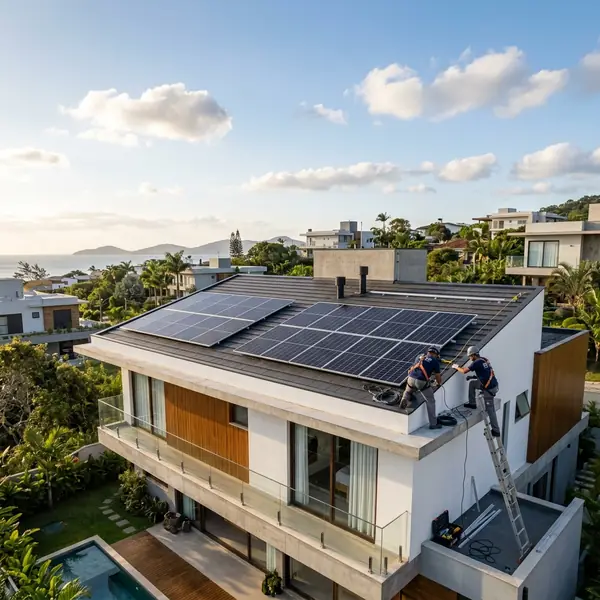
Installing solar panels increases home property value by an average of 3% to 6%, making the home sell faster than non-solar properties. Choosing and installing the right system ensures energy independence and long-term utility bill reductions.
As the world shifts towards renewable energy, solar energy systems have become increasingly popular among homeowners. The appeal of solar energy extends beyond mere sustainability; it also offers financial benefits that can significantly impact property values. This article aims to provide a comprehensive understanding of how solar energy influences home property value, exploring the technology behind solar systems, their economic benefits, and the factors that affect property valuation.
To complement your knowledge on solar energy applications, see our guide on the best solar power banks for camping.
Technology and Detailed Operation
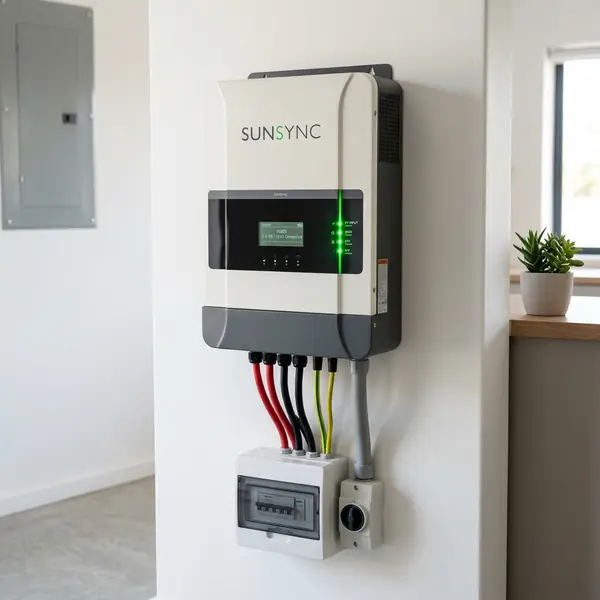
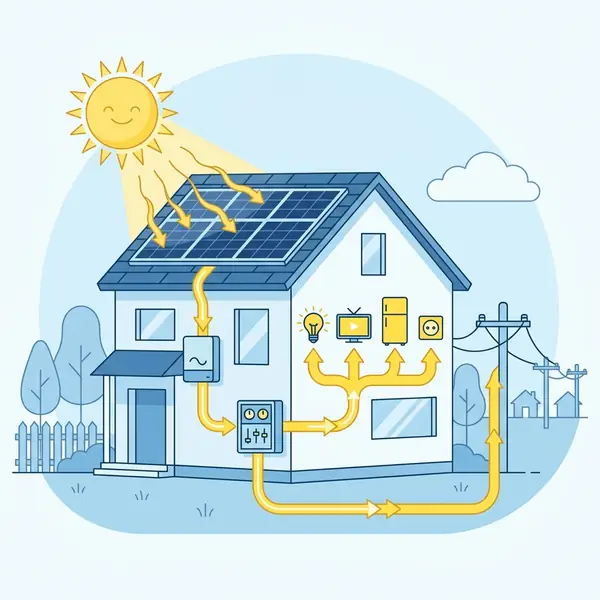
Understanding how solar energy systems work is vital in grasping their impact on property value. Solar panels convert sunlight into electricity through photovoltaic (PV) cells, which are typically made from silicon. When sunlight hits these cells, it generates direct current (DC) electricity.
An inverter then converts this DC electricity into alternating current (AC), suitable for household use.
Solar energy systems can be categorized into different types based on their configuration, including grid-tied, off-grid, and hybrid systems. Each has its operational nuances, impacting both installation costs and property valuation.
1. Grid-Tied Systems
Grid-tied systems are the most common type of solar installation. They connect directly to the local electricity grid, allowing homeowners to utilize solar energy and sell excess power back to the grid. This configuration minimizes reliance on utility power, which can lead to significant savings on energy bills.
Grid-tied solar systems typically require net metering agreements with local utilities, allowing homeowners to receive credits for surplus energy produced. This dynamic can enhance the property's appeal, as prospective buyers recognize the financial savings associated with reduced energy costs.
2. Off-Grid Systems
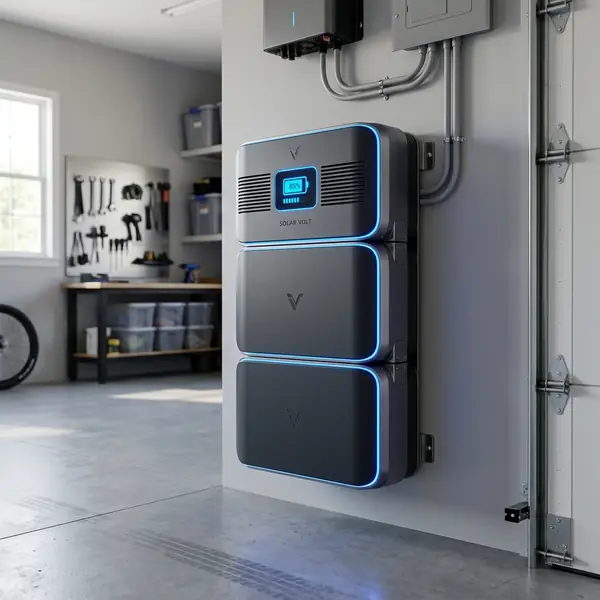
Off-grid systems operate independently of the electricity grid. These setups are ideal for remote areas where grid connection is not feasible. Off-grid systems use batteries to store energy, allowing homeowners to use solar power even when sunlight is not available.
While off-grid systems provide energy independence, they come with higher upfront costs due to batteries and additional hardware. These systems may not contribute as significantly to property value as grid-tied systems, primarily due to their niche appeal.
3. Hybrid Systems
Hybrid systems combine aspects of grid-tied and off-grid systems. They utilize battery storage but can also be connected to the grid. This configuration allows homeowners to store excess energy and utilize it during peak demand times or grid outages.
The versatility of hybrid systems can increase their attractiveness to potential buyers, especially in areas prone to power outages. However, the financial implications of installing such a system can be substantial, influencing its return on investment.
Technical Comparison and Specifications
To better understand how different solar energy systems impact property value, we can compare their specifications and performance. The following table summarizes key technical data for each type of solar energy system:
| System Type | Grid Connection | Battery Storage | Average Cost | Energy Independence | Property Value Increase |
|---|---|---|---|---|---|
| Grid-Tied | Yes | No | $15,000 - $30,000 | Partial | 3% - 6% |
| Off-Grid | No | Yes | $30,000 - $70,000 | Full | 1% - 3% |
| Hybrid | Yes | Yes | $20,000 - $50,000 | High | 4% - 7% |
Advantages and Disadvantages
Investing in solar energy systems comes with both advantages and disadvantages that can affect property value. Understanding these factors can help homeowners make informed decisions.
Advantages
1. Increased Property Value: As previously mentioned, solar energy installations can increase home value by 3% to 6%. The savings on energy bills and potential income from selling excess power are attractive to buyers.
2. Lower Energy Bills: Homeowners can significantly reduce their utility bills. In some cases, they may even eliminate them entirely, providing a substantial financial incentive for potential buyers.
3. Environmental Impact: Solar energy reduces reliance on fossil fuels, contributing to a lower carbon footprint. Environmentally-conscious buyers often prioritize homes with sustainable features.
4. Government Incentives: Many regions offer tax credits, rebates, and other incentives for solar energy installations. These financial benefits can enhance the overall return on investment.
DomineTec Tip: Research local incentives for solar installations. They can significantly affect the ROI and property value.
Disadvantages
1. High Upfront Costs: The initial investment for solar panels can be substantial. While financing options exist, the cost can still deter potential buyers who may not see immediate value.
2. Maintenance Requirements: Although solar energy systems require minimal upkeep, they do need periodic maintenance. Prospective buyers may view this as an additional expense.
3. Aesthetic Concerns: Some buyers may find solar panels unappealing, which can impact their willingness to purchase a home. The visual impact of solar installations can vary based on design and placement.
Installation, Regulation, and Costs
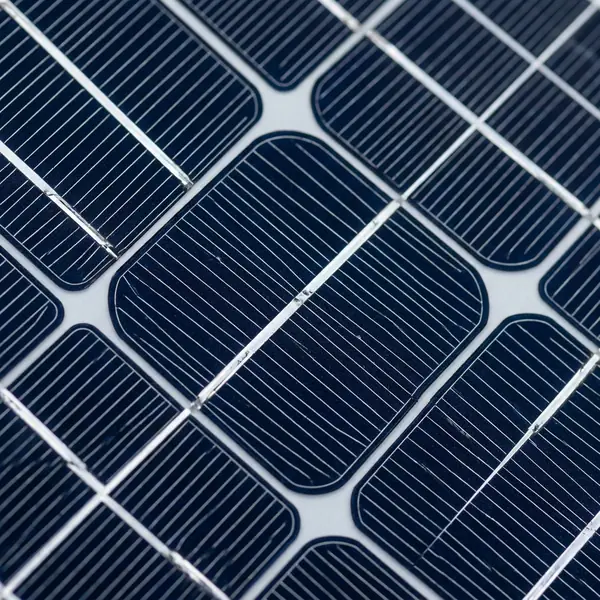
The installation of solar energy systems involves several steps, from planning and permitting to actual installation and grid connection. Understanding these processes, along with associated regulations and costs, is important for homeowners considering solar energy.
Installation Process
1. Site Assessment: A professional installer will conduct an assessment of the property to evaluate solar potential, roof condition, and shading issues.
2. System Design: Based on the assessment, the installer will design a solar energy system tailored to the homeowner's energy needs and property layout.
3. Permitting: Homeowners must apply for permits from local authorities. Regulations vary by location, and this step can influence installation timelines.
4. Installation: Once permits are secured, the installation process begins. This generally takes one to three days for a residential system, depending on complexity.
5. Inspection and Connection: After installation, local authorities will inspect the system to ensure it meets safety standards. Once approved, the system will be connected to the grid.
Regulations and Incentives
Each state and municipality has its own regulations regarding solar energy installations. Homeowners should research local laws to ensure compliance and understand available incentives.
In the United States, federal tax incentives such as the Investment Tax Credit (ITC) allow homeowners to deduct a percentage of solar installation costs from their federal taxes. Several states also offer rebates and financial incentives, which can significantly reduce the effective cost of installing solar energy systems.
For a detailed analysis of whether solar water heaters are a worthy investment, visit our article on is solar water heater worth it.
Costs
The cost of installing solar panels can vary widely based on multiple factors, including system size, type, and location. On average, homeowners can expect to pay between $15,000 and $30,000 for a grid-tied system, while off-grid systems can cost between $30,000 and $70,000.
Financing options such as solar loans, leases, and Power Purchase Agreements (PPAs) can make solar energy more accessible. Understanding these financing avenues can help homeowners navigate the initial investment more comfortably.
Conclusion: Is it worth the investment?
In summary, investing in solar energy can lead to increased property value, reduced energy costs, and a positive environmental impact. The average increase in property value of 3% to 6% makes solar installations an attractive option for many homeowners.
However, prospective buyers should weigh the upfront costs and aesthetic considerations against the long-term benefits. The decision to invest in solar energy should align with the homeowner's financial goals, environmental values, and local market conditions.
As the demand for sustainable energy solutions continues to grow, solar energy will likely remain a valuable asset in the real estate market. Homeowners considering this investment should conduct thorough research, consult professionals, and explore available incentives to maximize their return on investment.
Case Studies: Solar Energy's Impact on Home Property Value
Several studies have investigated the relationship between solar energy systems and home property values. One notable case study was conducted in California, where researchers analyzed over 22,000 home sales between 2000 and 2013. They found that homes with solar energy systems sold for an average of $15,000 more than comparable homes without solar installations.
This study highlighted that the premium homeowners receive for solar installations can vary based on local incentives, energy prices, and the size of the solar system. In areas with higher electricity rates, the increase in property value can be even more significant, as potential buyers recognize the potential savings on energy bills.
Another case study in New York examined the effect of solar panels on home sale prices across urban and suburban areas. The analysis revealed that homes in suburban areas experienced a greater increase in value, averaging $20,000, compared to urban homes, which saw an increase of about $10,000. This discrepancy is attributed to the larger roof space available for solar installations and lower shading from neighboring structures.
These case studies demonstrate that while the exact increase in property value varies, solar energy systems generally enhance a home's marketability and resale price. Homeowners considering a solar investment should consult local real estate experts to better understand how solar can impact their specific market.
Step-by-Step Sizing Guide for Solar Energy Systems
When considering a solar energy system for your home, accurate sizing is key to ensure financial viability and optimal energy production. Below is a step-by-step guide to determine the appropriate size for your solar system.
Step 1: Analyze Your Energy Consumption
Begin by reviewing your utility bills for the past year. Look for total kilowatt-hours (kWh) consumed monthly. This data will help you establish an average monthly consumption rate, which is important for sizing your solar system.
Step 2: Assess Solar Potential
Next, evaluate your home's solar potential. Factors such as roof orientation, tilt, and shading from trees or nearby buildings will affect the amount of sunlight your solar panels can capture. Online tools and solar calculators can assist you in estimating the solar potential based on your geographical location.
Step 3: Calculate the Required System Size
To estimate the size of the solar energy system needed, divide your average monthly consumption (in kWh) by the average number of sunlight hours per day. For example, if your home consumes 900 kWh per month, the average daily consumption would be 30 kWh. Assuming your location receives about 5 hours of sunlight per day, you would need a solar system with a capacity of roughly 6 kW (30 kWh / 5 hours).
Step 4: Consider Panel Efficiency
Solar panels come with varying efficiency ratings, typically ranging from 15% to 22%. Higher efficiency panels convert more sunlight into electricity, requiring less roof space. Factor in the efficiency of the panels you intend to use when calculating the total number of panels needed to meet your energy demands.
Step 5: Factor in System Losses
It’s important to account for system losses due to factors such as inverter efficiency, temperature effects, and shading. A common rule of thumb is to add a 25% buffer to your calculations. If your initial calculation suggests a 6 kW system, you might need to plan for a system closer to 7.5 kW to account for these losses.
Step 6: Consult a Professional Installer
Finally, it’s advisable to engage with a professional solar installer. They can provide a detailed assessment and refine your calculations based on their expertise and the latest technologies available. They will also ensure compliance with local regulations and incentives, maximizing your investment.
Hidden Costs of Solar Energy Systems
Investing in solar energy systems comes with several potential hidden costs that homeowners must consider. Understanding these costs can ensure better financial planning and investment returns.
Installation Costs Beyond Equipment
While the price of solar panels and inverters is often highlighted, installation costs can be substantial. These may include labor fees, permits, and inspections. Additionally, if structural modifications are required to the roof, such as reinforcement or repairs, these costs can significantly increase the overall investment.
Maintenance and Repair Costs
Regular maintenance is important to ensure the longevity and efficiency of solar energy systems. Although solar panels generally require minimal maintenance, occasional cleaning and inspections are necessary. Homeowners should budget for potential repairs, such as inverter replacement or panel damage, which can occur over time.
Insurance and Property Tax Implications
Adding a solar energy system may impact your homeowner's insurance premium. It’s key to consult with your insurance provider to understand how a solar installation could influence your coverage and costs. Furthermore, property taxes might increase depending on local regulations regarding solar investments, which can affect long-term financial planning.
Financing Costs
If you choose to finance your solar energy system, interest rates and loan terms can significantly affect your overall cost. Homeowners should evaluate various financing options, including solar leases and power purchase agreements (PPAs), and consider the long-term financial implications of each choice.
Understanding the hidden costs associated with solar energy systems allows homeowners to make informed decisions, maximizing the financial benefits while mitigating potential risks. By conducting thorough research and seeking professional advice, you can ensure a successful solar investment that enhances your property value and contributes to sustainable living.
For home thermal solutions, discover whether a residential is solar water heater worth it for your configuration.
For research and standardized metrics on global solar cell efficiencies, consult the database of the National Renewable Energy Laboratory (NREL).
Advanced Maintenance Workflows for Solar Energy Systems
Establishing a robust maintenance workflow for solar energy systems is important for maximizing performance and longevity. Below are advanced maintenance practices that homeowners should consider implementing.
Routine Inspections
Schedule routine inspections every six months to identify any potential issues early. During these inspections, check for physical damage to solar panels, loose wiring, and signs of wear on the inverter. Documenting each inspection can help track the system's performance over time.
Cleaning Protocols
While rain can help clean solar panels, dust and debris can accumulate and reduce efficiency. Implement a cleaning schedule based on your local environment. For areas with heavy dust or pollen, a bi-annual cleaning may be necessary.
Use non-abrasive materials and avoid high-pressure washing to prevent damage.
Monitoring System Performance
Utilize monitoring software to track the energy production of your solar energy system. This technology allows homeowners to identify drops in performance, which can indicate maintenance needs. Set alerts for significant production drops to ensure timely investigations and repairs.
Inverter Maintenance
The inverter is a key component of a solar energy system. Regularly check for error codes and performance metrics. Most modern inverters come with monitoring features that provide real-time data, helping owners ensure optimal operation.
Professional Maintenance Services
Consider engaging professional maintenance services annually. These experts can provide in-depth inspections, including electrical testing and performance evaluations. Their expertise can help uncover potential issues that may not be visible during routine inspections.
By implementing these advanced maintenance workflows, homeowners can enhance the efficiency and longevity of their solar energy systems. A well-maintained system not only maximizes energy production but also contributes positively to property value, ultimately ensuring a worthwhile investment.
Frequently Asked Questions
What is the average payback period for home solar?
The average payback period in the US ranges between 5 and 9 years, depending on state incentives and utility rates.
Do solar panels generate electricity without direct sunlight?
Yes, they produce power on cloudy days but at a reduced capacity of 10% to 25%. They do not generate electricity at night.
How much maintenance do home solar panels require?
Maintenance is minimal, typically involving cleaning the panels twice a year and performing a system health check.
Do I need battery storage for my solar energy system?
It is not required for grid-tied systems, but batteries are vital for off-grid operations or backup power during grid blackouts.
Can I completely eliminate my monthly electricity bill?
You cannot reach absolute zero because most utilities charge a basic monthly grid connection fee regardless of production.




