DJI Mini 4 Pro Review: 10 Pros and 3 Cons — Is It Worth It?

Introduction
The DJI Mini 4 Pro offers impressive features and performance, making it a strong contender in the drone market. This compact drone has garnered attention for its advanced capabilities, but is it worth the investment? In this review, we will delve deep into the pros and cons of the Mini 4 Pro, providing you with a comprehensive understanding to make an informed decision.

Overview of the DJI Mini 4 Pro
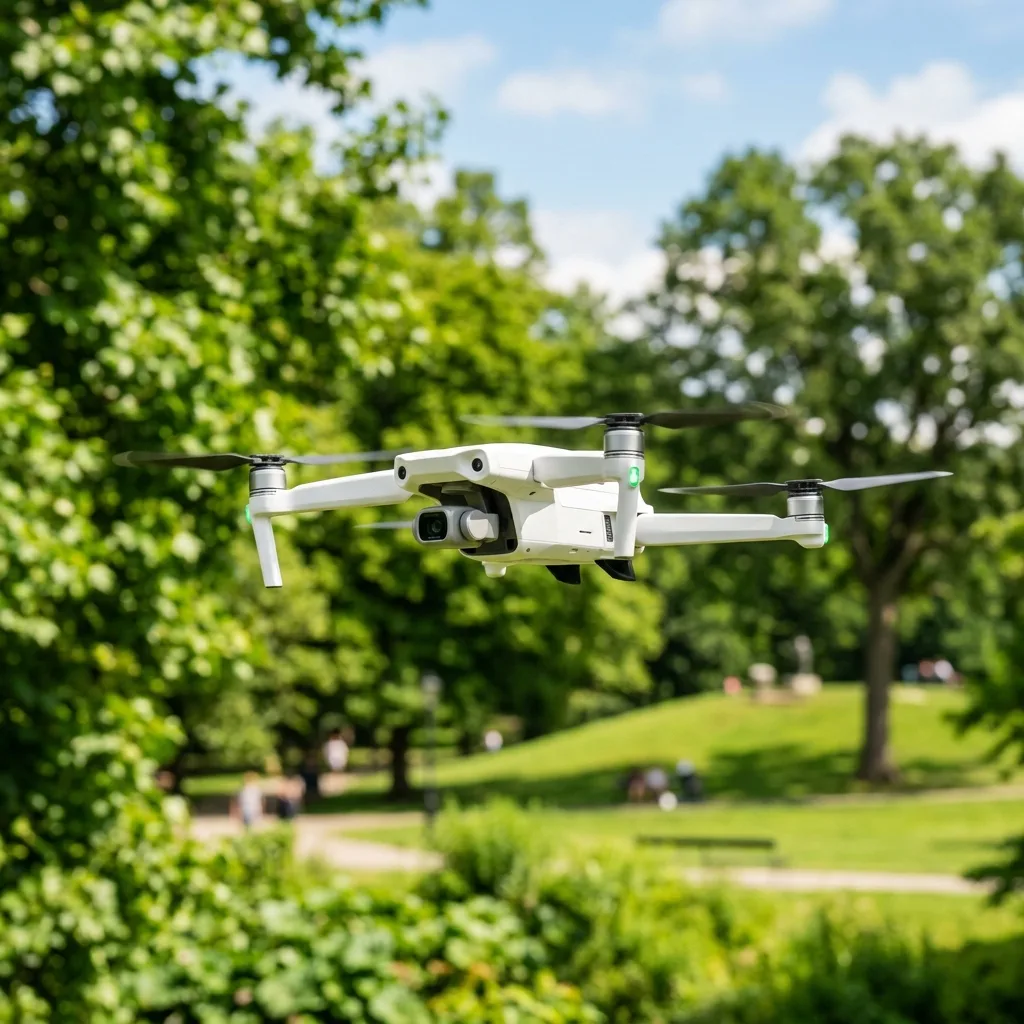
The DJI Mini 4 Pro is designed for both hobbyists and professionals, featuring a lightweight design and robust performance metrics. With a 4K camera, enhanced flight features, and user-friendly controls, this drone is ideal for capturing stunning aerial footage.
Specifications
| Feature | Specification |
|---|---|
| Camera Resolution | 48 MP |
| Max Flight Time | 34 minutes |
| Weight | 249 grams |
| Transmission Range | 10 km |
| Video Resolution | 4K at 60fps |
The specifications highlight the drone's capability to deliver high-quality imagery while maintaining ease of use.
Pros of the DJI Mini 4 Pro
1. Impressive Camera Quality
The Mini 4 Pro's 48 MP camera offers stunning clarity and detail in photos. Its ability to shoot 4K video at 60fps is particularly appealing for videographers.

2. Long Battery Life
With a maximum flight time of 34 minutes, the Mini 4 Pro allows for extended shooting sessions, reducing the need for frequent recharges.
3. Lightweight Design
Weighing only 249 grams, this drone is incredibly portable, making it easy to carry for travel and outdoor adventures.
4. Advanced Flight Features
The drone includes various intelligent flight modes, such as Follow Me and Point of Interest, enhancing its usability for different scenarios.
5. User-Friendly Controls
Even beginners will find the control interface intuitive, making it accessible for those new to flying drones.
6. Robust Safety Features
The inclusion of obstacle avoidance sensors significantly enhances flight safety, ensuring a smoother flying experience.
7. HDR Capabilities
The HDR mode improves dynamic range in photos and videos, making it easier to shoot in challenging lighting conditions.
8. Customizable Settings
Users can adjust various settings, allowing for a more tailored flying experience that suits their preferences.
9. Strong Build Quality
DJI has a reputation for durability, and the Mini 4 Pro is no exception, designed to withstand minor impacts.
10. Competitive Pricing
When compared to similar models on the market, the Mini 4 Pro offers a compelling balance of features and affordability.
Cons of the DJI Mini 4 Pro
1. Limited Wind Resistance
While the Mini 4 Pro performs well in calm conditions, it can struggle in windy environments, limiting its usability.
2. No 60fps at 4K in All Modes
Some users may be disappointed that not all shooting modes support 60fps at 4K resolution, which could hinder creative options.
3. Additional Costs for Accessories
While the base model is competitively priced, additional accessories, such as extra batteries and storage, can increase overall costs.
Is the DJI Mini 4 Pro Worth It?
The decision to invest in the DJI Mini 4 Pro ultimately depends on your specific needs. For those seeking high-quality imaging capabilities and user-friendly operation, this drone presents significant value.
However, if you often fly in challenging weather or require extensive accessory support, you may want to consider alternatives. Overall, the Mini 4 Pro stands out as a reliable choice for both enthusiasts and professionals.
Conclusion
In conclusion, the DJI Mini 4 Pro combines advanced technology with an accessible design, making it a noteworthy addition to the drone market. With its impressive camera capabilities, long battery life, and user-friendly controls, it is an excellent choice for various users.
For those looking to expand their drone knowledge, consider checking out our guide on the best cheap drones or budget-friendly options.
FAQs
What is the maximum flight time of the DJI Mini 4 Pro?
The maximum flight time is approximately 34 minutes under ideal conditions.
Is the DJI Mini 4 Pro suitable for beginners?
Yes, the Mini 4 Pro is designed with user-friendly controls that make it accessible for novices.
Can the Mini 4 Pro be flown in windy conditions?
It is best to avoid flying the Mini 4 Pro in high winds, as it may struggle to maintain stability.
Advanced Camera Features and Image Processing Capabilities
The DJI Mini 4 Pro is equipped with an impressive suite of camera features that cater to both amateur and professional photographers. With a 1/1.3-inch CMOS sensor, the drone captures images at a resolution of 48 MP, providing exceptional detail and clarity. This sensor size is particularly notable in a drone of this class, as it enables better performance in low-light conditions and enhances dynamic range. The Mini 4 Pro’s ability to shoot in RAW format allows for greater flexibility in post-processing, making it an attractive option for users who require high-quality image outputs.
Among the standout features is the dual native ISO technology, which allows the camera to maintain high image quality in various lighting situations. This technology is often found in high-end cinema cameras and significantly improves the drone's ability to produce clean images without introducing noise, especially during twilight or dawn. Furthermore, the integration of advanced HDR capabilities ensures that users can capture the full range of luminance in their scenes, from the darkest shadows to the brightest highlights, without losing detail.
Additionally, the Mini 4 Pro employs sophisticated image processing algorithms that enhance the overall visual quality of captured images. These algorithms utilize machine learning techniques to automatically adjust color profiles, sharpness, and contrast based on the scene being photographed. This level of intelligent processing is highly important for achieving professional-grade results without requiring extensive manual adjustments. The drone also supports multiple shooting modes, including Timed Shot, Burst Mode, and AEB (Auto Exposure Bracketing), which provide users with various options to capture images that best suit their creative vision.
Video capabilities are equally impressive, with the Mini 4 Pro offering 4K video recording at up to 60 frames per second (fps). This allows for stunningly smooth footage, ideal for cinematic productions. Furthermore, the drone supports various frame rates, including 120 fps in 1080p, enabling users to create dramatic slow-motion effects. The inclusion of H.264 and H.265 codecs provides flexibility in file size and quality, allowing for efficient storage and editing workflows.
For those focused on creating content for social media, the Mini 4 Pro features a range of intelligent shooting modes that automate complex maneuvers and capture stunning shots with minimal effort. These features include FocusTrack, which enables the drone to autonomously follow subjects, and Mastershots, which combines a series of predefined maneuvers to create a polished video output. Such capabilities significantly reduce the learning curve for novice users while providing seasoned pilots with tools to enhance their storytelling through aerial imagery.
In terms of practical applications, the advanced imaging features of the Mini 4 Pro can be utilized across various industries, from real estate and tourism to landscape photography and filmmaking. The drone's ability to capture high-resolution images and smooth video can aid in showcasing properties, promoting tourist destinations, or documenting events. As such, it is fundamental for users to familiarize themselves with the camera settings and shooting modes to maximize the potential of the Mini 4 Pro in diverse scenarios.
Flight Performance and Navigation Systems
The flight performance of the DJI Mini 4 Pro is a significant factor that enhances its appeal to both casual users and professional operators. Featuring advanced propulsion technology, the drone achieves a maximum flight time of up to 34 minutes under optimal conditions. This extended flight capability allows users to cover larger areas without the need for frequent battery changes, which is particularly beneficial for landscape photography and surveying tasks. The power-to-weight ratio has been optimized, ensuring that the Mini 4 Pro can maintain stable flight even in challenging environmental conditions, such as moderate wind.
Equipped with the latest in navigation technology, the Mini 4 Pro leverages a combination of GPS, GLONASS, and BeiDou satellite systems to provide accurate positioning and stable hovering capabilities. This multi-constellation support enhances the reliability of the drone's navigation, making it less susceptible to signal interference. Additionally, the Mini 4 Pro features advanced obstacle avoidance systems through its Forward, Backward, and Downward vision sensors. These sensors allow the drone to detect and avoid obstacles in real-time, significantly reducing the risk of accidents during flight. The integration of these systems is highly important for maintaining safety, especially in complex environments like urban areas or densely wooded regions.
The user interface for controlling the Mini 4 Pro is designed to be intuitive, with the DJI Fly app serving as the primary control hub. The app provides real-time telemetry data, including altitude, speed, battery life, and satellite connection status. Users can also customize flight parameters, allowing for tailored performance based on specific needs. For example, the app offers a Sport Mode that increases the drone's responsiveness and speed, making it suitable for dynamic shooting scenarios.
In addition to these features, the Mini 4 Pro supports advanced flight modes such as Waypoint, Point of Interest, and Course Lock. These modes allow users to automate complex flight paths and focus on capturing high-quality images and videos. The Waypoint mode, for instance, enables users to predefine a series of GPS coordinates for the drone to follow, ensuring precise control over the flight path. Such capabilities are invaluable for professional applications, including mapping and surveying, where accuracy and repeatability are critical.
Moreover, the Mini 4 Pro incorporates a robust return-to-home (RTH) feature, which activates when the battery level is low or the drone loses connection with the controller. This feature enhances safety by ensuring that the drone returns to its launch point autonomously, minimizing the risk of loss. Users can also customize the RTH altitude to avoid obstacles in the vicinity, further improving safety during the return process.
Overall, the flight performance and navigation systems of the DJI Mini 4 Pro represent a significant advancement in drone technology, combining safety, reliability, and ease of use. By understanding these systems, users can effectively leverage the Mini 4 Pro's capabilities to enhance their aerial photography and videography experiences. Whether capturing breathtaking landscapes or conducting professional surveys, the Mini 4 Pro stands out as a versatile tool that meets the demands of various applications in the ever-evolving drone industry.

Advanced Flight Modes and Intelligent Features
The DJI Mini 4 Pro introduces an array of advanced flight modes and intelligent features that significantly enhance the user experience, catering to both novice and experienced drone operators. Understanding these features is fundamental for maximizing the capabilities of this compact yet powerful aerial device. Among the most notable is the FocusTrack suite, which includes ActiveTrack, Spotlight, and Point of Interest. ActiveTrack allows the drone to autonomously follow a subject while maintaining a safe distance and optimal framing. This is achieved through advanced computer vision algorithms that analyze the subject's movement in real-time.
Spotlight mode provides a way to keep the camera focused on a subject while the operator maneuvers the drone freely in any direction. This mode is particularly useful for capturing dynamic shots in action sports or events where subjects may be in constant motion. Point of Interest mode enhances creative filming by allowing the drone to orbit around a specific point, making it ideal for establishing shots in cinematic productions.
Another standout feature is the new Mastershots capability, which automates a series of pre-defined maneuvers to capture stunning videos effortlessly. Users can select a subject, and the Mini 4 Pro will execute a complex flight plan that includes various cinematic angles, transitions, and movements, resulting in a professional-looking video without requiring advanced piloting skills. Additionally, the QuickShots feature simplifies the process of creating engaging videos by offering one-tap solutions for popular aerial maneuvers such as Dronie, Helix, and Rocket.
Furthermore, the Mini 4 Pro is equipped with enhanced obstacle avoidance systems, utilizing advanced sensors that provide omnidirectional obstacle detection. This feature significantly reduces the risk of collision, allowing operators to focus more on capturing stunning imagery rather than constantly monitoring the drone's surroundings. The combination of these intelligent features not only improves flight safety but also empowers users to explore their creative potential with ease.
In practical terms, understanding these flight modes and features involves a roadmap to becoming proficient in their use. Operators should begin by familiarizing themselves with the DJI Fly app, which serves as the control interface for the Mini 4 Pro. The app provides tutorials and guidance on how to effectively utilize each flight mode. Regular practice in various environments will also help build confidence and skill in using the drone's capabilities. It is advisable to start in open areas where there are fewer obstacles, gradually progressing to more complex shooting scenarios as proficiency increases.
Connectivity and Data Management Protocols
As drone technology continues to evolve, the importance of robust connectivity and data management protocols cannot be overstated, particularly for devices like the DJI Mini 4 Pro. This drone utilizes the latest OcuSync 4.0 transmission technology, which significantly enhances the range, stability, and quality of the video feed. OcuSync 4.0 offers a transmission distance of up to 12 kilometers, allowing operators to maintain a reliable connection even when flying at considerable distances. This is particularly beneficial for aerial photography and videography, where a stable video feed is highly important for framing shots accurately.
The Mini 4 Pro also supports dual-frequency transmission, operating on both the 2.4GHz and 5.8GHz bands. This dual-band capability enables the drone to automatically switch between frequencies based on environmental conditions, ensuring the least interference and optimal transmission quality. Operators can thus enjoy a seamless flying experience, even in urban environments where signal disruption may be more prevalent.
Moreover, the drone's onboard data management system is designed to streamline the process of capturing and storing high-resolution images and videos. The Mini 4 Pro can record 4K video at 60 frames per second and capture 48MP still images, making it a powerful tool for professional content creators. However, such high-definition media requires efficient storage solutions. The drone supports microSD cards with a capacity of up to 512GB, allowing for extensive recording sessions without the need for frequent data transfer.
For effective data management, operators should adopt a structured approach to storing and organizing their media files. This includes regularly backing up footage to cloud storage or external hard drives, categorizing files based on projects, and maintaining a systematic archive of all recorded material. Implementing a naming convention for files can also simplify retrieval and editing processes, ultimately enhancing workflow efficiency.
To ensure optimal performance, firmware updates are fundamental. The DJI Mini 4 Pro regularly receives updates that can improve flight stability, enhance features, and fix any potential bugs. Operators should establish a routine for checking and applying firmware updates through the DJI Fly app, which provides notifications and guides users through the update process. Adhering to these connectivity and data management protocols not only maximizes the operational capabilities of the Mini 4 Pro but also ensures that the user experience remains smooth and efficient.




