7 Best Cheap Drones with Good Camera for Beginners [2026]
![7 Best Cheap Drones with Good Camera for Beginners [2026]](/images/posts/drone-budget-sunset.webp)
Introduction
Finding a budget-friendly drone with a quality camera is fundamental for beginners. The market is filled with options that cater to new pilots. This guide highlights the best cheap drones that provide excellent camera capabilities without breaking the bank.
Why Choose a Drone for Photography?
Drones have transformed the way we capture aerial photography. They enable users to take stunning photos and videos from unique perspectives. Beginners can explore their creativity with these affordable options.

Key Considerations When Buying a Cheap Drone
When selecting a drone, consider the camera quality, flight time, range, and ease of use. These factors will influence your experience significantly. Here’s a closer look at what to prioritize:
Camera Quality
The camera is the heart of any drone. Look for drones that offer at least 1080p resolution for clear imagery. Some models even provide 4K video capabilities at budget-friendly prices.
Flight Time
Flight time typically ranges from 15 to 30 minutes. A longer battery life allows for extended shooting sessions without frequent interruptions. Consider extra batteries for longer excursions.
Range and Control
Most drones have a control range between 200 to 2000 meters. Ensure the drone can maintain a stable connection for optimal performance. Look for models that offer advanced stability features.
Top 7 Best Cheap Drones with Good Camera for Beginners
| Model | Camera | Flight Time | Range | Price |
|---|---|---|---|---|
| DJI Mini SE | 12MP, 2.7K | 30 mins | 4000m | $299 |
| Holy Stone HS720 | 12MP, 4K | 26 mins | 1000m | $299 |
| Snaptain SP350 | 720P | 10 mins | 100m | $99 |
| Potensic D80 | 1080P | 20 mins | 300m | $159 |
| Ryze Tello | 5MP, 720P | 13 mins | 100m | $99 |
| Eachine E520S | 4K | 16 mins | 300m | $169 |
| DJI Tello EDU | 5MP | 13 mins | 100m | $129 |
1. DJI Mini SE
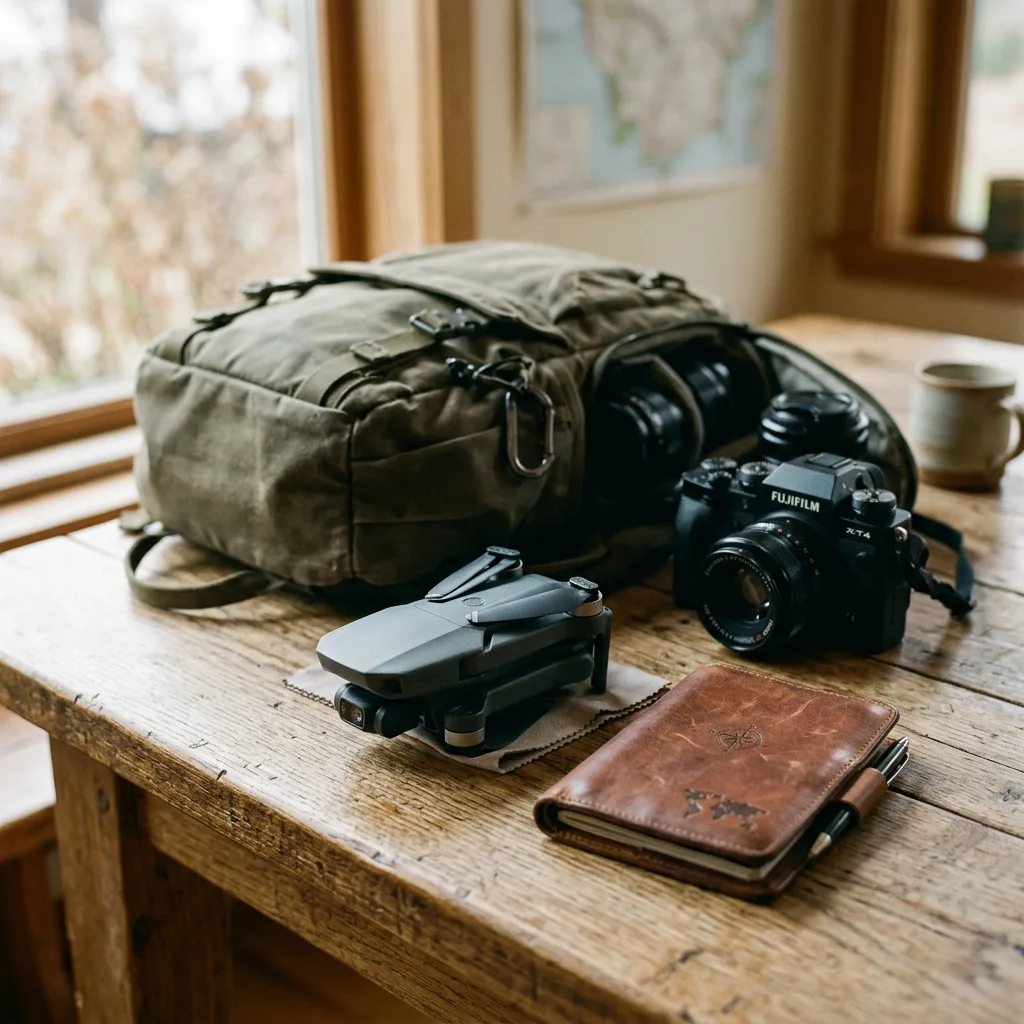
The DJI Mini SE is a fantastic choice for beginners. It features a powerful 12MP camera capable of shooting 2.7K video. With a flight time of up to 30 minutes, it allows for extensive aerial photography sessions.
2. Holy Stone HS720
The Holy Stone HS720 offers a 4K camera, allowing for exceptional video quality. This drone is easy to control, making it perfect for those just starting. It also provides a stable flight experience with GPS-assisted features.
3. Snaptain SP350
Budget-conscious users will appreciate the Snaptain SP350. While it has a lower camera quality of 720P, it’s an excellent entry-level drone. It includes features like headless mode, making it easy to fly.
4. Potensic D80
The Potensic D80 is equipped with a 1080P camera and has a flight time of 20 minutes. This drone balances performance and affordability, making it a suitable choice for beginners. It also features a user-friendly app for easy control.
5. Ryze Tello
The Ryze Tello is perfect for users who want an ultra-portable option. Its 5MP camera shoots 720P video, and it’s incredibly easy to fly. It’s a great starter drone for those looking to learn the basics.
6. Eachine E520S
With a 4K camera, the Eachine E520S is an excellent budget option for those wanting high-quality footage. It includes GPS functions and a one-key return feature, enhancing the flying experience for beginners.
7. DJI Tello EDU
The DJI Tello EDU is designed for educational purposes but can also be perfect for beginners. It features a 5MP camera and offers programmable features, which can help users learn coding while flying.
Conclusion
Choosing the right budget drone is fundamental for beginners eager to explore aerial photography. Each of these models provides unique features suitable for various needs. Consider your requirements and budget to find the perfect match.
Frequently Asked Questions
What is the best cheap drone for beginners?
The DJI Mini SE stands out as one of the best options due to its camera quality and flight time.
How much should I spend on a beginner drone?
Generally, a budget of $100 to $300 will provide you with a solid entry-level drone.
Can I fly a drone without a license?
In many countries, flying drones under a certain weight does not require a license. Always check local regulations.
Understanding Drone Camera Specifications and Their Impact on Image Quality
When selecting a budget-friendly drone with a good camera, it is highly important to comprehend the various specifications that contribute to image quality. Several factors, including sensor size, resolution, lens quality, and image processing algorithms, play a significant role in determining the overall performance of a drone's camera. Understanding these specifications can help beginners make more informed decisions when choosing their first drone.
The sensor size is one of the most critical elements affecting image quality. Larger sensors typically capture more light, resulting in higher-quality images, especially in low-light conditions. Many budget drones feature smaller sensors, such as 1/2.3 inches, which may limit performance in challenging lighting. However, some higher-end budget models or slightly older mid-range drones may offer larger sensors, which can significantly enhance image quality.
Resolution, often measured in megapixels (MP), is another vital specification. While higher resolutions provide more detail, it is fundamental to consider the balance between resolution and sensor size. A 12 MP image from a larger sensor can often outperform a 20 MP image from a smaller sensor due to the increased light sensitivity and dynamic range. For beginners, a drone with a resolution of 12 to 16 MP is generally sufficient for casual photography and videography.
Lens quality also impacts image quality. The field of view (FOV) and aperture size are important considerations. A wider FOV allows for more of the scene to be captured, which is beneficial for landscape photography. Conversely, a narrower FOV might be more suitable for capturing specific subjects without distortion. Additionally, an adjustable aperture allows the user to control the amount of light entering the camera, which can be especially useful in varying lighting conditions. For budget drones, fixed aperture lenses are common, but understanding the implications can guide users in achieving the best results.
Image processing algorithms play a highly important role in post-capture image quality. These algorithms process the raw data captured by the sensor to produce the final image. Advanced noise reduction techniques, dynamic range optimization, and color correction can significantly enhance the quality of images taken by budget drones. Some manufacturers incorporate proprietary processing algorithms that may yield better results than standard processing. Therefore, researching user reviews and sample images can provide insights into the effectiveness of a drone’s camera processing capabilities.
Another important aspect for beginners is understanding the camera modes and settings available on their drones. Most budget drones come equipped with various shooting modes, such as single shot, burst mode, and time-lapse. Familiarizing oneself with these modes and their applications can help users capture more dynamic and creative shots. Furthermore, an understanding of exposure settings, such as ISO, shutter speed, and white balance, allows users to tweak their settings to achieve optimal results in different conditions.
In addition to understanding specifications, practical experience is invaluable. Beginners are encouraged to practice flying their drones in different environments and lighting conditions to see how camera performance varies. Experimenting with various settings and capturing diverse subjects will enhance one's skills and understanding of both the drone's capabilities and the art of aerial photography. By grasping these technical aspects, users can maximize their investment in a budget-friendly drone while developing their photography skills.
Regulatory Considerations for Flying Drones: A Beginner’s Guide
As the popularity of drones continues to soar, understanding the regulatory landscape is fundamental for beginners who wish to fly their drones legally and safely. Regulatory frameworks vary by country, and it is highly important to be aware of the specific laws governing drone use in the region of operation. In many countries, drone regulations are enforced by aviation authorities, which have established guidelines for safe and responsible drone operation.
In the United States, the Federal Aviation Administration (FAA) is responsible for regulating all aspects of civil aviation, including drone usage. For recreational drone pilots, the FAA has set forth a series of rules under the Special Rule for Model Aircraft. These guidelines stipulate that drones must be flown below 400 feet, within visual line of sight, and not near airports or populated areas. Furthermore, recreational pilots are required to register their drones if they weigh more than 0.55 pounds. The registration process is straightforward and can be completed online, providing a unique identification number that must be displayed on the drone.
For those interested in commercial drone use, a more comprehensive set of regulations applies. Pilots are required to obtain a Remote Pilot Certificate, which involves passing a written knowledge test that covers topics such as airspace classification, weather, and drone operation. Additionally, commercial drone operators must adhere to Part 107 regulations, which mandate specific operational limitations, such as flying only during daylight hours and avoiding flying over people unless certain conditions are met.
Beyond national regulations, local laws and ordinances may impose additional restrictions. Many cities and states have enacted laws that prohibit drone flights in certain areas, such as parks, schools, and residential neighborhoods. Therefore, it is advisable for beginners to research local drone laws and obtain any necessary permits before flying. Ignoring these regulations can result in fines or, in severe cases, criminal charges.
Another significant aspect of drone regulations is privacy concerns. Drones equipped with cameras can inadvertently infringe on the privacy of individuals. It is fundamental to respect others' privacy while flying a drone, which includes avoiding flying over private property without permission. Beginners should familiarize themselves with privacy laws specific to their location, as these laws can vary widely.
Furthermore, understanding the concept of geofencing is highly important for drone pilots. Many modern drones come equipped with geofencing technology, which restricts flight in certain areas, such as airports or restricted airspace. This technology helps ensure that novice pilots do not inadvertently fly into dangerous or restricted zones. It is fundamental to verify whether the drone being considered has geofencing capabilities and to understand how it functions.
Finally, it is advisable to stay informed about any changes in regulations or new technologies that may affect drone operation. Regulatory bodies frequently update their rules to address emerging concerns, such as safety and security. Joining local drone clubs or online forums can provide valuable insights and networking opportunities with other drone enthusiasts, ensuring that beginners remain aware of the latest developments in the drone industry.
By understanding the regulatory framework and adhering to local laws, beginner drone pilots can enjoy their flying experiences while minimizing risks and ensuring safety for themselves and others. Knowledge of regulations not only fosters a responsible approach to drone operation but also enhances the overall enjoyment of this exciting hobby.
Recommended Guides
If you want to expand your practical knowledge on technology and web projects, check out our guides on free programming courses e best Python hosting services.
Understanding Drone Camera Specifications
When selecting a budget-friendly drone with a high-quality camera, it is fundamental to comprehend the various camera specifications that influence image and video quality. The primary specifications to consider include sensor size, resolution, frame rate, and lens quality. Each of these attributes plays a vital role in the overall photographic capabilities of a drone.
The sensor size directly impacts the amount of light captured, which subsequently affects image clarity and detail. A larger sensor typically results in better low-light performance and a wider dynamic range, fundamental for capturing details in both shadows and highlights. For beginners, drones equipped with a 1/2.3-inch sensor are common and offer a good balance between cost and performance. However, for those aiming for superior image quality, looking for drones that feature larger sensors, like the 1-inch type, can yield significantly better results.
Resolution, measured in megapixels, determines the level of detail in still images. A higher megapixel count allows for larger prints and cropping flexibility. Most entry-level drones provide resolutions ranging from 12 to 20 megapixels, which is typically sufficient for casual photography and social media sharing. Additionally, the capability to shoot in RAW format can enhance post-processing options, giving photographers greater control over editing.
Frame rate is highly important for video recording. Standard frame rates include 24, 30, and 60 frames per second (fps). A higher frame rate, such as 60 fps, is beneficial for capturing fast-moving subjects smoothly and is preferable for action shots. For cinematic quality, drones that can record at 4K resolution at 30 fps or higher are ideal. It is also important to consider the bit rate, which affects the overall video quality; higher bit rates typically result in better video fidelity.
Lastly, lens quality must not be overlooked. The lens affects the field of view (FOV), distortion levels, and overall sharpness of images. Most drones come with fixed lenses, but some offer interchangeable options. A FOV of around 90 to 120 degrees is common and provides a good perspective for aerial photography without excessive distortion. Understanding these camera specifications allows consumers to make informed decisions when choosing a drone that meets their photography needs while remaining budget-friendly.
Flight Modes and Safety Features in Budget Drones
Flight modes and safety features are pivotal when assessing the usability of budget drones, especially for beginners. Most consumer drones come equipped with several flight modes that cater to varying skill levels and purposes. Understanding these modes helps users maximize their flying experience while ensuring safety and control.
Common flight modes include GPS Mode, Altitude Hold, and Follow Me. GPS Mode utilizes satellite signals to maintain a stable hover and allows for precise navigation. This is particularly beneficial for beginners, as it reduces the likelihood of losing the drone or crashing. Altitude Hold is another fundamental feature, enabling the drone to maintain a consistent height, allowing users to focus on capturing images or videos without constantly adjusting altitude. The Follow Me mode uses GPS to track the user’s location, ideal for capturing dynamic shots during activities like hiking or biking.
In addition to flight modes, safety features such as Automatic Return to Home (RTH) are highly important for novice pilots. RTH ensures that the drone returns to its takeoff point if the battery is low or if the connection with the controller is lost. This feature mitigates the risk of losing the drone and provides peace of mind during flights. Furthermore, drones equipped with obstacle avoidance sensors can significantly enhance safety by detecting and avoiding obstacles in their flight path, reducing the chances of collisions.
It is also vital to consider the drone's firmware and software capabilities. Regular updates are necessary to ensure that safety protocols and features are current. Some manufacturers provide mobile apps that offer real-time telemetry data, including battery life, flight time, and GPS signal strength, all of which are fundamental for informed flying. Additionally, these apps often include features such as geofencing, which restricts the drone's flight area to prevent accidental incursions into restricted zones.
In conclusion, understanding flight modes and safety features is fundamental for beginners aiming to make the most out of their drone experience. By selecting a drone that offers a robust set of features, users can ensure a safer and more enjoyable flying experience while developing their piloting skills.




