Cybersecurity Consulting Services: The Complete Vulnerability Analysis Guide

Cybersecurity Consulting Services: Complete Buyer’s Guide Before You Hire a Security Firm
If your company is searching for cybersecurity consulting services, it usually is not because someone is simply curious about security.
What Are Cybersecurity Consulting Services in One Sentence?
Cybersecurity consulting services help companies reduce security risk, accelerate enterprise trust, strengthen compliance, and protect revenue before expensive incidents happen.
It is because risk has already started to cost money.
Maybe:
an enterprise client is demanding a security review
SOC 2 Compliance, ISO 27001 Auditing, Data Protection, Encryption, and Stra" title="Cybersecurity Consulting Services: The Complete Vulnerability Analysis Guide - Managed Cybersecurity Services and Vulnerability Analysis for Enterprise B2B SaaS, Fintech, and Cloud Infrastructure. Proactive Threat Detection, SOC 2 Compliance, ISO 27001 Auditing, Data Protection, Encryption, and Stra" class="w-full rounded-2xl shadow-2xl aspect-[16/9] object-cover transition-transform hover:scale-[1.02] duration-500" loading="lazy" />
an audit exposed serious security gaps
your IT team lost visibility over real risks
SOC 2 Compliance, ISO 27001 Auditing, Data Protection, Encryption, and Stra" title="Cybersecurity Consulting Services: The Complete Vulnerability Analysis Guide - Managed Cybersecurity Services and Vulnerability Analysis for Enterprise B2B SaaS, Fintech, and Cloud Infrastructure. Proactive Threat Detection, SOC 2 Compliance, ISO 27001 Auditing, Data Protection, Encryption, and Stra" class="w-full rounded-2xl shadow-2xl aspect-[16/9] object-cover transition-transform hover:scale-[1.02] duration-500" loading="lazy" />
leadership is worried about data exposure
the company needs to move forward with SOC 2 or ISO 27001
contracts are slowing down because buyers do not trust your operational maturity
vendors are creating invisible third-party risks
the business is growing faster than security governance
This is the moment cybersecurity stops being just an IT issue.
And becomes a revenue decision.
Because weak security creates:
delayed enterprise contracts
compliance failures
SOC 2 Compliance, ISO 27001 Auditing, Data Protection, Encryption, and Stra" title="Cybersecurity Consulting Services: The Complete Vulnerability Analysis Guide - Managed Cybersecurity Services and Vulnerability Analysis for Enterprise B2B SaaS, Fintech, and Cloud Infrastructure. Proactive Threat Detection, SOC 2 Compliance, ISO 27001 Auditing, Data Protection, Encryption, and Stra" class="w-full rounded-2xl shadow-2xl aspect-[16/9] object-cover transition-transform hover:scale-[1.02] duration-500" loading="lazy" />legal exposure
expensive incidents
SOC 2 Compliance, ISO 27001 Auditing, Data Protection, Encryption, and Stra" title="Cybersecurity Consulting Services: The Complete Vulnerability Analysis Guide - Managed Cybersecurity Services and Vulnerability Analysis for Enterprise B2B SaaS, Fintech, and Cloud Infrastructure. Proactive Threat Detection, SOC 2 Compliance, ISO 27001 Auditing, Data Protection, Encryption, and Stra" class="w-full rounded-2xl shadow-2xl aspect-[16/9] object-cover transition-transform hover:scale-[1.02] duration-500" loading="lazy" />
customer trust loss
procurement problems
cyber insurance friction
reputation damage that is difficult to reverse
And sometimes:
one single incident costs more than years of preventive consulting.
That is why searches for cybersecurity consulting services usually come from:
CTOs
SOC 2 Compliance, ISO 27001 Auditing, Data Protection, Encryption, and Stra" title="Cybersecurity Consulting Services: The Complete Vulnerability Analysis Guide - Managed Cybersecurity Services and Vulnerability Analysis for Enterprise B2B SaaS, Fintech, and Cloud Infrastructure. Proactive Threat Detection, SOC 2 Compliance, ISO 27001 Auditing, Data Protection, Encryption, and Stra" class="w-full rounded-2xl shadow-2xl aspect-[16/9] object-cover transition-transform hover:scale-[1.02] duration-500" loading="lazy" />
CISOs
founders
IT directors
compliance managers
risk leaders
procurement teams
enterprise buyers evaluating vendors
These are not casual readers.
They are buyers.
They want answers like:
How much do cybersecurity consulting services cost?
Is it better to hire an external firm or build internally?
What should actually be included in the service?
How do we choose the right provider?
Which red flags show that a vendor is weak?
How does consulting help with SOC 2, ISO 27001, and audits?
Does the ROI actually justify the investment?
This guide answers exactly that.
From a buyer’s perspective.
Not with generic security theory.
Because hiring a cybersecurity consulting firm without a decision framework is not protection.
It is risk.
What Are Cybersecurity Consulting Services?
Cybersecurity consulting services are specialized services that help companies identify real risks, strengthen security controls, reduce operational exposure, and create defensible trust with customers, auditors, investors, and enterprise buyers.
This is not just about installing antivirus software or buying more tools.
It is about building:
operational trust
That work usually includes:
vulnerability assessment
security assessment
cybersecurity audit
incident response planning
vendor risk management
privileged access reviews
compliance readiness
SOC 2 preparation
ISO 27001 readiness
GDPR and privacy readiness
cloud security posture review
security operations maturity
governance review
Strong consulting does not sell fear.
It reduces uncertainty.
That difference matters.
Because many companies buy software.
When what they actually need is:
risk clarity + executive decision confidence
Why Companies Hire Cybersecurity Consulting Services
Almost never because someone simply said:
“We should improve security.”
Usually because business friction has already started.
The real reasons are:
Enterprise customers do not trust the current maturity
Audits are becoming harder
Procurement is slowing deals
Leadership wants visibility into real exposure
Internal teams are overloaded
Compliance became a commercial urgency
Incident risk is becoming too visible to ignore
In short:
the company wants predictability.
Cybersecurity consulting helps create that.
That is why mature companies stop asking:
“How much does consulting cost?”
and start asking:
“How much are we losing by staying exposed?”
That is the right executive question.
When It Is Time to Hire Cybersecurity Consulting Services
Not every company needs external consulting immediately.
But some signs make it very clear that the moment has arrived.
1. Security Questionnaires Are Blocking Revenue
This is one of the strongest triggers.
When prospects ask:
Are you SOC 2 compliant?
How do you control privileged access?
How do you protect sensitive customer data?
What is your incident response process?
How does your vendor risk management work?
you are already inside a trust review.
And trust reviews decide revenue.
If those answers are weak:
the deal slows down
or dies
Cybersecurity consulting helps exactly here.
2. The Company Grew Faster Than Security Governance
This happens constantly.
Especially in SaaS and enterprise operations.
Revenue scaled.
Governance did not.
Now nobody clearly owns:
privileged access
critical vendors
incident response
logs and monitoring
compliance evidence
onboarding and offboarding
sensitive infrastructure changes
Growth without governance creates expensive risk.
Good consulting fixes this before it becomes an incident.
3. SOC 2, ISO 27001, or Audits Became Urgent
Many companies delay compliance work.
Until a major customer demands it.
Or an investor asks.
Or an audit exposes the problem.
At that point:
compliance stops being a future project
and becomes blocked revenue
Strong consulting accelerates readiness and prevents expensive rework.
4. Leadership Wants Real Risk Visibility
Executives usually do not ask for:
“more security”
They ask for:
clarity
They want to know:
where real risk exists
what actually threatens revenue
what should be fixed first
what is noise and what is serious exposure
This is exactly where strong cybersecurity consulting creates value.
Not with fear.
But with decisions.
The Biggest Mistake Companies Make When Hiring Cybersecurity Consulting Services
Most companies believe security improves when they buy more technology.
That is usually wrong.
They buy:
more tools
more licenses
more alerts
more dashboards
more overlapping platforms
…and remain vulnerable.
Because tools do not create governance.
They create complexity.
Without ownership, process, and operational discipline, more software often increases risk instead of reducing it.
This is one of the most expensive mistakes in cybersecurity consulting.
Especially in complex enterprise environments.
Tool Sprawl: When Security Becomes Expensive Overhead
This happens constantly.
The company buys:
SIEM
endpoint security
vulnerability scanners
IAM platforms
vendor risk tools
compliance software
threat detection platforms
CSPM
MDR
security awareness platforms
Every tool promises control.
But nobody owns the full system.
Now the company has:
duplicate alerts
conflicting workflows
unclear accountability

harder audits
expensive renewals
operational fatigue
weak executive confidence
And leadership believes:
“We invested heavily in security.”
But investment without structure is not protection.
It is overhead.
Strong cybersecurity consulting reduces this chaos.
It prioritizes:
operational effectiveness
not software volume.
Cybersecurity Consulting Services vs Internal Security Team
This is one of the biggest buying decisions.
Should you hire an external cybersecurity consulting firm or build everything internally?
The answer depends on:
maturity
speed
business risk
Not personal preference.
Internal Security Team
Best for:
large enterprise environments
mature operations
dedicated security leadership
organizations with continuous internal ownership
Advantages:
full control
institutional knowledge
deep business context
long-term governance ownership
Disadvantages:
slow hiring
high payroll cost
retention challenges
harder access to specialized expertise
slower implementation
Building a strong internal team is excellent.
But expensive.
And slow.
External Cybersecurity Consulting Firm
Best for:
startups
growing SaaS companies
companies preparing for enterprise procurement
teams without dedicated security leadership
organizations that need faster maturity
Advantages:
faster execution
specialized expertise
fewer operational blind spots
stronger audit readiness
faster incident preparedness
Disadvantages:
provider quality varies heavily
dependency risk if poorly structured
For many companies, external consulting creates faster ROI.
Especially when speed matters more than internal politics.
The Best Model Is Usually Hybrid
This is where mature buyers usually land.
Internal ownership + external expertise
That means:
your company controls strategy
the consulting firm accelerates execution
This creates:
stronger governance
less dependency
better renewal efficiency
stronger compliance outcomes
faster procurement
For many enterprise environments, this is the smartest structure.
How Much Do Cybersecurity Consulting Services Cost?
This is one of the highest-intent buying questions.
And also where many buyers make expensive mistakes.
Because they compare only:
monthly price
That is not enough.
The real cost includes:
scope of work
compliance requirements
internal remediation
required tools
incident prevention value
commercial impact
operational efficiency

Cheap security can become extremely expensive.
Let’s break it down correctly.
Most Common Pricing Models
Most cybersecurity consulting firms work with one of these models.
Monthly Retainer
Very common for:
continuous advisory
governance support
security operations maturity
compliance readiness
managed consulting
Structure:
monthly recurring fee based on scope and complexity
Best for companies that need continuous support.
Fixed Project Pricing
Common for:
vulnerability assessment
security assessment
SOC 2 readiness
audits
incident response planning
vendor risk reviews
Best when the company has a specific objective.
Without needing continuous management.
Hybrid Model: Platform + Consulting
Very common in enterprise environments.
Includes:
tools
licensing
advisory
governance
operational support
More complex.
But often necessary in larger operations.
What Actually Changes the Price
These factors matter most:
environment complexity
cloud + on-premise + SaaS
compliance requirements
regulatory exposure
healthcare / fintech / enterprise risk
number of vendors
24/7 response expectations
current internal maturity
privileged access volume
incident history
Two companies with the same revenue can have completely different costs.
Because real pricing depends on:
exposure
not size.
Hidden Costs Most Buyers Ignore
This is where bad decisions become expensive.
And budgets break.
Incident Cost Is Always Higher Than Prevention
This should be obvious.
But many companies still hesitate on prevention.
And then spend far more during crisis response.
A serious incident creates:
downtime
legal crisis
trust loss
blocked procurement
delayed revenue
insurance complications
internal chaos
executive distraction
Even small incidents can create major financial damage.
Strong consulting almost always costs less than one avoidable mistake.
Slow Procurement Kills Revenue
Weak security posture slows sales.
This is a frequently ignored cost.
Security reviews delay:
onboarding
contract approval
vendor reviews
contract expansion
enterprise renewals
The delay itself becomes expensive.
Especially in high-ticket B2B.
Internal Team Burnout
Founders, CTOs, and technical leaders often try to:
“handle it internally”
This creates:
leadership distraction
slower product execution
poor prioritization
operational fatigue
Opportunity cost matters.
A lot.

Especially when leadership should be focused on growth.
Overcompliance: Spending Too Much in the Wrong Place
Many companies overspend because they do not know what they actually need.
They buy:
too many tools
too many consultants
too much unnecessary scope
Fear-driven security spending is expensive.
Strong consulting reduces unnecessary complexity.
That is one of the biggest real ROIs.
How to Choose the Best Cybersecurity Consulting Company
This is where most companies lose money.
Not because they ignore security.
But because they choose the wrong provider.
They compare vendors by:
price
when they should compare by:
real risk reduction
That is the mistake.
The cheapest consulting firm can easily become the most expensive decision if it creates:
weak incident readiness
failed audits
slower procurement
operational blind spots
tool sprawl
unclear ownership
dangerous vendor dependency
The right partner helps your company:
reduce real business risk
protect revenue
accelerate enterprise contracts
strengthen compliance
improve buyer trust
create scalable governance
Not just deliver reports.
That difference is worth a lot.
What a Strong Cybersecurity Consulting Firm Should Deliver
Many vendors sell beautiful presentations.
Very few deliver operational maturity.
A strong consulting partner should bring:
security posture assessment
real vulnerability assessment
security architecture review
IAM strategy
incident response readiness
compliance planning
vendor risk management
executive risk visibility
procurement support
renewal strategy
You are not buying a report.
You are buying fewer expensive surprises.
Vendor Comparison: How Smart Buyers Evaluate Providers
Use this framework.
Do not compare sales presentations.
Compare operational outcomes.
Cybersecurity Consulting Vendor Comparison Checklist
CriteriaWeak Consulting FirmStrong Consulting FirmVisibilityReports onlyReal risk mappingComplianceGeneric adviceFramework-based strategyIncident ResponseReactivePrepared and testedIAMSuperficialStrong governanceVendor RiskIgnoredContinuous managementProcurement SupportNoneAccelerates trust reviewsOwnershipYour problemShared accountabilityRenewal StrategyWeak after onboardingContinuous long-term model
This is how executive buyers choose.
Not by beautiful slides.
Not by fear.
Questions You Must Ask Before Hiring
These questions protect budget.
And prevent expensive regret.
Which Security Tools Do You Recommend — and Why?
If the answer is always the same stack, be careful.
Serious consulting evaluates fit.
Not commission.
Some companies need:
vendor risk first
Others need:
IAM
or
incident response
or
compliance readiness first
There is no universal answer.
A strong provider explains tradeoffs.
How Do You Actually Reduce Incident Risk?
This is one of the most important questions.
Good answers include:
stronger access control
privilege reduction
better detection quality
tested response plans
operational visibility
vendor risk management
Weak answers usually sound like:
“We monitor everything”
Monitoring alone is not strategy.
Avoid vague answers.
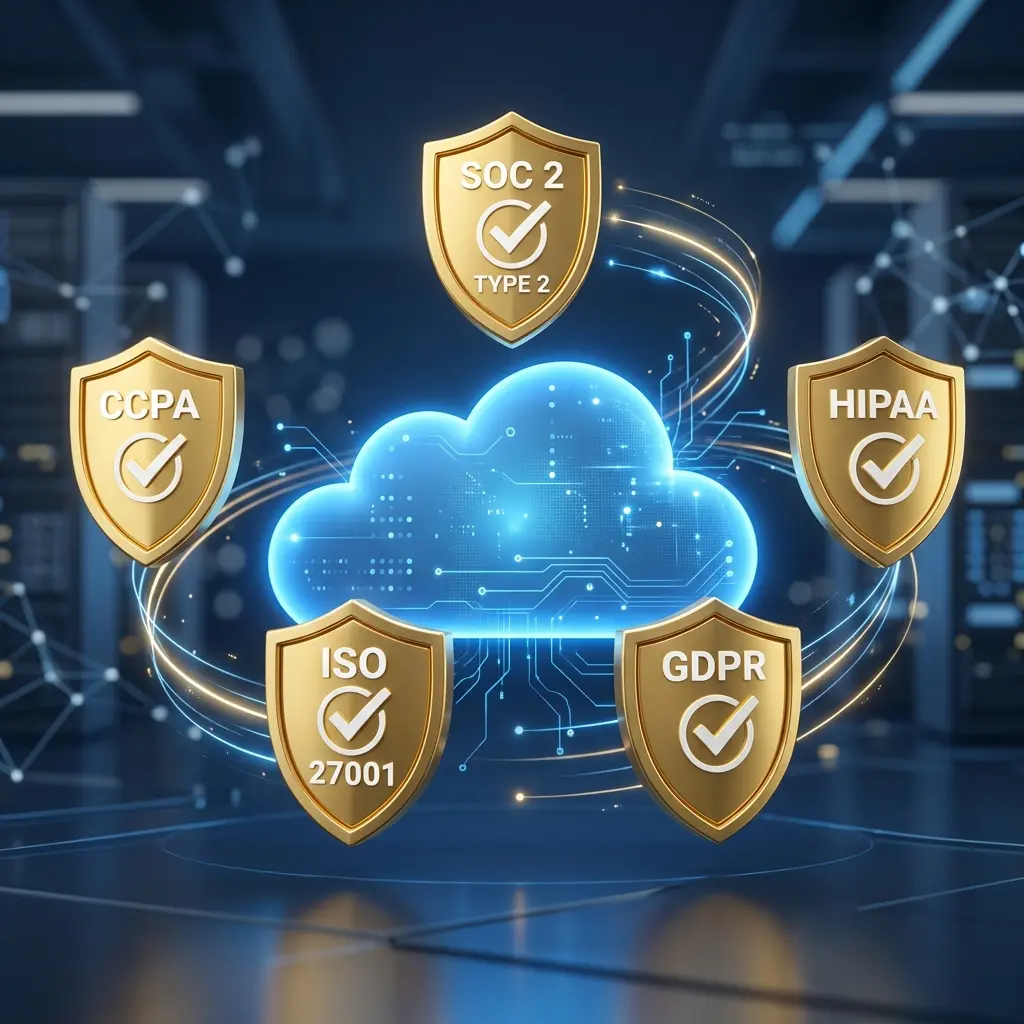
How Do You Support SOC 2, ISO 27001, and Audits?
Cybersecurity consulting and compliance are not separate projects.
They are directly connected.
A strong consulting firm should show how controls improve:
ISO 27001
GDPR
HIPAA
PCI DSS
internal procurement requirements
If compliance feels like a side topic, that is a problem.
What Happens After the First Audit?
If the provider cannot explain year two, they are selling a project.
Not a system.
Maturity requires:
maintenance
renewal
ownership
Security should improve over time.
Not restart every year.
Do You Work With Companies Like Ours?
Context matters.
Especially in:
SaaS
fintech
healthcare
cybersecurity
legal tech
enterprise platforms
cloud-native businesses
Generic security becomes expensive very quickly.
Context reduces mistakes.
Red Flags That Should End the Meeting
Some signals are enough to leave the conversation immediately.
“We Guarantee Total Security”
No serious consulting firm says this.
Security is risk reduction.
Not absolute guarantees.
Anyone promising total protection is selling fiction.
Avoid it.
“You Only Need This Platform”
Dangerous.
Tools help.
They do not create governance.
Software without ownership creates false confidence.
This mistake is extremely common.
“Leadership Does Not Need to Be Involved”
Wrong.
Cybersecurity affects:
operations
engineering
finance
legal
procurement
executive leadership
Security without executive ownership weakens fast.
Always.
“Compliance Is Just Documentation”
False.
Documentation matters.
But operational controls matter more.
Policy without execution becomes future failure.
And enterprise buyers notice that.
Procurement Checklist Before You Sign
Use this before any contract.
Always.
Ownership of Evidence and Security Data
Who owns:
audit evidence
access reviews
security records
monitoring history
policy documentation
critical configurations
Never create impossible vendor dependency later.
This matters more than most buyers realize.
Contract Clarity
Understand:
onboarding fees
implementation costs
response scope
incident escalation
cancellation terms
platform lock-in
renewal clauses
Most companies ignore this until there is a problem.
And then it is already expensive.
Scope Definition
Know exactly:

what will be monitored
what will not
who handles incidents
who owns compliance
who answers security questionnaires
what happens during a real crisis
Ambiguity creates risk.
And extra invoices.
Always.
Internal Operational Load
Ask:
How much internal time will this require?
Security is never fully outsourced.
Understand that before signing.
Not after.
Renewal and Long-Term Security
Ask from day one:
What does year two look like?
Because sustainable security is worth far more than beautiful onboarding.
The best buyers purchase systems.
Not temporary relief.
Cybersecurity Consulting for Cloud, Infrastructure, and Enterprise Environments
One of the biggest mistakes companies make is treating every environment as if the security risk were the same.
It is not.
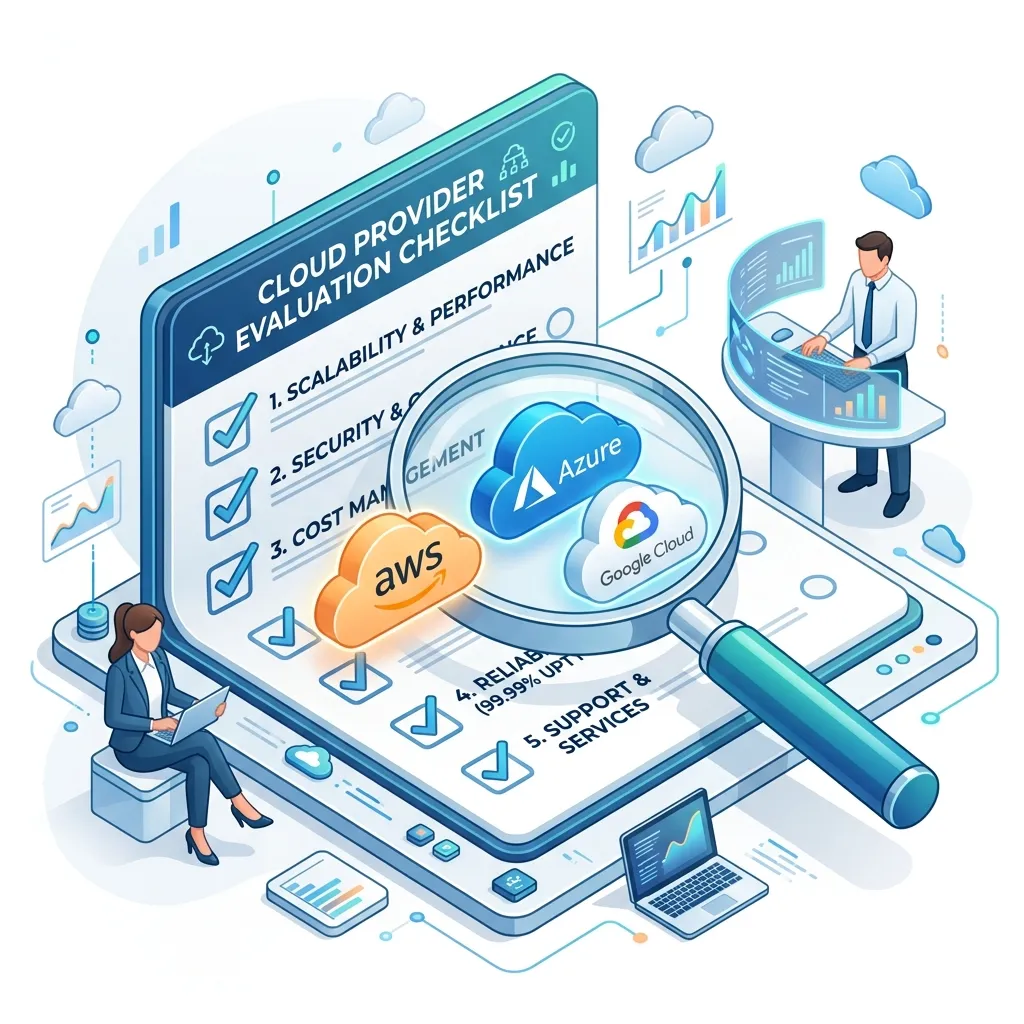
Consulting for an environment running on Amazon Web Services is not the same as consulting for a hybrid operation using Microsoft Azure plus on-premise infrastructure.
And neither of them works exactly like a modern engineering-heavy environment built on Google Cloud.
Each environment has:
different risks
different identity models
different visibility challenges
different compliance requirements
different incident response expectations
That is why strong cybersecurity consulting does not sell generic security.
It understands context.
Because what creates incidents is usually not the cloud itself.
It is weak governance.
Cybersecurity Consulting for AWS
Amazon Web Services is often the default for SaaS companies, startups, and cloud-native operations.
Its flexibility is powerful.
And dangerous.
Because flexibility without governance creates exposure very quickly.
Common priorities include:
IAM hardening
least privilege enforcement
CloudTrail review
S3 bucket exposure prevention
security group review
multi-account governance
vendor integration risk
backup validation
incident readiness
Many AWS incidents happen because of misconfiguration.
Not sophisticated attacks.
Mismanaged access is one of the most expensive risks.
Cybersecurity Consulting for Azure
Microsoft Azure is extremely common in enterprise environments.
Especially where the Microsoft ecosystem already dominates operations.
That usually means:
more users
more identities
more hybrid complexity
Common priorities include:
identity governance with Entra ID
privileged access management
conditional access policies
hybrid identity control
endpoint security alignment
compliance reporting
audit defensibility
Microsoft security stack integration
In Azure, the biggest risk is usually identity.
Not infrastructure.
If identity governance is weak, everything becomes weaker.
Cybersecurity Consulting for Google Cloud
Google Cloud appears frequently in data-driven companies, engineering-heavy teams, and AI operations.
Especially in:
analytics platforms
AI/ML operations
cloud-native SaaS
developer-first businesses
Common priorities include:
workload identity management
service account governance
storage security
network segmentation
IAM discipline
logging consistency
engineering workflow security

Google Cloud environments can be technically advanced and operationally poorly documented.
That becomes painful during enterprise audits.
Especially during procurement reviews.
Multi-Cloud: Where Complexity Gets Expensive
Many companies do not operate in just one cloud.
They use multiple.
For example:
AWS + Azure
or
AWS + Google Cloud
or
cloud + SaaS + third-party vendors
Now visibility becomes much harder.
Because risk spreads across systems.
Common problems include:
fragmented access control
duplicated permissions
inconsistent monitoring
unclear ownership
chaotic compliance evidence
invisible vendor dependency
This is where strong consulting creates the most value.
Because the biggest risk is rarely size.
It is complexity.
Cybersecurity Consulting for Compliance
Many companies begin security because they fear incidents.
Others begin because compliance pressure becomes urgent.
Both are valid.
But compliance usually moves faster.
Because buyers demand proof.
Not promises.
SOC 2 and Cybersecurity Consulting
If your company sells B2B SaaS or enterprise services, SOC 2 usually becomes the first major pressure point.
Buyers ask:
Are you SOC 2 compliant?
What they really want to know is:
Can we trust your operational maturity?
Strong consulting improves:
access governance
evidence collection
monitoring maturity
incident response
vendor control
policy enforcement
audit readiness
SOC 2 is not a documentation problem.
It is an operational problem.
ISO 27001 and Governance
ISO 27001 usually matters more in multinational and regulated environments.
Its main focus is:
structured governance
not just technical controls
Strong consulting supports:
formal risk management
clear ownership
policy discipline
access reviews
vendor governance
operational defensibility
Without real operational discipline, ISO becomes expensive paperwork.
That is the worst outcome.
GDPR, HIPAA, and Regulated Environments
Healthcare, payments, and sensitive-data operations require much stronger discipline.
Especially around:
access control
exposure prevention
auditability
monitoring
incident defensibility
Here, weak security creates direct legal risk.
This is where “basic security” stops being enough.
And where consulting quality matters much more.
The Real Goal Is Not Passing the Audit
It is reducing business risk.
Passing compliance without reducing operational exposure creates false confidence.
That is dangerous.
Strong consulting helps companies build:
repeatable trust
not temporary audit survival
That difference defines real ROI.
Cybersecurity Consulting vs Security Audit: What Is the Difference?
Many buyers confuse these.
They are not the same.
Security Audit
Focus:
evaluation
Examples:
identifying failures
reviewing controls
finding vulnerabilities

validating compliance
This is about:
discovering the problem
Cybersecurity Consulting
Focus:
protection + decision + implementation
Examples:
fixing risks
building governance
strengthening controls
preparing compliance
accelerating procurement
reducing incident exposure
This is about:
solving the problem
You need both.
But they solve different executive problems.
And buyers should never treat them as interchangeable.
ROI of Cybersecurity Consulting Services: Is the Investment Really Worth It?
This is the question executives actually ask.
Not:
“Can we improve security?”
But:
“Does this consulting create enough business value to justify the investment?”
For serious B2B companies, the answer is usually yes.
And usually faster than expected.
Because cybersecurity consulting is rarely just a technical expense.
It is revenue protection.
And often:
revenue acceleration.
The Real ROI Formula
Many companies calculate only:
consulting cost vs consulting price
That is too small.
The real equation includes:
faster enterprise sales
less procurement friction
fewer compliance delays
lower incident exposure
stronger customer retention
less downtime risk
smoother renewals
stronger investor confidence
better cyber insurance positioning
lower legal exposure
Cybersecurity affects far more than IT.
It affects business speed.
That is where real ROI appears.
Simple ROI Framework
ROI = \frac{Business\ Impact - Consulting\ Investment}{Consulting\ Investment}
But business impact includes:
protected deals
accelerated deals
avoided incidents
preserved revenue
This is where most buyers underestimate value.
Example: SaaS Closing Enterprise Deals Faster
Profile:
B2B SaaS
enterprise contracts
high recurring revenue
procurement requires security review
Without strong consulting:
security questionnaires delay deals
compliance creates friction
buyers hesitate
One lost enterprise contract can cost more than an entire year of consulting.
That is why many founders stop seeing security as overhead.
And start seeing it as commercial infrastructure.
Example: Fintech Reducing Operational Risk
Financial companies operate with much lower tolerance for security failures.
Without strong controls:
vendor reviews slow down
partner trust weakens
legal scrutiny increases
incident response becomes far more expensive
With mature consulting:
stronger partner confidence
faster onboarding
smoother compliance
stronger enterprise procurement outcomes
Trust accelerates revenue.
That is measurable ROI.
Example: Cybersecurity Vendors Protecting Their Own Credibility
If your company sells security, buyers expect above-average maturity.
Not average maturity.
Weak internal posture creates a dangerous question:
If they sell security, why is their own operation weak?
That question destroys trust.
And trust drives enterprise buying decisions.
For cybersecurity vendors, consulting is not a differentiator.
It is baseline.
Hidden ROI: Faster Procurement
This is massively underestimated.
Delayed procurement costs real money.
And very few companies measure it correctly.
Strong consulting reduces:
repeated questionnaires
legal escalations
delayed vendor reviews
contract approval friction
That accelerates revenue entry.
Speed becomes ROI.
Hidden ROI: Better Renewal and Expansion
Customers do not review trust only during acquisition.
They review it again during:
renewals
contract expansion
new integrations
usage increases
Weak security creates friction here too.
Consulting protects acquisition—
but also retention and expansion.
This financial impact is often even bigger.
Hidden ROI: Less Executive Distraction
When security is weak:
CTO
founder
engineering leadership
legal
everyone gets pulled into reactive work
That destroys focus.
And focus is expensive.
Strong consulting reduces executive distraction.
This is an operational ROI almost nobody calculates.
Cybersecurity Consulting for Startups
Many founders ask:
Are we still too early for this?
Sometimes yes.
Often no.
The answer depends more on your buyers than on your company age.
You Probably Need It Earlier If…
you sell B2B SaaS
you serve enterprise customers
compliance is slowing revenue
your data sensitivity is high
competitors look more mature
investors ask security questions early
Waiting too long usually creates emergency spending.
And emergency security is always expensive.
Planned security is strategy.
You May Be Too Early If…
product-market fit is still unclear
no customers ask security questions yet
your ICP is still simple SMB
your operational exposure is still low
In that case:
strengthen the foundation first
and formalize later
But ignoring future maturity is dangerous.
Smart founders prepare before urgency arrives.
The Most Expensive Mistake: Treating Security Like a One-Time Project
This creates permanent pain.
Cybersecurity consulting should become part of:
an operating model
not
a temporary project
Because buyers want continuous trust.
Not old reports.
The best consulting firms help companies build:
repeatable security
not temporary audit survival
That difference defines long-term ROI.
Implementation Guide: What Happens After You Hire a Cybersecurity Consulting Firm
Signing the contract is not the hard part.
Implementation is.
This is where companies either build real operational security — or create months of confusion, expensive rework, and vendor invoices with very little value.
The first 30 to 90 days usually determine whether consulting becomes a competitive advantage or just another expensive supplier.
The best partners create clarity.
Weak partners create presentations and chaos.
Here is what should actually happen after hiring.
Phase 1: Security Assessment and Risk Mapping
Before tools, before reports, and before “solutions,” a serious consulting firm must understand your real environment.
This includes:
security architecture review
identity and access analysis
privileged account mapping
vendor dependency review
log visibility analysis
monitoring maturity review
compliance gap assessment
backup and recovery validation
incident response readiness
ownership mapping
This phase answers:
Where is the real business risk?
Not:
Which tool should we buy first?
That difference saves serious money.
And prevents bad decisions.
Phase 2: Scope Definition and Priority Strategy
This is where many budgets break.
Because companies try to protect everything at once.
That usually fails.
Strong consulting helps define:
most critical assets first
highest-risk access paths
compliance-driven priorities
procurement blockers
third-party exposure
operational blind spots
quick wins vs long-term maturity
Security without prioritization becomes expensive noise.
The goal is not maximum activity.
It is maximum risk reduction.
Phase 3: Identity and Access Governance
This is usually the highest-ROI area.
Because many incidents start here.
Priorities usually include:
privileged access review
least privilege enforcement
MFA validation
onboarding and offboarding discipline
service account review
identity provider alignment
access review workflows
admin role reduction
Weak access control creates expensive exposure.
Strong IAM creates immediate trust.
This is one of the fastest wins.
Phase 4: Monitoring, Detection, and Response Readiness
Visibility matters.
But visibility without response is useless.
This phase should include:
logging strategy validation
alert quality improvement
detection prioritization
escalation paths
clear ownership definition
forensic readiness
response testing
operational security clarity
Many companies collect alerts.
Very few actually know how to respond well.
That difference becomes expensive when the incident happens.
Phase 5: Compliance Alignment
Security and compliance should not run as separate projects.
That creates duplicated work.
This phase connects controls with:
ISO 27001
GDPR
HIPAA
PCI DSS
enterprise procurement requirements
The goal is:
operational controls that support both security and trust
not duplicated work.
This is where efficiency lives.
Phase 6: Procurement and Customer Trust Support
This part is massively underestimated.
Cybersecurity consulting should help sales.
Not only the technical team.
Strong partners help with:
security questionnaires
trust center readiness
procurement documentation
enterprise buyer responses
audit defensibility
renewal support
This directly affects revenue speed.
And that is why executives care.
Compliance and Risk Assessment
This section is often ignored.
But it is critical.
Especially for:
SaaS
fintech
healthcare
cybersecurity
enterprise platforms
regulated B2B operations
Weak security creates:
compliance failures
delayed contracts
insurance friction
legal exposure
trust loss
much more expensive incidents
Strong consulting reduces business risk.
Not just technical risk.
Risk Questions That Must Be Asked Early
If a major enterprise customer audits us tomorrow, what breaks first?
This question reveals reality very quickly.
And usually shows the real priority.
If a privileged account is compromised, what is the business impact?
This is one of the strongest executive questions.
Because it measures exposure.
Not theory.
Are third-party vendors creating risks we do not fully understand?
Third parties create massive blind spots.
Especially in modern digital environments.
Can leadership clearly explain our incident response process?
If not, maturity is weaker than it looks.
And enterprise buyers notice.
Are security gaps already delaying revenue?
This is often the fastest ROI driver.
Because blocked revenue is visible.
And expensive.
Realistic Timeline: How Long Maturity Actually Takes
It depends on complexity.
But realistic expectations prevent frustration.
Promises like:
“complete security in two weeks”
usually mean low quality.
A realistic expectation looks like this:
First 30 Days
Focus:
assessment + visibility + clarity
Goal:
discover where real risk exists
Days 30–60
Focus:
IAM + monitoring quality + compliance alignment
Goal:
remove high-risk exposure
Days 60–90
Focus:
procurement readiness + incident response + operational governance
Goal:
operational trust
Long-Term Maturity
This is not a 90-day project.
It is operational discipline.
The best companies build:
continuous visibility
continuous improvement
continuous trust
That is what enterprise buyers value.
Not temporary security campaigns.
Executive Summary: What Strong Cybersecurity Consulting Actually Delivers
Not:
just reports
Not:
just tools
But:
business protection
Specifically:
faster enterprise sales
lower incident exposure
stronger compliance
easier procurement
stronger customer trust
lower operational risk
smoother renewals
scalable governance
That is what serious buyers are actually paying for.
Not presentations.
Revenue protection.
Renewal Strategy: How to Keep Security Strong Without Creating Chaos Every Year
Most companies invest heavily in the first security project.
Then they slowly abandon the process.
That is where the real problems begin.
Security should become simpler over time.
Not more expensive.
Not more confusing.
Not dependent on panic before audits or major enterprise contracts.
That only happens when renewal strategy starts early.
Not after the first incident.
Not after procurement blocks revenue.
Before.
Why Security Renewal Fails
Usually because the company treated security like a temporary campaign.
Common examples:
controls created only for audit season
strong monitoring only during onboarding
abandoned access reviews
forgotten vendor reviews
policy ownership disappeared
incident response was never tested again
expensive platforms became shelfware
Then renewal arrives.
Or a customer asks difficult questions.
And the company realizes:
nothing was truly operational
It was temporary.
That creates expensive rework.
Every year.
What a Strong Renewal Strategy Looks Like
You need:
clear ownership of controls
recurring access reviews
continuous vendor reviews
policy maintenance
real incident response testing
monitoring discipline
executive accountability
procurement readiness integrated into operations
Security must feel operational.
Not seasonal.
That is maturity.
Renewal Negotiation: How Smart Buyers Reduce Long-Term Costs
Most companies negotiate only the first contract.
That is a mistake.
Strong buyers negotiate the full lifecycle.
Because costs grow quietly through:
platform expansion
company growth
new compliance requirements
additional advisory services
monitoring expansion
emergency retainers
Year two can become far more expensive than year one if the contract was poorly structured.
What to Negotiate Before Signing
Long-Term Pricing Visibility
Ask:
What happens at renewal?
Do not wait for the next invoice.
That prevents expensive surprises.
Especially with managed consulting providers.
Growth Limits and Pricing Expansion
Security platforms and consulting often become expensive as the company grows.
Understand:
per-user pricing
per-environment cost
expansion pricing
required upgrades
scope change triggers
Growth should not become punishment.
Incident Response Terms
Make sure it is clear:
what is included
what becomes emergency billing
what happens outside business hours
what triggers extra costs
Many companies discover this during a real incident.
That is the worst possible moment.
Exit Flexibility
Always ask:
How difficult will it be to leave?
Vendor dependency becomes dangerous when:
evidence ownership is unclear
monitoring history becomes inaccessible
migration is difficult
documentation is trapped
operational knowledge disappears with the provider
Never buy dependency without strategy.
Procurement Continuity Support
Consulting firms that help during procurement must also help during renewals.
Not only during onboarding.
Because enterprise customers reassess trust during:
renewals
upsells
vendor reviews
security escalations
This has direct financial impact.
A very large one.
Final Comparison: What the Best Buyers Actually Optimize
Weak buyers optimize:
lowest monthly cost
Strong buyers optimize:

lowest long-term security friction
That means choosing providers based on:
execution quality
renewal efficiency
compliance defensibility
procurement acceleration
incident readiness
operational trust
Not beautiful demos.
Not aggressive sales pitches.
Business outcomes.
Always.
FAQ: Frequently Asked Questions About Cybersecurity Consulting Services
1. What is included in cybersecurity consulting services?
It usually includes:
vulnerability assessments
security assessments
IAM reviews
incident response planning
compliance readiness
vendor risk management
procurement support
cybersecurity audits
trust documentation
continuous governance support
The best consulting firms connect security directly to revenue protection.
2. How much do cybersecurity consulting services cost?
Pricing depends on:
environment complexity
cloud + on-premise + SaaS
compliance requirements
monitoring scope
incident response expectations
provider model
The real cost should be compared to breach exposure and delayed revenue.
Not just the contract price.
3. Is it better to hire consulting or build an internal security team?
It depends on maturity.
Large companies with strong governance can support internal teams.
Growth-stage companies usually perform better with a hybrid model:
internal ownership + external expertise
That is often the strongest long-term structure.
4. Can consulting help with SOC 2 and ISO 27001?
Yes.
It improves:
access governance
evidence quality
monitoring maturity
incident defensibility
vendor control
audit readiness
SOC 2 and ISO depend heavily on real operational maturity.
Not just documentation.
5. Are security tools alone enough?
No.
Tools help.
But they do not create governance.
Without ownership and operational discipline, expensive tools often create false confidence.
Mature security is a process.
Not just technology.
6. Should startups invest early?
If enterprise customers ask security questions, yes.
Waiting too long usually creates slower procurement and much more expensive reactive spending.
If trust requirements are still low, start with foundational controls first.
7. What is the biggest mistake when hiring cybersecurity consulting?
Comparing only price.
The cheapest provider can become the most expensive if it creates failed audits, avoidable incidents, and slower enterprise procurement.
The correct metric is:
real risk reduction.
8. What is the difference between an audit and consulting?
An audit identifies problems.
Consulting helps fix them, build governance, and reduce operational risk.
You usually need both.
But they solve different business problems.
Final Decision Framework: Should You Hire Consulting Services Now?
: Should You Hire Cybersecurity Consulting Services Now?If your company depends on enterprise trust, predictable B2B contracts, and mature digital operations, this is not only a cybersecurity decision.
It is a revenue decision.
Weak security quietly destroys margin.
Strong security creates competitive advantage.
Use this framework before investing.
You Should Hire Now If…
Enterprise Customers Are Already Asking Difficult Security Questions
If prospects ask:
Are you SOC 2 compliant?
How do you protect sensitive data?
What is your incident response process?
How do you control privileged access?
What happens during a security incident?
that is already a clear signal.
They are evaluating trust.
And trust decides enterprise revenue.

| Analysis Type | What is Tested | Primary Focus | Detail Level |
|---|---|---|---|
| External (Perimeter) | IPs, ports, and exposed services | Attacker View | Essential |
| Authenticated | Internal systems and configs | Admin View | Maximum |
| Applications (DAST/SAST) | Code and app behavior | Software Logic | Specific |
Procurement Is Delaying or Killing Deals
This is one of the strongest signals.
If sales progresses, but contracts get blocked in:
security review
vendor assessment
legal approval
compliance validation
then the problem is no longer sales.
It is operational trust.
Strong cybersecurity consulting reduces exactly that friction.
Your CAC Is Rising Because Enterprise Deals Are Being Lost
Many teams analyze CAC only through marketing.
That is incomplete.
Losing high-value contracts because buyers do not trust your security posture increases acquisition cost dramatically.
Especially in B2B SaaS.
Security impacts CAC far more than many founders realize.
Competitors Already Use Security as a Commercial Advantage
If competitors enter saying:
“We are enterprise-ready”
and your company enters saying:
“We are still improving”
buyer perception changes immediately.
Trust shortens buying cycles.
Lack of trust extends them.
Sometimes kills them.
Leadership Wants Clarity About Real Operational Risk
Executives usually do not ask for:
“more security”
They ask for:
clarity
They want to know:
where real exposure exists
what actually threatens revenue
what should be fixed first
what is noise and what is serious risk
This is where strong consulting creates executive value.
Not fear.
Decision confidence.
Your Internal Team Is Operating on Improvisation
When security depends on:
one engineer
founder memory
undocumented access
manual reviews
tribal knowledge
risk grows fast.
Security must be a system.
Not a person.
This is one of the clearest signs that external structure is already necessary.
You May Be Able to Wait If…
Product-Market Fit Is Still Unclear
If the business is still validating its core offer, heavy consulting investment may be premature.
Validate demand first.
Then formalize governance.
But do not ignore foundational controls.
Delaying does not mean neglecting.
Your ICP Does Not Yet Require Enterprise Trust
If the company still serves simple SMB customers without heavy procurement, urgency may be lower.
But that changes quickly.
Build with the future in mind.
Do not wait for panic.
Your Sales Process Is Still Broken
More security does not fix weak sales.
If pricing, qualification, or positioning are still weak, fix that first.
Consulting accelerates what already works.
It does not replace strategy.
Even Basic Security Does Not Exist Yet
Before advanced consulting, basic controls must exist:
MFA
access governance
onboarding and offboarding discipline
backup validation
vendor visibility
minimum incident response planning
Without that, buying “advanced security” creates chaos.
Not maturity.
The Smartest Question Is Not:
“How much do cybersecurity consulting services cost?”
It is:
“How much are we losing by not fixing this?”
That question changes everything.
Because most losses are invisible.
Delayed deals.
Weaker renewals.
More friction.
Leadership distraction.
Avoidable exposure.
Invisible losses are the most dangerous ones.
How Founders, CTOs, and CISOs Should See This
Not as:
another security expense
But as:
trust infrastructure
Because in modern B2B:
trust = speed
speed = revenue
revenue = valuation
That chain is real.
Ignoring it gets expensive very quickly.
The Mistake of Buying Only Reports
Many companies believe they are buying:
security
But they are only buying:
visibility
That is not enough.
Reports help.
But without:
ownership
response
governance
procurement readiness
compliance defensibility
they become expensive noise.
The smart purchase is:
operational trust
not
more presentations
That difference defines ROI.
What Strong Cybersecurity Consulting Actually Buys
You are not only buying:
reports
tools
audits
compliance documents
You are buying:
faster enterprise sales
lower incident exposure
stronger customer trust
less legal friction
better renewals
more efficient procurement
clearer executive decisions
predictable growth
That is much bigger than cybersecurity.
That is margin protection.
And often:
margin expansion.
Conclusion: Cybersecurity Consulting Is Not a Cost — It Is Revenue Infrastructure
Most companies start taking security seriously too late.
Usually after:
a major customer demands answers
procurement blocks a contract
an audit exposes dangerous weaknesses
leadership loses confidence in visibility
competitors close enterprise deals faster
an incident creates forced urgency
At that moment, security becomes emergency spending.
And emergency spending is always more expensive.
The smartest companies treat cybersecurity consulting services differently.
Not as a technical checklist.
Not as a vendor purchase.
But as part of the product itself.
Because in modern B2B markets, trust is part of what customers buy.
If the buyer does not trust your operation, they delay buying your solution.
That is reality.
Especially in:
SaaS
fintech
cybersecurity
healthcare
enterprise platforms
regulated digital businesses
Strong consulting does not only help avoid incidents.
It helps your company:
reduce procurement cycles
close larger contracts
improve retention
reduce compliance friction
strengthen investor confidence
accelerate expansion
scale with fewer operational surprises
This is not just security.
It is revenue protection.
And often:
revenue acceleration.
The Next Right Question
Before choosing any provider, ask:
Are we buying a report — or building a security system?
Because that answer changes everything.
A report helps once.
A system protects for years.
Expert Tip: Prioritizing by Risk
Don't try to fix everything at once. Use the CVSS (Common Vulnerability Scoring System) combined with the asset's business value. A "Medium" flaw on a production database is more urgent than a "Critical" one on an isolated workstation.
Choose the system.
Always.