Commercial Solar Energy for Businesses: ROI and Cost Analysis
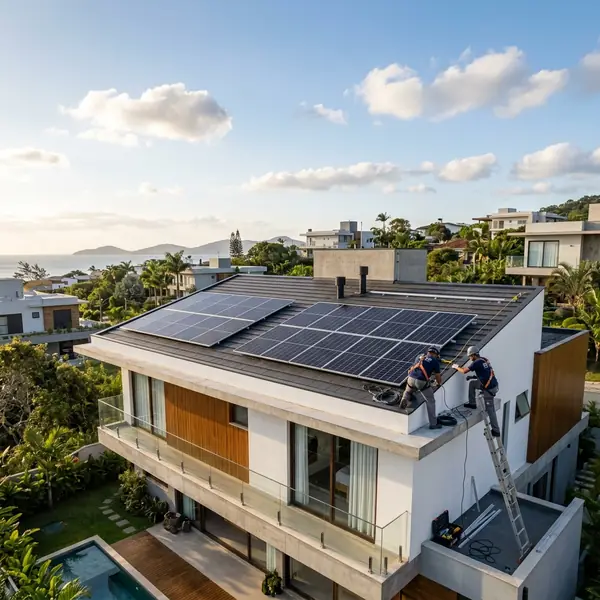
Commercial solar energy is highly viable for businesses, reducing operational power expenses by up to 95% with a 4 to 6 year payback period.
Introduction
As the world shifts towards renewable energy sources, commercial solar energy stands out as a promising solution for businesses aiming to reduce energy costs and enhance sustainability. The integration of solar energy not only lowers operational expenses but also positions companies as responsible corporate citizens.
Commercial Solar Energy for Businesses: ROI and Cost Analysis
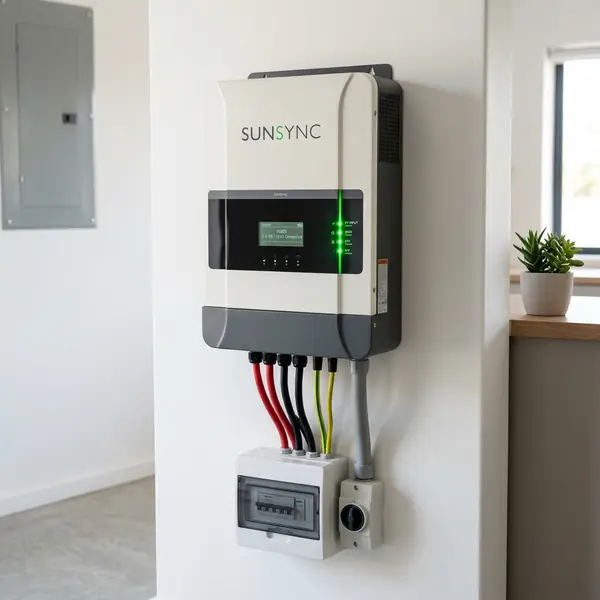
The return on investment (ROI) for commercial solar energy systems can vary significantly based on initial costs, local energy prices, and available incentives. To accurately assess the financial viability, businesses need to consider all associated costs and savings over time.
Understanding Commercial Solar Energy Technology
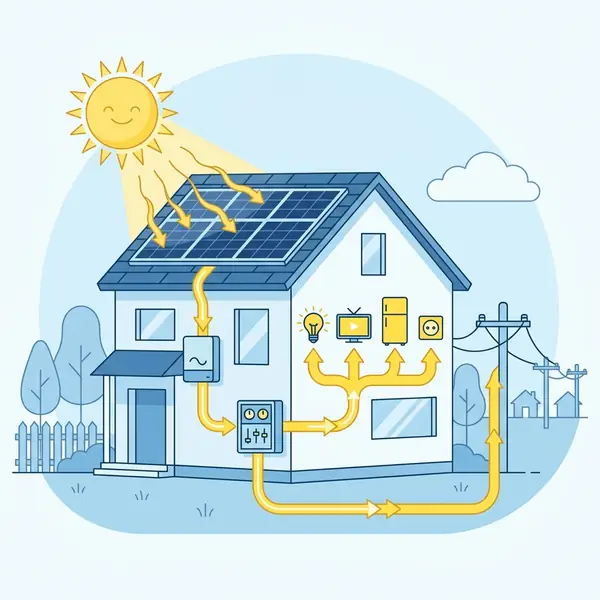
Commercial solar energy refers to the use of solar technologies, primarily photovoltaic (PV) systems, to generate electricity for businesses. Unlike residential systems, commercial installations are usually larger and tailored to meet the energy demands of businesses. The fundamental technology relies on converting sunlight into electricity using solar panels, which are made of semiconductor materials.
Physical Mechanisms
Solar panels operate based on the photovoltaic effect, where absorbed photons excite electrons in the semiconductor material, creating an electric current. This current is then converted from direct current (DC) to alternating current (AC) using an inverter, making it usable for most business applications. The efficiency of this conversion is key, as it directly impacts the overall energy yield of the solar system.
Operational Specifications
Commercial solar energy systems can vary widely in size, ranging from small rooftop systems to large ground-mounted arrays. Typical specifications include:
- Panel Efficiency: 15% to 22% for most commercial panels, with higher efficiency options available for specialized applications.
- Inverter Efficiency: 95% to 98%, important for ensuring minimal energy loss during the conversion process.
- System Size: Generally ranges from 10 kW to several megawatts, enabling various scales of energy generation.
- Energy Production: A well-designed commercial system can produce between 1,200 to 1,800 kWh per installed kW annually, depending on location and conditions.
Advantages of Commercial Solar Energy
Investing in commercial solar energy comes with several advantages that can significantly enhance operational efficiency and long-term sustainability: Para saber mais, veja nosso artigo sobre solar energy savings.
- Cost Savings: Reduced electricity bills can lead to significant savings over time. Many businesses report savings of 20% to 50% on their energy costs in the first year alone.
- Tax Incentives: Businesses may qualify for federal and state tax credits, reducing upfront costs. The Federal Investment Tax Credit (ITC) currently allows businesses to deduct 26% of the installation costs from their federal taxes.
- Energy Independence: Solar installations can minimize reliance on grid energy, providing a buffer against fluctuating energy prices.
- Environmental Impact: Using renewable energy reduces carbon footprint, enhancing corporate social responsibility and attracting environmentally-conscious customers.
- Enhanced Property Value: Solar installations may increase property values, providing a competitive edge in the real estate market.
Disadvantages of Commercial Solar Energy
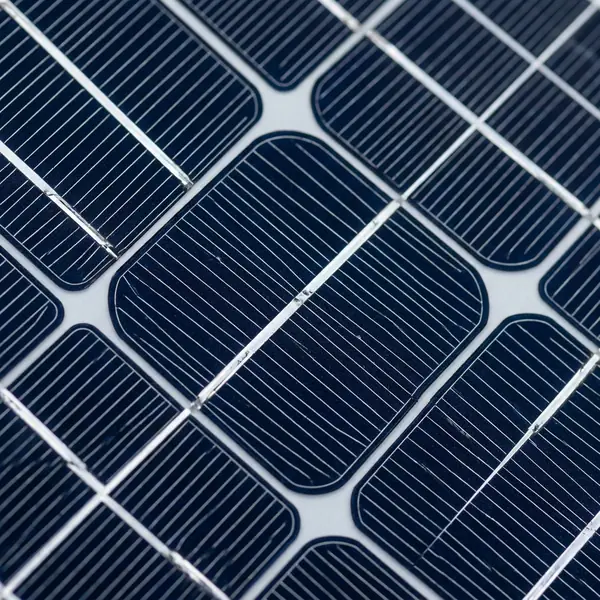
Despite its advantages, there are some downsides to consider when evaluating solar energy for your business: Para saber mais detalhes, leia nosso guia sobre calculate solar energy savings.
- High Initial Costs: The upfront investment can be substantial. However, financing options are available to mitigate initial expenses.
- Space Requirements: Large systems need significant space, which may not be available. Businesses must assess their site to determine feasibility.
- Intermittency: Solar energy generation is dependent on weather conditions and daylight, necessitating energy storage solutions for consistent supply.
- Long-Term Commitment: Once installed, businesses must maintain the system and may face challenges in upgrades or expansions.
Installation Process
The installation of a commercial solar energy system involves several steps that require careful planning and execution: Para saber mais detalhes, leia nosso guia sobre calculate solar energy savings.
- Site Assessment: Evaluating the location for shading, roof condition, and orientation is critical. A thorough assessment ensures optimal system design and performance.
- Design and Planning: Creating a detailed system layout and securing necessary permits is important. This phase often involves simulations to predict energy output and financial returns.
- Installation: Mounting solar panels, inverters, and wiring requires skilled labor and adherence to safety standards. Installation can take anywhere from a few days to several weeks, depending on system size.
- Inspection and Connection: Finalizing installation with utility company and passing inspections guarantees compliance with local codes and safety standards.
- System Commissioning: This final step involves testing the system to ensure it operates as designed before being fully integrated into the business's energy system.
Regulations and Compliance
Commercial solar installations must comply with local, state, and federal regulations. This includes obtaining permits, adhering to building codes, and passing inspections. Businesses should consult with local authorities and hire experienced contractors to ensure all legal requirements are met.
Para saber mais detalhes, leia nosso guia sobre calculate solar energy savings. Para saber mais detalhes, leia nosso guia sobre calculate solar energy savings. Para saber mais detalhes, leia nosso guia sobre calculate solar energy savings.
Para saber mais detalhes, leia nosso guia sobre calculate solar energy savings. Para saber mais detalhes, leia nosso guia sobre calculate solar energy savings. Para saber mais detalhes, leia nosso guia sobre calculate solar energy savings.
Para saber mais detalhes, leia nosso guia sobre calculate solar energy savings. For a step-by-step walkthrough, check out our guide on calculate solar energy savings. For a step-by-step walkthrough, check out our guide on calculate solar energy savings.
Cost Analysis
A comprehensive cost analysis is important for evaluating the financial viability of solar investments. Key costs involved include:
- System Cost: The total cost can range from $2.50 to $3.50 per watt depending on the system size and technology chosen.
- Installation Costs: Typically account for 10% to 20% of the total system cost, influenced by the complexity and location of the installation.
- Maintenance Costs: Annual maintenance can range from $15 to $30 per kW, important for preserving system performance and longevity.
Cost Comparison Table
| Item | Cost Range ($) | Specifications | Notes |
|---|---|---|---|
| Solar Panels | 1,000 - 3,000 per kW | 60-cell to 72-cell panels | Higher efficiency panels cost more but yield better performance. |
| Inverters | 0.20 - 0.50 per watt | String or central inverters | Central inverters are often cheaper for large systems, while micro-inverters can optimize performance. |
| Installation | 0.50 - 1.00 per watt | Labor and mounting systems | Cost varies by region and complexity; remote locations may incur higher costs. |
| Maintenance | 15 - 30 per kW/year | Cleaning, inspection, and repairs | Regular maintenance extends system life and ensures peak performance. |
Real-World Case Studies
Case Study 1: XYZ Manufacturing Inc.
XYZ Manufacturing installed a 500 kW solar PV system on their rooftop. The total cost was $1,250,000, including installation and permitting. With an average electricity rate of $0.12 per kWh and a production estimate of 800,000 kWh annually, their savings amounted to $96,000 per year.
Calcule também o payback period do sistema solar fotovoltaico.
With tax incentives and depreciation factored in, the ROI was achieved in approximately 13 years, illustrating the financial benefits of solar energy investment.
Case Study 2: ABC Retail Store
ABC Retail Store opted for a 100 kW ground-mounted solar system costing $250,000. Their system produced around 150,000 kWh annually, reducing their utility bills by approximately $30,000 each year. This translates to a payback period of around 8.3 years, significantly benefiting from local renewable energy tax credits, showcasing how tailored solutions can enhance profitability.
Adicionalmente, você pode conferir as regras de payback period for solar panels.
Maintenance of Commercial Solar Systems
Regular maintenance is important to ensure optimal performance and longevity of solar systems. Here are detailed steps for maintaining a commercial solar energy system:
- Inspection: Conduct a visual inspection every six months to check for debris, shading, or damage. Regular checks can identify potential issues before they escalate.
- Cleaning: Clean solar panels with water and a soft brush or hire professionals to do so at least once a year. Keeping panels clean maximizes light absorption and energy production.
- Monitor Performance: Utilize monitoring systems to track energy output and identify issues. Many modern systems come with apps that allow for real-time performance tracking.
- Inverter Checks: Inspect inverters annually for functionality and signs of wear. Inverters are often the most critical component and can fail if not properly maintained.
- Electrical Connections: Ensure all wiring and connections are secure and free from corrosion. Regular checks can prevent energy losses and safety hazards.
Hidden Costs and Long-Term Operational Issues
When considering commercial solar energy, businesses should be aware of potential hidden costs. These may include: Adicionalmente, você pode conferir as regras de payback period for solar panels.
- Grid Connection Fees: Some utilities charge for connecting solar systems to the grid, which can add unforeseen expenses.
- Insurance Costs: Increased insurance premiums may be necessary to cover solar systems, impacting overall project economics.
- Decommissioning Costs: Eventually removing or replacing systems can incur additional expenses, particularly if local regulations dictate strict compliance.
- Performance Degradation: Solar panels can degrade over time, typically losing about 0.5% to 1% of efficiency per year. Understanding this can help businesses plan for eventual replacements.
Desempenho e Manutenção de Inversores Solares: Considerações Técnicas
Os inversores solares desempenham um papel fundamental na conversão da energia gerada pelos painéis fotovoltaicos em eletricidade utilizável. A eficiência do inversor influencia diretamente a produção total do sistema solar. Em ambientes com altas temperaturas, a eficiência pode diminuir, o que torna importante monitorar as condições operacionais e o desempenho do inversor.
A manutenção preventiva dos inversores é vital para evitar falhas inesperadas. Isso inclui verificar conexões elétricas, condições de resfriamento e a integridade dos componentes internos. A limpeza regular das entradas de ar e a verificação de ventiladores são passos fundamentais para manter a operação dentro das especificações de temperatura do fabricante.
Adicionalmente, você pode conferir as regras de payback period for solar panels. Adicionalmente, você pode conferir as regras de payback period for solar panels. Adicionalmente, você pode conferir as regras de payback period for solar panels.
Adicionalmente, você pode conferir as regras de payback period for solar panels. Additionally, you can learn more about payback period for solar panels. Additionally, you can learn more about payback period for solar panels.
Adicionalmente, você pode conferir as regras de payback period for solar panels.
Adicionalmente, você pode conferir as regras de payback period for solar panels.
Adicionalmente, você pode conferir as regras de payback period for solar panels.
Além disso, a atualização de firmware do inversor deve ser realizada periodicamente. As atualizações podem corrigir bugs, melhorar a eficiência e adicionar novas funcionalidades. Ignorar essas atualizações pode resultar em perda de desempenho e, em alguns casos, comprometer a segurança do sistema, tornando a supervisão contínua uma parte importante da manutenção.
Os sistemas de monitoramento remoto também são uma ferramenta valiosa. Eles permitem que os engenheiros acompanhem o desempenho em tempo real, identifiquem problemas rapidamente e realizem diagnósticos sem a necessidade de inspeções físicas frequentes. Esta abordagem proativa pode resultar em uma redução significativa nos custos de manutenção e prolongar a vida útil do inversor.
Impacto da Sombreamento e Soluções Técnicas
O sombreamento é um dos principais fatores que afetam a eficiência de um sistema solar. Mesmo uma pequena sombra em um painel pode causar uma queda significativa na produção de energia. Isso ocorre porque os módulos fotovoltaicos estão conectados em série, de modo que a corrente produzida é limitada pelo módulo menos eficiente.
Para consultar referências e normativas oficiais, acesse a página da Solar Energy Industries Association (SEIA).
Portanto, a análise de sombreamento deve ser uma etapa crítica no planejamento da instalação.
Uma solução técnica para mitigar os efeitos do sombreamento é a implementação de otimizadores de potência. Esses dispositivos são instalados em cada módulo e permitem que cada painel opere em sua máxima capacidade, independentemente das condições dos outros módulos na string. Isso é especialmente útil em telhados onde a orientação ou a posição dos painéis pode causar sombreamento parcial ao longo do dia.
Além disso, o uso de inversores de string em comparação com inversores centrais pode oferecer vantagens em situações de sombreamento. Inversores de string permitem um monitoramento mais detalhado de cada painel, facilitando a identificação de módulos afetados por sombreamento e possibilitando ações corretivas mais rápidas. Para consultar referências e normativas oficiais, acesse a página da Solar Energy Industries Association (SEIA).
Outras soluções incluem o redesenho do layout do sistema, considerando a altura de estruturas adjacentes que possam causar sombras e a escolha de módulos com melhor tolerância a sombreamento. A análise de sombreamento deve ser realizada em diferentes horários do dia e ao longo das estações para entender completamente o impacto e tomar decisões informadas durante a instalação. Para consultar referências e normativas oficiais, acesse a página da Solar Energy Industries Association (SEIA).
Para consultar referências e normativas oficiais, acesse a página da Solar Energy Industries Association (SEIA). For official guidelines and safety standards, visit the Solar Energy Industries Association (SEIA) website. For official guidelines and safety standards, visit the Solar Energy Industries Association (SEIA) website.
Para consultar referências e normativas oficiais, acesse a página da Solar Energy Industries Association (SEIA). Para consultar referências e normativas oficiais, acesse a página da Solar Energy Industries Association (SEIA). Para consultar referências e normativas oficiais, acesse a página da Solar Energy Industries Association (SEIA).
Future Trends in Commercial Solar Energy
The landscape of commercial solar energy is continually evolving, influenced by technological advancements and regulatory changes. Emerging trends include: Para consultar referências e normativas oficiais, acesse a página da Solar Energy Industries Association (SEIA). Para consultar referências e normativas oficiais, acesse a página da Solar Energy Industries Association (SEIA).
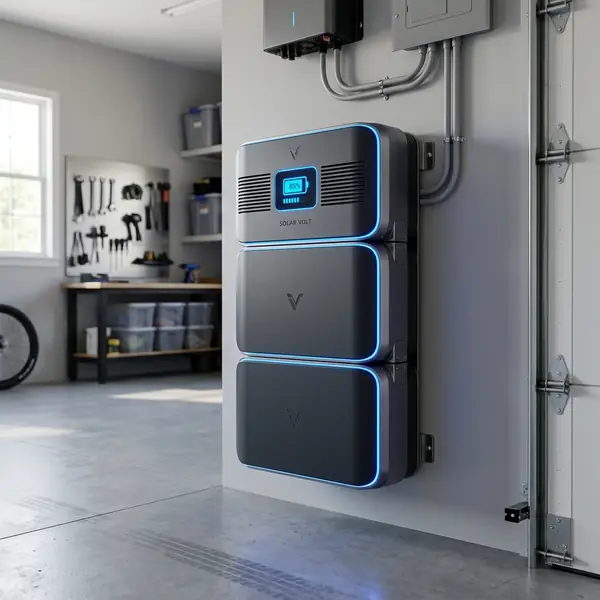
- Energy Storage Integration: Businesses are increasingly pairing solar installations with battery storage systems to enhance energy reliability and manage demand charges.
- Smart Solar Technologies: Innovations such as smart inverters and monitoring systems improve efficiency and allow for real-time data analysis, optimizing energy management.
- Community Solar Programs: These initiatives enable businesses to invest in solar power without needing to install systems on their own rooftops, expanding access to renewable energy.
- Increased Customization: The growing availability of tailored solar solutions allows businesses to design systems that meet their specific energy needs and financial goals.
Conclusion
Commercial solar energy systems present a practical and sustainable option for businesses looking to reduce energy costs and enhance their environmental footprint. By properly assessing costs, understanding available incentives, and planning for the future, companies can successfully integrate solar energy into their operations.
Are there tax incentives for business solar systems?
Yes, in the US, businesses can leverage the federal Investment Tax Credit (ITC) and MACRS depreciation.
Can commercial solar systems power factories?
Yes, custom-designed commercial arrays can meet high electricity demands of manufacturing facilities.
How long do commercial solar panels last?
Tier 1 commercial solar panels are warrantied for 25 years and can perform efficiently for over 30 years.
Does commercial solar require high maintenance?
Maintenance is low, involving professional panel cleaning twice a year and annual inverter inspections.




