Cheap Color Night Vision Security Camera: Selection and Setup Guide

Cheap Color Night Vision Security Camera: Selection and Setup Guide
Finding a cheap color night vision security camera requires understanding the optical technologies involved, such as the integration of white LED spotlights, high-sensitivity low-light CMOS sensors (such as Sony Starvis or equivalent), and wide lens apertures (such as f/1.6 or f/1.4) that maximize ambient light absorption. Budget-friendly wireless security cameras from manufacturers like TP-Link (Tapo C310), Intelbras (Mibo iM5), Wyze, Xiaomi, and the generic Yoosee light bulb cameras represent the best options for those seeking crisp nocturnal color monitoring without installing expensive DVR/NVR hardware. To ensure digital privacy, users must isolate these IoT cameras on a dedicated guest network and configure proper encrypted local storage settings.
1. The Science of Night Vision: Infrared vs. Active Color Technologies
To understand how an affordable Wi-Fi security camera delivers color images in absolute darkness, it is crucial to analyze the physical and electromagnetic differences between monochromatic infrared night vision and active or passive color night vision systems.
Traditional infrared night vision relies on light-emitting diodes (IR LEDs) that project electromagnetic waves in the 850nm to 940nm range. This wavelength is invisible to the human eye, but the camera's optical sensor can detect it after pulling back the physical infrared cut filter (IR-Cut Filter). Because infrared light does not contain color information within the human visible spectrum, the output image is rendered in grayscale. While this method is highly energy-efficient and cost-effective, it makes it challenging to identify critical physical details during security investigations, such as the color of a suspect's clothing or the color of a getaway vehicle.
In contrast, color night vision uses two main approaches:
- Active Illumination (White Light Spotlights): The camera includes high-intensity white light LEDs. When the onboard processor detects movement via passive infrared (PIR) thermal sensors or digital pixel analysis, it automatically switches on the spotlights. This illuminates the physical space, allowing the standard camera sensor to record in full color while warning intruders they are being watched. Active spotlight power is measured in lumens, and budget-friendly devices typically range from 100 to 400 lumens per spotlight;
- Ultra-Low-Light Passive Sensors: Premium budget cameras feature specialized image sensors with larger photodiodes and optimized color filter arrays. These sensors require minimal light (measured in Lux, often 0.001 Lux or below) to display color images without turning on bright spotlights. They utilize ambient streetlights, starlight, or moonlight to generate clear video streams.
2. LED Spotlight Hardware: SMD vs. COB Technologies and Thermal Limits
Not all white LEDs built into cheap cameras are constructed using the same methodology. The security industry mainly relies on two different light-emitting configurations: SMD (Surface Mounted Device) LEDs and COB (Chip on Board) LEDs.
SMD LEDs are discrete diodic components soldered individually onto the circular circuit board bordering the lens. They are highly efficient but produce focused light beams and generate significant localized heat. On the other hand, COB technology aggregates multiple small LED chips into a single phosphorus-sealed module. COB LEDs yield a highly diffused light spread, reducing harsh shadows and optimizing peripheral view during nocturnal monitoring. Furthermore, COB's broader distribution of power prevents heat from concentrating in a single point on the lens array.
Thermal dissipation is a critical engineering challenge for cheap plastic-housed security cameras mounted on external walls. Operating white LED spotlights continuously increases internal case temperatures. Without aluminum heat sinks or passive vents, this heat degrades the CMOS sensor over time, resulting in static red, blue, or green hot pixels appearing permanently on recorded files. Under extreme workloads, cheap internal circuitry may trigger an emergency automatic system reboot to protect the core processing board from permanent damage.
3. Compression Parameters: Bitrate, Resolution Scaling, and Frame Rate
To balance image quality with bandwidth consumption, you must configure compression variables carefully. In cheap security cameras, video streams are heavily compressed to save system memory. Setting a high resolution like 2K (3MP) but leaving the maximum bitrate capped at a low setting (such as 1024 kbps) will result in blocky video artifacts whenever motion occurs.
For optimal results using H.265 compression on cheap color cameras, configure a **Variable Bitrate (VBR)** setting with a target target bitrate of at least 2048 kbps for 1080p resolution and 3072 kbps for 2K (1296p) feeds. Reduce the target frame rate from the default 30 FPS to 15 or 20 FPS. In security monitoring, frame rate is less critical than resolution clarity per frame. Lowering the frame rate frees up local processing cycles, allowing the camera's image signal processor (ISP) to dedicate more computational power to executing dynamic range optimization (HDR) and temporal noise reduction, which directly improves night visual clarity.
4. Essential Specs to Analyze When Buying Budget Cameras
When searching for cheap security cameras with color night vision, buyers often focus solely on advertised video resolutions (such as 1080p, 3MP, or 2K). However, other optical and compression specifications determine how well the camera performs at night and how long the hardware lasts.
Sensor Size and Lens Aperture
The physical size of the CMOS sensor (e.g., 1/2.7" vs. 1/3") and the focal aperture of the lens dictate how much light reaches the pixels. The aperture is represented by an "f-stop" value (e.g., f/1.6, f/2.0). A lower f-number means a larger physical aperture diameter, letting in more light. A lens with an f/1.6 aperture captures nearly twice as much light as one with f/2.0. If your priority is clean, noise-free color night vision, select cameras with wider apertures.
Compression Protocols (H.264 vs. H.265)
Active color night vision produces significantly larger video files than standard infrared grayscale streams because of the increased color data and digital noise in dark frames. To avoid saturating your domestic Wi-Fi and filling up your memory cards, verify that the camera supports the H.265 (HEVC) encoding standard. H.265 reduces storage consumption and upload bandwidth by up to 50% compared to the older H.264 standard, retaining important video details without taxing your local network.
| Camera Model | Focal Aperture | Illumination Type | Image Resolution | Video Compression |
|---|---|---|---|---|
| TP-Link Tapo C310 | f/2.0 | Dual (IR + Spotlights) | 3 MP (2304 x 1296) | H.264 / H.265 |
| Intelbras iM5 Mibo | f/2.0 | Dual (IR + Active LED) | Full HD 1080p | H.265 |
| Xiaomi AW300 Outdoor | f/2.0 | 2 White LEDs + IR | 2K (3 MP) | H.265 |
| Yoosee Light Bulb Cam | f/2.2 | 4 White LEDs + 4 IR | 1080p (Interpolated) | H.264 / MJPEG |
5. Network Security and Smart Device Isolation for IoT Safety
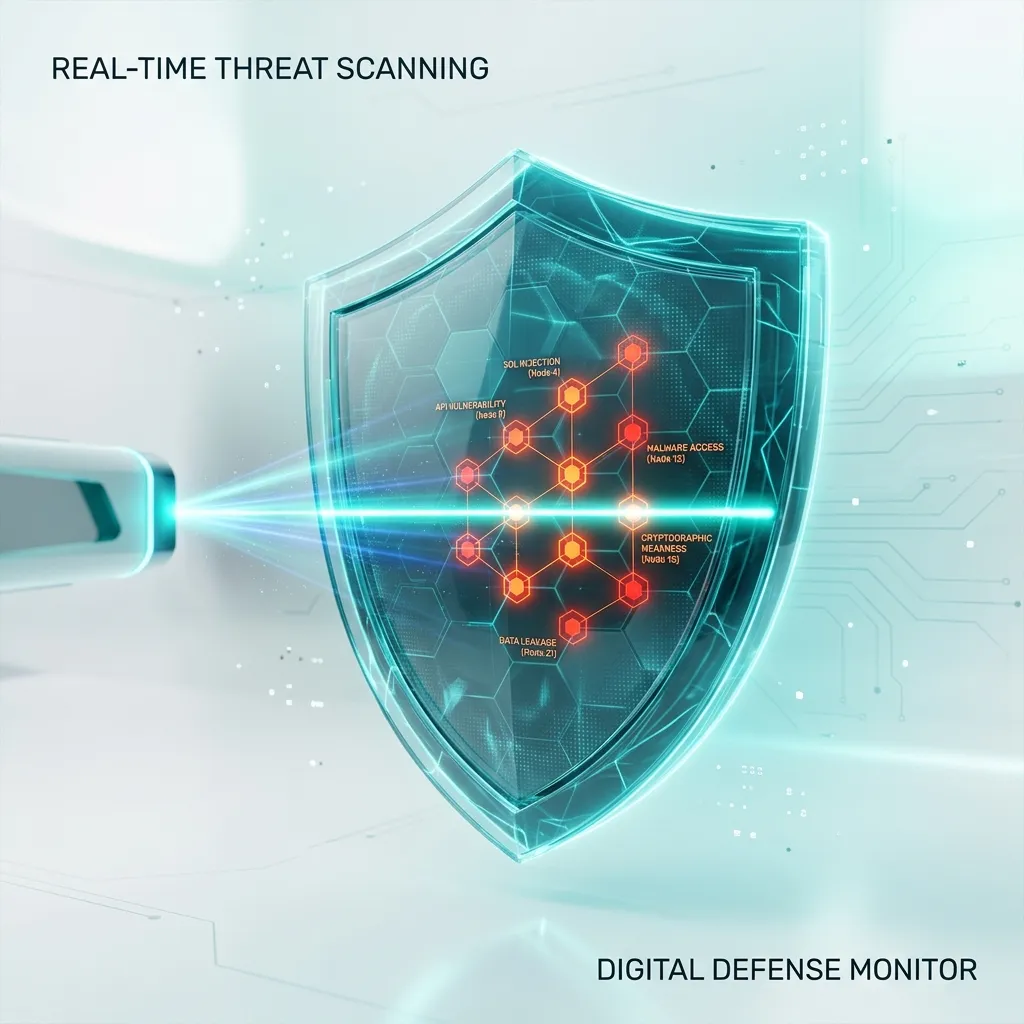
Budget-friendly wireless cameras, especially white-label models using apps like Yoosee or ICSee, often carry firmware vulnerabilities and unpatched zero-day exploits. Connecting these devices directly to your main local network exposes your personal computers, smartphones, and local storage servers to security risks.
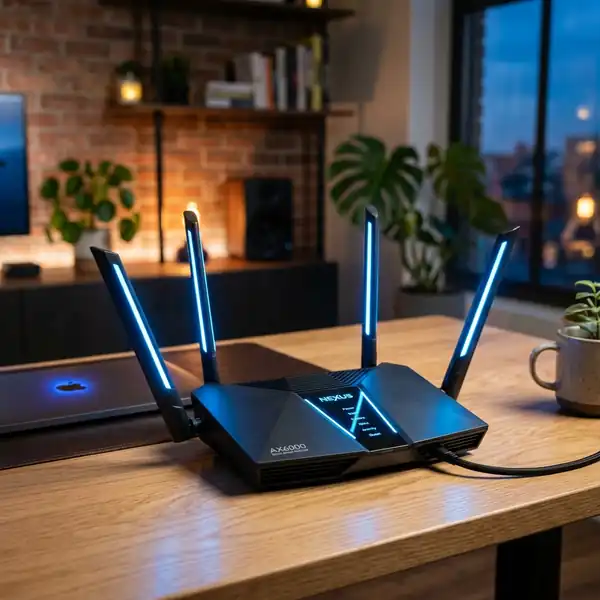
The best security practice is to isolate your security cameras on a dedicated Guest Network on the 2.4 GHz band. Enable Access Point Isolation (AP Isolation) and block local network access to prevent cameras from scanning your home intranet. To handle the steady upload streams from multiple HD cameras, consider upgrading to a high-capacity router. Read our comprehensive guide on the best Wi-Fi router for security cameras to avoid network congestion and bufferbloat.
If you plan to install cameras on external walls or fences where running power cables is impractical, check out our analysis on whether rechargeable battery security cameras are worth it. This helps weigh the convenience of battery-powered models against the reliability of wired power configurations.
Physical card slot protection should also be carefully evaluated. If the local storage media can be easily removed by an intruder walking up to the device, your local footage serves little purpose. While professional outdoor cameras hide the MicroSD slot behind screwed metal plates, cheap socket cameras expose the card directly on their lower housings, making physical theft simple.
6. Network Settings: IP Reservation and Streaming Lag
Low-cost security cameras often experience routing failures after periodic reboots due to power fluctuations. When DHCP mode is active, your router allocates a new local IP address to the camera upon startup. This breaks static playback feeds and results in lag inside mobile apps.
To prevent this, reserve a static IP address in your router's DHCP server, linking a dedicated local IP with the camera's MAC address. In addition, configure your DNS servers to point to fast resolver services like Google DNS (8.8.8.8) or Cloudflare (1.1.1.1) to minimize lag during external cloud P2P lookups.
Streaming lag (the video latency between physical action and the screen representation) on budget cameras using active color mode is highly processing-dependent. Since night feeds generate pixel noise, the internal CPU must run active noise reduction (3D DNR). If the Wi-Fi signal at the installation point is weak (under -75 dBm), the processing backlog combined with packet drops will cause latency delays of up to 15 seconds.
7. Customizing Camera App Settings for Optimal Low-Light Performance
To capture the sharpest night feeds from your cheap wireless color camera, adjust the settings in your companion app as follows:
- Use Smart Night Vision Mode: In your camera's settings menu, select the "Smart Mode" or "Auto Detection Mode." This tells the camera to run on invisible infrared LEDs at night and switch on the white LED spotlights only when it detects motion. This reduces power draw, extends the lifespan of the LEDs, and prevents attracting bugs to the lens;
- Refine Motion Sensitivity: Set the sensitivity level to medium and define active detection zones. This prevents headlights from passing cars or wind blowing through tree branches from triggering the white lights throughout the night;
- Turn Off Status LEDs: Disable status lights (usually small blue or green LEDs) in the app settings to make the camera less noticeable to intruders;
- Avoid Close Reflective Obstacles: Do not point the lens too close to nearby walls, gutters, or metallic fixtures. The light from the LEDs can reflect off these surfaces, blinding the camera sensor and making distant objects look dark (vignette effect).
Frequently Asked Questions (FAQ)
Do budget color night vision cameras consume a lot of electricity?
No. Standard Wi-Fi cameras consume between 2W and 4W while operating on standby or infrared mode. When the white LED spotlights turn on due to motion detection, power consumption increases to about 6W or 8W, which has a negligible impact on your monthly utility bill.
Can I install a spotlight camera in areas exposed to heavy rain?
Only if the camera has an IP65 or IP66 weatherproofing certification. Cheap light bulb cameras lack proper sealing and are designed for indoor use or covered patios only. Outdoor models like the Tapo C310 are fully sealed against rain and dust.
How does the smart double-light night vision system function?
It monitors your yard in black-and-white infrared mode. When its thermal or motion sensors detect activity, the camera activates its white light LEDs, switching to full-color recording to capture clear, detailed footage of the event.
Why does my camera output a blurry white screen at night?
This is usually caused by lens reflection. Dust on the glass cover, cobwebs, or nearby walls can reflect infrared or white light back into the lens, blinding the sensor and causing an overexposed white glare.
Does the camera upload 24/7 video clips to the cloud for free?
No. Almost all budget smart security camera brands restrict free cloud accounts to short event-based clips (usually 3 to 12 seconds long) stored for 3 to 7 days. For continuous 24/7 cloud recording, you must purchase a paid monthly subscription.
Can I use a color night vision camera pointing through a window glass?
No. Placing the camera behind a window pane at night causes the infrared lights or white LED spotlights to reflect off the glass surface, blinding the CMOS sensor and rendering the outdoor area completely black.
Establishing a Secure and Reliable Home Security Grid
Selecting a budget camera with solid optics provides property protection without straining your finances. If you experience static or audio feedback from your camera feeds, read our practical troubleshooting guide on how to fix Yoosee camera audio noise and static to clean up your sound recordings. Combining an optimized Wi-Fi setup with proper device isolation ensures your security system performs reliably when it matters most.