Firewall Rules to Block VLAN Clients Access to Router Administrative Web Panel

To block VLAN clients from accessing the router's administrative web panel, specific firewall rules must be configured in RouterOS.
Understanding Firewall Basics in RouterOS
RouterOS includes a powerful firewall that can filter traffic based on various criteria. Proper configuration of these rules can prevent unauthorized access to the admin interface.
VLAN Configuration Overview
VLANs segment network traffic, allowing for better organization and security. Each VLAN operates as a separate logical network, which can be restricted through firewall settings.
Creating Firewall Rules
To create firewall rules that block VLAN clients, access the terminal in RouterOS. Use the following command to add a rule to drop traffic from a specific VLAN:
/ip firewall filter add chain=input src-address=192.168.10.0/24 dst-port=80,443 protocol=tcp action=drop comment="Block VLAN access to admin panel"
Example Network Topology
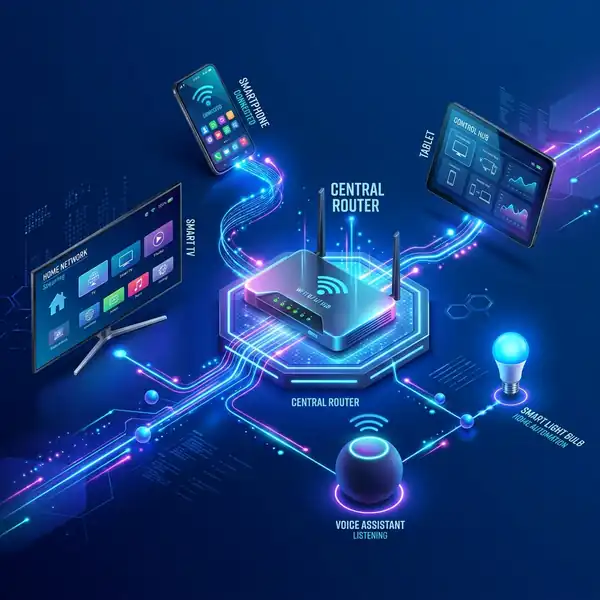
Consider a setup with a MikroTik router connected to multiple VLANs for different departments. Admin access should be restricted to only the management VLAN.

Comparative Firewall Rules Overview
| VLAN ID | Accessible | Firewall Rule |
|---|---|---|
| 10 | No | Block rule for admin panel |
| 20 | Yes | Allow rule for internal access |
DomineTec Tip: Regularly review and update firewall rules to adapt to network changes and security threats.
- Log into the MikroTik router using Winbox or SSH.
- Navigate to
/ip firewall filter. - Add a drop rule for the VLAN using the command provided above.
- Verify the new rule with
/ip firewall filter print. - Test access from a client in the blocked VLAN.
Best Practices for Firewall Rule Management
Effective firewall rule management is crucial for maintaining network security and performance. Regular audits of existing rules help identify unnecessary or outdated entries that may lead to vulnerabilities.
Documenting each rule with comments explaining its purpose aids in clarity and future modifications. Additionally, implementing a naming convention for rules facilitates easier organization and retrieval.
Utilizing rule grouping can streamline management, allowing multiple related rules to be modified simultaneously. This practice reduces complexity and enhances efficiency when administering firewall settings.
Lastly, periodic testing of firewall rules in a controlled environment ensures that new configurations do not disrupt existing services or expose the network to threats.
Advanced Firewall Features in RouterOS
RouterOS provides advanced firewall capabilities, such as connection tracking and stateful firewall features. Connection tracking allows the router to monitor active connections, improving the handling of dynamic protocols.
Stateful firewall features enable the router to keep track of the state of network connections, allowing it to make more informed decisions about packet filtering. This capability is essential for maintaining security in complex environments.
Additionally, RouterOS supports layer 7 protocol filtering, which can inspect traffic at the application layer. This feature is particularly useful for blocking specific applications or services based on their signatures.
Utilizing these advanced features can significantly enhance the overall security posture of the network, providing granular control over traffic based on specific application behaviors.
Monitoring and Logging Firewall Activities
Monitoring and logging are essential components of effective firewall management. RouterOS allows administrators to enable logging for firewall rules, providing valuable insights into traffic patterns and potential security incidents.
Setting up centralized logging can streamline the process of analyzing logs from multiple devices. This approach allows for quicker identification of anomalies and potential threats across the network.
Implementing regular log reviews can help in recognizing unauthorized access attempts or unusual activities that may indicate a breach. Automated alerting mechanisms can further enhance response times to potential issues.
Moreover, integrating logging data with SIEM (Security Information and Event Management) solutions can provide deeper insights and facilitate compliance with regulatory requirements.
Integrating Firewall Rules with VPN Configurations
Virtual Private Networks (VPNs) often require specific firewall rules to ensure secure remote access. Configuring firewall rules to allow VPN traffic while blocking unauthorized access is critical for maintaining security.
In RouterOS, it is essential to create rules that permit VPN traffic on the designated ports while ensuring that other traffic from VLAN clients is restricted. This approach minimizes the risk of exposure to the administrative web panel.
Additionally, implementing split tunneling can further refine access, allowing only specified traffic to go through the VPN while blocking other types. This configuration enhances security without sacrificing performance.
Testing the VPN connection after implementing the firewall rules is crucial to ensure that legitimate users can access the necessary resources while unauthorized access remains blocked.
Impact of Firewall Rules on Network Performance
The implementation of firewall rules can significantly impact network performance, especially in high-traffic environments. Each rule adds a processing overhead that can slow down packet forwarding if not managed properly.
To mitigate performance issues, it's advisable to order firewall rules from most specific to least specific. This ordering ensures that packets are filtered efficiently, minimizing unnecessary processing.
Furthermore, using connection tracking judiciously can enhance performance by allowing the firewall to make quicker decisions based on existing connections rather than evaluating all rules for each packet.
Regular performance assessments can help identify any bottlenecks caused by specific firewall rules, allowing for timely adjustments to maintain optimal network functionality.
Scaling Firewall Rules for Large Networks
As networks grow, scaling firewall rules becomes increasingly complex. Implementing a hierarchical structure for firewall rules can help manage this complexity effectively.
Group similar rules into sets based on function or department, allowing for easier updates and modifications as the network evolves. This structured approach enhances clarity and reduces errors during rule application.
Additionally, utilizing templates for common rule sets can streamline the deployment of new rules across multiple routers, ensuring consistency and adherence to security best practices.
Automation tools can further assist in scaling firewall management by allowing for bulk rule updates and consistent enforcement of security policies across the network.
Common Pitfalls in Firewall Configuration
Misconfigurations are a primary cause of firewall failures. One common pitfall is overly permissive rules that allow unintended access, jeopardizing network security.
Another issue is failure to apply the principle of least privilege, where users or devices are granted more access than necessary. This can lead to unauthorized access to sensitive systems.
Neglecting to regularly review and update firewall rules can result in outdated configurations that no longer align with organizational security policies or network architecture.
Lastly, failing to document changes to firewall rules can create confusion and hinder troubleshooting efforts, making it essential to maintain thorough records of all configurations and modifications.
Implementing Time-Based Firewall Rules
Time-based firewall rules can enhance security by restricting access to the router's administrative web panel during specific hours.
RouterOS supports scheduling capabilities, allowing administrators to define rules that activate or deactivate based on time and day.
Using the command line, the following can be implemented: /ip firewall filter add chain=input protocol=tcp dst-port=80,443 src-address-list=VLAN_CLIENTS action=drop time=00:00:00-06:00.
This rule blocks access from VLAN clients to the web panel during the early hours, decreasing the potential attack surface.
Utilizing Address Lists for Dynamic Rule Management
Address lists in RouterOS provide a dynamic way to manage IP addresses and subnets that require specific firewall rules.
By adding VLAN clients to an address list, administrators can easily update rules without modifying each individual entry.
Utilize the command /ip firewall address-list add list=VLAN_CLIENTS address=192.168.1.0/24 to group VLAN clients for streamlined rule application.
This approach allows for quick adjustments and enhances the organization's agility in managing network security policies.
Implementing ICMP Filtering for Enhanced Security
ICMP (Internet Control Message Protocol) filtering can serve as an additional layer of security for router access control.
Blocking or limiting ICMP traffic can prevent certain types of scanning and reconnaissance activities that attackers may use to identify vulnerabilities.
A rule can be added using: /ip firewall filter add chain=input protocol=icmp action=drop src-address-list=VLAN_CLIENTS, effectively preventing ICMP requests from VLAN clients.
While this may affect network diagnostics, it significantly tightens security against potential intrusions.
Testing and Validating Firewall Rules
After implementing firewall rules, it is crucial to test and validate their effectiveness in blocking unwanted access.
Utilize tools like Nmap or telnet to simulate access attempts from VLAN clients to the router's administrative interface.
By executing commands such as nmap -p 80,443 192.168.1.1, administrators can verify that the rules are functioning as intended.
Regular testing ensures that the firewall configuration remains robust and responsive to changes in the network environment.
Understanding VLAN Security Implications
VLANs (Virtual Local Area Networks) provide segmentation within a network, enhancing security by isolating traffic. However, misconfigured VLANs can expose sensitive areas of the network, allowing unauthorized access to critical resources.
Security policies should be enforced at both the VLAN and the router level to prevent unauthorized access. It is essential to understand that VLANs only provide isolation at the Layer 2 level; additional measures such as firewall rules are necessary for comprehensive security.
Implementing appropriate security protocols, such as 802.1X, can further tighten VLAN security by requiring authentication before devices connect to the network. This adds an extra layer of protection against rogue devices attempting to gain access.
Regular audits and assessments of VLAN configurations are crucial to identify potential vulnerabilities. Keeping VLAN configurations up-to-date and in accordance with organizational policies helps mitigate the risk of unauthorized access.
Configuring Access Control Lists (ACLs) for Enhanced Security
Access Control Lists (ACLs) are critical for defining which devices or users can access specific network resources. Implementing ACLs in conjunction with firewall rules ensures that only authorized VLAN clients can communicate with the router administrative web panel.
ACLs can be defined based on various parameters, including IP addresses, protocols, and ports. This granularity allows for tailored security policies that can address specific threats or vulnerabilities within the network environment.
It is advisable to employ a least-privilege approach when configuring ACLs, granting only the necessary permissions required for users and devices to perform their functions. This minimizes potential attack vectors and enhances overall network security.
Regularly reviewing and updating ACLs is essential to maintain effective security. Changes in network architecture or updates to security policies should be reflected in the ACL configurations to ensure ongoing protection against unauthorized access.
Utilizing Network Segmentation for Enhanced Security Posture
Network segmentation separates different parts of the network to limit the potential impact of security breaches. By strategically segmenting networks, organizations can isolate sensitive information and critical systems from broader access.
Effective segmentation can be achieved through a combination of VLANs and firewall rules. Each segment can be configured with specific rules that restrict access based on the needs of different user groups or device types.
Incorporating security zones within the segmented architecture can further enhance security posture. Each zone can have its own set of firewall rules, ensuring that only necessary traffic is allowed between zones, while unauthorized traffic is blocked.
Monitoring the performance and security of segmented networks is vital for identifying potential weaknesses. Regular assessments and penetration tests can help uncover vulnerabilities and provide insights into improving segmentation strategies.
Implementing Intrusion Detection and Prevention Systems (IDPS)
Integrating an Intrusion Detection and Prevention System (IDPS) with your firewall configuration enhances the security posture of the network significantly. An IDPS can analyze incoming and outgoing traffic in real-time, identifying potentially malicious activity and responding accordingly.
In RouterOS, configuring an IDPS involves setting up specific rules that can detect anomalies in VLAN traffic patterns. For instance, utilizing the built-in "traffic-flow" feature allows monitoring of packet flows, which aids in identifying unusual spikes in traffic that might indicate an ongoing attack.
To implement IDPS effectively, it is crucial to regularly update the signature database that the system relies on for detection. This ensures that the IDPS can recognize the latest threats and vulnerabilities that may affect the router and connected devices.
Moreover, effective integration of an IDPS with firewall rules can automate responses to detected threats, such as blocking traffic from specific IP addresses or VLANs, thereby reinforcing the overall security strategy.
Enhancing Security Through Regular Audits and Updates
Regular audits of firewall rules and configurations are vital for maintaining network security. Conducting periodic reviews helps identify outdated or unnecessary rules that could inadvertently allow unauthorized access to the router’s administrative web panel.
In RouterOS, using the "export" command to review current firewall configurations can provide insights into existing rules and their effectiveness. This process should include checking for redundant rules and verifying that each rule aligns with the current network security policy.
Additionally, keeping RouterOS and its firewall components updated is essential to protect against newly discovered vulnerabilities. Regularly applying updates and patches minimizes the risk of exploitation by malicious actors.
Implementing a schedule for these audits, combined with a robust change management process, ensures that any modifications to firewall rules are documented and assessed for security implications before deployment.
Frequently Asked Questions
What is VLAN?
A VLAN (Virtual Local Area Network) is a logical partition of a network that allows multiple distinct networks to coexist on the same physical infrastructure.
How do firewall rules work in MikroTik RouterOS?
Firewall rules in RouterOS filter traffic based on specified criteria, such as source and destination addresses, ports, and protocols.
Can VLAN clients be allowed access to the admin panel?
Yes, by configuring specific allow rules, VLAN clients can be granted access, but this is generally not recommended for security reasons.
What commands are used to view existing firewall rules?
The command /ip firewall filter print displays all current firewall rules configured on the RouterOS device.
How can rules be prioritized in RouterOS?
Rules are processed in order from top to bottom; higher priority rules should be listed first to ensure correct filtering behavior.