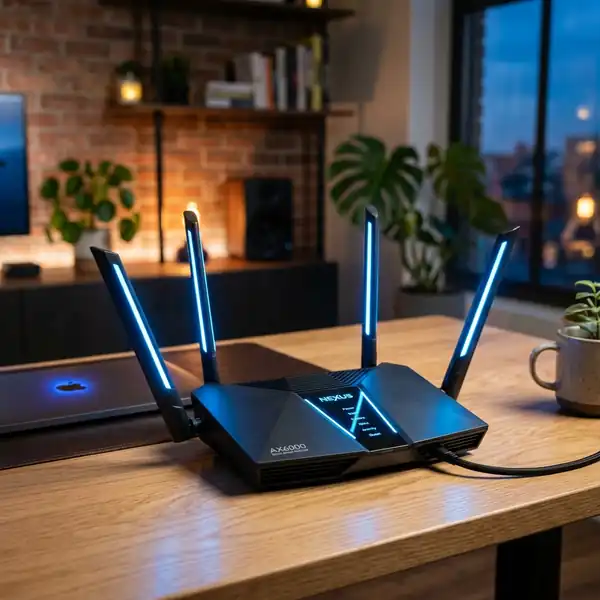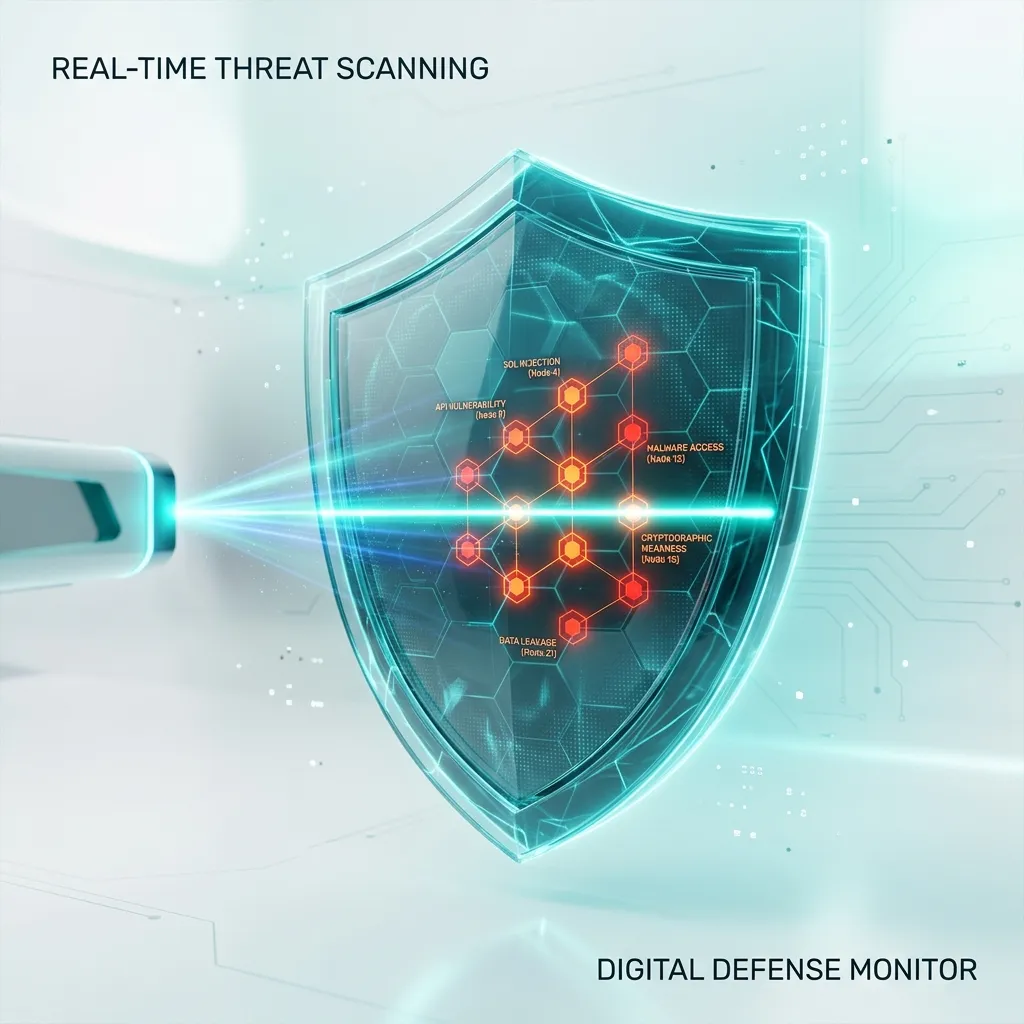
To block guest network access to a private LAN, implement specific firewall rules on your router.
Understanding Network Topology
A typical network topology involves a router segmenting a guest network and a private LAN. The router should support VLANs for efficient traffic separation.
RouterOS Configuration Overview
RouterOS versions 6.47 and later provide robust firewall capabilities. Utilizing the '/ip firewall filter' command allows for precise rule creation.
Creating VLANs for Segmentation
Define VLANs to isolate guest traffic from the private LAN. Use the command '/interface vlan add name=guest-vlan vlan-id=30 interface=ether1' to create a guest VLAN.
Implementing Firewall Rules
Firewall rules must be explicitly defined to deny guest access. Use '/ip firewall filter add chain=forward in-interface=guest-vlan out-interface=private-lan action=drop' to restrict traffic.
Testing and Validation
After configuring the firewall rules, validate connectivity. Use the command '/ping 192.168.1.1' from the guest network to ensure the private LAN is unreachable.
| Feature | Guest VLAN | Private LAN |
|---|---|---|
| Access to Internet | Allowed | Allowed |
| Access to Private Resources | Denied | Allowed |
| Isolation from Other Devices | Yes | No |
DomineTec Tip: Regularly review and update firewall settings to adapt to network changes and ensure security compliance.
- Access the RouterOS command line using SSH.
- Create a guest VLAN with '/interface vlan add name=guest-vlan vlan-id=30 interface=ether1'.
- Set up a DHCP server for the guest VLAN using '/ip dhcp-server add name=guest-dhcp interface=guest-vlan'.
- Add firewall rule to block access: '/ip firewall filter add chain=forward in-interface=guest-vlan out-interface=private-lan action=drop'.
- Test connectivity from a guest device to a private LAN resource.

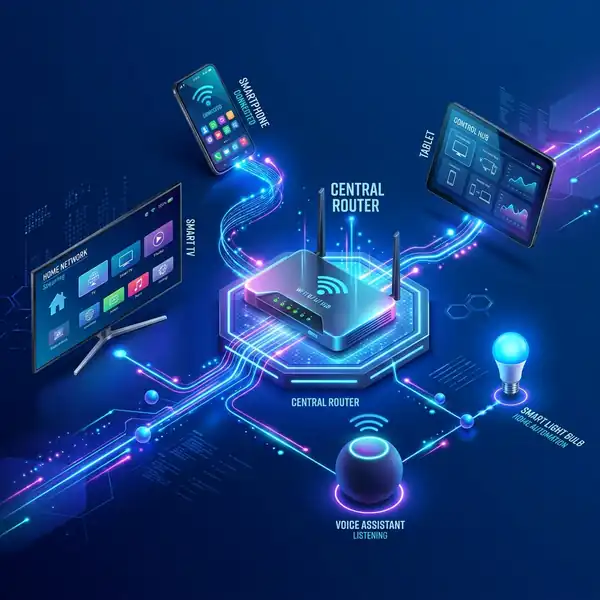
Monitoring and Logging Guest Network Activity
Implementing a robust monitoring and logging system is essential for tracking guest network activity. This can be achieved through tools such as syslog servers or built-in logging features within router firmware.
Logs should capture data such as connection attempts, disconnections, and traffic patterns. Regularly reviewing these logs can provide insights into unusual patterns or potential security threats.
Alerts can be configured to notify administrators of suspicious activities, allowing for rapid response to any incidents. This proactive approach helps maintain the integrity of the private LAN.
Security policies should dictate the retention period of logs, ensuring compliance with data protection regulations while allowing adequate time for incident investigation.
Setting Up Access Control Lists (ACLs)
Access Control Lists (ACLs) provide an additional layer of security by defining permissions for various network segments. ACLs can be implemented directly on routers and switches to filter traffic based on IP addresses or protocols.
To create effective ACLs, administrators must identify the specific traffic that should be restricted or allowed. This includes defining rules for both inbound and outbound traffic.
Regular reviews and updates of ACLs are necessary to adapt to changing network requirements or security policies. This ensures that only authorized devices can communicate within designated segments.
Documentation of ACLs is crucial for maintaining clarity and understanding within the network team, especially when troubleshooting or making changes to the network configuration.
Utilizing Network Access Control (NAC) Solutions
Network Access Control (NAC) solutions enhance security by enforcing policies on devices attempting to access the network. These policies can include authentication requirements, device compliance checks, and endpoint security assessments.
NAC can be integrated with existing authentication mechanisms, such as RADIUS or Active Directory, to streamline user verification. This ensures that only compliant devices gain access to the network.
Implementing NAC helps to mitigate risks associated with guest devices, as it can automatically isolate non-compliant or unauthorized devices from critical network resources.
Regular updates and maintenance of NAC systems are essential to address newly discovered vulnerabilities and ensure ongoing effectiveness in protecting the network.
Integrating Guest Network Isolation Techniques
Guest network isolation techniques are crucial for preventing unauthorized access to the private LAN. Techniques such as client isolation can be employed to ensure that devices on the guest network cannot communicate with each other.
Another approach involves utilizing a captive portal that requires guests to authenticate before gaining internet access, further enhancing security. This can also serve as a method for tracking guest usage and behavior.
Network segmentation should be enforced through VLAN configurations to separate guest traffic from internal resources effectively. This minimizes the risk of lateral movement by unauthorized users.
Regular reviews of guest network isolation strategies are necessary to identify potential vulnerabilities and enhance the overall security posture of the network.
Best Practices for Maintaining Firewall Rules
Maintaining effective firewall rules requires a structured approach to management and documentation. Regular audits of existing rules can identify redundancies and potential conflicts that may arise over time.
Utilizing a change management process helps to ensure that any modifications to firewall rules are well-documented and communicated to relevant stakeholders. This promotes consistency and reduces the risk of misconfigurations.
Testing new rules in a controlled environment before deployment is critical to avoid disruptions to the network. This allows administrators to assess the impact of changes without affecting live operations.
Establishing a routine review schedule for firewall rules, combined with monitoring network traffic, ensures that the firewall remains aligned with organizational security policies and adapts to evolving threats.
Advanced Threat Detection Techniques
Advanced threat detection techniques can significantly enhance the security of the network. Implementing Intrusion Detection Systems (IDS) or Intrusion Prevention Systems (IPS) can help identify and mitigate potential threats in real-time.
Behavioral analysis tools may also be employed to detect anomalies in network traffic, providing alerts for any suspicious activities that deviate from established patterns.
Regularly updating threat intelligence feeds enhances the effectiveness of detection systems, ensuring they are equipped to recognize and respond to the latest threats. This proactive approach is vital in today's rapidly evolving threat landscape.
Training staff on recognizing potential threats and understanding how detection systems work will further strengthen the organization’s security posture, fostering a culture of security awareness.
Impact of IoT Devices on Guest Network Security
The proliferation of IoT devices poses unique challenges for guest network security. Many IoT devices lack robust security features, making them vulnerable entry points for attackers.
Implementing strict policies for IoT device connections, including device authentication and traffic filtering, can mitigate associated risks. This ensures that only trusted devices are allowed on the guest network.
Regular updates to device firmware and security protocols are essential to address vulnerabilities that may be exploited by malicious actors. Keeping IoT devices current is a critical aspect of maintaining network security.
Educating guests about safe usage practices for IoT devices can further strengthen network defenses, as informed users are less likely to engage in risky behaviors that could compromise security.
Configuring DHCP for Guest Network Segmentation
Dynamic Host Configuration Protocol (DHCP) plays a crucial role in segmenting guest networks from the private LAN. It is essential to create a separate DHCP scope for the guest network, ensuring that IP addresses assigned to guest devices do not overlap with those on the private LAN.
To configure DHCP on the guest network, access the router's DHCP settings and define a range of IP addresses specifically for guest devices. Additionally, ensure that the DHCP server is configured to provide correct DNS settings that do not disclose any internal network information.
Implementing Quality of Service (QoS) on Guest Networks
Quality of Service (QoS) settings can prioritize traffic on the guest network to ensure stable connectivity even during high usage periods. By configuring QoS policies, network administrators can allocate bandwidth limits for guest users, preventing them from consuming excessive resources.
Utilize traffic shaping techniques to manage the flow of data and ensure that critical applications on the private LAN are not disrupted. Regularly review and adjust QoS policies based on network performance metrics to maintain an optimal user experience for both guests and internal users.
Utilizing VPN for Remote Guest Access
Implementing a Virtual Private Network (VPN) solution can enhance security for remote guest access while isolating them from the internal network. By requiring guests to connect through a VPN, organizations can enforce additional security measures, such as encryption and authentication, before granting internet access.
Ensure that the VPN is configured to limit access to only necessary resources, maintaining the integrity of the private LAN. Regularly update VPN software and protocols to protect against emerging threats and vulnerabilities.
Conducting Regular Security Audits and Assessments
Regular security audits are essential to identify vulnerabilities within the guest network and assess the effectiveness of existing firewall rules. Utilize tools such as vulnerability scanners and penetration testing to evaluate the security posture of the network and identify potential weaknesses.
Document findings from the audits and develop a remediation plan to address any identified issues, ensuring continuous improvement of the network security framework. Incorporate feedback from security assessments into the overall network management strategy to adapt to evolving security threats.
Utilizing Intrusion Detection Systems (IDS) for Enhanced Security
Implementing an Intrusion Detection System (IDS) on a guest network serves as a critical layer of security, monitoring network traffic for suspicious activities and policy violations. This system can be configured to analyze both inbound and outbound traffic, identifying potential threats before they escalate into serious incidents.
IDS solutions can be classified into two main categories: network-based (NIDS) and host-based (HIDS). NIDS monitors network traffic across the entire segment, while HIDS focuses on individual devices, providing comprehensive coverage against various attack vectors. Deploying both types can significantly enhance the overall security posture of the guest network.
To effectively utilize IDS, it is essential to define specific rules and signatures that correspond to known attack patterns. Regular updates to these signatures are necessary to ensure that the system can detect the latest threats, making it vital to maintain a robust update schedule for the IDS.
Furthermore, integrating IDS with existing firewall rules can provide a more proactive defense mechanism. By correlating firewall logs with IDS alerts, administrators can gain deeper insights into network behavior, allowing for timely interventions and mitigations against potential breaches.
Implementing Secure Guest Access with Captive Portals
Captive portals are an effective way to manage guest access in a secure manner while providing a user-friendly experience. When guests connect to the network, they are redirected to a web page that requires authentication or agreement to terms of service before gaining full network access.
This authentication can be achieved using various methods, including social media login, email verification, or even integrating with existing user management systems. By requiring users to authenticate, organizations can track who is accessing the network and apply specific policies based on user identity.
In addition to user authentication, captive portals can be configured to display important information regarding acceptable use policies and security guidelines. This not only educates users about the network's rules but also serves as a legal safeguard for the organization.
To enhance security, captive portals should be designed to limit access to sensitive network resources. By isolating guest traffic from the internal network, potential risks are minimized, ensuring that guests can enjoy internet access without posing a threat to the organization's private LAN.
Enhancing Security with Network Segmentation Strategies
Incorporating advanced network segmentation strategies is essential for reinforcing the security of guest networks. By logically dividing the network into smaller segments, organizations can limit the lateral movement of potential threats. This approach not only restricts access to sensitive resources but also optimizes performance by reducing congestion.
One effective method for achieving network segmentation is the implementation of Virtual Local Area Networks (VLANs). VLANs allow administrators to group devices based on function or department rather than their physical location. This segmentation ensures that guest devices remain isolated from critical infrastructure, thus minimizing the risk of unauthorized access.
Moreover, it is important to establish strict inter-VLAN routing policies. By controlling the traffic flow between VLANs, administrators can enforce security protocols that prevent unwanted communication. This can be achieved through the use of routers or Layer 3 switches that support Access Control Lists (ACLs) to define which VLANs can interact with each other.
Additionally, implementing a Zero Trust network architecture can further enhance the security of segmented networks. This model requires verification for every user and device attempting to access resources, regardless of their location. By adopting this approach, organizations can bolster their defenses against both internal and external threats.
Deploying Stateful Firewall Techniques for Enhanced Protection
Stateful firewalls provide a robust mechanism for monitoring and controlling network traffic in real-time. Unlike traditional packet filtering firewalls, stateful firewalls track active connections and maintain a state table. This allows them to make more informed decisions about whether to allow or block traffic based on the context of the ongoing communication.
To deploy stateful firewall techniques effectively, it is crucial to configure rules that account for the state of each connection. For example, a rule can permit established connections while blocking new, unsolicited requests from guest devices. This dynamic approach helps to mitigate the risk posed by potential threats while allowing legitimate traffic to flow unimpeded.
Furthermore, integrating stateful firewalls with intrusion prevention systems (IPS) can enhance overall security. By analyzing traffic patterns and identifying anomalous behavior, these systems can proactively block malicious activity before it impacts the network. This layered approach ensures that guest network access remains secure without compromising user experience.
Finally, regular updates and maintenance of stateful firewall configurations are necessary to adapt to evolving threats. Administrators should routinely review logs and alerts to identify trends in unauthorized access attempts. By staying vigilant, organizations can continuously improve their firewall rules and maintain a strong security posture against emerging vulnerabilities.
Frequently Asked Questions
What is RouterOS?
RouterOS is an operating system based on Linux designed for routers and network devices, offering advanced networking features.
How do VLANs enhance security?
VLANs segment network traffic, providing isolation and reducing the risk of unauthorized access between different network segments.
What is the purpose of the firewall in a router?
The firewall protects network resources by controlling incoming and outgoing traffic based on applied security rules.
Can guest users still access the internet?
Yes, guest users can be allowed internet access while being restricted from accessing the private LAN through specific firewall rules.
How often should firewall rules be reviewed?
Firewall rules should be reviewed regularly, especially after significant changes to the network infrastructure or security policies.